Review Atlas
Review AtlasYour guide to a better purchase

Menu

Shop by Category

Get the App

Better experience on mobile

????????????????????????

Should I Buy Gaggia Classic Pro? Complete Guide 2026

Is the Gaggia Classic Pro worth it for you in 2026? We weigh the pros, cons, costs, and alternatives to help you decide with confidence.

Recommendation: depends
🛒 Buy on AmazonAs an Amazon Associate we earn from qualifying purchases.

Quick Answer

The Gaggia Classic Pro is a great buy for espresso enthusiasts who already own a grinder and enjoy a hands-on workflow. It's not recommended for convenience-focused users or budget buyers who can't afford the full setup. For the right person, it's one of the best espresso machines under $500.

Let's be honest: buying the Gaggia Classic Pro can feel intimidating. On one hand, it's often called the best entry-level espresso machine for people obsessed with pulling a perfect shot. On the other, it lacks the push-button conveniences most beginners expect. If you're worried about wasting $399, dealing with a steep learning curve, or needing extra gear, this guide is for you.

In the following sections, we'll break down what this machine really offers, who loves it, who regrets it, and what it actually costs to get started. This analysis is based on product specifications, verified customer feedback, and expert opinions, so you get a balanced view of real-world ownership.

The short answer? It depends. It's a great buy for tinkerers and espresso purists, but a poor fit for convenience seekers. Read on to find which category you fall into.

What is Gaggia Classic Pro?

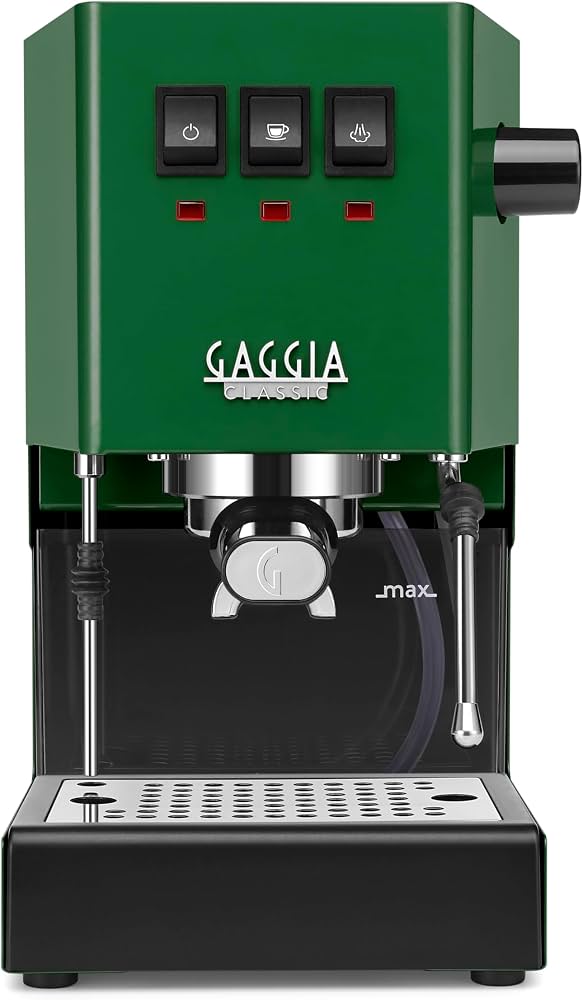
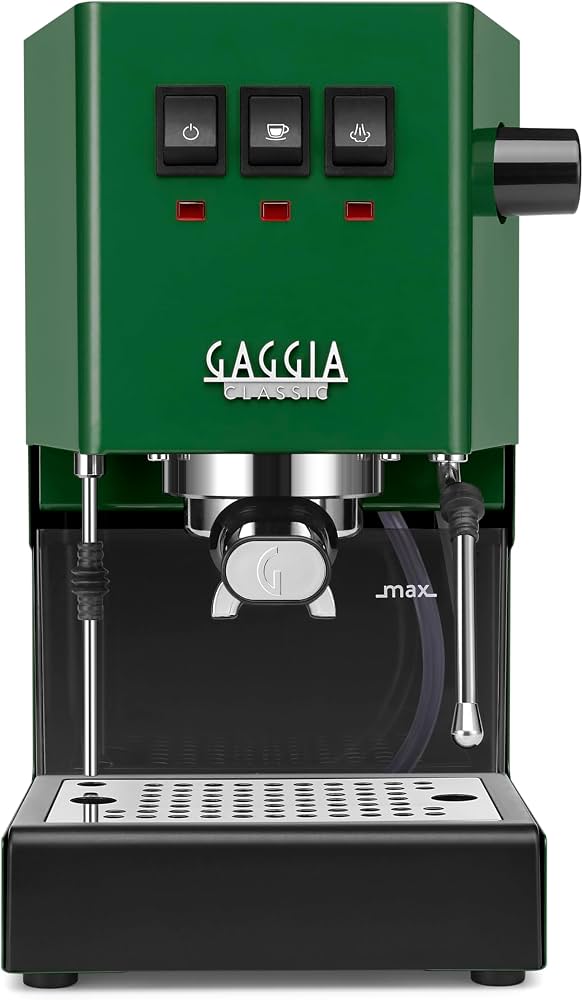
The Gaggia Classic Pro is a semi-automatic espresso machine made in Italy and widely available on Amazon. It's built around a commercial-style 58mm portafilter, meaning you can use standard baskets, tampers, and other accessories. The machine uses a single brass boiler that heats water for both brewing and steaming, plus a three-way solenoid valve that stops extraction and keeps the puck dry when you switch the pump off.

It's an updated version of the legendary Gaggia Coffee from the 1990s, with a new steam wand, larger buttons, and a revised frame. It costs about $399 at most retailers. Its popularity comes from being one of the least expensive machines that can produce truly cafe-quality espresso, provided you have a good grinder and fresh beans.

Unlike many entry-level machines, the Classic Pro doesn't rely on pressurized baskets or fake crema recipes. It gives you the same 58mm filter holder used in commercial espresso machines, which is why it's a favorite on home-barista forums.

Why the Hesitation?

Why the hesitation? The biggest fear is that the Gaggia Classic Pro will become another $400 counter ornament. Unlike super-automatics, this machine requires you to weigh your dose, grind fresh, distribute the coffee, tamp correctly, and time the shot. It has no PID, no shot timer, and the single boiler means you can't brew and steam at the same time. Many owners also complain that you have to 'temperature surf' to keep the boiler in the right range.

Then there's the cost trap. The machine is $399, but you can't use it well without an espresso grinder. A decent espresso grinder starts around $100 and can easily reach $200 to $300. If you don't already own one, your actual start-up cost is $600 to $700. That makes the price tag feel misleading.

Buyers also worry about picking the 'wrong' classic. Should you get a Breville Bambino Plus, which heats up in seconds and froths milk automatically? Or a Rancilio Silvia, which is another durable, respected option? And now there's the newer Gaggia Classic Evo. These are legitimate concerns, and we'll address them.

Key Reasons TO Buy

  • Real 58mm commercial-style portafilter makes better espresso and lets you use professional accessories.
  • Durable all-metal construction and a brass boiler give it decades of life potential.
  • Three-way solenoid valve is usually found on much pricier machines.
  • Huge aftermarket community with mods like PID and pressure gauge.
  • Simple to repair, and parts are easy to find.
  • Strong resale value if you maintain it.
  • At $399, it's the cheapest way into serious espresso.

Key Reasons NOT to Buy

  • Requires a separate espresso grinder, adding $100 to $300 to the total cost.
  • Steep learning curve; expect dialing-in frustration.
  • Single boiler: long wait between brewing and steaming, no simultaneous use.
  • No PID, pressure gauge, or shot timer; temperature surfing is needed.
  • Small water tank and drip tray mean frequent refills.
  • Not ideal for milk-drink lovers because steaming is slow.
  • The newer Gaggia Classic Evo may be a better choice if you want improved features.

Should YOU Buy? Different Scenarios

The Home Barista Starter

✓ YES

You're ready to learn espresso, you already own a decent grinder, and you're okay with a learning curve.

Budget: $400-$700

Usage: Daily one or two shots, focused on straight espresso.

Why: You have the grinder and the patience, so the Classic Pro gives you commercial-style espresso at a bargain price.

The Tech-Savvy Upgrader

✗ NO

You're deciding between the Classic Pro and the newer Gaggia Classic Evo and you prefer modern features.

Budget: $400-$500

Usage: Daily espresso with occasional milk drinks.

Why: The Classic Pro is still good, but since you care about the latest updates, the Classic Evo's improved boiler and steam wand are worth the extra money.

Consider instead: Consider the Gaggia Classic Evo instead.

The Busy Latte Lover

✗ NO

You want a fast latte every morning without fiddling with a portafilter.

Budget: $500-$700

Usage: Two milk drinks daily, in a hurry.

Why: The Classic Pro's single boiler and manual workflow will slow you down. A machine with faster heat-up and automatic frothing is a better match.

Consider instead: Look for a Breville Bambino Plus on Amazon for speed and auto-froth.

Key Factors to Consider

  • Total budget: Include a grinder and basic accessories.
  • Existing equipment: Do you already have an espresso-capable grinder?
  • Time: Are you willing to wait 10-15 minutes for heat-up?
  • Milk consumption: How many milk drinks do you make daily?
  • Learning curve: Are you comfortable with temperature surfing and dialing in?
  • Counter space: The machine is compact but tall.
  • Future modding: Do you want to add a PID or pressure gauge?
  • Warranty and support: Are replacement parts easy to find in your region?

Questions to Ask Yourself

  • ?Do I already have a grinder that can handle espresso?
  • ?Am I willing to learn temperature surfing and dialing in?
  • ?Can I afford $600 to $700 including machine, grinder, and basic tools?
  • ?Will I make at least one espresso drink per day?
  • ?Do I mostly drink straight espresso, or do I want quick lattes?
  • ?Am I buying the Classic Pro because of its reputation, not my actual needs?
  • ?Could I be happier with a Breville Bambino Plus or a super-automatic?
  • ?Is a 10-minute heat-up and slow steaming acceptable in my routine?

Detailed Analysis

From our research, the Gaggia Classic Pro is best understood as a tool for learning espresso, not an appliance for convenience. Its heavy metal body, brass boiler, and 58mm group give it a solid feel and excellent thermal stability by budget standards. However, the single boiler lacks temperature precision, so owners quickly learn to surf or install a PID. The machine is also small enough for most countertops, but it's tall and heavy compared to plastic machines.

In real-world use, the Classic Pro performs best when paired with a quality grinder, a non-pressurized basket, fresh coffee, and a bit of patience. Customer feedback frequently praises the espresso quality, saying it competes with machines twice the price. The steam wand is a big improvement over older models, though it still takes practice to texture milk properly. Since it's a single boiler, you should expect a delay between pulling the shot and steaming milk.

Compared to the Breville Bambino Plus, the Classic Pro offers more durable components, standard 58mm accessories, and lower long-term cost of repair. The Bambino, on the other hand, heats up in around three seconds, has automatic milk frothing, and uses a smaller 54mm portafilter. For someone who values speed and convenience, the Bambino is the better choice. For someone who wants to develop the craft of espresso, the Gaggia wins.

The newer Gaggia Classic Evo includes an updated boiler and steam wand but costs more. Some buyers prefer the Classic Pro because of its more traditional design and easier modding. Others find the Evo worth the extra money. If you're not in a hurry, waiting for an Amazon sale on the Classic Pro can save you $50 to $100.

Long-term ownership is generally positive. Many owners report their Classic Pro lasts for years with basic descaling and group cleaning. Parts such as gaskets, showers, and pumps are available. Resale value is strong because of the machine's reputation. That said, the learning curve can frustrate beginners, and some buyers move on to dual boilers after a few months.

Related Products & Alternatives

Gaggia Classic Pro Espresso Machine
#1
alternative

Gaggia Classic Pro Espresso Machine

$399

This is the subject of this guide: a manual espresso machine with a 58mm portafilter, brass boiler, and proven Italian design. If you've decided the Classic Pro fits your needs, this is it.

💡 Why We Recommend It

The machine itself is the starting point of the home espresso setup.

Best For

Someone ready to buy the Gaggia Classic Pro.

🛒 Check Price on Amazon →
Gaggia Classic Evo Espresso Machine
#2
upgrade

Gaggia Classic Evo Espresso Machine

$449

The newer Gaggia Classic Evo features an updated boiler and improved steam performance compared to the Classic Pro. If you want the latest factory refinements, this is the direct upgrade path.

💡 Why We Recommend It

A great alternative for buyers who want the newest version and are willing to pay a little more.

Best For

Tech-savvy users who want Gaggia's latest updates.

🛒 Check Price on Amazon →
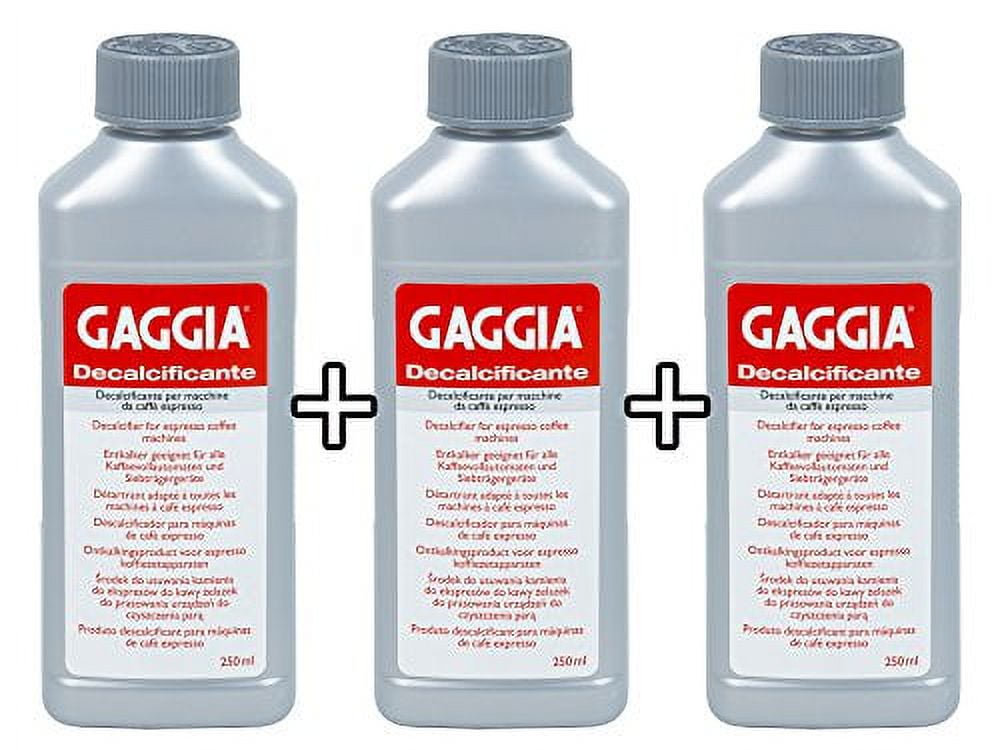
Gaggia Coffee Machine Descaler (3-Pack)
#3
complement

Gaggia Coffee Machine Descaler (3-Pack)

$16.99

A proper descaling solution is essential for keeping the brass boiler and steam wand in good condition. This 3-pack keeps your Gaggia running smoothly for many sessions.

💡 Why We Recommend It

Regular descaling extends the life of the machine and improves espresso consistency.

Best For

Every Gaggia Classic Pro owner who wants to protect their investment.

🛒 Check Price on Amazon →
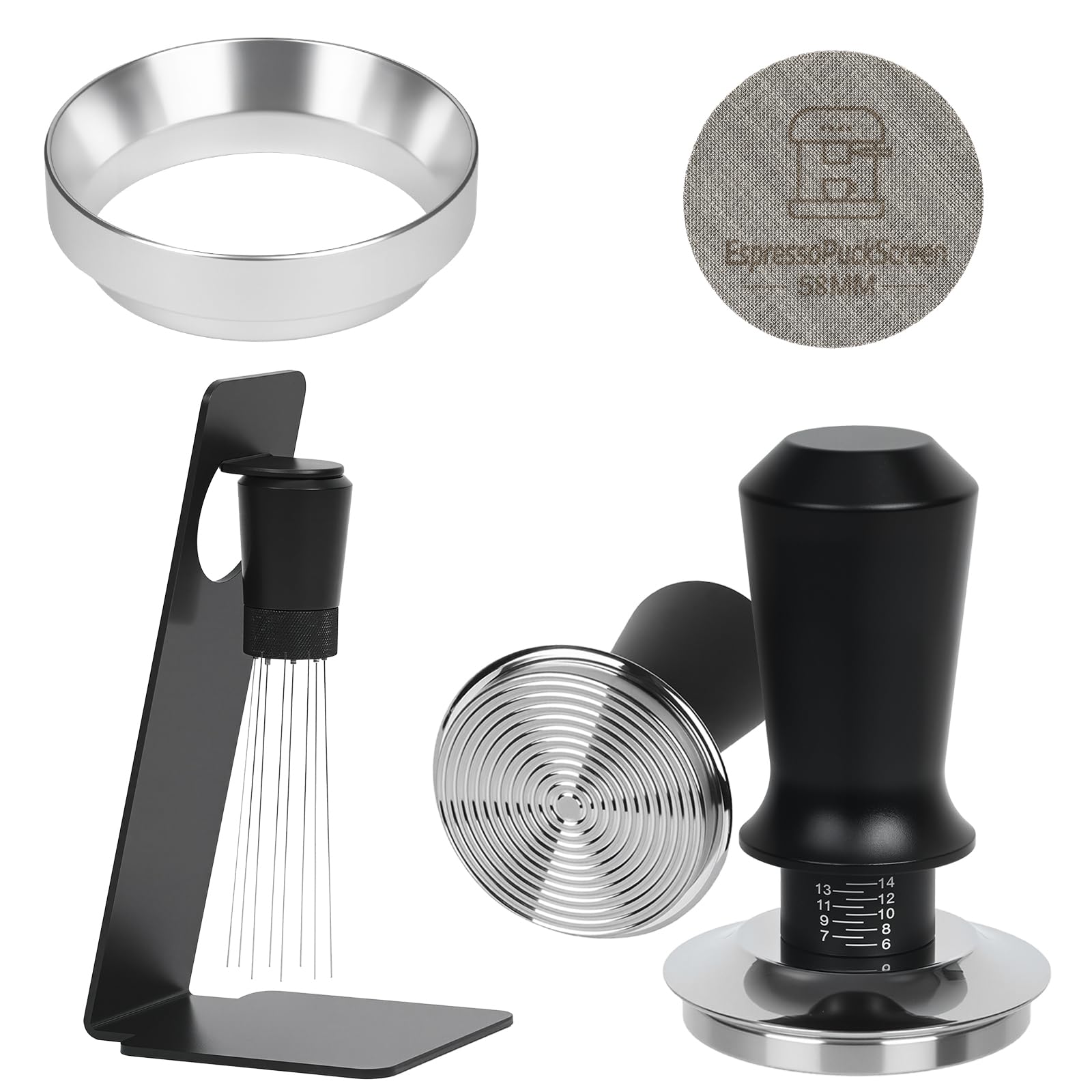
58mm Espresso Tamper & WDT Tool
#4
accessory

58mm Espresso Tamper & WDT Tool

$39.99

A quality 58mm tamper and distribution tool help you prepare the puck evenly, which is critical for pulling balanced shots on the Classic Pro's commercial portafilter.

💡 Why We Recommend It

Better tamping and distribution will improve your espresso extraction immediately.

Best For

New owners who want to upgrade from the included plastic tamper.

🛒 Check Price on Amazon →
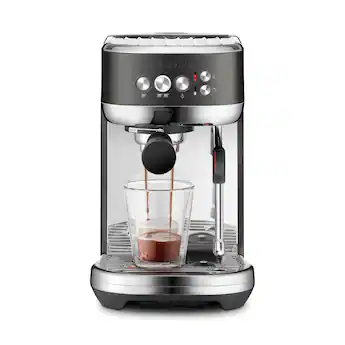
Breville Bambino Plus Espresso Machine
#5
alternative

Breville Bambino Plus Espresso Machine

$499

An excellent alternative to the Gaggia Classic Pro if you prefer convenience. It heats up in about three seconds, includes automatic milk frothing, and has a smaller 54mm portafilter.

💡 Why We Recommend It

For busy users, this is a fast and easy espresso solution.

Best For

People who prioritize speed and automation over manual control.

🛒 Check Price on Amazon →
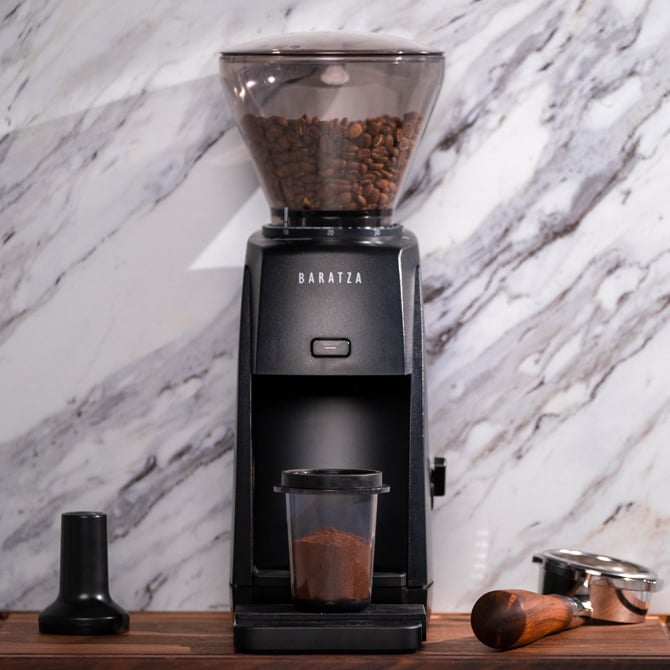
Baratza Encore ESP Coffee Grinder
#6
complement

Baratza Encore ESP Coffee Grinder

$199

The Gaggia Classic Pro is only as good as your grinder. The Encore ESP is a budget-friendly burr grinder with enough range for espresso and pour-over.

💡 Why We Recommend It

A reliable espresso grinder is non-negotiable for getting the most out of the Classic Pro.

Best For

Buyers who need a starter grinder for their new machine.

🛒 Check Price on Amazon →

Bottom Line

The Gaggia Classic Pro is not a one-size-fits-all purchase, but it is a benchmark for budget espresso. If you're a home barista who wants a durable, classic machine and already has or plans to buy a grinder, it's an easy yes. If you need quick, automated drinks or can't stretch your budget for a grinder, skip it and get a super-automatic or user-friendly alternative.

When you should buy: after you've set aside at least $600 to $700 total and can commit to learning. When to wait: if a sale is coming or if the newer Classic Evo appeals to you. Either way, the Classic Pro is a respected machine that will reward those who put in the effort. If you're ready, check current pricing on Amazon and grab the accessories you'll need.

Best For

  • Espresso enthusiasts who want a durable, manual machine on a $400 budget.
  • Home baristas who already own a good espresso grinder.
  • DIYers who plan to install a PID or bottomless portafilter.
  • People upgrading from a pressurized-basket machine who want real espresso.
  • Buyers who value all-metal Italian construction.
  • Those willing to practice and watch videos to improve their technique.

Not Recommended For

  • Impatient beginners who expect cafe-quality results on the first try.
  • People who mainly drink milk-based drinks and want quick frothed milk.
  • Budget shoppers who can't also buy a grinder.
  • Nespresso or Keurig drinkers looking for one-button simplicity.
  • Someone who needs two lattes in the morning before work.
  • Anyone who doesn't enjoy tinkering and learning.

Frequently Asked Questions

Should I buy Gaggia Classic Pro?

If you already have a good grinder and you're willing to learn manual espresso, yes. If you want a push-button machine, no. It's a capable machine for tinkerers.

Is Gaggia Classic Pro a good buy in 2026?

At $399, it's still one of the best-value ways into serious espresso. Just remember to budget for a grinder and accessories.

Is Gaggia Classic Pro worth buying for beginners?

It depends. Beginners who enjoy learning and don't mind practice will get a lot from it. Absolute beginners who want instant results may get frustrated.

Should I buy Gaggia Classic Pro or Breville Bambino Plus?

If you want no-fuss mornings and automatic milk frothing, choose the Bambino. If you want better espresso potential, durability, and standard 58mm accessories, choose the Classic Pro.

Should I buy Gaggia Classic Pro or Gaggia Classic Evo?

The Evo is the newer version with improved boiler and steam features. If those updates matter and you have extra budget, get the Evo. The Classic Pro is still excellent and often cheaper.

Do I need a grinder for Gaggia Classic Pro?

Yes, absolutely. Pre-ground coffee won't produce good espresso. Plan on spending at least $100 to $200 for a capable espresso grinder.

Is Gaggia Classic Pro good for milk drinks?

It can make decent milk foam, but the single boiler is slow. If you make several milk drinks daily, a dual boiler or a machine with auto-froth will save time.

When should I buy Gaggia Classic Pro?

Buy when you've confirmed it fits your budget and you're ready to learn. If you want a deal, watch Amazon sales around Prime Day and Black Friday.

What should I consider before buying Gaggia Classic Pro?

Total budget, grinder, counter space, time for heat-up, learning curve, and how many milk drinks you make. These factors decide if it's right for you.

Is Gaggia Classic Pro difficult to use?

There is a learning curve, especially with temperature management. Many owners say it's rewarding, but you should expect to practice.

Is Gaggia Classic Pro better than a Nespresso?

In espresso quality, yes. In convenience, no. If you prioritize time over technique, stick with a capsule machine.

Does Gaggia Classic Pro last long?

Most owners say yes. The metal construction, brass boiler, and widely available parts help it last for many years with basic maintenance.

Ready to Make Your Decision?

We hope this guide helped you decide whether Gaggia Classic Pro is right for you.

🛒 Buy Gaggia Classic Pro on AmazonAs an Amazon Associate we earn from qualifying purchases.
Browse More Guides