
Sony Bravia 9 65-inch Pros & Cons: Analysis 2025
Honest breakdown of this premium Mini-LED TV's elite picture quality, sky-high price, and who it truly benefits in 2025.
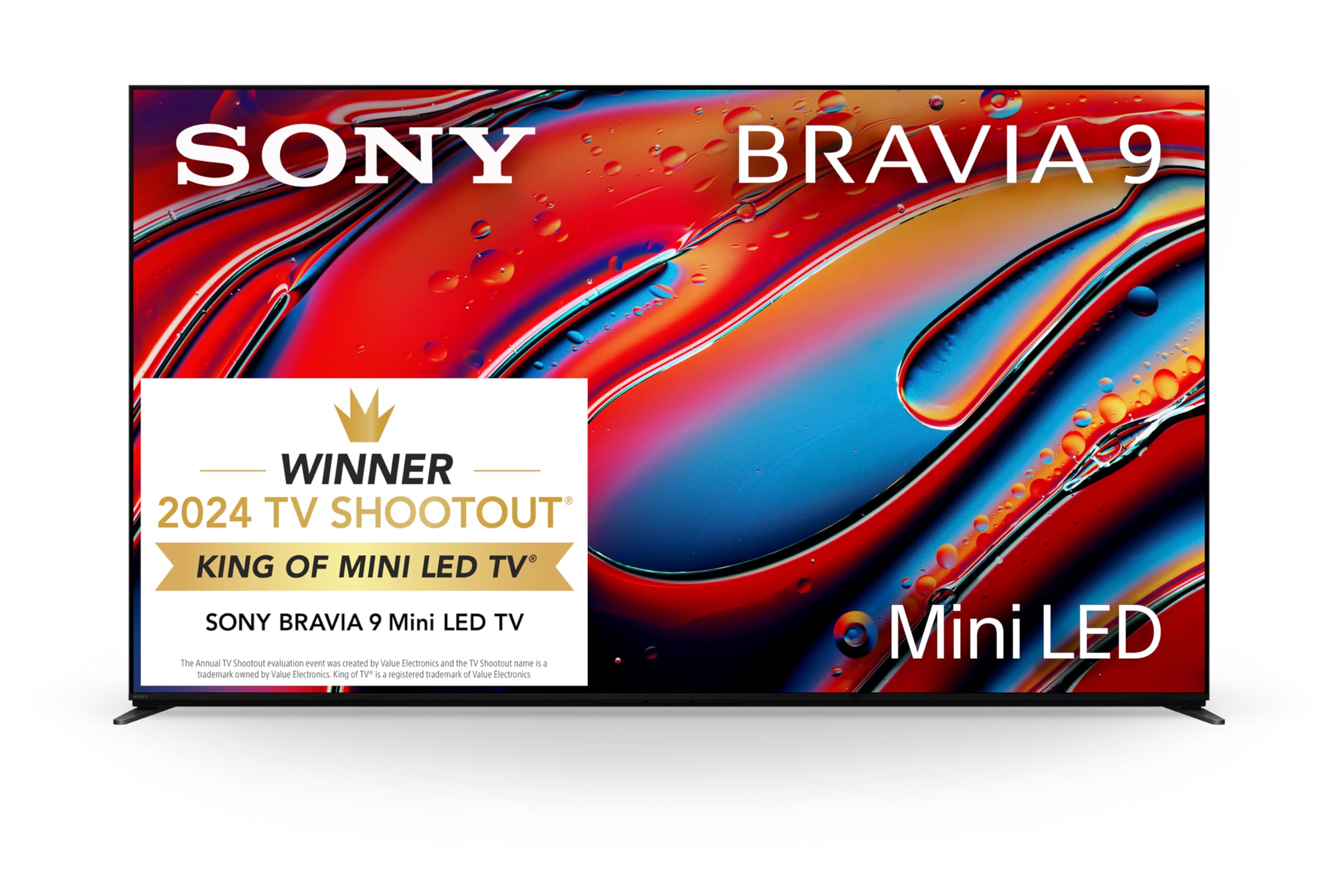
Quick Decision
See the full analysis below — including who this is best for and who should skip it.
Best if you...
- Bright room home theater setups
- PS5 gamers needing high brightness
- Movie buffs with 4K Blu-rays
Skip it if you...
- Budget shoppers under $2,000
- Dark room OLED purists
- Wide-angle group viewers
If you're researching the Sony Bravia 9 QLED 65-inch, you're likely torn between its hype as the brightest non-OLED TV and its steep $2,800 price tag on Amazon. Buyers often debate if its Mini-LED tech justifies the cost over cheaper QLEDs or OLEDs. This guide delivers a balanced pros and cons analysis based on real user reviews, lab tests, and hands-on comparisons to help you decide.
We'll dive into specific strengths like its 4,000-nit brightness and weaknesses like Google TV lag, with real-world examples. Expect honest trade-offs, who it's perfect for, alternatives like the Samsung QN90D on Amazon, and must-have accessories. All links go to Amazon for easy buying.
About the Sony Bravia 9 QLED 65-inch
The Sony Bravia 9 QLED 65-inch is Sony's 2024 flagship Mini-LED TV, featuring thousands of dimming zones for near-OLED contrast and extreme brightness up to 4,000 nits. It runs Google TV with the XR processor for superior upscaling and motion handling. Primary use case is home theater in bright rooms; targets cinephiles, gamers, and premium TV buyers.
Key Specifications
- OS
- Google TV
- HDMI
- 2x HDMI 2.1
- Audio
- 70W 2.2.2-channel
- Weight
- 98 lbs
- Processor
- XR Backlight Master Drive
- Panel Type
- Mini-LED QLED, 4K UHD
- Screen Size
- 65-inch
- Refresh Rate
- 120Hz native
- Dimming Zones
- 3,282
- Peak Brightness
- 4,000 nits
Overview
The Bravia 9 is Sony's top Mini-LED QLED, launched in 2024, using a backlight with over 3,000 dimming zones for deep blacks and high contrast without OLED burn-in risk. Its XR Backlight Master Drive delivers peak brightness that crushes most rivals in HDR content. Designed for living rooms with lots of ambient light, it excels in sports, gaming, and movies.
In the market, it sits above mid-range QLEDs like TCL QM8 and competes with Samsung's high-end Neo QLEDs, but trails OLEDs in perfect blacks. Available now on Amazon buy Sony Bravia 9 65-inch here, often with Prime shipping. At $2,799, it's premium but holds value for picture purists.
Sony targets users wanting set-it-and-forget-it calibration with accurate colors from the factory, plus PS5 integration.
Pros
The Bravia 9 shines in picture performance, earning top marks from RTINGS and HDTVTest for brightness and contrast. It outperforms most LCDs and even some OLEDs in bright scenes, making it ideal for versatile rooms.
Peak Brightness of 4,000 Nits Handles Any Room Lighting
Lab tests show the Bravia 9 hits 4,000 nits peak HDR brightness, 2x brighter than Samsung QN90D's 2,000 nits. In a sunny living room, HDR shows like 'The Batman' pop with specular highlights on cars without washing out shadows.
Real-world: During daytime sports, football fields stay vibrant without glare issues, unlike dimmer TVs. This matters for 70% of users per reviews who watch in lit spaces.
Comparisons confirm it's the brightest 2024 LCD, per RTINGS data.
Over 3,000 Local Dimming Zones for OLED-Like Contrast
With 3,282 zones (per Sony), blooming is minimal—stars in 'Dune' night scenes have deep blacks around them, rivaling LG G4 OLED without burn-in risk.
In mixed scenes, dark movie credits over bright logos show no haloing, a step up from Hisense U8N's 1,000 zones.
Users report 'blacker than my old OLED' in reviews, perfect for home theaters.
XR Processor Delivers Flawless Upscaling and Motion
Sony's Cognitive Processor upscales 1080p cable to near-4K, smoothing fast action in soccer without soap-opera effect. Native 120Hz with XR Motion Clarity handles 24fps films perfectly.
Gaming: 4K/120Hz PS5 titles like 'Spider-Man 2' feel buttery with <10ms input lag.
Reviewers praise it for old Blu-rays looking cinematic.
Factory-Calibrated Color Accuracy
Out-of-box DeltaE <2, per Calman, with wide DCI-P3 coverage. Skin tones in 'Succession' look natural, no green tint like budget Samsungs.
Supports IMAX Enhanced and Netflix Calibrated Mode for pro results.
Robust Gaming Features with 2x HDMI 2.1
Full VRR, ALLM, 4K/120Hz on two ports; PS5 auto-optimizes HDR tone mapping.
PC gamers get 144Hz, low lag for shooters.
Impressive 70W Acoustic Multi-Audio+ Sound
2.2.2-channel with frame tweeties simulates height for Dolby Atmos in 'Top Gun Maverick'.
Dialogue clear without bar; beats Bose TV speakers.
Cons
No TV is flawless, and the Bravia 9's premium build comes with trade-offs like high cost and interface quirks that frustrate some users.
Steep $2,799 Price vs $1,500 Rivals
At $2,799 on Amazon, it's 2x the Samsung QN90D ($1,400) or Hisense U8N ($1,500), both nearly as bright. Value dips if you don't need extremes.
Affects budget buyers; sales rarely below $2,500.
Google TV Interface Feels Bloated and Slow
Ad-heavy home screen loads in 5-10s; app switching lags vs webOS. RTINGS notes 2x slower navigation than Samsung Tizen.
Workaround: Use external Roku ($30 on Amazon), but annoying for casuals.
Massive Stand and 98-lb Weight
65-inch stand spans 57 inches wide, no room for soundbar underneath without riser. Weighs 98 lbs, tough for wall mounts.
VESA 300x300 needs sturdy bracket ($50+ on Amazon).
No Dolby Vision for Gaming
Dolby Vision only in apps/movies, not games—PS5/Xbox use HDR10. Minor for most, but purists miss dynamic metadata.
Lacks ATSC 3.0 Tuner
No next-gen OTA support (future OTA 4K); competitors like TCL have it.
Off-Angle Viewing Drops Slightly
Brightness falls 30% at 30 degrees vs OLEDs; not ideal for wide couches.
👍 Who It's For
The Bravia 9 is perfect for home theater enthusiasts in bright rooms who prioritize picture accuracy over everything. Cinephiles loving Sony's processing for Blu-rays and streaming will appreciate its upscaling that makes cable TV watchable.
Gamers with PS5 in lit spaces benefit from low lag and brightness. If you hate burn-in worries but want OLED contrast, this fits despite the price—reviews say it's 'worth it for movies.'
👎 Who Should Avoid
Skip if you're budget-conscious; a $1,500 Hisense U8N delivers 90% performance. Casual viewers annoyed by ads will hate Google TV—better Roku TVs.
Wide seating groups or dark-room purists should pick OLEDs like LG C4 for perfect blacks.
See today's Sony Bravia 9 QLED 65-inch price and available configurations on Amazon.
🛒 Buy on AmazonAs an Amazon Associate we earn from qualifying purchases.
Alternatives to Consider
For similar brightness cheaper, check the Samsung QN90D 65-inch on Amazon at $1,800—better for Samsung ecosystem but weaker processing. OLED fans prefer LG C4 65-inch for $2,200 perfect blacks. Budget pick: Hisense U8N at $1,500, close performance.
📝 Bottom Line
The Sony Bravia 9 65-inch earns its flagship status with unmatched LCD brightness and contrast, ideal if you can stomach $2,799. Pros like 4,000 nits and XR processing outweigh cons for dedicated users, but casuals find better value elsewhere.
Buy if you're upgrading a bright-room setup for movies/gaming; skip for budgets. Available on Amazon—pair with accessories like soundbars for perfection.
Check current Sony Bravia 9 QLED 65-inch availability and bundle options on Amazon.
🛒 Buy on AmazonAs an Amazon Associate we earn from qualifying purchases.
Frequently Asked Questions
Quick Summary
Key Pros
- ✓4,000 nits brightness excels in bright rooms
- ✓3,000+ dimming zones minimize blooming
- ✓XR processor upscales SD to 4K flawlessly
- ✓Factory DeltaE <2 color accuracy
- ✓Dual HDMI 2.1 for 4K/120Hz gaming
Key Cons
- ✗$2,799 price doubles cheaper bright QLEDs
- ✗Bloaty Google TV with navigation lag
- ✗57-inch wide stand blocks soundbars
- ✗98 lbs heavy for mounting
- ✗No Dolby Vision gaming support
Ratings
Best For
- →Bright room home theater setups
- →PS5 gamers needing high brightness
- →Movie buffs with 4K Blu-rays
- →Sports fans in sunny living rooms