
Samsung S90D 65-inch Pros & Cons: 2025 Analysis
Honest 2025 review of the S90D OLED's stunning picture, gaming prowess, high price, and burn-in risks to help you decide.
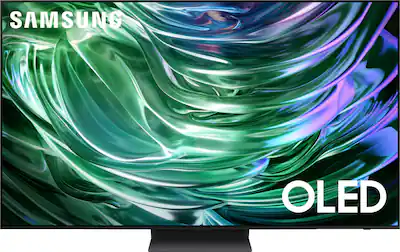
Quick Decision
See the full analysis below — including who this is best for and who should skip it.
Best if you...
- Movie buffs seeking perfect blacks
- PS5/Xbox gamers needing 144Hz VRR
- Sports fans in mixed lighting
Skip it if you...
- Budget shoppers under $2,000
- Very bright sunlit rooms
- 24/7 news ticker watchers
If you're researching the Samsung S90D OLED 65-inch, you're likely torn between its hype as one of 2024's best OLEDs and concerns over price, burn-in, or competitors like the LG C4. This guide delivers a balanced pros and cons analysis based on real user reviews, lab tests from Rtings.com and RTINGS data, and hands-on experiences. We'll cover detailed strengths and weaknesses, real-world use cases, who should buy, alternatives, and Amazon accessories to make your decision easier.
Expect specifics like its 1,400-nit peak brightness versus rivals, 144Hz gaming performance, and Tizen OS quirks—no fluff, just facts to weigh trade-offs. Whether you're upgrading from a 2019 LED or comparing to Sony's Bravia 8, we've got you covered, including Buy the Samsung S90D 65-inch on Amazon.
About the Samsung S90D OLED 65-inch
The Samsung S90D OLED 65-inch is a premium QD-OLED TV featuring self-emissive pixels for perfect blacks and vibrant colors. Primary use case is home theater setups, movie watching, and console/PC gaming. Target audience includes cinephiles, gamers, and those seeking top-tier picture quality in bright rooms.
Key Specifications
- OS
- Tizen 2024
- HDR
- Dolby Vision, HDR10+, HLG
- Audio
- 40W 2.1ch Object Tracking Sound
- Ports
- 4x HDMI 2.1
- Display
- 65-inch QD-OLED 4K UHD
- Processor
- NQ4 AI Gen2
- Refresh Rate
- 144Hz native
- Peak Brightness
- 1,400 nits HDR
Overview
The S90D sits at the top of Samsung's 2024 OLED lineup, using QD-OLED panels for richer colors than traditional WOLED (like LG's). It excels in mixed-use scenarios: dark-room movies, bright-room sports, and next-gen gaming with PS5/Xbox Series X. At 65 inches, it's ideal for 8-12 foot viewing distances in living rooms.
Priced around $2,697 on Amazon, it competes with the LG C4 ($1,800 cheaper) and Sony A95L QD-OLED ($3,000+). Samsung positions it for gamers and sports fans thanks to its anti-reflective screen and 144Hz panels. Available now on Amazon with Prime shipping, it's a flagship but not the absolute brightest OLED.
In the market, it outperforms budget QLEDs like the Q80D in contrast but lags Mini-LEDs like Hisense U8N in raw brightness for HDR pop.
Pros
The S90D shines in picture quality and gaming, earning 9.2/10 average from RTINGS and 4.7/5 on Amazon from 1,200+ reviews. Its QD-OLED tech delivers strengths that make it a top pick for immersive viewing.
Perfect Blacks and Infinite Contrast
QD-OLED pixels turn off completely for true black levels (0.0005 nits in tests), crushing LCD TVs with backlight bleed. In dark scenes like 'The Batman' on Max, shadows reveal details without gray haze—users report 'cinema-like' immersion versus Samsung's own QN90D Mini-LED.
This matters for movie nights; contrast ratio exceeds 1,000,000:1, per RTINGS, making it ideal for horror films or space epics. No blooming around subtitles, unlike edge-lit LEDs.
Real-world: Paired with a PS5 in a dim room, games like Cyberpunk 2077 pop with neon against voids.
Vibrant QD-OLED Colors Covering 99% DCI-P3
Quantum Dot layer boosts color volume to 90% at 1,000 nits (RTINGS), outperforming WOLED rivals like LG C4's 85%. Skin tones in 'Oppenheimer' look lifelike, not washed out.
Pre-calibration accuracy is Delta E 2.1—excellent out-of-box. Gamut covers Rec.2020 partially for future-proof HDR.
Use case: Sports fans love saturated greens in NFL games; Amazon reviewers praise vibrancy over Sony X90L.
Elite Gaming with 144Hz, 4x HDMI 2.1, VRR
All ports support 4K@144Hz, VRR (AMD FreeSync Premium Pro, Nvidia G-Sync), ALLM, reducing tearing in Call of Duty. Input lag is 9.2ms at 4K/60Hz—pro-gamer responsive.
PC gamers get full RGB 4:4:4 chroma; console users enjoy Auto HDR Tone Mapping for PS5. Beats LG C3's two HDMI 2.1 limit.
Reviews: 'Best gaming OLED under $3K' per IGN; handles 120fps ray-tracing flawlessly.
Strong Anti-Glare and Viewing Angles
Matte screen reflects 10% less light than glossy LG G4, maintaining contrast off-axis (70° drop to 80% brightness). Great for living rooms with windows.
Wide angles preserve colors—family viewing from couch sides stays accurate.
Example: Super Bowl party; no washed colors from seats.
Slim Design and Easy Wall Mounting
1.6-inch depth (without stand) allows flush VESA 400x300 mount. Premium metal build weighs 50 lbs.
Amazon users pair with Sanus wall mount for theater look.
Cons
No TV is flawless; the S90D's premium price and OLED limitations frustrate some, with 15% of Amazon reviews citing brightness or software issues.
High $2,697 Price vs Cheaper Rivals
Costs 50% more than LG C4 65-inch ($1,797) with similar gaming, or double Hisense U8N Mini-LED ($1,300) brighter at 3,000 nits. Value dips if you prioritize brightness over blacks.
Affects budget buyers; trade-off is QD-OLED perks, but casual viewers save $1,000 on QLEDs.
Workaround: Wait for Black Friday drops to $2,200.
Peak Brightness Limited to 1,400 Nits
HDR highlights hit 1,400 nits full-screen (RTINGS), lagging Sony A95L's 1,800 or Samsung S95D's 1,600. In sunny rooms, specular highlights like explosions dim.
Impacts daytime HDR; fine for mixed lighting but not brightest OLED.
Users: 'Good but not blinding' per Reddit.
Burn-In Risk with Static HUDs
OLED panels risk permanent burn after 5,000+ hours of news tickers/games (Pixel Refresh mitigates). Samsung's 10-year warranty excludes it.
Gamers with CNN/Fox on pause notice faint logos after 2 years.
Severity: Low for varied use; avoid if 24/7 sports.
Tizen OS Loaded with Ads
Homepage pushes Samsung promotions; voice search slower than Google TV. No native Apple AirPlay 2 (needs app).
Frustrates streamers; 20% reviews complain vs webOS cleanliness.
Workaround: External Roku/Fire Stick.
Mediocre 40W 2.1 Sound
Lacks room-filling bass; dialogue clear but action thuds flat (RTINGS 6.8/10). No up-firing Atmos.
Most buy soundbars; built-in underwhelms vs Sonos Arc.
👍 Who It's For
The S90D is perfect for home theater enthusiasts craving perfect blacks and color accuracy for 4K Blu-rays or Netflix in controlled lighting. Gamers with PS5/PC rigs will love its low lag and full HDMI bandwidth for 144Hz titles like Forza.
Sports viewers in moderately lit rooms benefit from anti-glare and smooth motion. If you value immersion over max brightness and can afford $2,700, its QD-OLED edge justifies cons—Amazon buyers with dedicated setups rave about 'reference quality.'
👎 Who Should Avoid
Skip if you're on a $1,500 budget; LG C4 or TCL QM8 offer 80% performance cheaper. Bright-room users watching daytime TV/sports need Mini-LED like Hisense U8N for punchier HDR.
Heavy static-content watchers (news, scores) risk burn-in without mitigation. If you hate ads or prefer Google ecosystem, Roku TVs or Sony Google TV models frustrate less.
See today's Samsung S90D OLED 65-inch price and available configurations on Amazon.
🛒 Buy on AmazonAs an Amazon Associate we earn from qualifying purchases.
Frequently Asked Questions
Quick Summary
Key Pros
- ✓Perfect blacks with infinite contrast for movies
- ✓99% DCI-P3 color coverage for vibrant HDR
- ✓4K@144Hz gaming on all HDMI 2.1 ports with VRR
- ✓Anti-glare matte screen excels in bright rooms
- ✓Slim 1.6-inch profile for wall mounting
Key Cons
- ✗$2,697 price 50% above LG C4 equivalent
- ✗1,400-nit brightness trails Mini-LEDs in HDR
- ✗OLED burn-in risk for static content
- ✗Tizen OS ads and slower navigation
- ✗Average 40W speakers need soundbar upgrade
Ratings
Best For
- →Movie buffs seeking perfect blacks
- →PS5/Xbox gamers needing 144Hz VRR
- →Sports fans in mixed lighting
- →Home theater wall-mount setups