
Is Le Creuset 5.5-Quart Dutch Oven Worth It? Honest Review (2026)
Analyzing the iconic enameled cast iron oven's strengths, weaknesses, price, and who should buy it in 2026.
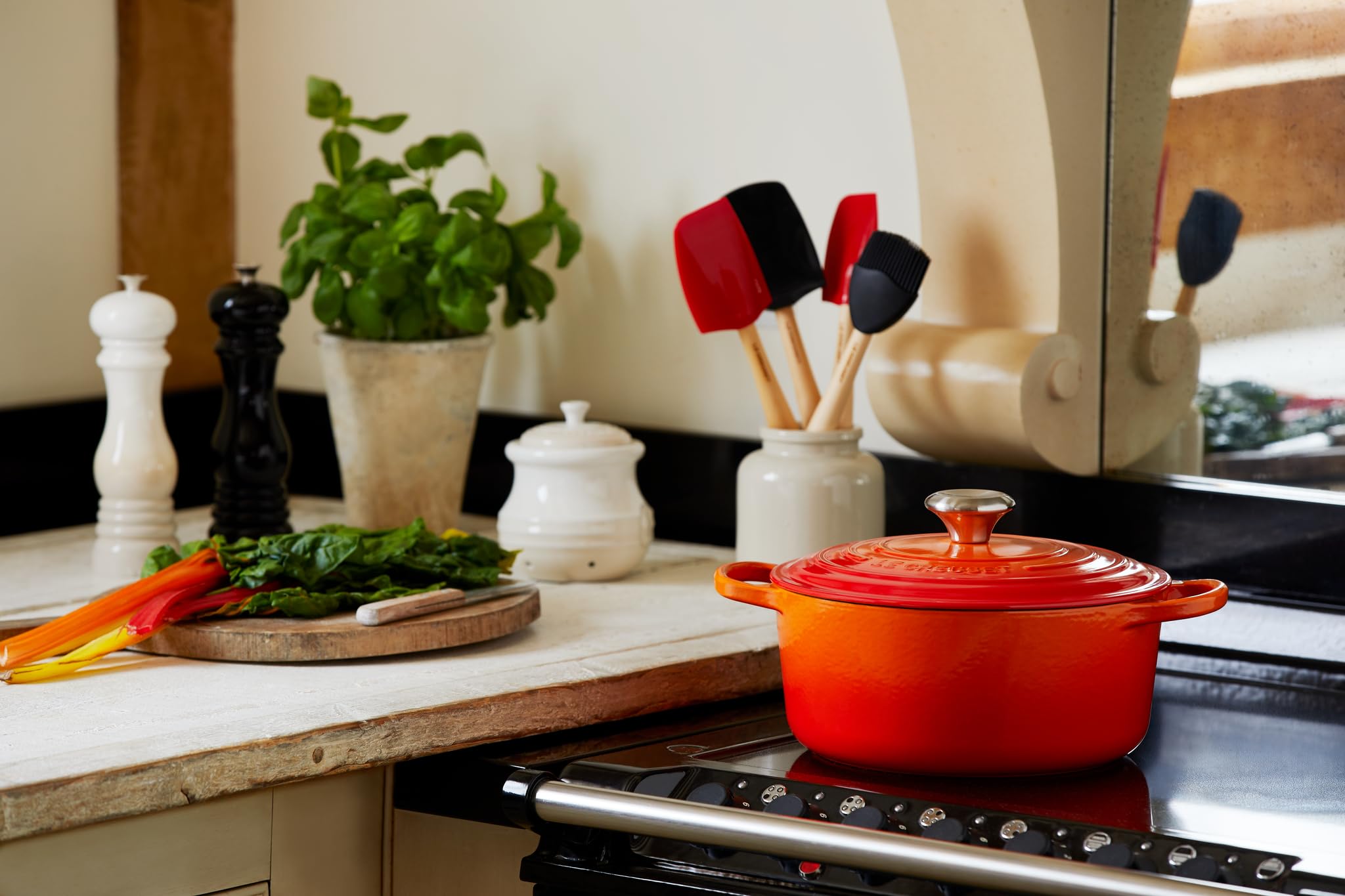
Quick Decision
Buy the Le Creuset 5.5-quart if you're a serious home cook who will use a Dutch oven weekly for braising, baking bread, or one-pot meals. Skip it if you're on a budget or only need occasional use; a Lodge or Tramontina will cover your needs for hundreds less.
Best if you...
- Braised meat and stew enthusiasts
- Sourdough and bread bakers
- Serious home cooks who cook 3-5 nights/week
Skip it if you...
- Budget-focused shoppers
- Older adults or those with wrist pain
- High-heat searing specialists
As you research your next cookware investment, you've probably seen the Le Creuset 5.5-Quart Round Dutch Oven everywhere, from Instagram reels to recipe blogs, and you might even have it saved on Amazon. This 5.5-quart model is the brand's most popular size, lauded by food editors and professional chefs alike. In this 2026 analysis, we'll give you a balanced assessment of its strengths and weaknesses, using manufacturer specifications, third-party testing from sources like Consumer Reports and Wirecutter, and patterns from verified buyer feedback.
We'll cover whether the premium price tag is really justified, how it performs for specific cooking tasks, and who should skip it entirely. We'll also compare it to the closest alternatives, including cheaper Lodges and the French rival Staub, and suggest key accessories that make it easier to use. By the end, you'll know if this is the right Dutch oven for your kitchen, or if your money is better spent elsewhere.
About the Le Creuset 5.5-Quart Round Dutch Oven
The Le Creuset 5.5-Quart Round Dutch Oven is a premium enameled cast iron pot with a sand-colored interior and a glossy exterior. It's designed for slow cooking, braising, frying, baking, and everyday one-pot meals for four to six people. Its target audience includes serious home cooks who want a lifetime-worthy pot that performs across stovetops and oven.
Key Specifications
- Colors
- Over 90
- Weight
- 11.8 lbs (5.35 kg)
- Capacity
- 5.5 quarts (5.2 L)
- Diameter
- 24 cm (9.4 inches)
- Material
- Enameled cast iron
- Warranty
- Limited lifetime
- Oven Safe
- 500°F (260°C)
- Induction Safe
- Yes
Overview
The Le Creuset brand has manufactured enameled cast iron cookware since 1925, and the 5.5-quart round Dutch oven is the cornerstone of the line. It's a heavy, porcelain-enameled cast iron pot that's built to move seamlessly from stovetop to oven. Unlike bare cast iron, it doesn't require seasoning, and the enamel interior is completely non-reactive, which means you can cook acidic ingredients like tomatoes and wine without any metallic taste.
This particular size is often called 'the sweet spot' because it fits the vast majority of household recipes. Whether it's a three-pound pot roast, a batch of chili, or a loaf of sourdough bread, 5.5 quarts gives you enough room without dominating your counter or oven. The pot is available in over 90 colors, which makes it as much a piece of kitchen décor as a cooking tool. You can buy it directly from Le Creuset or through marketplace sellers on Amazon, which frequently run sales that bring the price down from its $429.95 MSRP.
Pros
With the basics out of the way, let's parse why so many cooks consider this pot a non-negotiable upgrade. These are the areas where the Le Creuset genuinely excels compared to cheaper enameled cookware.
Superb Heat Retention and Even Cooking
Cast iron is prized for its ability to absorb and hold heat, and the Le Creuset's thick cast core is no exception. Manufacturer specs highlight even heat distribution, which means your stews, curries, and braises are less likely to stick or scorch at the bottom. When you're simmering for hours, the heat sinks into the walls and stays constant, even when you open the lid frequently.
In practice, that translates to perfectly tender pot roasts and sauces that don't burn while you multitask. Third-party testing from America's Test Kitchen has noted that enameled cast iron pots from both Le Creuset and Staub outperform lighter stainless steel and ceramic cookware in slow-cooking tasks. The 5.5-quart size offers enough mass to maintain temperature even when adding cold liquid or vegetables. For a batch of braised short ribs, you'll see a clear difference.
Non-Reactive Enamel That Requires No Seasoning
The thick glass-like enamel coating over the cast iron is a major advantage in terms of maintenance. Unlike bare cast iron, there's no need to season the pot or worry about rust after washing. You can simmer a tomato-based marinara for an hour, and the pot won't taste like iron or go grey. The enamel is smooth, so food releases easily and cleaning is far simpler than with bare iron.
You also get the reassurance that the coating is safe for regular use: Le Creuset's enamel is formulated without lead and cadmium, and it resists staining and scratching better than cheaper competitors. While it's not invincible (more on that later), the surface stays looking new for years if you follow care instructions. It's designed to withstand the rigors of daily cooking.
Stovetop-to-Oven Versatility, Up to 500°F
A single pot that works on every cooking surface is a huge advantage. The Le Creuset 5.5-quart is compatible with gas, electric, induction, and ceramic cooktops, so it won't become obsolete with a new kitchen. Even better, the pot and lid can go directly into an oven preheated to 500°F (260°C), which makes it perfect for baking sourdough bread at high heat or finishing a braised dish in the oven. This one-pot design cuts down on dishes and opens up recipes that require both searing and slow roasting.
The tight-fitting lid traps moisture and flavors, and the stainless steel knob on modern production models is also oven-safe to 500°F. That's a significant advantage over some older or cheaper pots, where the knob needs to be removed above 375°F. The size fits comfortably in most standard home ovens.
The Ideal 5.5-Quart Capacity for Most Families
Why is 5.5 quarts the celebrated size? Because it's generously sized for recipes serving four to six, without requiring a huge storage space. It can hold a roughly six-pound chicken or a three-bone pot roast, and there's enough surface area to brown multiple beef cubes in batches. For most dinner-sized recipes, you won't need to worry about boiling over or crowding pieces.
This capacity also makes it a personal sweet spot for meal prep. You can easily double a soup recipe for leftovers, or bake two pound loaves of bread (though they might be snug). Le Creuset's own product line positions this as their most popular size, and it's the one they recommend if you're buying only one oven. That aligns with many cookbook authors using it as their default.
Huge Variety of Colors and a Strong Warranty
Le Creuset has been smart about marketing, and it shows in the vast color selection. With more than 90 shades—from Classic Flame orange to Marseille blue—you can pick a piece that enhances your kitchen's décor. It's not just a purchase; it's something you can leave on the stove as a centerpiece, and many owners treat it as heirloom cookware.
Additionally, Le Creuset backs its products with a limited lifetime warranty against manufacturing defects. That warranty doesn't cover chips from accidental drops (though in practice some owners report replacements), but it does signal the brand's commitment to durability. Very few pots in this category come with this level of assurance, and the resale value of a gently used Le Creuset remains high—another sign of its longevity.
Cons
The Le Creuset 5.5-quart isn't perfect, and its shortcomings matter more for some than others.
Steep Price – Roughly 5x the Cost of Budget Enameled Cast Iron
There's no sugarcoating: at around $400 for the 5.5-quart, the Le Creuset is a luxury cookware item. A Lodge 6-quart enameled cast iron Dutch oven from Amazon sells for around $75, meaning you pay more than five times as much for the Le Creuset name. Even respected mid-range brands like Cuisinart and Tramontina can be found for $100 to $150. For many home cooks, that difference could instead buy a whole set of pots and pans.
The higher cost is based on production quality, color range, and brand reputation, but it's still a fact that the physical cooking performance for braising and stewing isn't dramatically better than cheaper enameled cast iron. If you're on a tight budget, this pot will break the bank and you will not regret a less expensive option.
It Weighs 11.8 Pounds – Harder to Handle
Cast iron is heavy, and the 5.5-quart is no exception. An empty pot weighs about 11.8 pounds (5.35 kg). When filled with a stew and liquid, it can easily weigh 20+ pounds. That's cumbersome to lift off the stove, pour from, or transfer from the oven to the counter. For cooks with wrist or back problems, or older adults, this can be a physical barrier.
You need to be especially careful when moving it with one hand while using the other to stir. There are ergonomic handles on either side, but they're relatively small and your hand may have a tight grip. If you're looking for light, easy-to-handle cookware, this isn't it. Bare cast iron and some lightweight ceramic alternatives can be 2 to 4 pounds lighter.
Enamel Can Chip and Isn't Repairable
The enamel coating, while tough, is glass-based, so it can chip if you drop it or knock it against a hard surface. Metal utensils can also cause scratching over time, and repeated thermal shock (like moving from a hot stove to cold water) can crack the enamel. Once the enamel chipped, the exposed cast iron can rust, and the pot is generally no longer safe to cook with—which means the expensive purchase becomes unusable.
Le Creuset's warranty covers defects in manufacturing, not damage from accidental drops or daily wear and tear. If you're clumsy or tend to sling utensils, you'll need to be more careful. Many owners report chipping around the rim from repeated banging the lid, though that is often covered if it happens within a few years. Still, it's a real risk and the #1 cost to consider with any enameled pot.
Not Ideal for Extreme High-Heat Searing
While you can sauté and sear in a Le Creuset, the enamel surface sets a limit. The manufacturer recommends medium or medium-low heat and never preheating an empty pot on high. Enamel just isn't designed for the screaming-hot pan temps that a bare cast iron skillet can handle. Searing a steak at high heat can cause the enamel to discolor or, worse, crack under thermal stress.
This means you may not achieve the same level of Maillard reaction crust on meat in this pot as you would with a dedicated cast iron skillet. You'll need to sear in batches and let the pan come to temperature. But for braising—where you sear then add liquid—you can still get a good brown crust at medium heat. The tradeoff is acceptable for most, but heat purists will miss the lighter cast iron pan.
Light-Colored Interior Stains Easily
The interior enamel of the Le Creuset is a light sand color that beautifully displays the foods as they cook. However, that light surface is also a magnet for yellowish stains from turmeric, curries, tomato sauces, and oil. Over time, the bottom of the pot might develop a cooked-in beige or brown patina that, while harmless, looks less pristine than the day you bought it.
Le Creuset's official advice includes cleaning with a mild abrasive or baking soda paste, and it's true that you can get most stains off with effort. But it's still extra maintenance compared to dark-enameled options like Staub, which deliberately hides stains. If you're a perfectionist who wants a spotless pot after every use, the light interior of the Le Creuset can be a petty annoyance.
👍 Who It's For
The Le Creuset 5.5-quart is made for dedicated home cooks who see cookware as a long-term investment. It's ideal for braising enthusiasts who make short ribs, coq au vin, and slow-cooked tomato sauces regularly. Because of its size and heat retention, it's also a favorite for sourdough bakers who need a pot that can preheat to 500°F and then trap steam to form a perfect crust. Furthermore, the beautiful exterior makes it a piece of kitchen design, so if you like leaving colorful pots on the stovetop, there's no better candidate.
It also appeals to gift-buyers—the 5.5-quart is the go-to housewarming or wedding present for a friend who loves to cook. The lifetime warranty gives peace of mind, and the pot will survive decades of regular use if treated properly. The large 5.5-quart size is also forgiving: it can cook small portions without issue, though you'll want to keep the heat lower to avoid scorching.
👎 Who Should Avoid
Skip the Le Creuset if you're on a budget. The performance gap between a $75 Lodge and the $400 Le Creuset is narrow for most home-cooked meals, and you can buy several other pieces of cookware for the price difference. The 11.8-pound weight also makes it ill-suited for anyone with arthritis, wrist pain, or difficulty lifting heavy objects into and out of the oven. Similarly, if you do a lot of high-heat searing or prefer to use metal utensils aggressively, a bare cast iron skillet or a stainless steel pot would be more forgiving.
Finally, households that cook for fewer than two people unless they specifically want leftovers won't need a 5.5-quart capacity; a 3.5-quart pot would be lighter and easier to manage. The Le Creuset is not a smart purchase for people who prefer cheap, replaceable cookware or who don't want to worry about chipping the enamel finish.
See today's Le Creuset 5.5-Quart Round Dutch Oven price and available configurations on Amazon.
🛒 Buy on AmazonAs an Amazon Associate we earn from qualifying purchases.
Alternatives to Consider
| Product | Choose Le Creuset 5.5-Quart Round Dutch Oven if... | Choose the alternative if... |
|---|---|---|
| Staub 5.5 Quart Round CocotteSimilar price, usually $400-$500 | You prefer a light-colored interior to monitor browning during cooking and want a wider palette of glossy colors. | You want a dark interior that hides stains and a self-basting spike lid to keep meat moist. |
| Lodge 6-Quart Enameled Cast Iron Dutch Oven$325+ more expensive than Lodge | You value brand cachet, a huge color selection, and a limited lifetime warranty. | You want a functional enameled cast iron pot for about $75 and don't care about color options. |
| Tramontina 6.5-Quart Enameled Cast Iron Dutch OvenAbout $250 more expensive than Tramontina | You want a solid mid-range pot with a similar look and are willing to pay less than half the Le Creuset price. | You want a slightly larger 6.5-quart capacity and steel handles and are okay with a more limited warranty. |
If you're looking at the 5.5-quart size, there are three main alternatives to consider. The Staub is the most direct premium rival, offering a similar price and even heavier pot, but with a dark enamel interior and a self-basting lid. Lodge is the budget champion, and for around $75 you get an enameled cast iron pot with most of the same cooking performance. In the middle ground, Tramontina and Cuisinart offer comparable build quality for half the Le Creuset price.
Each of these alternatives solves a different problem: Staub hides stains and adds self-basting functionality, Lodge lets you own a great Dutch oven without spending hundreds, and Tramontina/Cuisinart give you a balance of price and performance. The Le Creuset differentiates itself with its color range and the light interior that makes browning visible, but that’s only meaningful if you value those specifics.
Is it worth the price?
At approximately $400, the Le Creuset is worth it only for dedicated cooks who view it as a lifetime investment and will use it several times a week. The $75 Lodge performs nearly as well for most cooking tasks, so the premium is mostly about aesthetics and brand heritage. If you truly love the colors, the warranty, and the browning visibility, then yes, it's worth the money; otherwise, a mid-range enameled pot under $150 is the smarter buy.
📝 Bottom Line
The Le Creuset 5.5-quart Round Dutch Oven is the right choice for cookware enthusiasts who plan to braise, slow-cook, and bake sourdough regularly, and who want a beautiful pot that lasts generations. Its superior heat retention, non-reactive enamel, and 500°F oven safety make it an extremely versatile workhorse for the kitchen. If you can accept the heavy weight and the care required to protect the enamel, you'll get decades of use out of it.
The biggest concern is the price: at roughly $400, it’s about five times the cost of a Lodge, and that premium is primarily for the brand, colors, and finish, rather than raw cooking performance. You'll have to weigh whether that extra $325 is worth the intangible satisfaction of owning a Le Creuset. For many cooks, it absolutely is; for others, it's a luxury they simply don't need.
So, should you buy it? If you have the budget and the physical ability to lift it, and you cook meals that truly benefit from a full Dutch oven, then yes. If not, a Lodge, Tramontina, or even Staub depending on your priorities will serve you well. In the end, the Le Creuset is a fantastic piece of cookware when you know what you’re paying for. Buy it for that purpose, and you won’t be disappointed.
Check current Le Creuset 5.5-Quart Round Dutch Oven availability and bundle options on Amazon.
🛒 Buy on AmazonAs an Amazon Associate we earn from qualifying purchases.
Frequently Asked Questions
Quick Summary
Key Pros
- ✓Superb heat retention and even cooking for stews and braises
- ✓Non-reactive enamel coating that requires no seasoning
- ✓Oven-safe to 500°F with stovetop-to-oven versatility on all cooktops
- ✓Versatile 5.5-quart capacity ideal for 4-6 servings
- ✓Over 90 color options and a limited lifetime warranty
Key Cons
- ✗High price, around $400, which is 5x more than Lodge
- ✗Heavy at 11.8 lbs, hard to lift especially when full
- ✗Enamel can chip and is not repairable
- ✗Not ideal for high-heat searing
- ✗Light-colored enamel interior shows stains easily
Ratings
Best For
- →Braised meat and stew enthusiasts
- →Sourdough and bread bakers
- →Serious home cooks who cook 3-5 nights/week
- →People who want cookware that lasts a lifetime