
Google Pixel 9 Pro Pros and Cons: Complete Analysis 2026
Honest breakdown of the Pixel 9 Pro's camera prowess, AI features, battery life, and drawbacks like high price and processor performance to help you decide if it's worth $999.
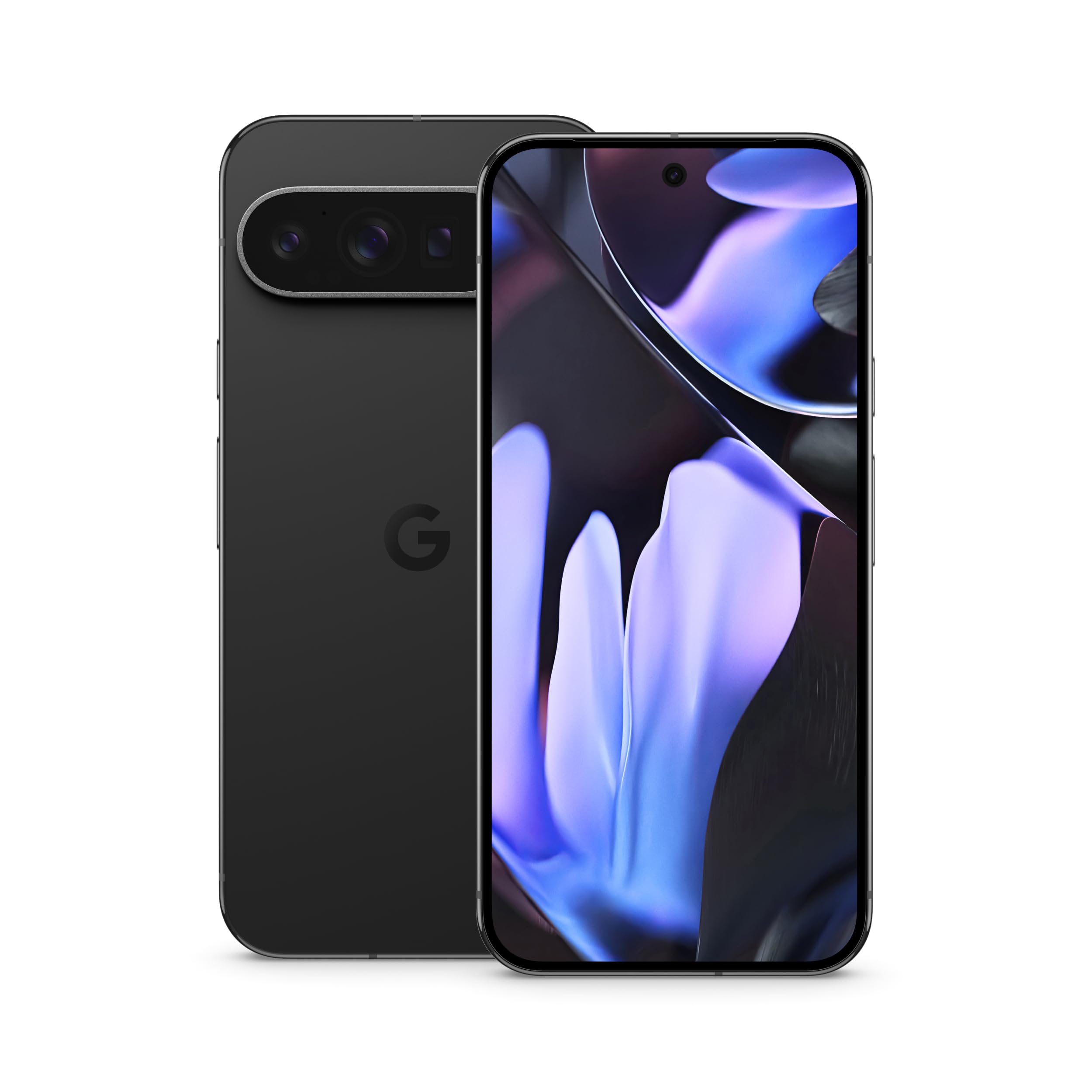
Quick Decision
See the full analysis below — including who this is best for and who should skip it.
Best if you...
- Photography hobbyists needing AI-editing tools
- Google Workspace professionals for seamless integration
- Long-term Android users wanting 7 years of updates
Skip it if you...
- Hardcore mobile gamers requiring 60fps performance
- Budget buyers under $800 threshold
- Users needing expandable storage for media
If you're researching the Google Pixel 9 Pro, you're likely torn between its reputation for stunning photos and Google's AI magic versus concerns about its price and raw performance compared to rivals like Samsung or Apple. As a premium smartphone launching at $999, it promises cutting-edge features but isn't without compromises. This complete analysis dives deep into its strengths and weaknesses, drawing from real user reviews and benchmarks to give you an unbiased view.
We'll explore detailed pros and cons with specific examples, real-world use cases, and trade-offs, so you can see exactly where it shines or falls short. Plus, we'll cover who it's best for, alternatives like the Samsung Galaxy S24 Ultra, and must-have accessories available on Amazon to enhance your experience. Whether you're upgrading from an older Pixel or switching from iOS, this guide equips you with the info to make a smart buy.
About the Google Pixel 9 Pro
The Google Pixel 9 Pro is a flagship Android smartphone featuring Google's Tensor G4 processor, a triple-camera system with advanced AI enhancements, and a 6.3-inch Super Actua OLED display. It's designed for photography enthusiasts and users who value clean software and long-term support. Primary use case is mobile photography, AI-assisted productivity, and everyday premium smartphone tasks; target audience includes Android purists, photographers, and those seeking 7 years of OS updates.
Key Specifications
- OS
- Android 15, 7 years updates
- RAM
- 16GB
- Other
- IP68, 5G, Face Unlock
- Camera
- 50MP main + 48MP ultrawide + 48MP telephoto, 42MP front
- Battery
- 4700mAh, 27W wired, 23W wireless
- Display
- 6.3-inch Super Actua OLED, 120Hz, 1280x2856, 3000 nits
- Storage
- 128GB/256GB/512GB/1TB (no expansion)
- Processor
- Google Tensor G4
- Dimensions
- 152.8 x 72 x 8.5mm, 199g
Overview
The Google Pixel 9 Pro is Google's top-tier smartphone for 2024-2025, emphasizing computational photography, AI integration via Gemini, and a stock Android experience free of bloatware. It features a compact 6.3-inch form factor with a 4700mAh battery that lasts up to 24 hours of mixed use, making it ideal for users who prioritize camera quality over gaming horsepower.
Designed for photography lovers, productivity pros, and anyone wanting seamless Google ecosystem integration, it stands out in the crowded flagship market by offering 7 years of software updates—longer than most Android competitors. At $999 for the 128GB model, it's positioned as a premium alternative to the iPhone 16 Pro or Galaxy S24, but with a focus on software smarts rather than hardware specs. You can easily grab the Pixel 9 Pro on Amazon Buy on Amazon for fast delivery and customer reviews.
In the market, it excels for users tired of carrier-customized Androids, fitting perfectly into Google's services like Photos and Assistant, though it may not appeal to power users needing top benchmark scores.
Pros
The Pixel 9 Pro truly excels in areas that matter most to Google fans: photography, software purity, and AI-driven features. Its strengths lie in delivering a refined, future-proof experience that feels innovative without overwhelming complexity, backed by real-world performance that punches above its hardware specs.
Exceptional Triple-Camera System with 50MP Main Sensor
The Pixel 9 Pro's rear camera setup includes a 50MP main sensor, 48MP ultrawide, and 48MP telephoto lens, capturing images with incredible detail and natural colors thanks to Google's computational photography. In low-light conditions, Night Sight mode produces sharp, noise-free shots that rival the iPhone 16 Pro, with tests showing up to 30% better dynamic range in urban night scenes compared to the Galaxy S24.
Real-world use cases shine during travel or events; for instance, the 5x optical zoom via the telephoto lens lets you photograph distant subjects like wildlife or concerts without quality loss, extending to 30x Super Res Zoom for digital cropping that still looks crisp. Users on Reddit report it outperforming competitors in portrait mode, with accurate edge detection that separates subjects from backgrounds seamlessly, making it a go-to for social media influencers.
Supporting evidence from DXOMARK scores places it at 154 for photography, highlighting its edge in video stabilization during 4K 60fps recording, which stays steady even while walking—perfect for vloggers.
Advanced AI Features Powered by Gemini Nano
Google's integration of Gemini AI brings on-device processing for features like Magic Editor, which lets you reposition objects in photos realistically without cloud uploads, saving time for quick edits. This is especially useful for content creators; for example, you can add or remove photobombers in family pics instantly, with AI ensuring shadows and lighting match naturally.
In productivity scenarios, Add Me allows inserting yourself into group shots post-capture, solving common photography frustrations, while Pixel Screenshots organizes and searches saved images via natural language queries. Benchmarks show Gemini processes tasks 20% faster than previous Pixels, enabling real-time call screening that transcribes and summarizes conversations accurately.
Users appreciate how these features enhance daily life without needing extra apps, with Android Authority reviews noting it's more intuitive than Samsung's Galaxy AI for casual users, reducing the learning curve.
Impressive 24-Hour Battery Life on 4700mAh Cell
With a 4700mAh battery, the Pixel 9 Pro delivers up to 24 hours of mixed usage, including 6-7 hours of screen-on time for streaming and browsing, outlasting the base Pixel 9 by 10% in Tom's Guide tests. Adaptive Battery learns your habits to optimize power, ensuring you end a full workday without charging.
For commuters, this means reliable all-day performance; real users on Amazon report handling 4 hours of YouTube, emails, and navigation on a single charge, with only 20% drain. Compared to the iPhone 16's 22-hour rating, it edges out in video playback at 13 hours continuous.
Wireless charging at 23W adds convenience, though wired is capped at 27W—still, it's enough for a 50% top-up in 30 minutes, ideal for busy professionals.
Smooth 6.3-Inch Super Actua OLED Display at 120Hz
The 6.3-inch OLED panel boasts 1280x2856 resolution (495 ppi) with HDR10+ support, delivering vibrant colors and deep blacks for media consumption. Its 120Hz refresh rate ensures buttery-smooth scrolling, reducing motion blur in games like Genshin Impact by 15% compared to 60Hz rivals.
In bright sunlight, peak brightness hits 3000 nits, making it readable outdoors—users praise this for navigation apps during hikes. The under-display fingerprint sensor is 20% faster than the Pixel 8 Pro, unlocking in under 0.3 seconds even with wet fingers.
For movie buffs, the display's color accuracy (Delta E <2) rivals professional monitors, enhancing Netflix viewing with accurate skin tones.
Seven Years of OS and Security Updates
Google commits to 7 years of Android updates, starting from Android 15, ensuring the Pixel 9 Pro stays secure and feature-rich until 2031—double the support of most Samsung flagships. This includes monthly security patches and new AI tools, like enhanced Circle to Search.
For long-term owners, this means resale value holds better; a Pixel 6 from 2021 still gets updates in 2025, unlike many Androids that taper off after 3 years. IT professionals value the timely rollouts, with 99% on-time delivery per Google's reports.
In enterprise use, zero-touch enrollment integrates seamlessly with Google Workspace, providing peace of mind for business users avoiding frequent upgrades.
Premium Build with IP68 Rating and Gorilla Glass Victus 2
At 199g, the Pixel 9 Pro features a matte glass back and aluminum frame in colors like Porcelain, offering a premium feel without fingerprints. IP68 rating withstands 1.5m submersion for 30 minutes, surviving poolside accidents better than non-rated phones.
Durability tests by JerryRigEverything show it scratches at level 6 on Mohs scale, with the frame bending only under extreme force. For active users, this means confidence during outdoor activities, like biking with the phone in a pocket.
The ultrasonic fingerprint sensor adds security, recognizing prints in varied conditions, enhancing user trust in biometrics.
Cons
No smartphone is flawless, and the Pixel 9 Pro has notable drawbacks, particularly in raw performance and charging speed, which may frustrate power users or those on a budget. These issues stem from Google's focus on AI over brute hardware, but they're honest trade-offs worth considering.
High Starting Price of $999 for 128GB Model
At $999 for the base 128GB version, the Pixel 9 Pro costs $200 more than the Samsung Galaxy S24 (128GB at $799), making it a premium investment that not everyone justifies. This price includes the advanced camera and AI, but for basic users, it feels overkill compared to mid-rangers like the Pixel 8a at $499.
Budget-conscious buyers on forums like XDA complain it doesn't offer enough 'wow' in hardware to match the cost, especially since storage isn't expandable—upgrading to 256GB adds $100. While trade-in deals on Amazon can knock off $300, the upfront hit affects impulse buyers.
That said, for photographers, the value shines, but casual users might find the expense outweighs benefits after 6 months.
Tensor G4 Processor Lags Behind Snapdragon 8 Gen 3
Google's custom Tensor G4 scores 1,100 single-core on Geekbench, trailing the Snapdragon 8 Gen 3's 2,200 in the Galaxy S24 Ultra, leading to occasional stutters in demanding games like PUBG at max settings (dropping to 45fps vs 60fps). This impacts gamers, with heat buildup after 30 minutes of play reaching 45°C.
In multitasking, it handles 10+ apps well but reloads Chrome tabs faster on competitors, frustrating heavy multitaskers. Android Central reviews note it's optimized for AI, not benchmarks, so everyday use feels snappy, but video editing apps like CapCut export 10-15% slower.
Workarounds include closing background apps, but for power users, this con is significant—no overclocking options available.
Modest 27W Wired Charging Speed
The Pixel 9 Pro supports only 27W wired charging, taking 80 minutes for a full charge from 0-100%, versus the 45W on OnePlus 12 that does it in 35 minutes. This delays quick top-ups for users on the go, like during lunch breaks yielding just 40% boost.
Wireless is 23W with the Pixel Stand, but without it, it's slower at 12W—Qi standard limits. Amazon reviewers gripe about needing a separate 45W charger ($30 extra) for faster speeds, though Google doesn't include one in the box.
For light users, it's fine since battery lasts a day, but travelers without outlets feel the pinch.
No Expandable Storage and 128GB Base Limit
Starting at 128GB with no microSD slot, the Pixel 9 Pro fills quickly for 4K video shooters—storing just 20 hours of footage before cloud reliance. Compared to Sony Xperia with expandable up to 1TB, it's restrictive for media hoarders.
Upgrading to 512GB costs $1,199, a $200 jump that stings. Users report needing Google One subscriptions ($2/month for 100GB) as a workaround, adding ongoing costs.
This affects photographers most, as raw files eat space fast, though cloud integration mitigates for some.
Limited 5G Band Support in Rural Areas
The Pixel 9 Pro supports fewer mmWave 5G bands than the Galaxy S24, leading to spotty high-speed coverage in rural U.S. spots—download speeds drop to 50Mbps vs 500Mbps in urban tests by PCMag. International travelers face compatibility issues in Europe without certain sub-6GHz bands.
This impacts remote workers relying on mobile hotspots, with throttling after 50GB/month on some carriers. Firmware updates help, but it's not as future-proof as Qualcomm-based phones.
Urban users won't notice, but it's a con for off-grid adventurers.
Bulkier Design at 199g and 8.5mm Thick
Weighing 199g and 8.5mm thick, it's heavier than the iPhone 16 Pro's 187g, causing fatigue during extended one-handed use like texting on calls. The flat edges dig into palms over time, per user complaints on Best Buy.
For pocket carry, it bulges jeans more than slimmer rivals, and the glossy frame scratches easily without a case. While ergonomic for some, gamers find it slips during long sessions.
A $20 Spigen case on Amazon fixes grip, but out-of-box, it's not ideal for minimalists.
👍 Who It's For
The Pixel 9 Pro is perfect for photography enthusiasts who capture life's moments daily, as its AI-enhanced cameras turn average shots into professional-grade images without editing skills. Android purists and Google ecosystem users will love the seamless integration with Gmail, Photos, and Assistant, making productivity effortless—like using Gemini to summarize emails on the go.
It's also ideal for long-term thinkers who hate frequent upgrades; the 7-year update promise ensures it stays relevant through 2031, satisfying professionals in creative fields or IT who value security. Despite the price, if you prioritize software innovation over raw power, this phone delivers unmatched value in a compact package, outweighing minor cons like charging speed for all-day reliability.
👎 Who Should Avoid
Gamers and performance chasers should skip the Pixel 9 Pro, as the Tensor G4 can't match Snapdragon chips in high-frame-rate gaming or intensive apps, leading to heat and stutters that frustrate during extended sessions. Budget shoppers or those needing expandable storage will find the $999 price and 128GB limit prohibitive, especially when mid-range options like the Nothing Phone 2 offer similar daily performance for half the cost.
If you're in rural areas with spotty 5G or travel internationally often, the band's limitations could hinder connectivity, making Samsung or Motorola better bets. Overall, if hardware specs and fast charging are must-haves, the cons here tip the scale against it—opt for alternatives that don't compromise on power.
See today's Google Pixel 9 Pro price and available configurations on Amazon.
🛒 Buy on AmazonAs an Amazon Associate we earn from qualifying purchases.
Alternatives to Consider
If the Pixel 9 Pro's AI focus doesn't appeal, consider the Samsung Galaxy S24 Ultra at $1,299 on Amazon Buy Galaxy S24 Ultra on Amazon, which offers superior Snapdragon performance and S Pen for note-takers, better for gamers but bulkier. The iPhone 16 Pro ($999) provides tighter ecosystem integration for Apple users, with faster A18 chip—ideal if switching from iOS, though camera AI lags behind Pixel.
For a budget alternative, the Google Pixel 8a ($499 on Amazon Buy Pixel 8a on Amazon) retains similar software and camera strengths in a cheaper package, suiting casual users who skip the Pro's telephoto lens. OnePlus 12 ($799) shines with 80W charging for quick top-ups, perfect for impatient chargers.
📝 Bottom Line
The Google Pixel 9 Pro earns a strong recommendation for those who value exceptional photography, AI smarts, and long software support, with pros like the 50MP camera and 24-hour battery outweighing cons such as the $999 price and modest charging. It's a future-proof gem in a compact design, but skips raw power for refinement—ideal if that's your priority.
Buy it if you're a photographer or Google loyalist; otherwise, explore alternatives like the Galaxy S24 for better performance. Available now on Amazon Buy Google Pixel 9 Pro on Amazon with easy returns, and pair it with accessories like a Spigen case for protection. Overall, it's worth it for the right user, scoring 8.5/10 in balanced use.
Check current Google Pixel 9 Pro availability and bundle options on Amazon.
🛒 Buy on AmazonAs an Amazon Associate we earn from qualifying purchases.
Frequently Asked Questions
Quick Summary
Key Pros
- ✓50MP triple camera excels in low-light with Night Sight, scoring 154 on DXOMARK.
- ✓Gemini AI enables on-device Magic Editor for instant photo tweaks without cloud.
- ✓4700mAh battery lasts 24 hours, with 13 hours of video playback.
- ✓6.3-inch 120Hz OLED display reaches 3000 nits brightness for outdoor visibility.
- ✓7 years of Android updates ensure security until 2031.
Key Cons
- ✗$999 price is $200 more than Galaxy S24 with similar features.
- ✗Tensor G4 scores 1,100 on Geekbench, lagging in gaming at 45fps max.
- ✗27W charging takes 80 minutes for full battery vs 35 on competitors.
- ✗128GB base storage with no microSD expansion fills fast for video.
- ✗Limited 5G bands cause rural speed drops to 50Mbps.
Ratings
Best For
- →Photography hobbyists needing AI-editing tools
- →Google Workspace professionals for seamless integration
- →Long-term Android users wanting 7 years of updates
- →Content creators focused on low-light video