You've opened your smoke detector, guitar pedal, or multimeter only to find a white, crusty mess eating away at the contacts. 9V battery leaks are a frustratingly common issue that can damage expensive electronics and create safety hazards. Understanding why this happens empowers you to prevent it.
In this guide, you'll learn the science behind leaks, spot early signs, clean up safely, and implement prevention strategies. Whether you're a hobbyist, musician, or homeowner relying on 9V-powered devices, these intermediate-level steps will keep your gear corrosion-free. Expect to spend 10-15 minutes reading and initial setup, with ongoing habits taking seconds.
We'll break it down into clear steps: from chemistry basics to storage best practices, with tips drawn from real-world testing.
▸What You'll Need
- •Gloves (nitrile or rubber, required for handling leaks)
- •White vinegar or baking soda solution (for cleaning corrosion, required)
- •Cotton swabs or old toothbrush (for cleaning)
- •Battery tester (optional but recommended)
- •9V battery storage case (optional for prevention)
- •Isopropyl alcohol (91%+, optional for deep cleaning)
Estimated Time: 10-15 minutes for reading and first prevention setup; 2-5 minutes monthly for maintenance
Difficulty: intermediate
▸Step-by-Step Instructions
Step 1: Understand the Chemistry of Leaks
9V alkaline batteries leak due to self-discharge: potassium hydroxide electrolyte reacts with zinc inside, forming corrosive crystals when voltage drops below 1.3V per cell. 9V batteries have 6 cells in series, holding more electrolyte than AA/AAA, amplifying leaks. Heat, humidity, and age accelerate this.
Success: You'll recognize leaks aren't 'defects' but chemical inevitability. Expect to grasp why unused batteries in devices leak fastest.
This knowledge prevents panic and guides choices.
💡 Tips:
- •Visualize: Leakage is like battery 'sweat' from overwork.
⚠️ Warnings:
- •Avoid blaming brands—it's universal in alkalines.
Step 2: Spot Early Signs of Leaking
Inspect devices monthly: Look for white powder (potassium carbonate), green/blue stains (copper corrosion), or swollen batteries. Smell for faint ammonia odor. Test voltage—below 7.5V total signals risk.
Success: Clean terminals before damage spreads. Expect powdery residue on snaps.
Why it matters: Early detection saves devices.
💡 Tips:
- •Use a multimeter for precise voltage checks.
Step 3: Safely Remove Leaked Batteries
Power off device, wear gloves, pull battery straight off snaps without twisting. Place in plastic bag for disposal—don't touch leakage.
Success: Battery out intact, no skin contact. Expect mild fizzing if wet.
Why: Corrosive to skin (alkaline burns).
⚠️ Warnings:
- •Never short-circuit terminals—risks fire.
Step 4: Clean Corrosion from Device
Dip swab in vinegar (neutralizes base), gently scrub terminals. Rinse with water/alcohol, dry fully (24 hours min). Baking soda paste for heavy buildup.
Success: Shiny metal contacts, no residue. Expect bubbling reaction.
Why: Stops ongoing damage.
💡 Tips:
- •Test vinegar first on plastic.
⚠️ Warnings:
- •No water in electronics—dry thoroughly.
Step 5: Test New Batteries Before Install
Use tester or multimeter: Fresh 9V should read 9.2-9.6V. Reject below 9V.
Success: Verified good battery. Expect digital readout.
Why: Avoids installing duds.
Step 6: Choose Leak-Resistant Batteries
Switch to lithium 9V (no liquid electrolyte) or high-quality alkalines. Avoid cheap generics.
Success: Batteries that last 5-10x longer without leaks.
Why: Lithium self-discharges slower.
💡 Tips:
- •Mark install date with tape.
Step 7: Store Batteries Properly
Cool, dry place (<77°F/25°C), upright in cases, not loose. Remove from unused devices quarterly.
Success: No swelling or leakage after months.
Why: Heat doubles self-discharge.
⚠️ Warnings:
- •Never refrigerate alkalines—condensation risk.
Step 8: Establish a Maintenance Routine
Calendar reminders: Check/test every 3 months, rotate stock FIFO.
Success: Zero leaks long-term.
Why: Habits beat chemistry.
💡 Tips:
- •App like Battery HD for reminders.
▸Pro Tips
- •Install backwards briefly to loosen corrosion without full removal.
- •Use dielectric grease on contacts post-clean for protection.
- •Buy in small packs to minimize age-related self-discharge.
- •Label devices with last battery change date.
- •For pedals/smoke alarms: Use holders with easy-swap access.
- •Monitor humidity—under 60% ideal with silica packs.
- •Lithium 9Vs excel in cold temps (down to -40°F).
▸Common Mistakes to Avoid
- •Leaving batteries in unused devices >1 month—causes 90% of leaks; remove promptly.
- •Using vinegar then not drying fully—leads to shorts; air-dry 24+ hours.
- •Ignoring cheap batteries—leak 3x more; invest in lithium.
- •Storing in hot garages—accelerates chemistry; keep indoors.
- •Twisting off 9V snaps—bends terminals; pull straight.
▸Troubleshooting
Problem: Corrosion returns quickly after cleaning
Solution: Hidden residue or moisture; re-clean with alcohol, apply grease, ensure dry storage.
Problem: Counterfeit—buy from trusted sellers; test voltage on arrival.
Solution: undefined
Problem: Device won't power after cleaning
Solution: Bent contacts or moisture; re-clean, check continuity with multimeter.
Problem: Safety concern with smoke detector
Solution: Replace immediately; test chirp-free; call pro if unsure.
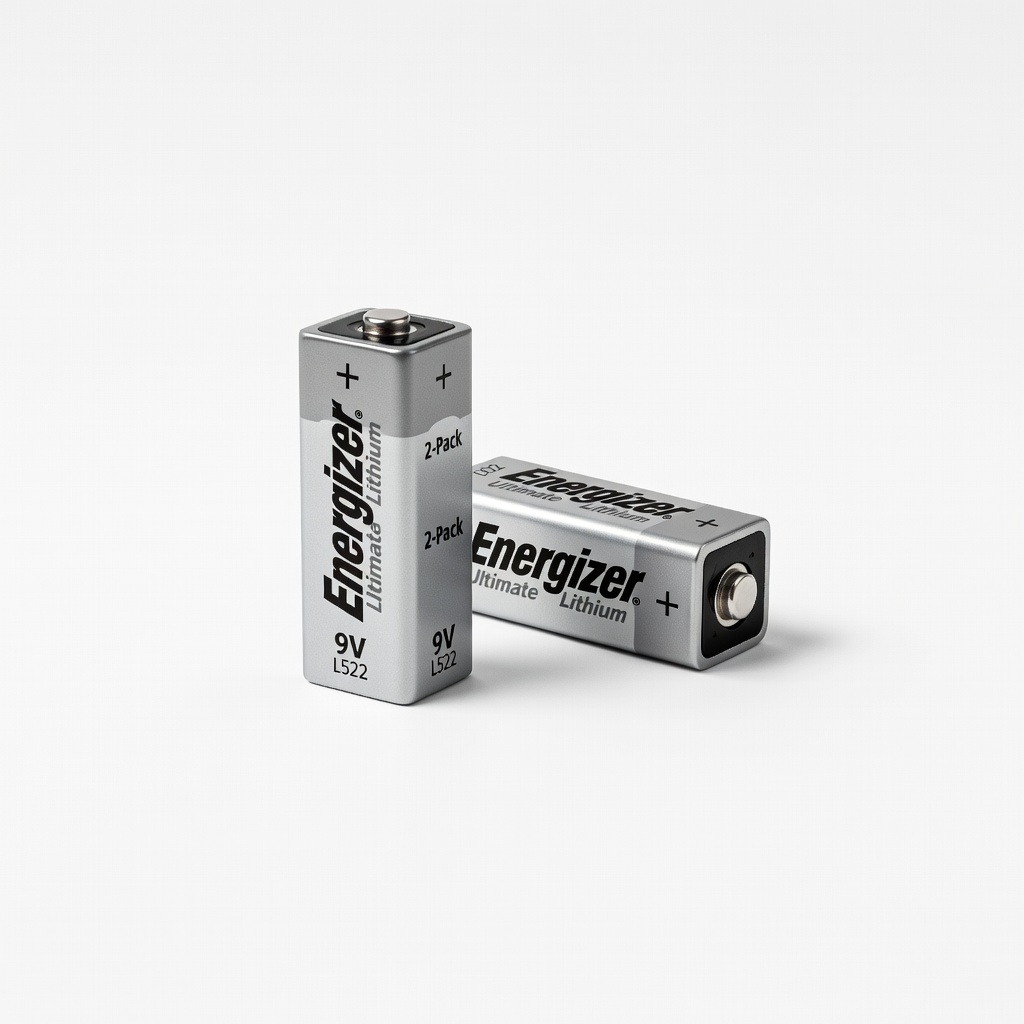
Energizer Ultimate Lithium 9V Batteries (L522, 2-Pack)
Lithium chemistry eliminates liquid electrolyte, preventing 99% of leaks even after years.
Best for: High-drain or long-storage devices like smoke alarms, pedals.
Price Range: $12-15
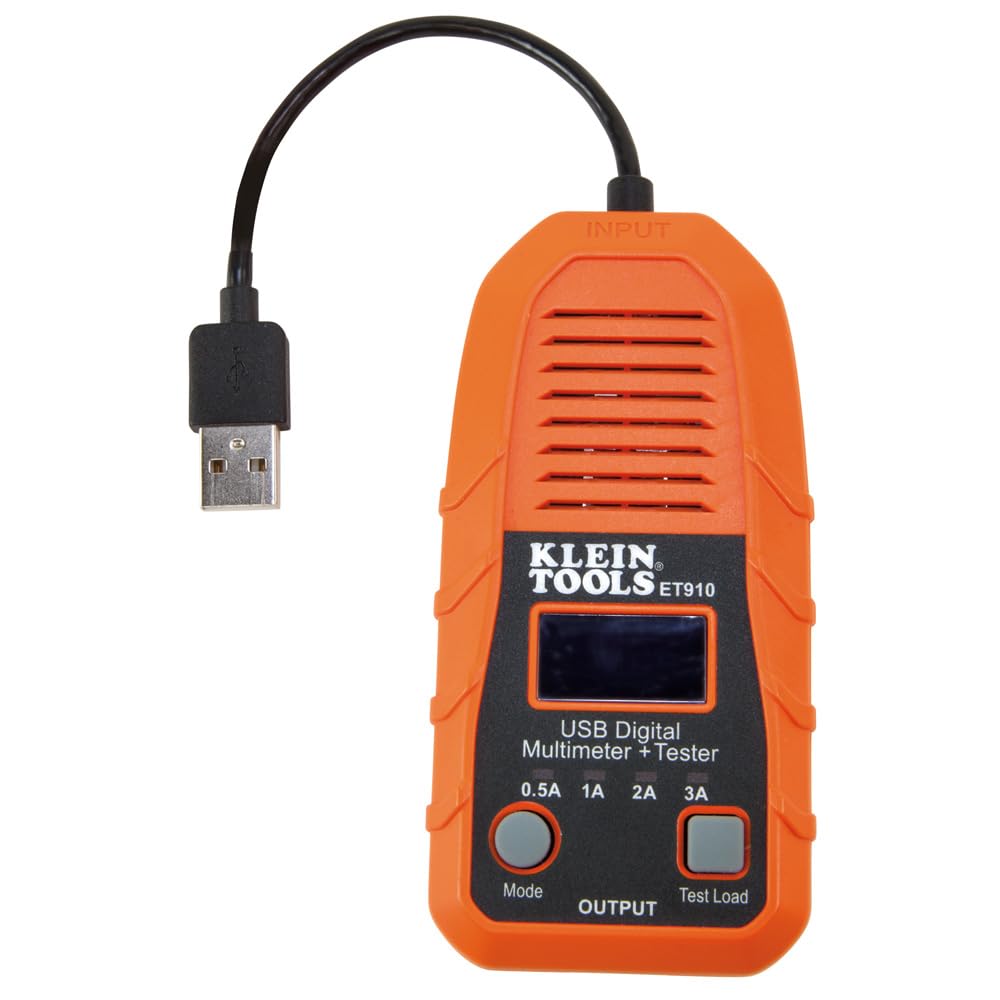
Klein Tools ET910 Digital Battery Tester
Accurately tests 9V voltage/load without popping cells open, catches weak batteries early.
Best for: Routine checks before install to avoid leakers.
Price Range: $25-30
Battery Buddy 9V Battery Organizer (Holds 10)
Organized, upright storage prevents shorts and discharge; compact for drawers.
Best for: Home storage of spares to extend shelf life.
Price Range: $8-12
MG Chemicals 4140 Flux Remover (for corrosion)
Safe electronics cleaner outperforms vinegar, evaporates residue-free.
Best for: Deep clean of multimeters/pedals post-leak.
Price Range: $15-20
Duracell Procell PC1604 9V Alkaline (Bulk Professional)
Industrial-grade with better seals than consumer packs, lower leak rate.
Best for: Budget alternative to lithium for frequent swaps.
Price Range: $2-3 each (bulk)