You've probably heard that annoying chirp from your smoke detector at 2 AM, signaling yet another dead 9V battery. Replacing them every few months gets frustrating and expensive. This guide explains exactly why 9V batteries fail so quickly in smoke detectors compared to other devices like remotes or toys.
You'll learn the electrical science, power demands of detectors, and environmental factors at play. By the end, you'll know how to test, choose better batteries, and extend life without fancy tools. This is a quick read—no disassembly required.
Expect to spend 5-10 minutes gaining knowledge that saves you time and money on replacements. Perfect for homeowners tired of false alarms and frequent battery swaps.
▸What You'll Need
- •A working smoke detector (for hands-on testing)
- •Fresh 9V batteries (alkaline and lithium for comparison)
- •Optional: Multimeter or battery tester (borrow if needed)
Estimated Time: 5-10 minutes
Difficulty: beginner
▸Step-by-Step Instructions
Step 1: Understand 9V Battery Basics
9V batteries, often rectangular with snap connectors, are typically alkaline (like Duracell or Energizer) or lithium types. Alkalines provide steady power for low-drain devices but struggle with intermittent high demands.
Inside, they use zinc and manganese dioxide chemistry, delivering 1.5V per cell (six cells in series for 9V). Capacity is around 500-600 mAh, but real-world life depends on usage—not continuous draw.
Why it matters here: Smoke detectors don't sip power steadily; they pulse it, exposing alkaline weaknesses.
💡 Tips:
- •Label batteries with install date using tape for tracking.
Step 2: Learn How Smoke Detectors Use Power
Smoke detectors constantly monitor air for smoke particles via ionization (americium source) or photoelectric sensors, drawing tiny standby current: 10-50 microamps (μA).
They also have horns, LEDs, and circuits that activate only during alarms. The real killer? No constant high draw, but why do batteries die fast?
Key insight: It's not always smoke—daily operations mimic high-drain scenarios.
⚠️ Warnings:
- •Never disable detectors to 'save' batteries; safety first.
Step 3: Discover Self-Test Cycles
Modern smoke detectors (post-2010 standards) run automatic self-tests every 30-60 seconds. This briefly powers the horn, LED, and sensor at 50-200 mA for 10-20 ms—high pulses on a low-drain circuit.
Alkaline 9Vs hate this: internal resistance causes voltage to sag during pulses (from 9V to 6V), triggering early low-battery chirps.
Analogy: Like sprinting every minute—alkalines fatigue fast; lithium batteries recover better.
💡 Tips:
- •Self-tests are mandated by UL 217 for reliability—don't bypass.
Step 4: Break Down Standby Drain
Even idle, detectors leak 20-50 μA continuously. Over a year (8,760 hours), that's ~175-440 mAh—most of a 9V's capacity.
Add humidity or dust buildup increasing current, and drain accelerates.
Real-world: A quality alkaline lasts 6-12 months; cheap ones 2-4 months.
Step 5: See Why Alarms Accelerate Drain
Full alarm? Horn blasts at 85 dB, drawing 100-500 mA for minutes. Rare, but frequent false alarms (dust, insects) kill batteries overnight.
Detectors chirp low battery at ~7.5V under load, not open-circuit voltage—explains 'sudden' deaths.
Test it: Swap in fresh battery; chirp stops if contacts clean.
⚠️ Warnings:
- •False alarms? Clean vents first, not replace battery.
Step 6: Factor in Environment and Quality
Cold temps (<50°F) halve capacity; heat speeds chemistry. Poor contacts corrode, spiking resistance.
Cheap no-name batteries lack quality seals, draining 2x faster.
Pro fact: Lithium 9Vs (e.g., Energizer Ultimate) have 1/3 resistance, lasting 5-10 years.
💡 Tips:
- •Store spares at room temp; test quarterly.
Step 7: Apply Fixes for Longer Life
Switch to lithium 9Vs, clean terminals yearly with alcohol, place away from kitchens/bathrooms.
Upgrade to 10-year sealed lithium detectors.
Result: Cut replacements by 70%—peace of mind.
▸Pro Tips
- •Install batteries on the 1st—easier to remember yearly changes.
- •Use lithium primaries for detectors; save alkalines for clocks.
- •Press test button monthly to verify life proactively.
- •Rub terminals with pencil eraser for better contact.
- •Group detectors centrally to minimize wiring if hardwired.
- •Buy in bulk during sales; lithium holds shelf life 10+ years.
- •Log chirp dates to predict patterns per unit.
▸Common Mistakes to Avoid
- •Ignoring chirps until alarm fails—replace within 1 week.
- •Using rechargeable NiMH 9Vs—they lack voltage under pulse load.
- •Overlooking corrosion—causes 30% of 'dead' batteries.
- •Placing near heat/humidity—halves life.
- •Buying dollar-store batteries—poor quality spikes drain.
▸Troubleshooting
Problem: Chirp despite new battery
Solution: Clean contacts with isopropyl alcohol; check for loose fit. Test voltage under load.
Problem: Battery dies in 1-2 months
Solution: Switch to lithium; inspect for insects/dust causing false tests.
Problem: No chirp but no test tone
Solution: Replace anyway—silent failure risk. Call electrician if hardwired.
Problem: Extreme temp issues
Solution: Relocate detector; use lithium rated -40°F to 140°F.
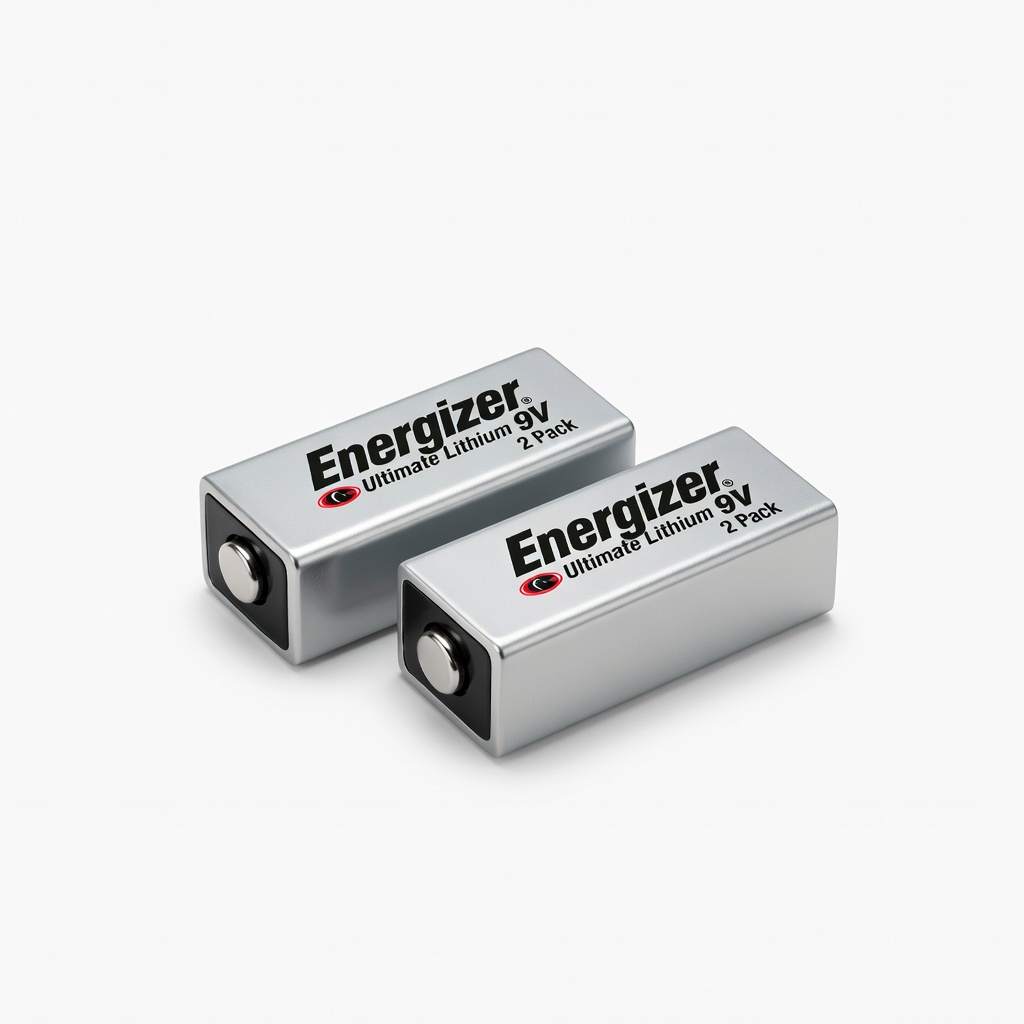
Energizer Ultimate Lithium 9V Batteries, 2 Pack
Lowest internal resistance handles self-test pulses perfectly, lasting 5-10x longer than alkaline.
Best for: Ideal for all smoke/CO detectors; best for high-drain reliability.
Price Range: $11.99-$14.99
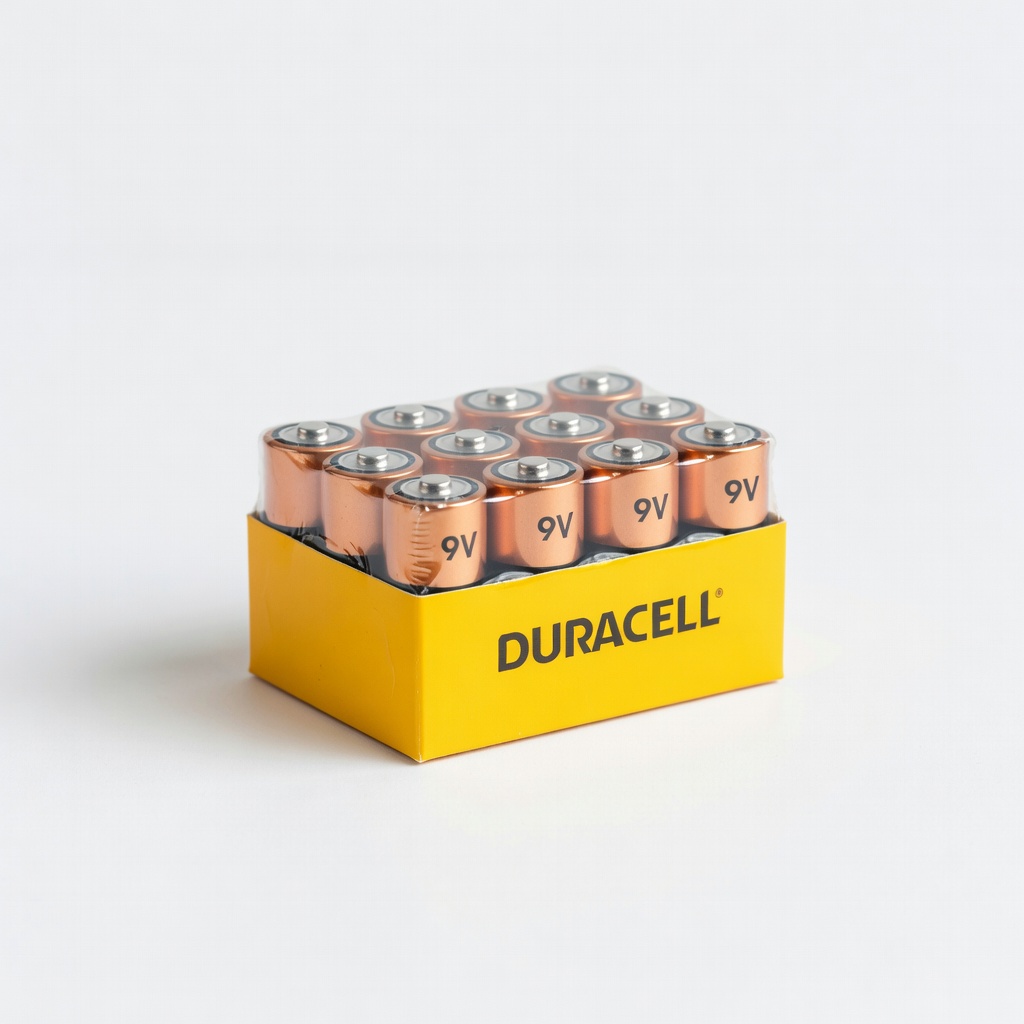
Duracell Coppertop 9V Batteries, 8 Pack
Reliable alkaline with Duralock seal; good budget step-up from generics.
Best for: Multi-detector homes needing affordable, proven performance.
Price Range: $19.99-$24.99
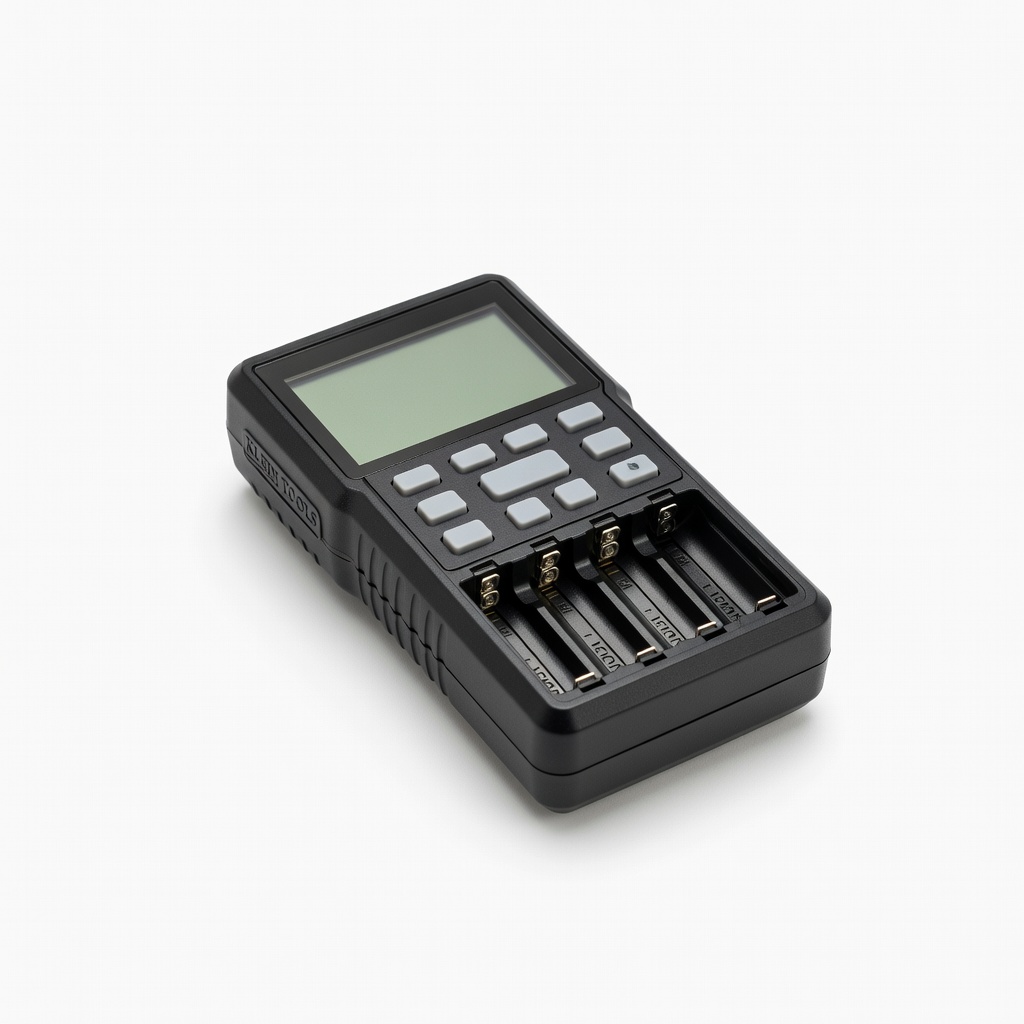
Klein Tools ET900 Battery Tester
Tests 9V under load to detect sag before install—prevents false chirps.
Best for: DIYers verifying batteries; checks AA/AAA/C/D/9V.
Price Range: $29.99-$34.99
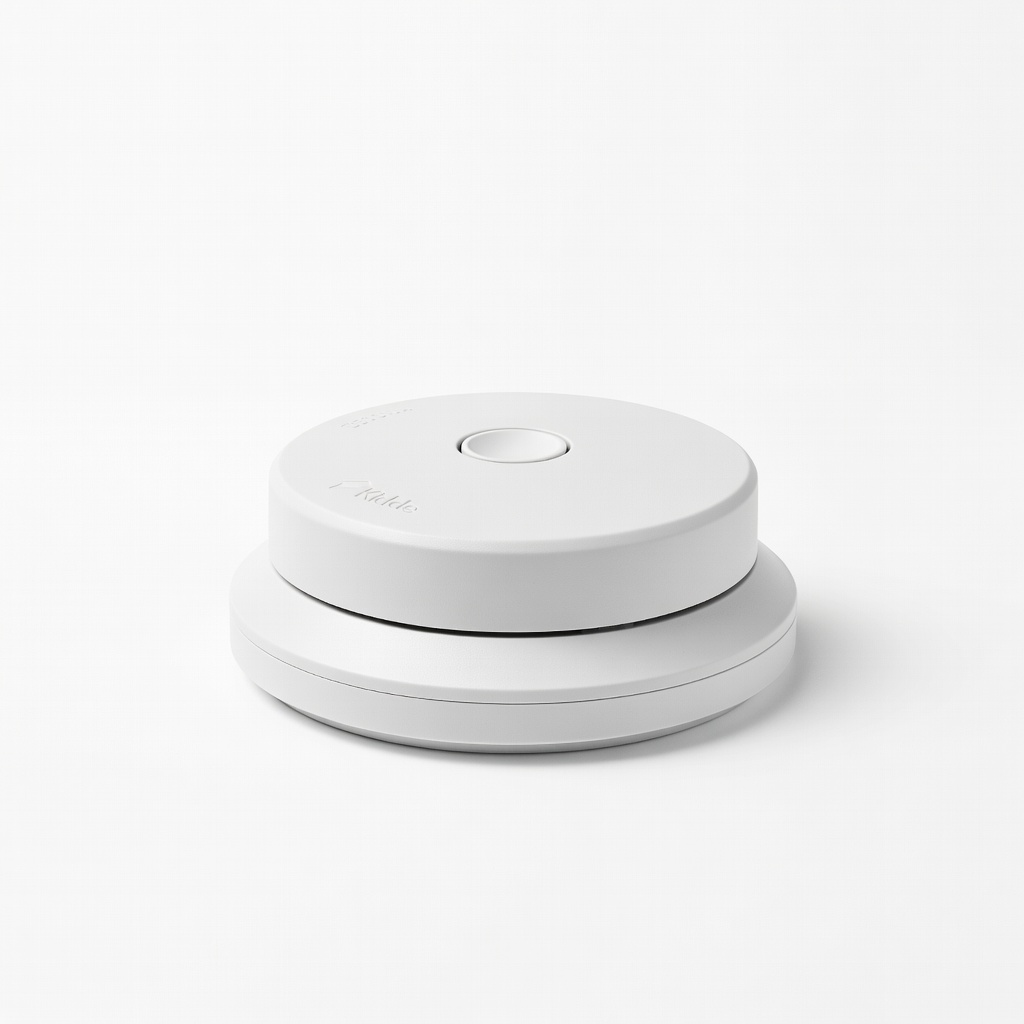
Kidde Sealed Lithium Battery Smoke Detector
Eliminates 9V swaps entirely—10-year sealed lithium power.
Best for: Renters/homeowners hating maintenance; NFPA recommended.
Price Range: $24.99-$29.99