
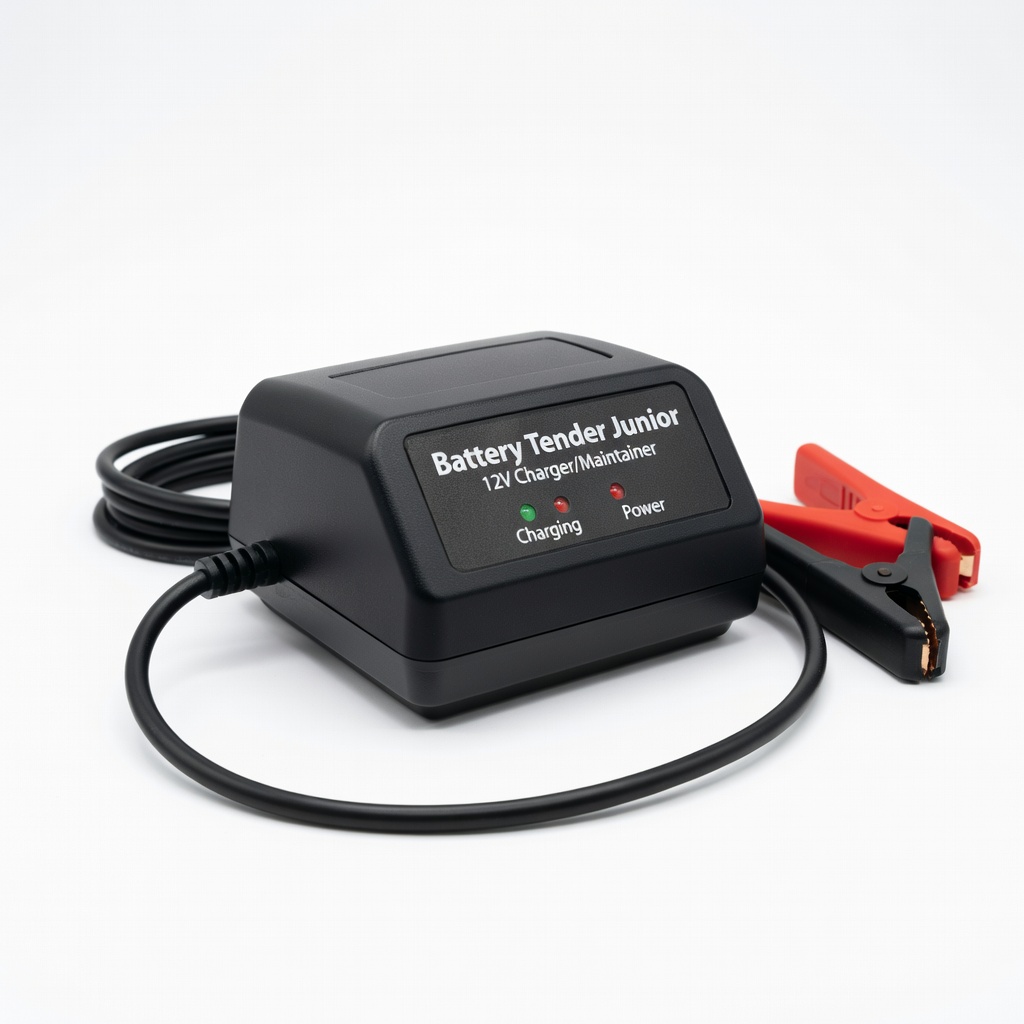
Battery Tender Junior 12V Charger/Maintainer
Connect for months on garage-stored vehicles/RVs.
$29.95
Battery Tender Junior 12V Charger/Maintainer Smart float charger prevents self-discharge during winter storage with microprocessor safety.
Get the App
Better experience on mobile
Uncover the science of cold-weather battery failure and get proven prevention tips to keep your vehicle starting reliably all winter.
Imagine scraping ice off your windshield only to turn the key and hear nothing but a sad click. Dead 12V batteries are a winter nightmare for car owners, RVers, and boaters alike, leaving you stranded in the freezing cold. This happens to millions every year, often without warning.
In this guide, you'll learn the exact chemical and physical reasons why 12V lead-acid batteries fail in winter, from slowed reactions to capacity loss. We'll break it down step-by-step with simple analogies, real-world examples, and actionable prevention strategies. No advanced science degree needed—just 10-15 minutes to gain intermediate-level insights.
By the end, you'll know how to test, protect, and extend your battery's life through harsh winters, saving time, money, and frustration.
Estimated Time: 10-15 minutes to read and understand Difficulty: intermediate
Most 12V batteries in cars, trucks, ATVs, and marine applications are lead-acid types. They store energy through a chemical reaction between lead plates and sulfuric acid electrolyte, producing about 12.6-12.8 volts when fully charged.
Think of it like a bucket of water (electrolyte) with sponges (lead plates) soaked in it. Charging 'fills' the sponges; discharging 'squeezes' them out. Cold weather thickens the 'water,' making it harder to draw energy. This foundation explains all winter issues.
Why it matters: Without grasping this, cold effects seem mysterious. Expect to see voltage drop from 12.6V to under 12V in freezes.
💡 Tips:
Battery power comes from ion movement in the electrolyte. At 77°F (25°C), reactions are fast; below freezing, they slow dramatically—up to 50% slower per 10°C drop (Arrhenius equation).
Analogy: Like honey pouring in summer vs. winter—cold thickens electrolyte from liquid to syrup, reducing electron flow. Your starter needs 200-500 amps instantly; cold delivers half.
Result: Engine cranks slower or not at all. Studies show capacity halves at 0°F (-18°C).
⚠️ Warnings:
Full charge holds ~100% capacity at room temp, but drops to 40-60% at 32°F (0°C) and 20% at 0°F (-18°C). Why? Molecules move slower, so less energy releases before 'empty.'
Example: A 50Ah battery might deliver only 20Ah in cold starts. Multiple cranks drain it faster.
Why it matters: Lights/radio alone won't kill it, but starting demands do.
💡 Tips:
Cold increases resistance inside the battery (like thicker wires). Voltage under load plummets—e.g., from 12.6V resting to 9V cranking.
Analogy: Pushing a sled on ice (cold) vs. grass (warm)—more effort for same speed. ECU detects low voltage, cuts fuel/spark.
Expect: Clicking sound, dim lights during crank.
All batteries self-discharge (1-3%/month), faster in cold (up to 5x). Plus, vehicle draws 20-50mA constantly (alarms, clocks). Weeks of sub-zero storage = dead battery.
Example: Holiday trip leaves clock/alarm draining 1Ah/day—gone in a month.
Key insight: Winter storage is riskiest.
⚠️ Warnings:
Sulfation (crystal buildup) worsens in cold, amplifying all issues. 3+ year batteries die quickest.
Real-world: AAA reports 50% winter failures are <3 years old due to undetected wear + cold.
Prevention preview: Test annually.
💡 Tips:
Problem: Battery tests 12.6V but won't start
Solution: Cold cranking amps too low—load test at auto parts store or warm battery.
Problem: Frequent deaths despite charging
Solution: Parasitic drain: Use multimeter in series on negative cable (<50mA normal).
Problem: Battery freezes solid
Solution: Replace—frozen electrolyte warps plates. Keep >50% charged to prevent.
Problem: Slow cranking but voltage OK
Solution: High resistance: Clean terminals, check cables. Pro load test if persists.
Smart float charger prevents self-discharge during winter storage with microprocessor safety.
Best for: Connect for months on garage-stored vehicles/RVs.
Price Range: $29.95
Quickly tests CCA, voltage, and health to catch winter failures early.
Best for: Monthly checks before cold snap.
Price Range: $26.99
Temperature compensation recharges cold-slowed batteries safely.
Best for: Daily drivers with short trips.
Price Range: $29.95
Superior cold cranking amps (800 CCA) and vibration resistance for harsh winters.
Best for: Replacement for high-demand vehicles.
Price Range: $250-$280
Heats battery pad to 60-80°F, boosting capacity by 50% in extreme cold.
Best for: Trucks/boats in -20°F areas.
Price Range: $35-$45
Connect for months on garage-stored vehicles/RVs.
Battery Tender Junior 12V Charger/Maintainer Smart float charger prevents self-discharge during winter storage with microprocessor safety.
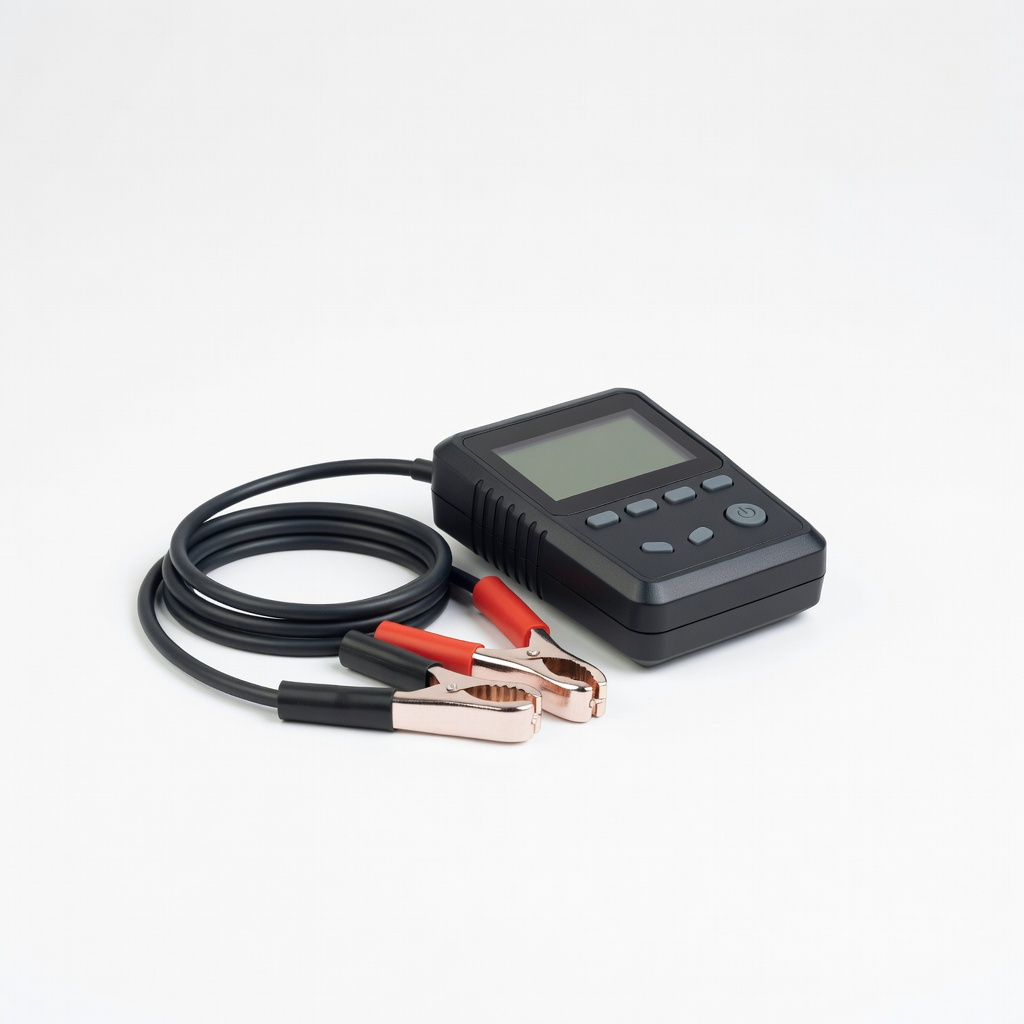
Monthly checks before cold snap.
Ancel BA101 Professional Battery Tester Quickly tests CCA, voltage, and health to catch winter failures early.
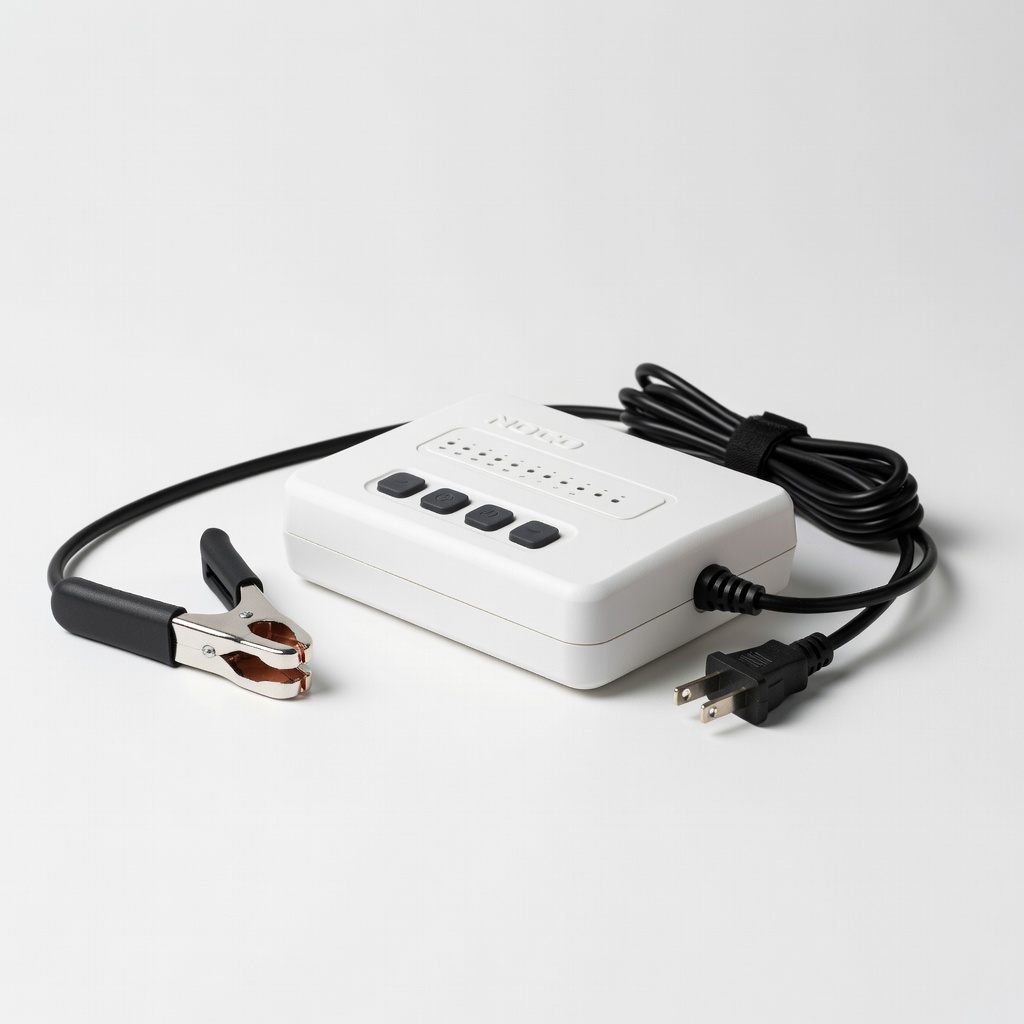
Daily drivers with short trips.
NOCO Genius GEN5X1 1A Battery Maintainer Temperature compensation recharges cold-slowed batteries safely.
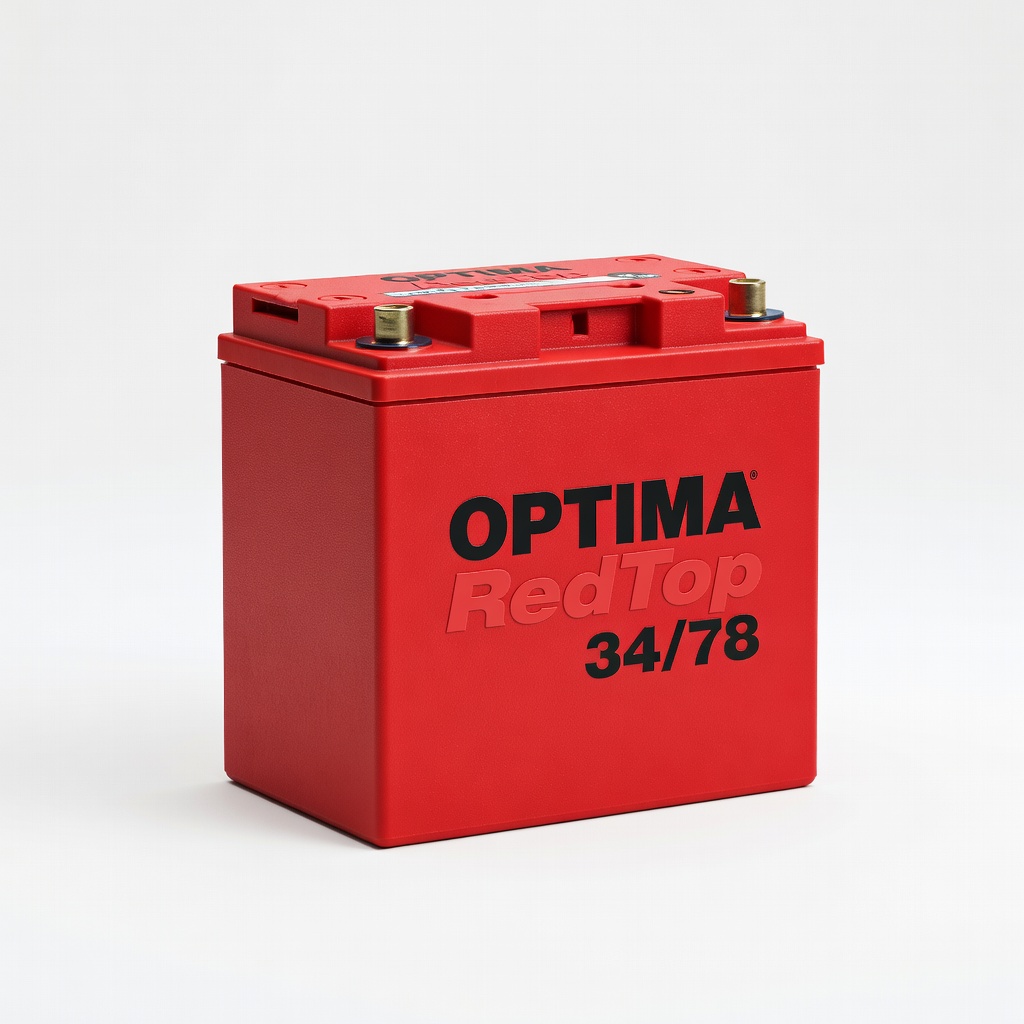
Replacement for high-demand vehicles.
Optima RedTop 34/78 AGM Battery Superior cold cranking amps (800 CCA) and vibration resistance for harsh winters.
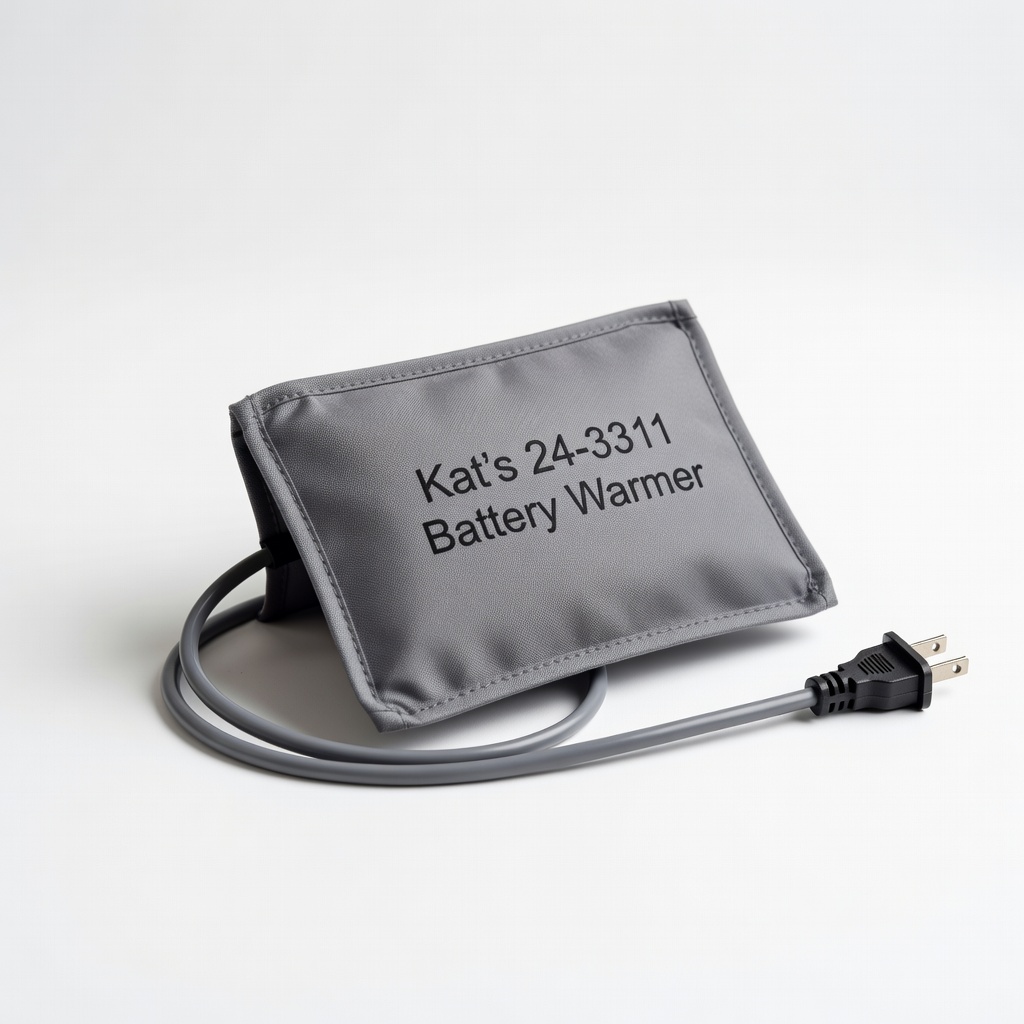
Trucks/boats in -20°F areas.
Kat's 24-3311 Battery Warmer Heats battery pad to 60-80°F, boosting capacity by 50% in extreme cold.