Ever had a smoke detector chirp at 2 AM because its 9V battery died unexpectedly? Or watched your guitar pedal cut out mid-performance due to a weak alkaline battery? These frustrations highlight a common pain point: alkaline 9V batteries often underperform in high-drain or critical devices.
In this guide, you'll discover why lithium 9V batteries are superior through clear comparisons of capacity, performance, and real-world use. We'll break down the chemistry, specs, and scenarios where lithium shines, helping you make informed choices for devices like detectors, pedals, and meters. No jargon overload—just actionable insights for intermediate users familiar with basic electronics.
Expect a straightforward explainer: read in 10-15 minutes, grasp the differences, and confidently select batteries next time.
▸What You'll Need
- •Basic knowledge of battery voltage (9V) and devices that use them
- •Optional: Multimeter to test battery performance
- •Access to common 9V devices like smoke alarms or multimeters for hands-on comparison
Estimated Time: 10-15 minutes
Difficulty: intermediate
▸Step-by-Step Instructions
Step 1: Understand the Chemistry Basics
Lithium 9V batteries use lithium-metal oxide chemistry (like Li-MnO2), while alkaline 9V rely on zinc-manganese dioxide with a potassium hydroxide electrolyte.
Why it matters: Lithium offers higher energy density (up to 2x more power per gram), delivering consistent voltage. Alkaline starts strong but voltage sags under load, causing devices to fail prematurely.
Expect lithium to feel 'fresher' longer—analogy: lithium is like a marathon runner; alkaline is a sprinter that tires quickly.
💡 Tips:
- •Memorize: Lithium = lightweight power; Alkaline = heavy, leak-prone.
Step 2: Compare Capacity and Runtime
Lithium 9V batteries provide 1200-1500 mAh capacity vs. alkaline's 500-600 mAh.
Real-world impact: In smoke detectors, lithium lasts 5-10 years; alkaline 2-5 years. High-drain devices like microphones see lithium double the runtime.
Test it: Pop both in a toy or meter—lithium holds voltage above 7.5V far longer.
⚠️ Warnings:
- •Don't compare rechargeables; focus on primary (non-rechargeable) types.
Step 3: Examine Voltage Stability
Lithium maintains near-9V output until nearly depleted; alkaline drops to 6-7V quickly.
Why choose lithium: Devices like digital multimeters or wireless mics need steady power. Unstable voltage causes glitches or false readings.
Analogy: Lithium is a steady river current; alkaline is a flash flood then drought.
💡 Tips:
- •Use a multimeter: Load test at 100mA—lithium barely budges.
Step 4: Performance in Extreme Temperatures
Lithium excels from -40°F to 140°F; alkaline freezes below 32°F or leaks above 100°F.
Key for outdoors: Garage door openers, security cams, or cold-climate detectors. Lithium powers through winter storage without failure.
Proven: Military-grade lithium survives Arctic tests.
Step 5: Assess Weight and Portability
Lithium 9V weighs ~12g vs. alkaline's 45g—over 3x lighter.
Benefits: Ideal for portable gear like pedals, vests, or drones. Reduces bulk in multiples (e.g., 10 alarms = 330g savings).
Feel it: Hold both—lithium is featherlight.
💡 Tips:
- •Perfect for musicians or preppers carrying multiples.
Step 6: Shelf Life and Leak Resistance
Lithium lasts 10-20 years on shelf, self-discharges <1%/year; alkaline 5 years, prone to leaks corroding devices.
Damage prevention: No more ruined pedals from alkaline ooze. Lithium is hermetically sealed.
Stat: 80% of battery failures are alkaline leaks.
⚠️ Warnings:
- •Always remove alkalines from unused devices.
Step 7: Break Down Cost Per Hour
Lithium costs 2-3x upfront ($5-8 each) but lasts 5x longer—cost per hour is lower.
ROI example: Smoke detector: Alkaline $2/year effective; lithium $1/year over decade.
Calculate: (Price / Capacity mAh) shows lithium wins.
Step 8: Identify Ideal Use Cases
Choose lithium for: smoke/CO detectors, medical devices, high-drain toys, cold/hot environments. Alkaline fine for low-drain remotes.
Decision tree: Critical/reliable? Lithium. Budget casual? Alkaline.
Upgrade now for peace of mind.
💡 Tips:
- •Stock lithium for emergencies.
▸Pro Tips
- •Buy in bulk for detectors—set-it-and-forget-it for 10 years.
- •Test old alkalines with multimeter before tossing.
- •Store lithium in cool, dry places to maximize shelf life.
- •Label install dates on devices.
- •Pair with low-power devices for max efficiency.
- •Recycle properly—lithium via special programs.
- •Use lithium in pedals for distortion-free tone.
▸Common Mistakes to Avoid
- •Assuming all lithium batteries are rechargeable—most 9V are primary.
- •Overlooking device compatibility—rare, but check specs.
- •Ignoring upfront cost without calculating long-term savings.
- •Storing alkalines long-term—leads to leaks.
- •Using alkaline in cold—performance tanks 50%.
▸Troubleshooting
Problem: Device still fails quickly with lithium?
Solution: Check for high drain (>500mA) or faulty device—lithium handles up to 300mA continuous.
Problem: Lithium won't fit?
Solution: Exact same size as alkaline 9V (PP3 standard)—ensure no swelling from old alkalines.
Problem: Worried about fire risk?
Solution: Safer than alkaline (no leaks, stable chemistry)—UL certified brands only.
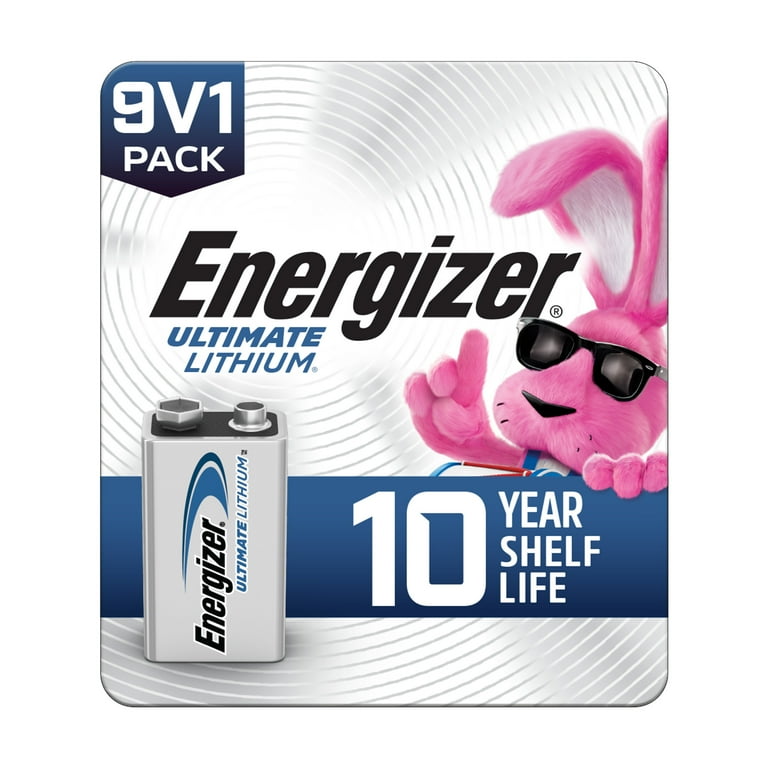
Energizer Ultimate Lithium 9V Batteries, 2 Count
Top-rated for max capacity (1500mAh), 20-year shelf life, and extreme temp performance—gold standard for reliability.
Best for: Smoke detectors, pedals, medical alert systems.
Price Range: $11-13
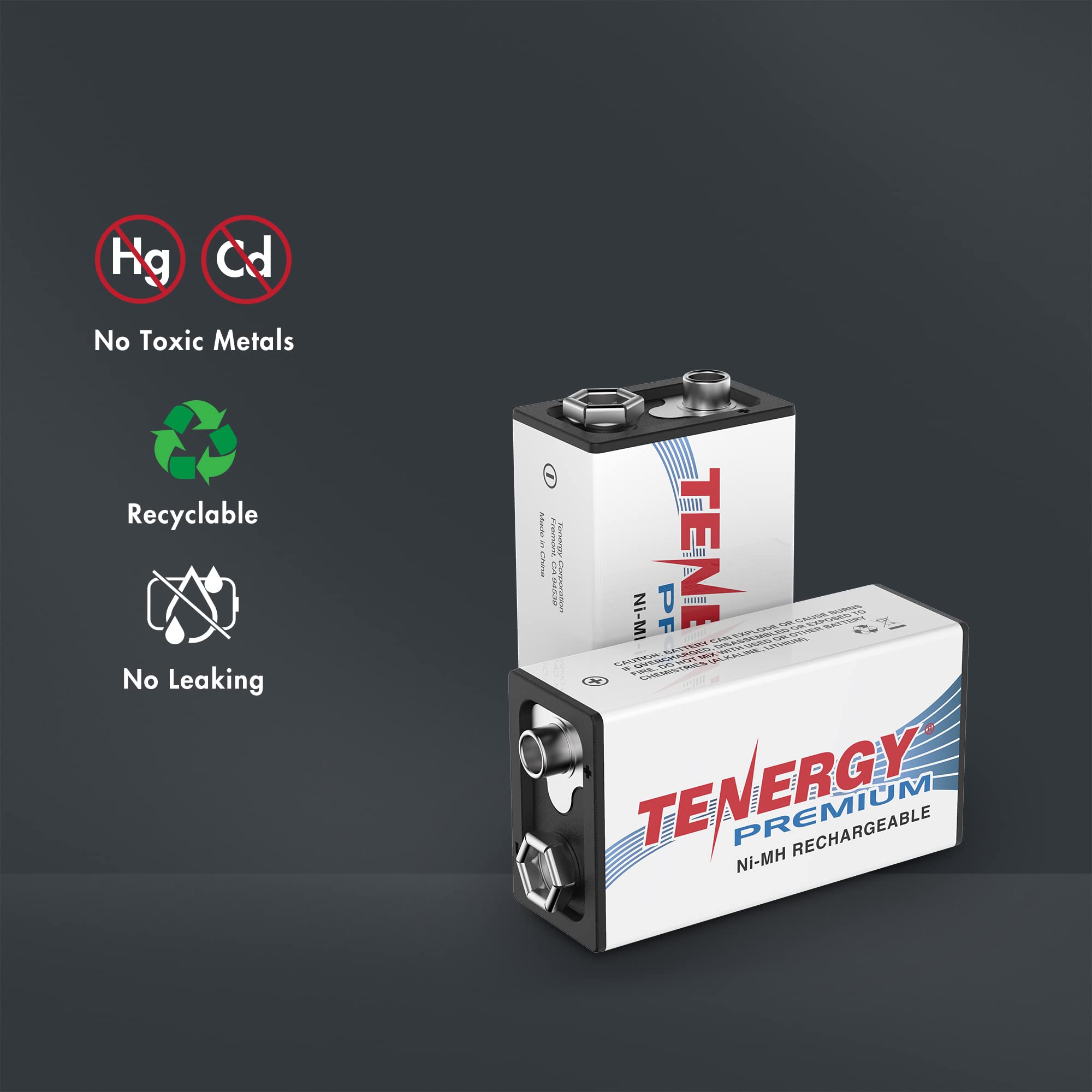
Tenergy Premium Pro 9V Lithium Non-Rechargeable Batteries, 4 Pack
High 1300mAh capacity at mid-price, leak-proof, lightweight—great value for bulk buys.
Best for: Guitar pedals, multimeters, security devices.
Price Range: $20-25
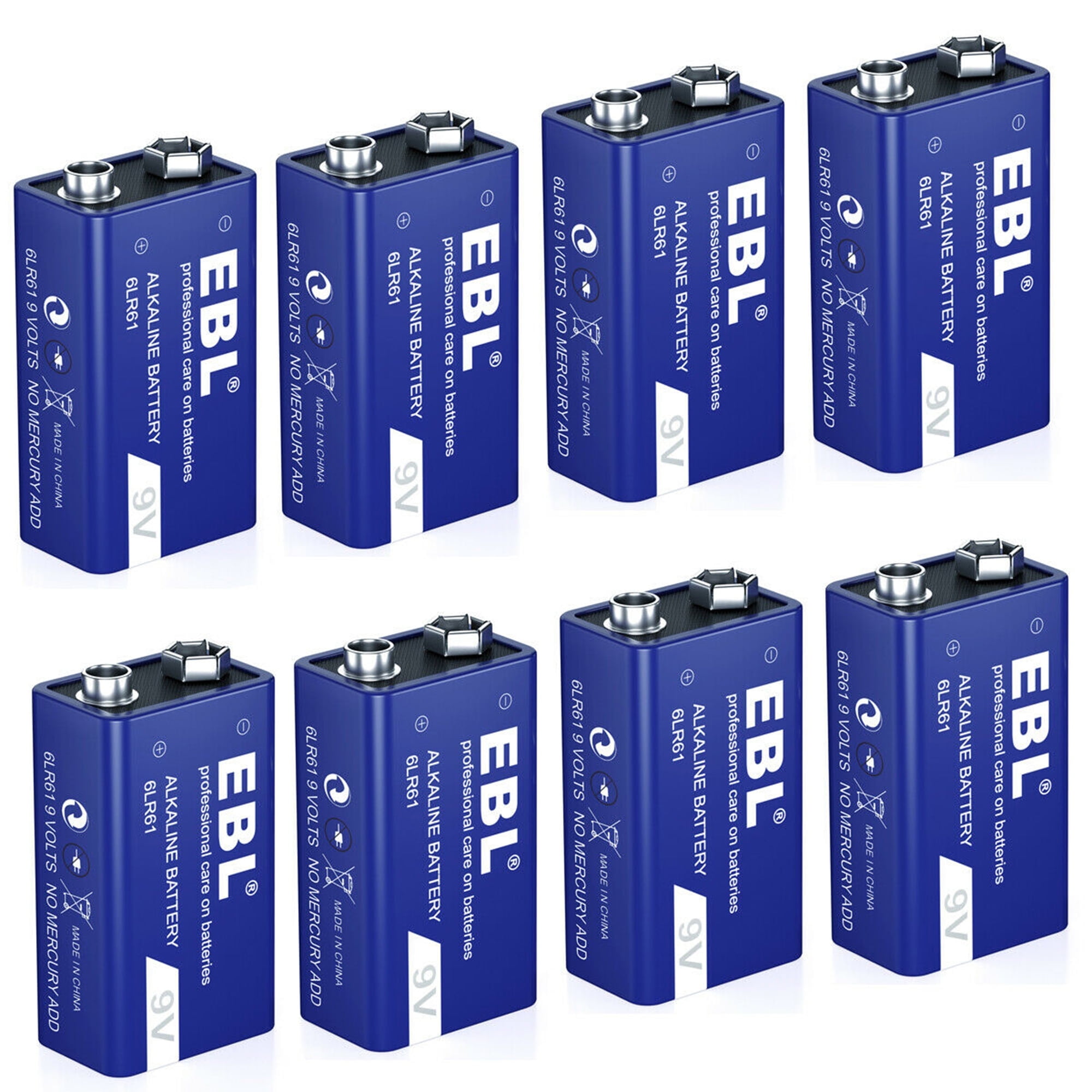
EBL Lithium 9V Batteries Non-Rechargeable, 8 Pack
Budget-friendly 1200mAh option with 10-year shelf life—performs close to premium for everyday high-drain needs.
Best for: Toys, radios, backup alarms.
Price Range: $25-30
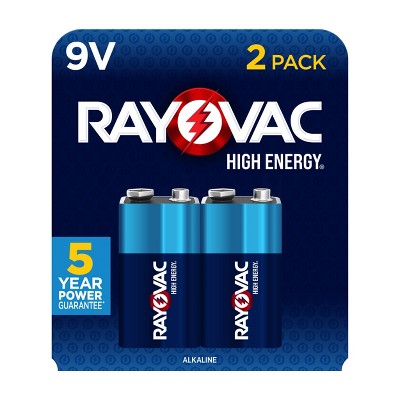
Rayovac RL9V Lithium 9V Batteries, 2 Pack
Excellent cold-weather performance and voltage stability—trusted for professional audio.
Best for: Outdoor sensors, microphones.
Price Range: $12-15