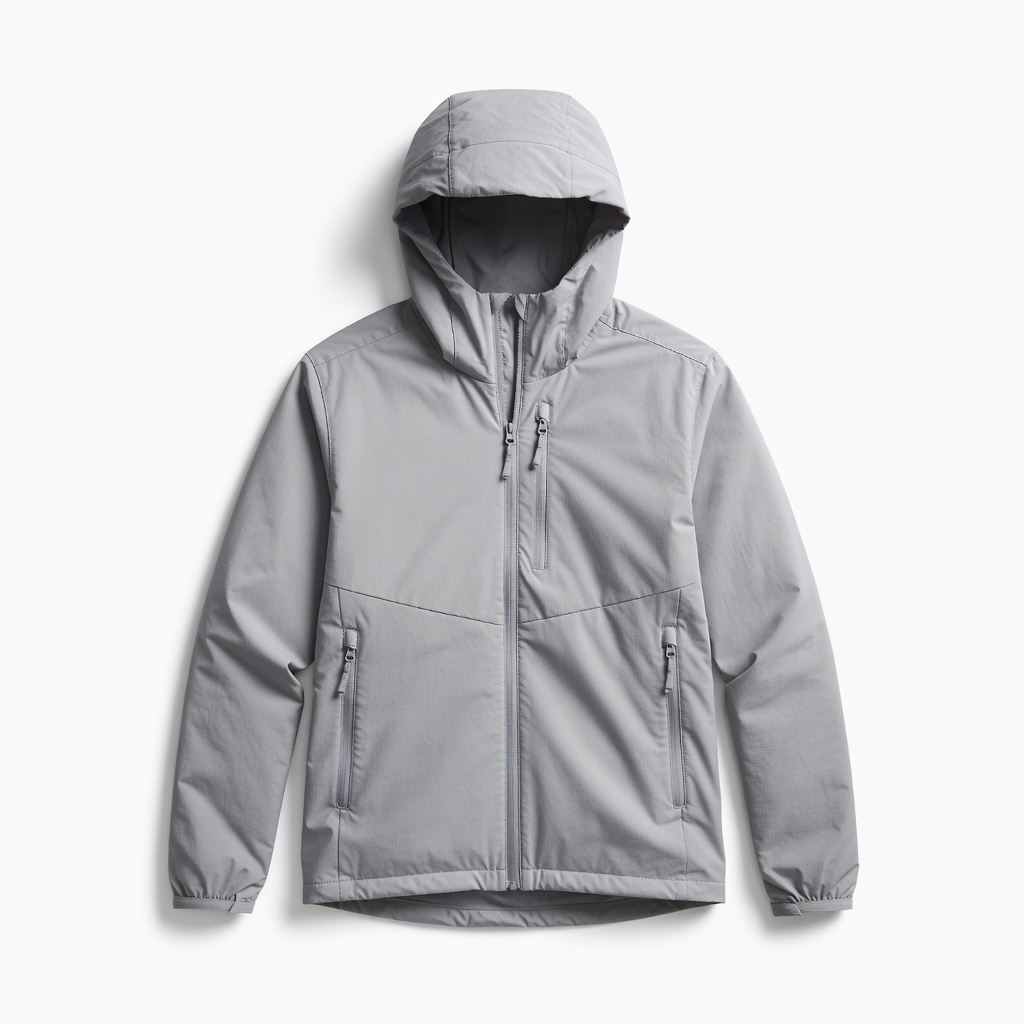
Active hoodies are your go-to for workouts, hikes, and outdoor adventures, but nothing ruins the experience like a zipper that snags, sticks, or fails mid-stride. For advanced users who demand performance gear, choosing the right zipper type is crucial—it affects flexibility, weather resistance, and longevity under sweat, abrasion, and repeated use.
In this guide, you'll learn the anatomy of zippers, key criteria for activewear, and which types excel in hoodies for dynamic movement. We'll break down coil, Vislon, metal, and specialty options with real-world examples and analogies, empowering you to select or upgrade hoodies that won't let you down. Expect technical insights without overwhelming jargon—perfect for gear enthusiasts in 10-15 minutes.
▸What You'll Need
- •Basic knowledge of activewear fabrics (e.g., fleece, softshell, synthetics)
- •Understanding of activity levels (e.g., running vs. hiking)
- •Access to hoodie specs or labels for zipper identification (optional: magnifying glass for close inspection)
Estimated Time: 10-15 minutes
Difficulty: advanced
▸Step-by-Step Instructions
Step 1: Grasp Zipper Fundamentals
Zippers consist of three main parts: tape (fabric base), teeth/sliders (interlocking elements), and slider/pull (the mechanism you operate). In active hoodies, these must flex without binding during arm swings or torso twists.
Think of a zipper like a chain link fence: smooth operation relies on uniform teeth and lubricated sliders. Common materials include nylon coil (spiral wire), plastic Vislon (molded teeth), and metal. For active use, prioritize lightweight, snag-resistant designs over heavy-duty ones used in luggage.
💡 Tips:
- •Check YKK or SBS branding—top manufacturers for quality control.
Step 2: Define Criteria for Active Hoodies
Active hoodies demand zippers that handle motion flex (no catching on hood drawcords), weather resistance (sweat/rain), and durability (1000+ cycles). Key metrics: tooth size (#3-#5 for hoodies), pull strength (>20kg), and features like auto-lock sliders.
Analogy: A poor zipper is like stiff hiking boots on a trail run—functional but frustrating. Ideal ones mimic a wetsuit seal: secure yet fluid.
⚠️ Warnings:
- •Avoid oversized #8+ teeth; they're bulky for slim hoodies.
Step 3: Evaluate Coil Zippers (Nylon Spiral)
Coil zippers use continuous nylon spiral teeth sewn into tape. They're lightweight and flexible, ideal for high-movement hoodies like running gear. Pros: snag-free, quiet, repairable. Cons: less durable in mud/abrasion.
Best for breathable fleece hoodies; YKK #5 coil is standard in mid-tier activewear.
💡 Tips:
- •Test by zipping one-handed while twisting torso.
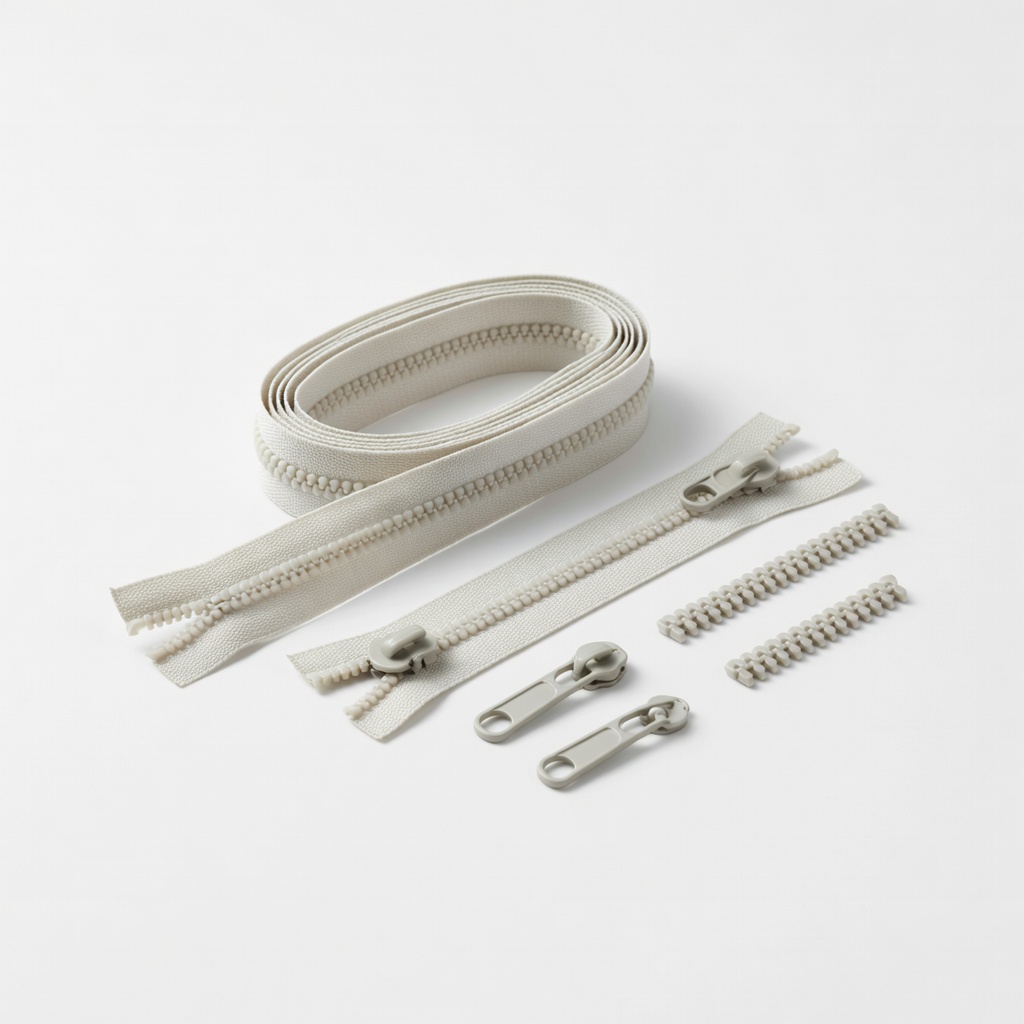
Step 4: Assess Vislon Zippers (Plastic Molded)
Vislon (pronounced 'vision') features injection-molded plastic teeth for ultra-smooth glide and flexibility. Superior for active hoodies due to bendability (up to 180° without damage) and water resistance.
Analogy: Like Lego bricks snapping perfectly vs. mismatched puzzle pieces. Excels in softshell hoodies for layering.
⚠️ Warnings:
- •Cheap Vislon warps in extreme cold (< -10°C).
Step 5: Weigh Metal Zippers
Metal teeth (brass/nickel) offer max durability for rugged use like climbing hoodies. Pros: abrasion-proof, secure lock. Cons: noisy, heavy, prone to rust without coating.
Use sparingly in active hoodies; better for static outer shells.
💡 Tips:
- •Opt for closed-end metal for hood plackets to prevent pull entanglement.
Step 6: Explore Specialty Zippers
Advanced options like YKK AquaGuard (water-repellent coil with PU coating) or two-way reversible (zip from top/bottom) shine in active hoodies. Vislon with TPU for waterproofing seals out rain/sweat.
Two-way allows venting mid-run; ideal for variable temps.
Step 7: Identify and Test in Real Hoodies
Inspect labels (e.g., 'YKK #5 Vislon') or feel: coil is soft/round, Vislon chunky/smooth, metal rigid. Test: Zip fully 10x at speed, check for gaps/jams.
Top picks: Vislon or AquaGuard coil for 90% of active scenarios.
💡 Tips:
- •Use slider wax for longevity.
▸Pro Tips
- •Prioritize YKK #5 Vislon for 80% flex needs—gold standard in pro gear.
- •Pair water-resistant zippers with DWR-treated hoodies for all-weather use.
- •One-hand pulls? Look for ergonomic cord pulls or magnetic sliders.
- •Lubricate annually with zipper wax to extend life 2x.
- •Custom sew-in: Buy bulk Vislon tape for hoodie mods.
- •Test in-motion: Simulate activity before purchase.
- •Layering tip: Choose slim-profile zippers to avoid bulk under shells.
▸Common Mistakes to Avoid
- •Choosing metal zippers for everyday runs—too heavy and noisy, leading to fatigue.
- •Ignoring tooth size; #3 is too delicate, #8 too stiff for hoodies.
- •Overlooking auto-lock; gravity unzips during inversions (e.g., burpees).
- •Skipping brand checks—generic zippers fail 3x faster.
- •Neglecting maintenance; dry zippers jam after 50 washes.
▸Troubleshooting
Problem: Zipper snags on fabric/hair
Solution: Trim loose threads; use beeswax on teeth. If chronic, replace slider.
Problem: Water leaks through zipper
Solution: Apply seam sealer or upgrade to AquaGuard. Reapply DWR spray.
Problem: Slider won't stay closed
Solution: Tighten slider screw or install auto-lock replacement.
Problem: Jams in cold weather
Solution: Warm with hands; switch to low-temp Vislon.
Patagonia Men's Better Sweater Hoodie (YKK Vislon Zippers)
Features premium YKK #5 Vislon for unmatched flexibility and smoothness in fleece active hoodies.
Best for: Daily runs/hikes; layers perfectly without bulk.
Price Range: $150-$200
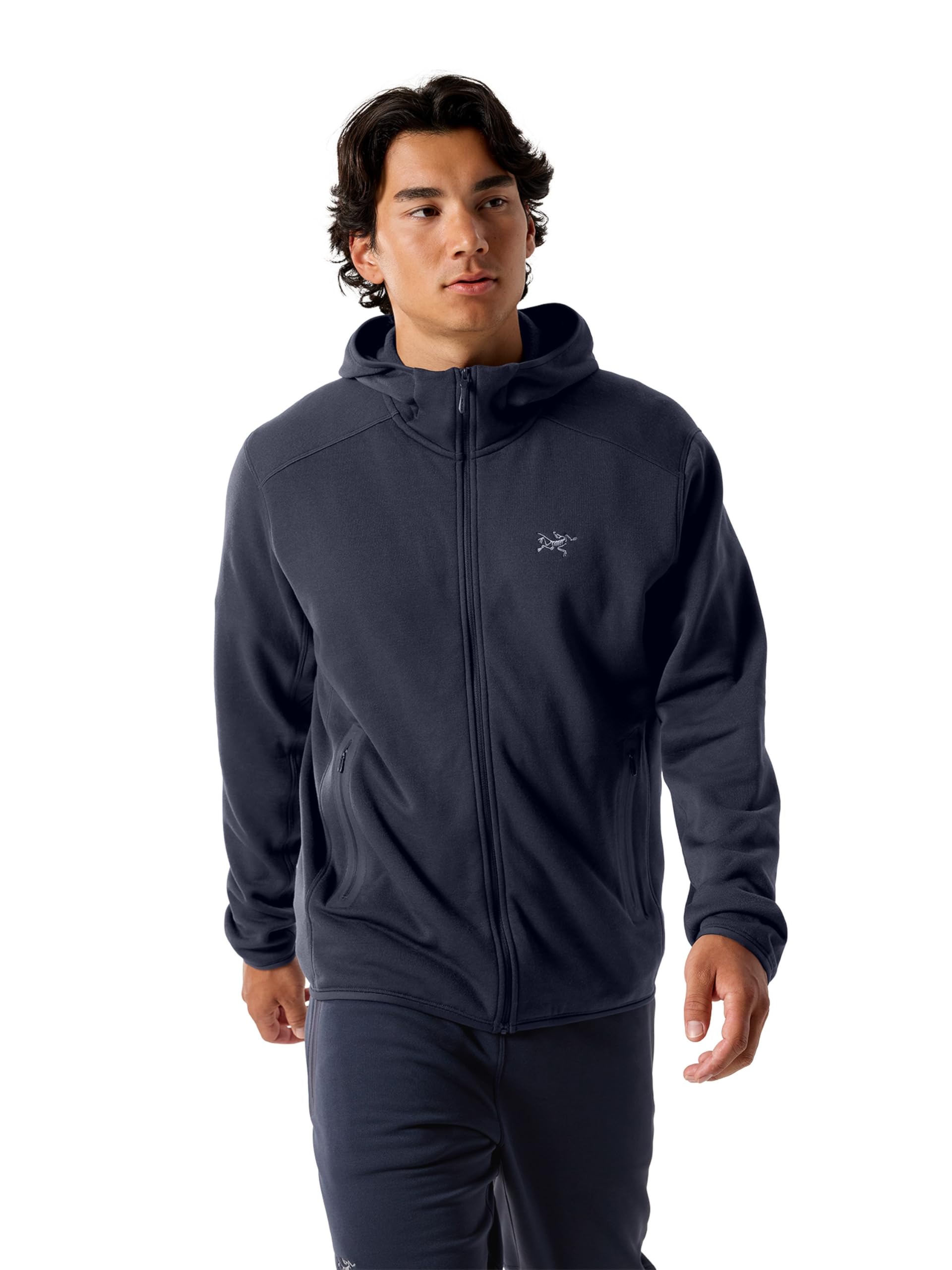
Arc'teryx Atom LT Hoody (AquaGuard Coil Zippers)
Water-repellent YKK AquaGuard coil zippers excel in wet, high-motion activities.
Best for: Trail running or stormy workouts; full weather seal.
Price Range: $250-$300
The North Face Men's Venture 2 Hoodie (Vislon Zippers)
Affordable Vislon zippers with auto-lock for reliable performance.
Best for: Budget gym/outdoor sessions; durable for frequent use.
Price Range: $60-$80
YKK #5 Vislon Zipper Replacement Kit
DIY upgrade for custom or worn hoodies; molded teeth for pro-level glide.
Best for: Repair/retrofit existing active hoodies.
Price Range: $10-$15