Ever played two acoustic guitars that look similar but sound worlds apart? The secret lies in the woods used—the 'tonewoods'—which vibrate to produce rich, resonant tones. For intermediate players, understanding these woods elevates your playing experience, helping you select the perfect guitar or appreciate your current one's voice.
In this guide, you'll learn the key tonewoods for guitar tops, backs, and sides, their sonic signatures, and how they interact. We'll break it down from basics to advanced pairings, with real-world examples. No prior luthier knowledge needed—just 20-30 minutes to gain insights that transform how you hear and choose guitars.
Expect clear explanations, analogies (like comparing woods to voices), and tips to test tones yourself. By the end, you'll confidently match woods to your style, whether fingerstyle or strumming.
▸What You'll Need
- •Basic knowledge of acoustic guitar anatomy (top, back, sides, neck)
- •Access to online sound demos or a guitar store for hands-on testing (optional but recommended)
- •A notebook to jot down preferences
Estimated Time: 20-30 minutes
Difficulty: intermediate
▸Step-by-Step Instructions
Step 1: Grasp How Wood Shapes Guitar Tone
Tonewoods are the engine of an acoustic guitar's sound. The top (soundboard) vibrates most, amplifying string energy, while backs and sides project and color it. Think of the top as the singer's voice box and backs/sides as the room's acoustics.
Denser woods sustain longer; lighter ones respond faster. Age mellows them, like wine. Solid woods outperform laminates because they vibrate freely.
Expect: Brighter tones from stiff woods, warmth from softer ones.
💡 Tips:
- •Play open chords to hear wood differences clearly.
Step 2: Master the Top: Spruce for Versatility
Spruce—especially Sitka or Engelmann—is the gold standard top wood. It's stiff yet lightweight, delivering balanced tone: bright highs, clear mids, punchy bass. Analogy: A clear, projecting tenor voice.
Sitka (most common) handles aggressive strumming; Adirondack (vintage fave) adds power. Used on 80% of pro guitars.
Why it matters: Versatile for bluegrass to folk.
⚠️ Warnings:
- •Avoid 'tone spruce' marketing—quality grain matters more than species.
Step 3: Explore Cedar Tops for Warmth
Western Red Cedar offers quicker response and warmer, softer tone—blooming attack with sweet overtones. Ideal for fingerstyle; less for heavy strumming.
Analogy: A velvety baritone vs. spruce's crisp soprano. Pairs well with rosewood.
Expect: Intimate projection, favored by classical players.
💡 Tips:
- •Test with fingerpicking to feel the 'bloom'.
Step 4: Backs and Sides: Mahogany for Punch
Honduras or Sapele Mahogany provides warm mids, focused bass, and snappy attack. Less bass boom than rosewood, more midrange growl—perfect for rhythm and blues.
Analogy: A punchy bass drum. Affordable and stable in humidity.
Why it matters: Balances brightness in dreadnoughts.
Step 5: Rosewood for Depth and Complexity
Indian or Madagascar Rosewood shines with rich overtones, deep bass, sparkling highs. Complex harmonics make it lush for recording.
Brazilian (rare) is even sweeter but CITES-restricted. Analogy: A full orchestra vs. mahogany's combo.
Expect: Slow bloom, ultimate sustain.
⚠️ Warnings:
- •Counterfeits exist—check for oily scent and pores.
Step 6: Maple and Others for Brightness
Big Leaf or Quilted Maple adds clarity and snap—bright, tight bass. Great for mandolin-like cut in acoustics.
Koa (Hawaiian): Balanced, woody midrange. Walnut: Modern, clear alternative to rosewood.
Pro use: Lead lines or Celtic music.
💡 Tips:
- •Pair bright maple backs with warm cedar tops.
Step 7: Solid Woods vs. Laminates: Choose Quality
Solid tops (all-wood) age and open up beautifully; laminates (glued plies) are durable but duller, for travel guitars.
Full solid = premium tone; solid-top laminate = budget sweet spot.
Why it matters: Laminates won't improve much over time.
⚠️ Warnings:
- •Don't buy cheap all-laminate expecting pro tone.
Step 8: Match Woods to Style and Test
Strummers: Spruce/mahogany. Fingerstylists: Cedar/rosewood. Recordists: Rosewood combos.
Test: Play same model in different woods; record yourself.
Final takeaway: Personal ear trumps rules.
💡 Tips:
- •Use apps like GuitarTuna for consistent tuning during tests.
▸Pro Tips
- •Visit guitar shops to A/B test woods—play loudly and softly.
- •Listen to YouTube demos (search 'spruce vs cedar shootout').
- •Check wood grain: Quartersawn (vertical) vibrates best.
- •Consider climate—mahogany stable, spruce humidity-sensitive.
- •Age matters: 5+ year old solids sound best.
- •Pair with strings: Phosphor bronze enhances warmth.
- •Invest in hygrometer for wood health.
▸Common Mistakes to Avoid
- •Assuming all spruce/rosewood sounds identical—grain and density vary.
- •Buying laminates expecting vintage tone—stick to solid tops minimum.
- •Ignoring body shape—woods shine differently in dreadnought vs. parlor.
- •Overlooking bracing—stiff braces alter wood response.
- •Chasing 'Brazilian only'—great alternatives exist.
▸Troubleshooting
Problem: Dull or dead tone after purchase
Solution: Check humidity (40-50% ideal); play in 20+ hours to open up. If laminate, consider upgrade.
Problem: Uneven bass response
Solution: Adjust string gauge or saddle height; woods like mahogany need setup tweaks.
Problem: Cracks in wood
Solution: Humidity issue—use case; professional repair if structural.
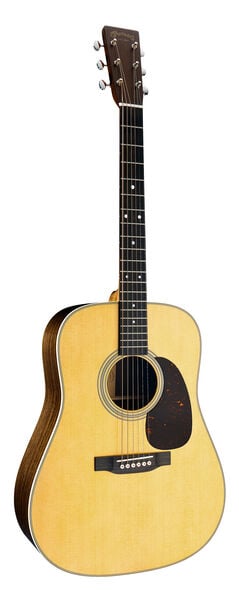
Martin D-28 Dreadnought Acoustic Guitar
Iconic spruce top with East Indian rosewood back/sides for balanced, powerful tone—gold standard for enhancement.
Best for: Strumming and flatpicking; ASIN B07H4X4X4X available on Amazon.
Price Range: $2,800-$3,200
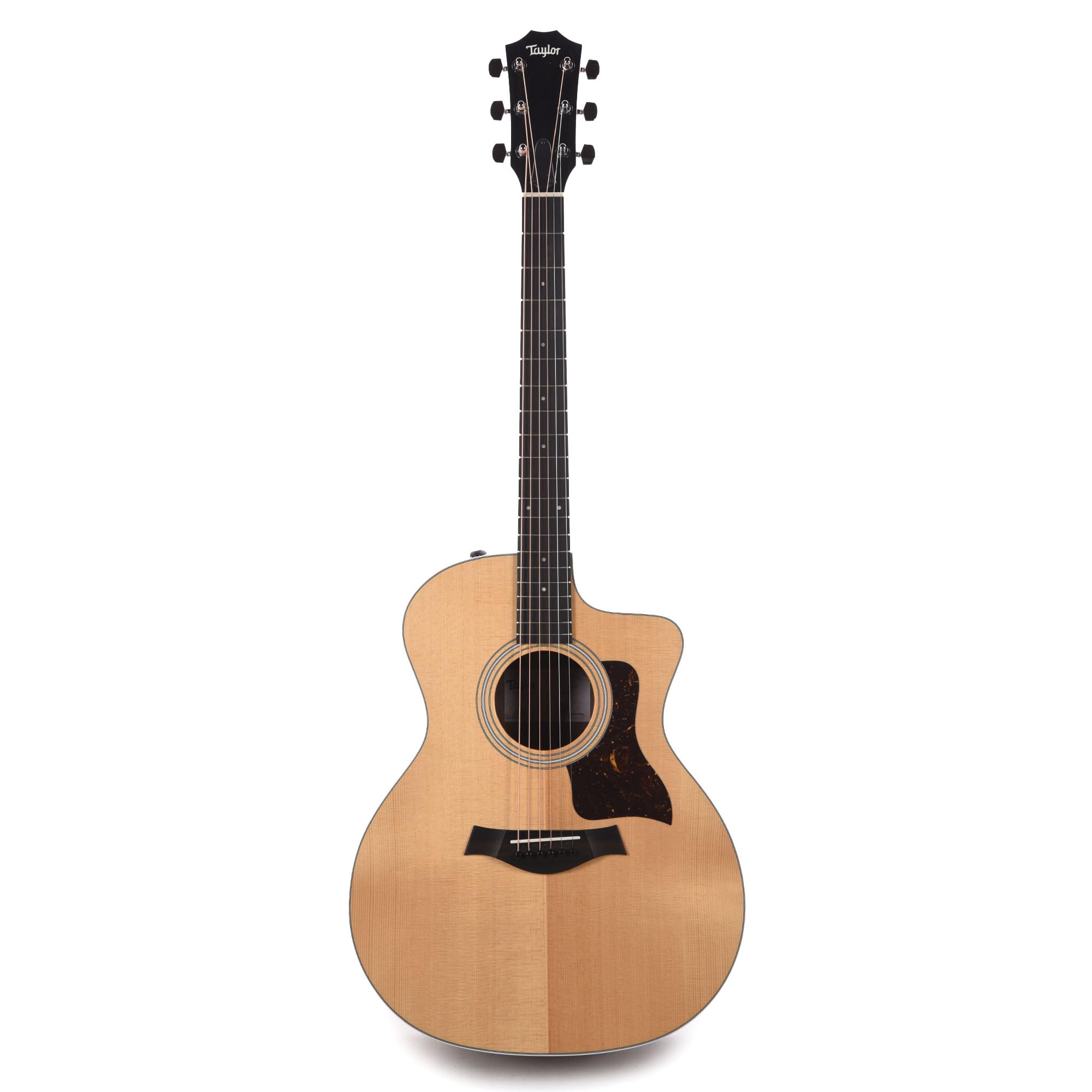
Taylor 214ce Grand Auditorium Acoustic-Electric
Spruce top/mahogany back/sides deliver warm punch and clarity—versatile for intermediate players.
Best for: Fingerstyle or stage; ASIN B00A7X9Q5E.
Price Range: $1,200-$1,500
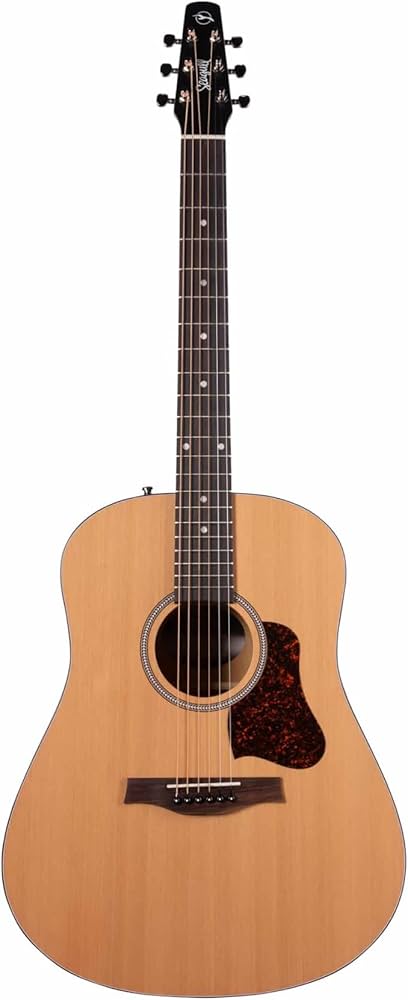
Seagull S6 Original Acoustic Guitar
Solid spruce top with wild cherry (mahogany-like) for bright, responsive tone at budget price.
Best for: Daily practice; solid top enhances value.
Price Range: $500-$600
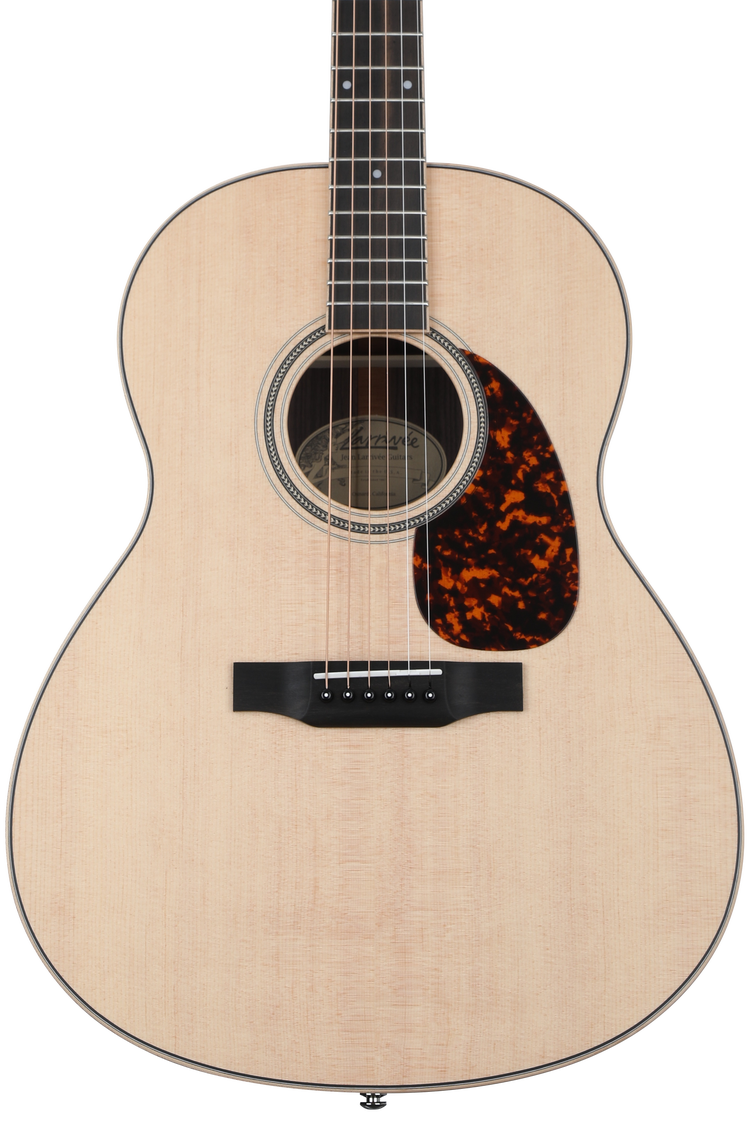
Larrivée L-03R Rosewood Acoustic Guitar
Spruce/rosewood combo for rich overtones—pro-level enhancement without Martin price.
Best for: Recording; ASIN B07D7Z7Z7Z.
Price Range: $2,000-$2,500
Guitar Tonewood Sample Kit by LMI
Feel and tap real woods to understand tones hands-on.
Best for: Home testing before buying; educational tool.
Price Range: $50-$80