
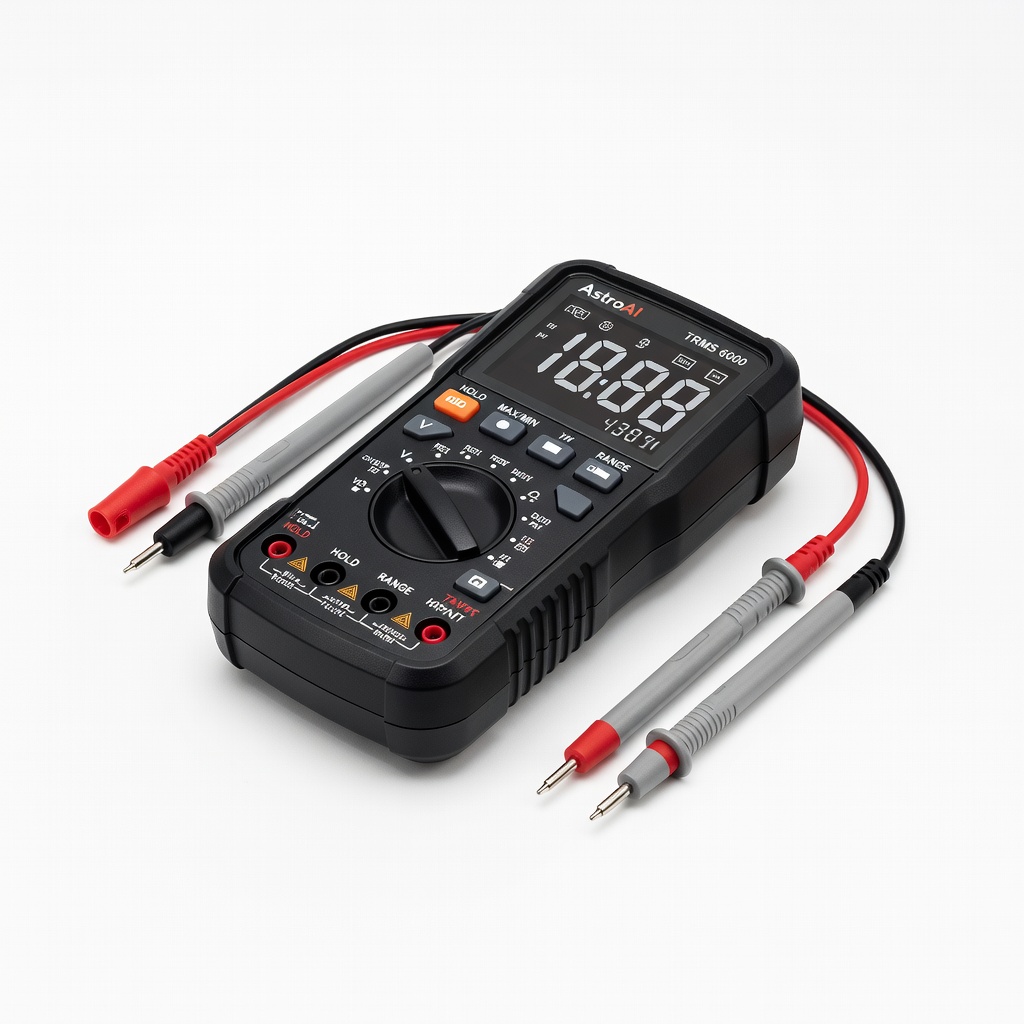
AstroAI Digital Multimeter TRMS 6000
Daily voltage checks on golf cart batteries
$25-$30
AstroAI Digital Multimeter TRMS 6000 Accurate 0.01V resolution for precise 6V readings, auto-ranging for ease
Get the App
Better experience on mobile
Discover the exact voltage range for a healthy 6V golf cart battery, how to test it, and signs of trouble to keep your cart running smoothly.
Golf cart owners often face unexpected breakdowns due to battery issues, with weak voltage being the top culprit. A failing 6V battery can leave you stranded mid-round or cut your range short, costing time and money on replacements. Understanding the right voltage ensures your batteries last longer and perform better.
In this guide, you'll learn the ideal voltage for a healthy 6V golf cart battery—at rest, under load, and during charging. We'll break down how to measure it accurately with simple tools, interpret the results, and spot problems early. No advanced electrical knowledge needed; this intermediate-level explainer takes just 15 minutes to read and apply.
Expect clear explanations, real-world examples, and step-by-step testing instructions to confidently assess your battery bank.
Estimated Time: 10-15 minutes to test one battery Difficulty: intermediate
6V golf cart batteries are typically flooded lead-acid deep-cycle types, like those from Trojan or US Battery, wired in series (e.g., 6 batteries for 36V systems). Nominal voltage is 6V, but 'healthy' means specific readings based on charge state.
Why it matters: Voltage indicates state of charge (SOC). A true 6V reading often means 50-80% charged, not fully healthy. Analogy: Like a gas gauge—6.0V is half tank, not full.
Expect: Fully charged resting voltage of 6.3-6.4V per battery.
💡 Tips:
Disconnect charger and cart for 4-24 hours to let the battery 'rest.' A healthy 6V battery reads 6.32-6.4V (100% SOC), 6.2-6.3V (80-90%), down to 6.0V (50%).
Why measure at rest: Surface charge from recent use inflates readings. Example: Post-charge might show 6.5V, but true SOC is lower.
What to expect: Stable reading; fluctuations mean sulfation or damage.
⚠️ Warnings:
Set multimeter to DC volts (20V range). Insert red probe into V/Ω jack, black into COM. Test on a known source like AA battery (1.5V) first.
Why accurate tools matter: Cheap meters give ±0.1V error, misleading weak batteries as healthy.
Expect clean probes for precise contact.
💡 Tips:
Wear safety gear. Touch red probe to positive terminal, black to negative. Note voltage.
Compare: 6.3-6.4V = healthy; 6.25-6.3V = good; <6.2V = charge or test further.
Why: Baseline SOC without load. Example: 6.1V on a 'new' battery signals undercharge.
⚠️ Warnings:
Start cart or apply 100-200A load (via tester or headlights). Voltage should hold >6.0V for 15 seconds.
Healthy drop: To 6.1-6.2V min. Why: Simulates real use; resting voltage hides weak cells.
Expect: Quick sag below 6V = bad battery.
💡 Tips:
For flooded batteries, use hydrometer: 1.265-1.280 = full charge per cell.
Correlates to voltage: Matches 6.3V+. Why cross-check: Voltage alone misses electrolyte issues.
Multiply per-battery voltage by count (e.g., 6x6.3V=37.8V total). Balance check: Variance >0.05V = imbalance.
Action: <6.25V average? Equalize charge. Why whole bank: Series wiring amplifies issues.
Problem: Voltage reads high (6.5V+) but drops fast
Solution: Surface charge—drive 30 mins or wait 24 hrs, retest. Equalize if persistent.
Problem: Inconsistent between batteries (>0.1V difference)
Solution: Rotate positions, equalize whole bank. Replace outliers.
Problem: Voltage won't hold above 6.1V after charging
Solution: Sulfation—desulfate charger or replace. Check water levels.
Problem: Zero or erratic voltage
Solution: Dead cell—disconnect, test individually. Seek pro for shorted cells.
Accurate 0.01V resolution for precise 6V readings, auto-ranging for ease
Best for: Daily voltage checks on golf cart batteries
Price Range: $25-$30
Applies proper load to reveal true health beyond resting voltage
Best for: Confirming if 6.3V resting holds under 100A draw
Price Range: $35-$45
Gold standard for golf carts—holds 6.3V+ reliably with proper care
Best for: Replacement if tests show <6.0V chronic low
Price Range: $150-$180
Maintains exact 6.3V float, desulfates to restore voltage
Best for: Off-season storage to prevent voltage drop
Price Range: $80-$100
Digital load tester with SOC % readout tied to voltage
Best for: Quick diagnostics without math
Price Range: $50-$70
Daily voltage checks on golf cart batteries
AstroAI Digital Multimeter TRMS 6000 Accurate 0.01V resolution for precise 6V readings, auto-ranging for ease
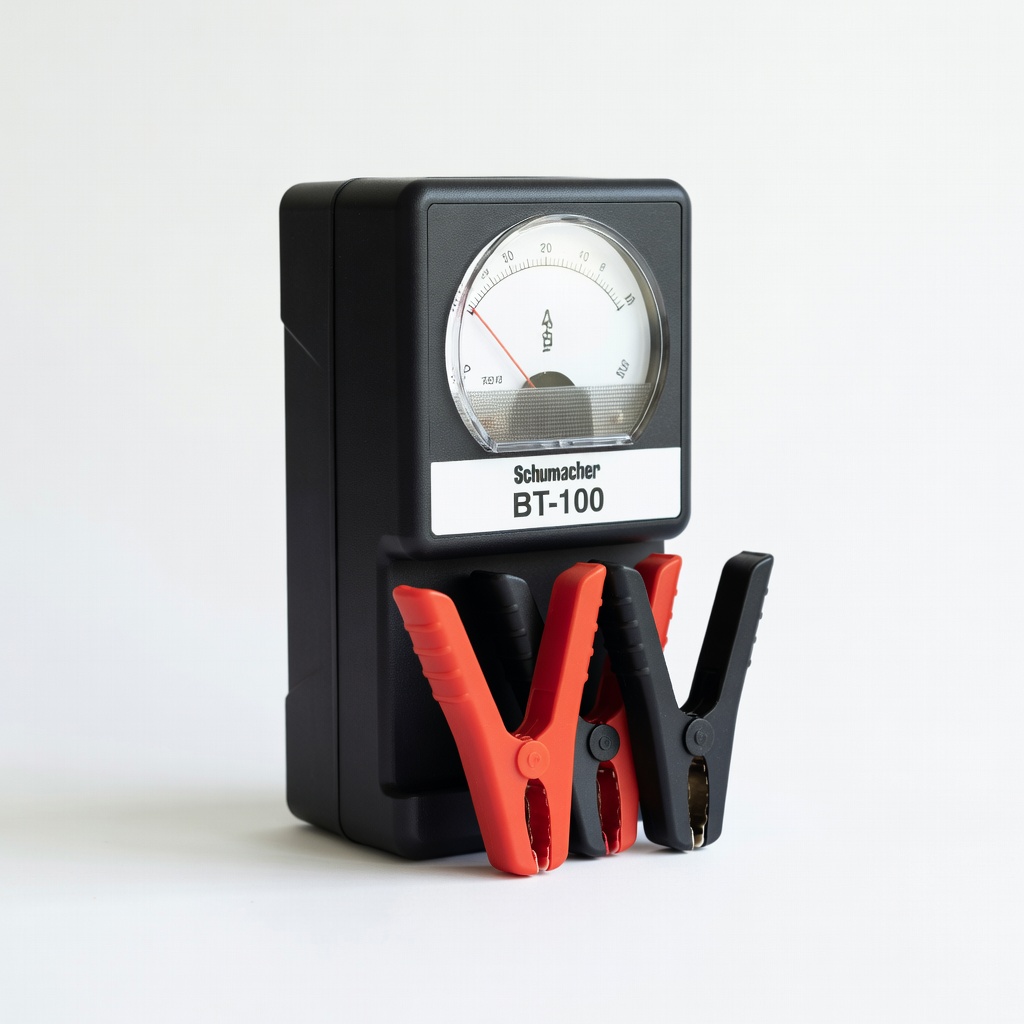
Confirming if 6.3V resting holds under 100A draw
Schumacher BT-100 Battery Load Tester Applies proper load to reveal true health beyond resting voltage
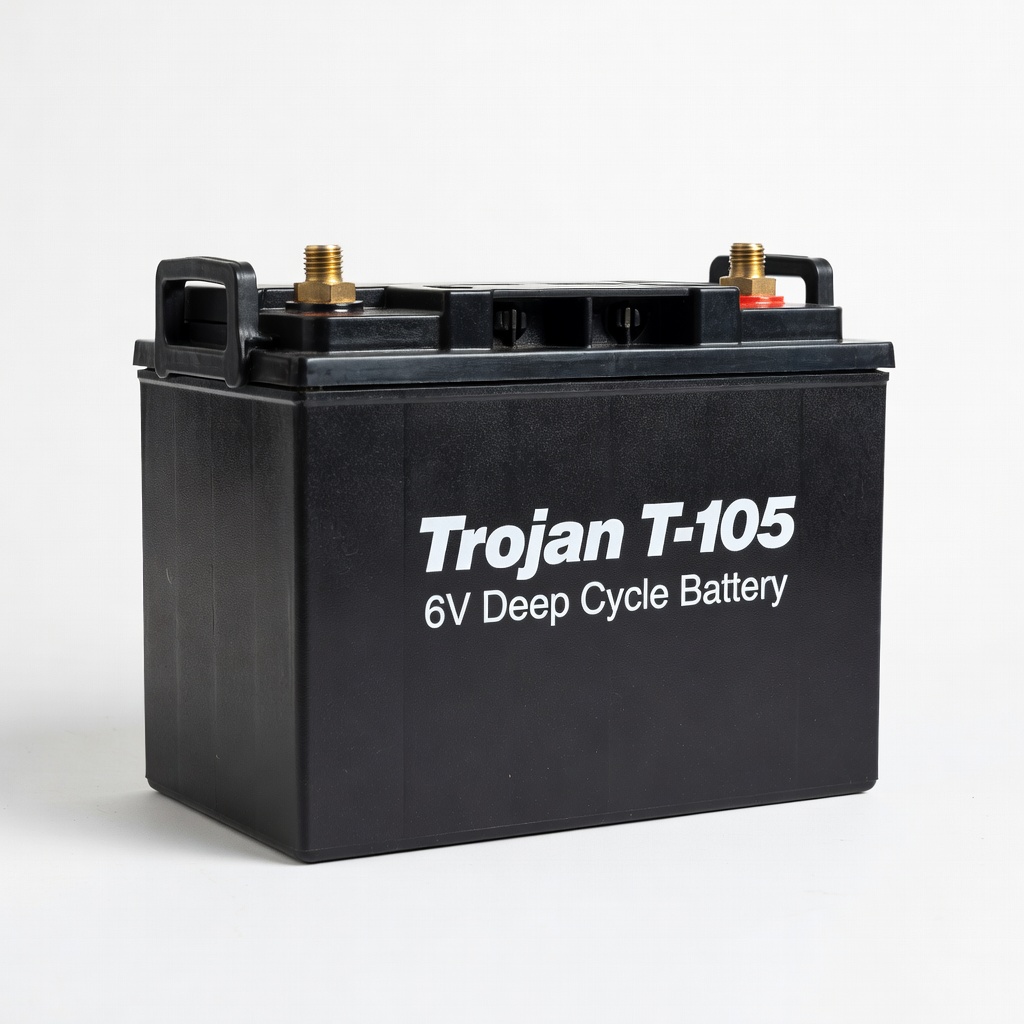
Replacement if tests show <6.0V chronic low
Trojan T-105 6V Deep Cycle Battery Gold standard for golf carts—holds 6.3V+ reliably with proper care
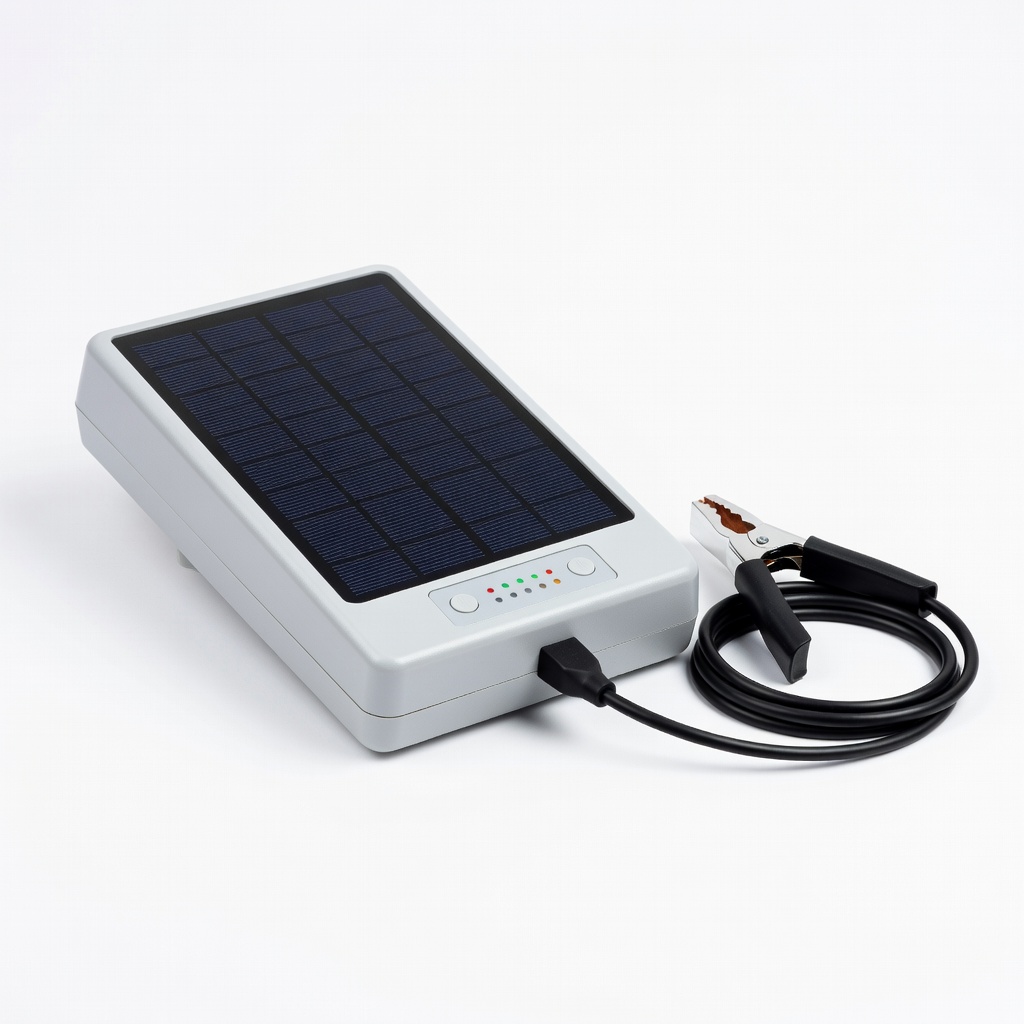
Off-season storage to prevent voltage drop
BatteryMINDer 6V Solar Charger/Maintainer Maintains exact 6.3V float, desulfates to restore voltage
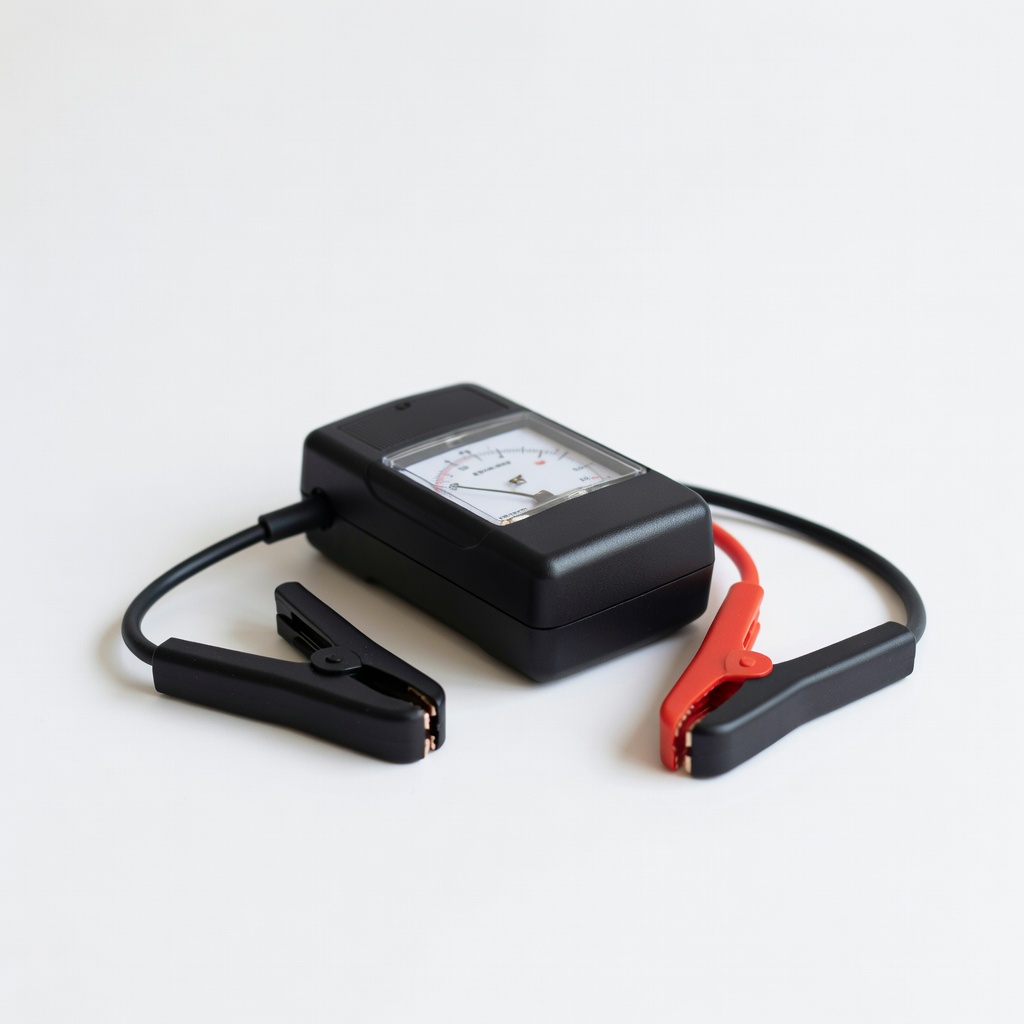
Quick diagnostics without math
Actron CP7838 Battery Tester Digital load tester with SOC % readout tied to voltage