
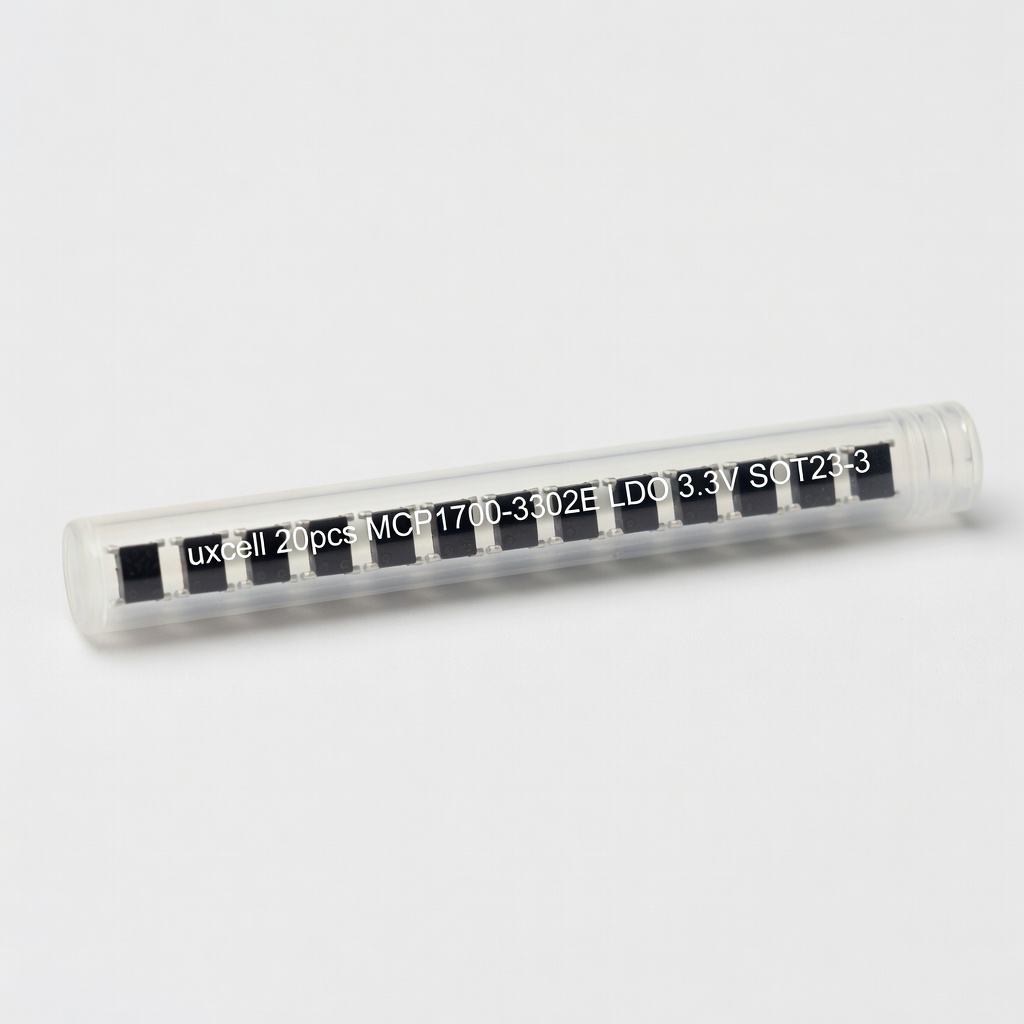
uxcell 20pcs MCP1700-3302E LDO 3.3V SOT23-3
Low-power sensors, MCUs from CR2032.
$8.99
uxcell 20pcs MCP1700-3302E LDO 3.3V SOT23-3 Ultra-low Iq 1.6µA, low dropout 178mV—ideal for 3V coin cells to stable 3.3V.
Get the App
Better experience on mobile
Learn key specs, top LDO picks, and how to choose regulators that maximize battery life in low-power projects.
Powering electronics with 3V batteries like CR2032 coin cells is common in wearables, sensors, and IoT devices, but raw battery voltage sags under load, causing unstable performance or resets. Without proper regulation, your circuit fails prematurely.
In this guide, you'll understand voltage regulator types, critical specs like quiescent current and dropout voltage, and the best options for 3V inputs. We'll cover linear LDOs vs. switching converters, selection criteria, and basic implementation—perfect for intermediate makers.
Expect 20-30 minutes to read, grasp concepts, and plan your build. No advanced math, just practical insights with examples.
Estimated Time: 20-30 minutes Difficulty: intermediate
Voltage regulators maintain a stable output voltage despite input fluctuations. For 3V batteries (nominal 3V, ranging 2.0-3.6V), they prevent sags during high current draws.
Linear regulators (LDOs) drop excess voltage as heat—simple, low noise. Switching regulators use inductors for efficiency >90%, ideal for long battery life but noisier.
Analogy: LDO is like a pressure relief valve (wastes energy), switching is a pump (efficient). Start with LDOs for 3V unless efficiency is critical.
💡 Tips:
3V cells like CR2032 have ~220mAh capacity but sag to 2V under 10mA load. Regulators must have low dropout voltage (Vdrop <200mV) to work till battery end.
High quiescent current (Iq) drains battery even idle—aim <5µA. Output current matches load (e.g., 50mA for ESP32 deep sleep).
Expect 2-10x longer life with proper regulator vs. direct connect.
⚠️ Warnings:
Focus on:
Example: For 3V to 1.8V MCU, need Vdrop <1.2V total headroom.
💡 Tips:
LDOs shine for 3V: low parts count, cheap, quiet. Efficient if Vdrop small (e.g., 3V to 2.8V: 90%+ eff).
Switching for step-up (to 3.3/5V) or high loads. Downside: EMI, complexity.
Recommendation: LDO for <50mA, switching for more.
MCP1700: Iq 1.6µA, Vdrop 178mV@100mA, outputs 1.8-5V. Perfect for coin cells.
TPS7A02: Iq 25nA (!), Vdrop 100mV. Ultra-low power.
HT7333: Iq 4µA, cheap, good for basics.
These extend CR2032 life from days to months.
💡 Tips:
If circuit needs >3V (e.g., 3.3V MCU), use efficient boost like Pololu S9V11F3: 3V in to 3.3V out, Iq 20µA, 100mA.
Efficiency 80-90%, vs. LDO waste.
Example: Arduino Nano 3.3V from fading CR2032.
⚠️ Warnings:
Wire: Battery+ to Vin, GND common, 1µF caps in/out, load resistor (e.g., 1kΩ for 3mA).
Solder or breadboard. Measure Vout with multimeter—stable? Good.
💡 Tips:
Load test: Vary current (10µA-50mA), check Vout stability, measure total current draw.
Battery life estimate: Capacity / (Iq + Iload_avg).
Expect <5% deviation.
Problem: Output voltage too low
Solution: Check battery > Vout + Vdrop; add caps; verify polarity.
Problem: Regulator hot
Solution: Excessive Vdrop or overload—use switching or lower current.
Problem: Unstable/oscillating output
Solution: Wrong cap type/value—use low-ESR ceramic 1µF+.
Problem: No output
Solution: Dead battery/short; test continuity; replace part.
Ultra-low Iq 1.6µA, low dropout 178mV—ideal for 3V coin cells to stable 3.3V.
Best for: Low-power sensors, MCUs from CR2032.
Price Range: $8.99
Efficient boost from <1V to 3.3V, Iq 22µA, compact SIP package.
Best for: Boost fading 3V battery for 3.3V chips.
Price Range: $4.95
Cheap, Iq 4µA, dropout 150mV—beginner-friendly thru-hole.
Best for: Prototypes, simple stabilization.
Price Range: $5.99
Nano-Iq 25nA, perfect for year+ battery life.
Best for: Ultra-low power IoT nodes.
Price Range: $10-15
Low-power sensors, MCUs from CR2032.
uxcell 20pcs MCP1700-3302E LDO 3.3V SOT23-3 Ultra-low Iq 1.6µA, low dropout 178mV—ideal for 3V coin cells to stable 3.3V.
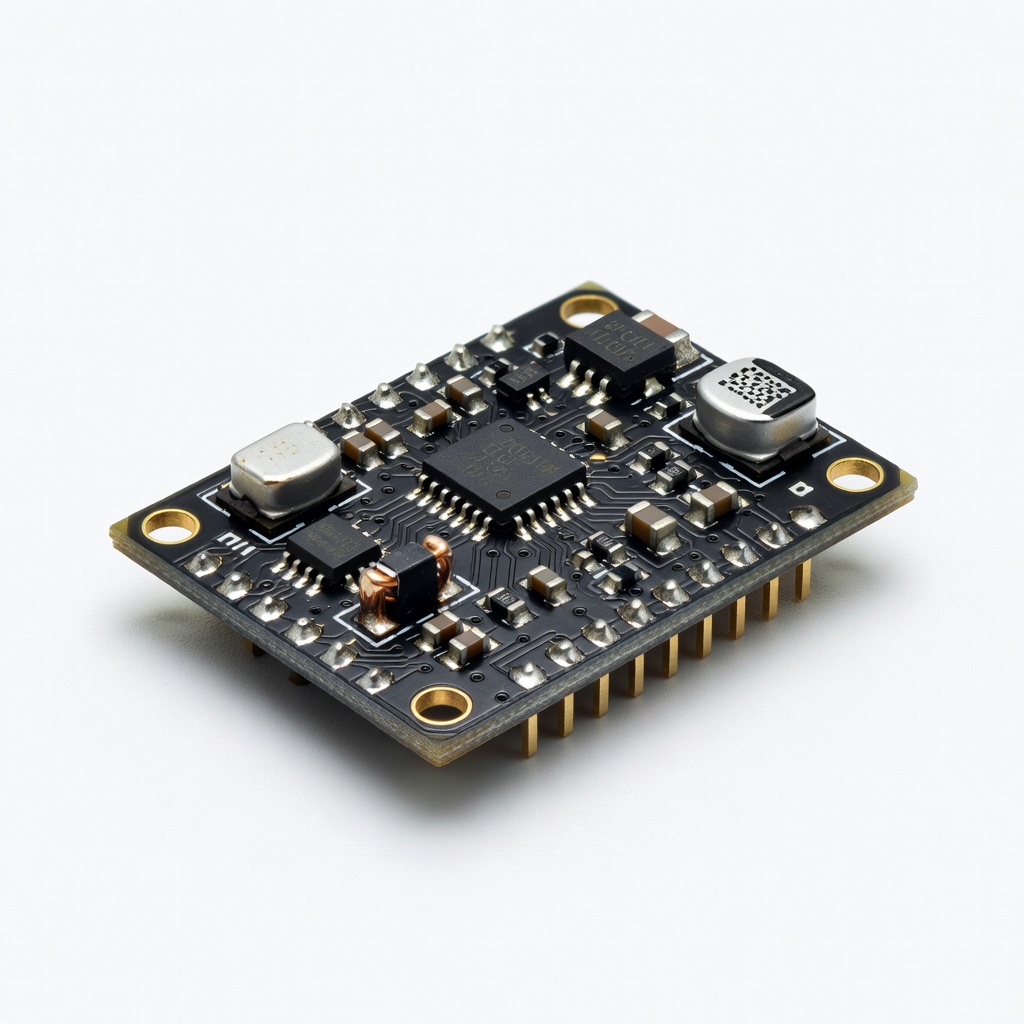
Boost fading 3V battery for 3.3V chips.
Pololu 3.3V Step-Up Voltage Regulator S9V11F3 Efficient boost from <1V to 3.3V, Iq 22µA, compact SIP package.
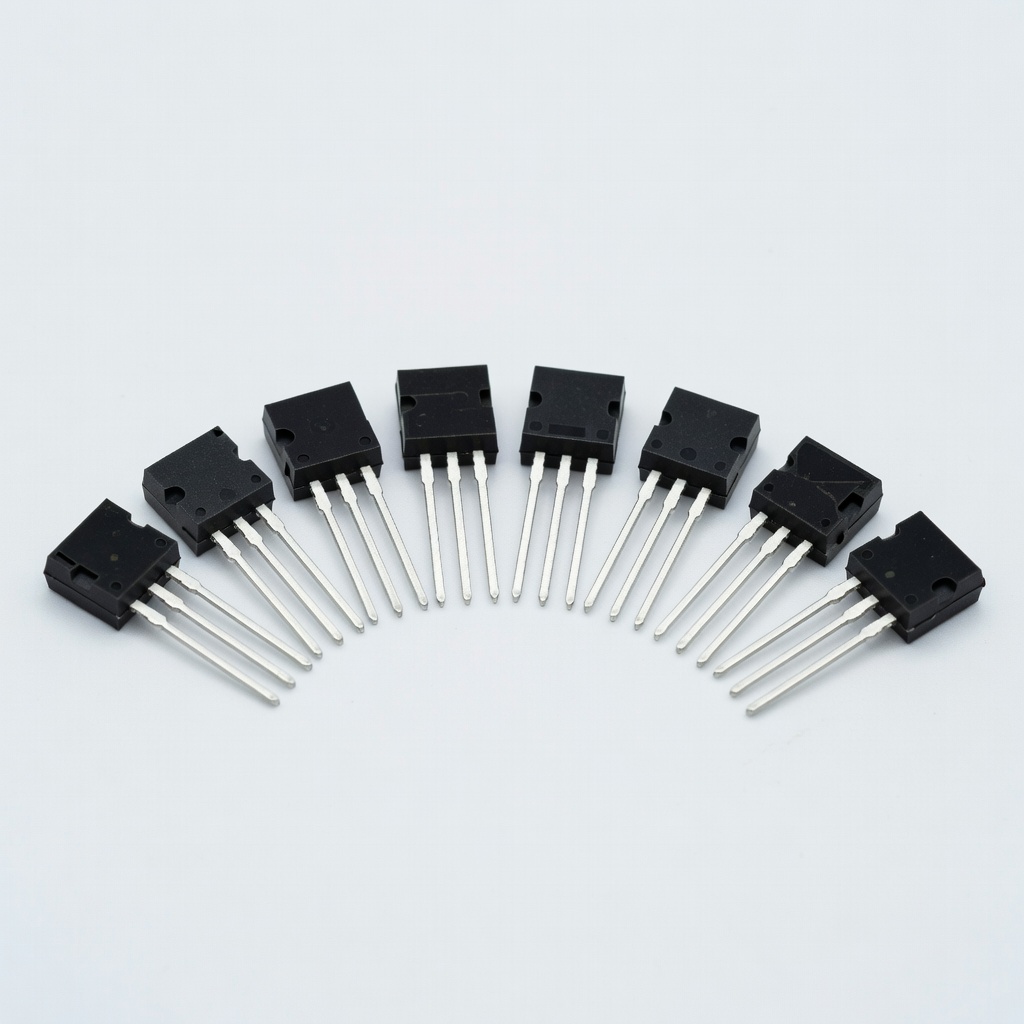
Prototypes, simple stabilization.
HiLetgo 10pcs HT7333-A 3.3V LDO TO-92 Cheap, Iq 4µA, dropout 150mV—beginner-friendly thru-hole.
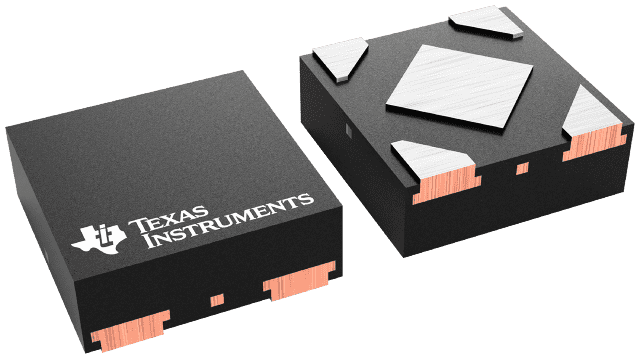
Ultra-low power IoT nodes.
Texas Instruments TPS7A02 Ultra-Low IQ LDO (Sample Pack) Nano-Iq 25nA, perfect for year+ battery life.