▸Why Voltage Regulators Matter for 9V Batteries
9V batteries are a staple in DIY electronics, pedals, and portable gadgets, but their voltage sags under load (from 9V to as low as 6V). Unregulated power leads to unstable circuits, resets, or failures. Pairing the right voltage regulator ensures clean, reliable output like 5V or 3.3V for microcontrollers.
In this guide, you'll understand regulator types, key specs for battery use, and how to choose the best ones. We'll cover linear, LDO, and switching options with real-world examples. Expect 15-20 minutes to read and grasp concepts—no soldering required yet.
Perfect for intermediate makers building Arduino projects, guitar effects, or sensors.
▸What You'll Need
- •Basic electronics knowledge (Ohm's law, circuits)
- •Multimeter for testing (optional but recommended)
- •9V battery and snap connector
- •Breadboard for prototyping (optional)
Estimated Time: 15-20 minutes
Difficulty: intermediate
▸Step-by-Step Instructions
Step 1: Understand Why 9V Batteries Need Regulation
9V batteries provide nominal 9V but fluctuate, causing issues in voltage-sensitive components like MCUs (needing 3.3-5V).
Regulators maintain fixed output despite input changes. For batteries, prioritize low dropout voltage (headroom needed) and quiescent current (Iq) to avoid draining the cell fast.
Analogy: Think of it as a steady faucet from a fluctuating water tower—regulators smooth the flow.
💡 Tips:
- •Measure your battery's voltage under load first.
Step 2: Compare Regulator Types for 9V Use
Three main types:
- •Linear (e.g., 7805): Simple, cheap, but wasteful heat (inefficient >50% loss from 9V to 5V).
- •LDO (Low Dropout): Better for batteries; dropout <1V, low Iq (<100uA ideal).
- •Switching (Buck): Highest efficiency (80-95%), minimal heat, but noisier—add filters for analog.
Choose LDO for low-power (<100mA), switching for higher loads.
💡 Tips:
- •LDOs shine with 9V's high starting voltage.
⚠️ Warnings:
- •Avoid standard 78xx series; too much dropout and heat.
Step 3: Key Specs to Check for Battery Pairing
Dropout Voltage: Must be < (9V min - Vout). E.g., for 5V out, <4V dropout.
Quiescent Current (Iq): <50uA for long battery life (9V alkaline ~500mAh).
Max Output Current: Match your load (e.g., 500mA+ for LEDs/motors).
Efficiency/Power Dissipation: Calculate heat = (Vin - Vout) * Iout.
Datasheets are your bible—search '[IC] datasheet'.
💡 Tips:
- •Use online calculators like DigiKey's regulator tool.
Step 4: Best Linear/LDO Regulators for 9V
For 5V/3.3V:
- •AMS1117 series: Dropout 1.1V, Iq 5mA, 1A max.
- •MCP1700: Ultra-low Iq 1.6uA, dropout 178mV—perfect for sleep-mode sensors.
Example: 9V to 3.3V MCU: MCP1700 wastes minimal power.
Mount with caps (10uF in/out) for stability.
💡 Tips:
- •Add bypass caps to reduce noise.
Step 5: Top Switching Regulators for Efficiency
LM2596/MC34063 modules: Adjustable 1.25-37V out, 3A, 80%+ eff.
Why for 9V? Handles sag to 4V min, low heat for motors/amps.
Analogy: Gas vs electric heater—switching 'pulses' power efficiently.
Pre-made modules simplify; adjust pot for exact Vout.
⚠️ Warnings:
- •Switching noise: Use LC filter for audio.
Step 6: Match Regulator to Your Project Needs
- •Low power (<50mA, sensors): MCP1700 LDO.
- •Medium (100-500mA, Arduino): AMS1117 or LM1117.
- •High power (>500mA): LM2596 buck.
Consider output voltage: 5V USB gadgets, 3.3V ESP32.
Prototype on breadboard: Battery -> reg -> load + multimeter.
💡 Tips:
- •Battery life formula: Capacity / (Iq + Iload * (1-eff)).
Step 7: Test and Integrate Safely
- •No load: Check Vout with multimeter.
- •Add load: Verify stability, heat (finger test <60C).
- •Full circuit: Monitor ripple (<50mV AC).
Heat sink if >100mA linear. Use modules for beginners.
⚠️ Warnings:
- •Shorts kill batteries—double-check polarity.
▸Pro Tips
- •Prioritize Iq <10uA for battery-powered always-on devices.
- •Use adjustable bucks for flexibility across projects.
- •Parallel regulators for higher current, but match specs.
- •Add Schottky diode for reverse polarity protection.
- •Simulate in LTSpice first for complex loads.
- •Buy modules with heatsinks for quick prototyping.
- •Log battery runtime to validate choices.
▸Common Mistakes to Avoid
- •Ignoring dropout: Circuit dies when battery sags below threshold.
- •Overlooking Iq: Battery drains in days, not months.
- •No capacitors: Oscillation causes resets/noise.
- •Choosing linear for high current: Melts components from heat.
- •Skipping heat management: Regulators fail prematurely.
▸Troubleshooting
Problem: Output voltage drifts or drops
Solution: Check input voltage > dropout + Vout; add 10uF caps; replace weak battery.
Problem: Regulator gets hot
Solution: Switch to buck converter or add heatsink; reduce load.
Problem: Noise/ripple in output
Solution: Add output filter (100uF + 0.1uF); use LDO post-buck.
Problem: No output
Solution: Verify wiring/polarity; test IC continuity; check for shorts.
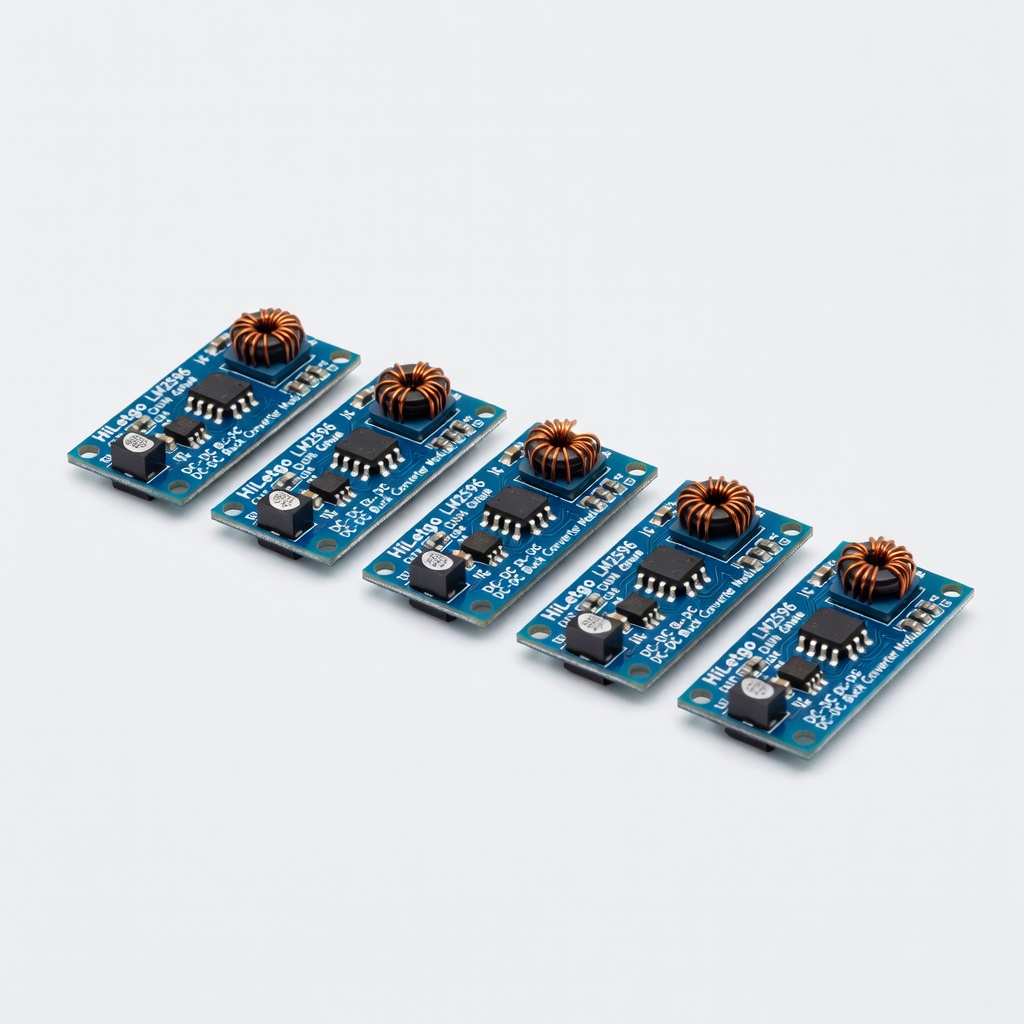
HiLetgo LM2596 DC-DC Buck Converter Module (5pcs)
Efficient switching regulator handles 9V sag, adjustable to 3.3V/5V, 3A max—ideal for power-hungry projects.
Best for: Arduino, motors, pedals needing >200mA.
Price Range: $8.99
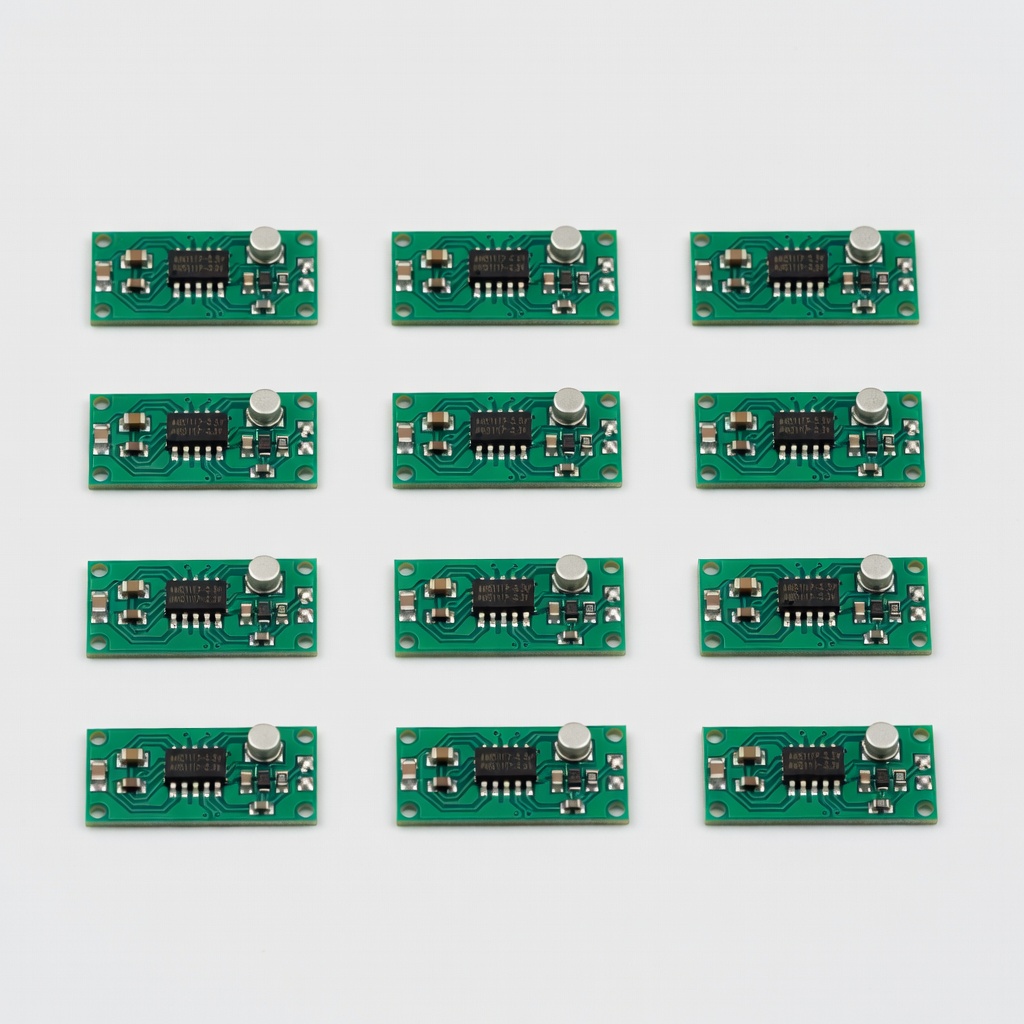
DAOKI AMS1117-3.3V LDO Voltage Regulator Module (10pcs)
Low dropout (1.1V), 800mA, simple drop-in for 9V to 3.3V with minimal waste.
Best for: Sensors, ESP32—low-medium power.
Price Range: $9.99
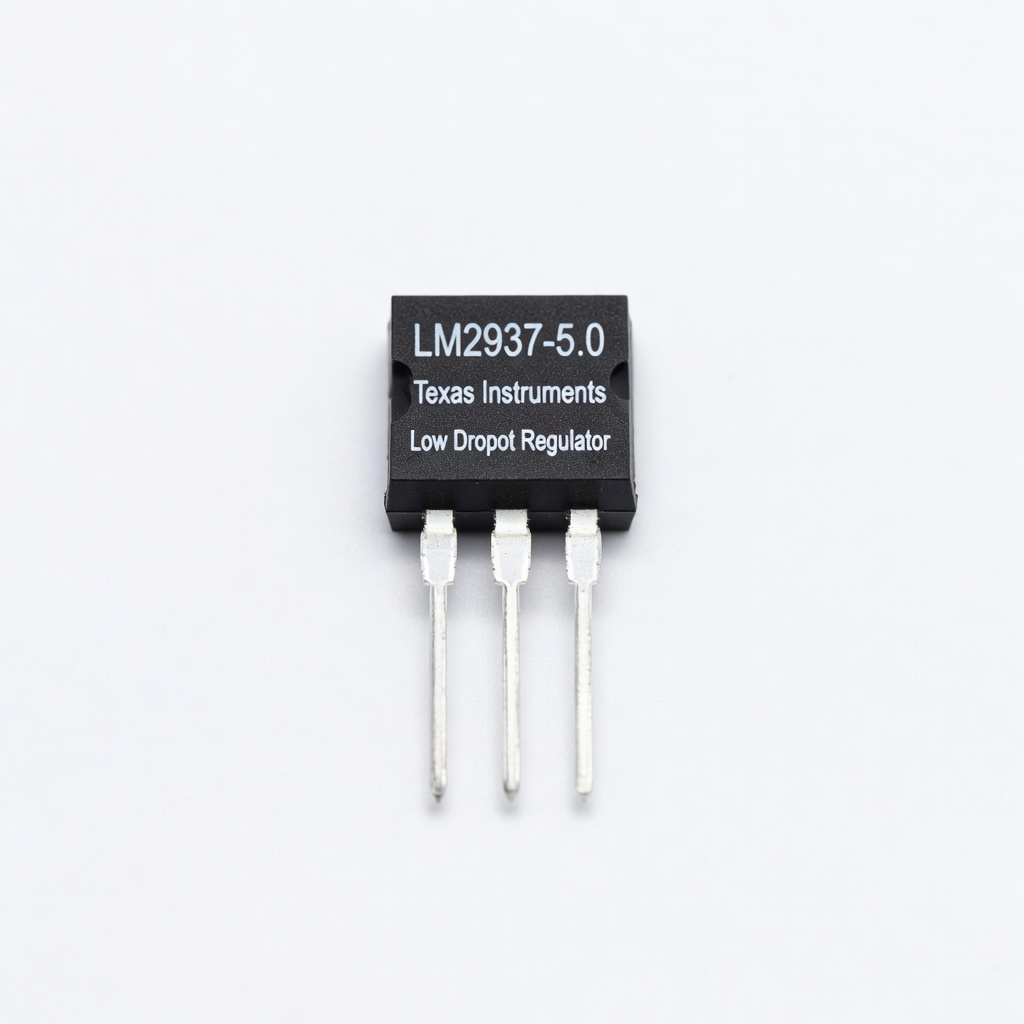
Texas Instruments LM2937-5.0 Low Dropout Regulator
Battery-optimized LDO, Iq 6uA, dropout 500mV, TO-92 package for compact builds.
Best for: Ultra-low power always-on devices.
Price Range: $4.99 (pack)
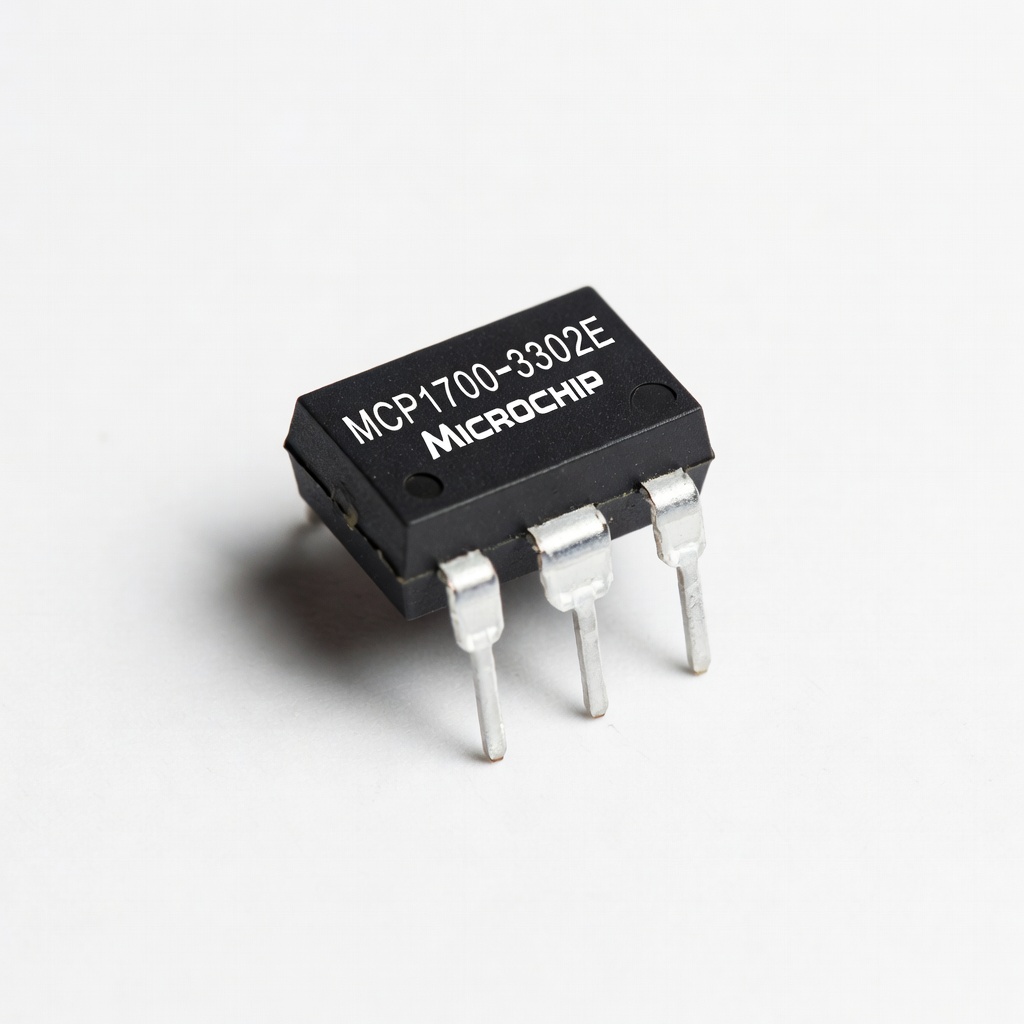
MCP1700-3302E Low Dropout Regulator (Microchip)
Best-in-class Iq 1.6uA, 250mA, stable to 2.3V in—maximizes 9V life.
Best for: Wearables, IoT battery projects.
Price Range: $5.49