Guitar pedals are sensitive to power supply noise and voltage fluctuations, which often cause unwanted hum, buzz, or inconsistent performance—especially in daisy-chained setups from a single 9V adapter. Unregulated wallwarts (typically 9.6V-12V) can introduce ripple and sag under load, ruining your tone.
In this guide, you'll learn the fundamentals of voltage regulators, key specs for audio applications, top recommendations (linear, LDO, switching), and installation basics. Whether DIY-ing a pedalboard power supply or modding pedals, you'll achieve reliable 9V output. Expect a 20-30 minute read with intermediate electronics knowledge assumed—no advanced soldering required to start.
▸What You'll Need
- •Basic electronics knowledge (Ohm's law, polarity)
- •Multimeter for testing voltages
- •Soldering iron and solder (optional, for installation)
- •Perfboard or PCB for prototyping (optional)
- •Datasheets for regulators (free online)
Estimated Time: 20-30 minutes
Difficulty: intermediate
▸Step-by-Step Instructions
Step 1: Understand Why Regulators Are Essential for Pedals
Guitar pedals need stable 9V DC with minimal ripple (<50mV) to avoid 60Hz hum or high-frequency noise from adapters. Unregulated supplies vary 8-12V and spike under load from analog circuits (op-amps, transistors).
Regulators fix this by outputting fixed 9V, filtering noise. In pedalboards, use one per isolated row to prevent ground loops. Expect cleaner tone, longer pedal life.
Analogy: Like a shock absorber for your power—smooths bumps for pure signal.
💡 Tips:
- •Start with a multimeter to measure your current adapter's ripple.
⚠️ Warnings:
- •Skipping regulation risks damaging sensitive ICs like op-amps.
Step 2: Grasp Voltage Regulator Basics
Voltage regulators are ICs that maintain constant output voltage despite input changes or load. Three-terminal types (IN, GND, OUT) are simplest for pedals.
Key analogy: A regulator is a 'valve' that bleeds off excess voltage as heat (linear) or recycles it (switching). Input must exceed output + dropout voltage (e.g., 9V out needs 10-12V in).
Most pedals draw 10-100mA; choose regulators rated 500mA+ for headroom.
💡 Tips:
- •Always check datasheet for pinout—don't fry it with wrong wiring.
Step 3: Compare Linear vs. Switching Regulators
Linear regulators (e.g., 78xx series) drop excess voltage as heat—simple, low noise (ideal for audio), but inefficient (hot at high Vin).
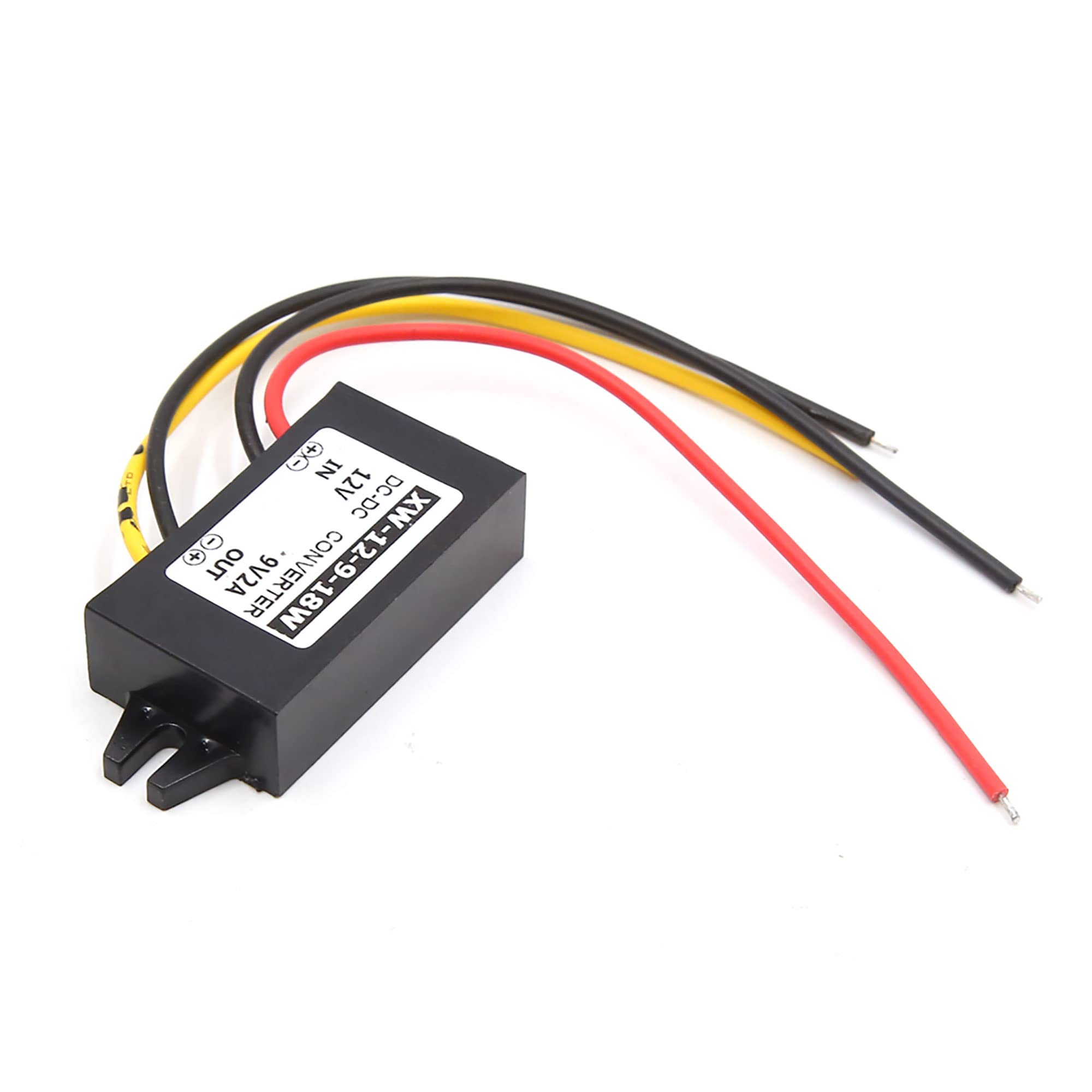
Switching regulators convert voltage efficiently (90%+), cooler, but can introduce EMI noise unless filtered.
For pedals: Linear/LDO for ultra-quiet; switching for battery/multi-pedal efficiency. Linear: dropout 2V+; LDO: <1V.
💡 Tips:
- •Use linear for short chains; switching for 18V input to 9V.
- •Add 10-100uF caps on input/output for stability.
Step 4: Key Specs for 9V Pedal Regulators
Prioritize: Output 9V ±5%, current ≥500mA, dropout <1V (for 9.6V walls), noise <100uV RMS, PSRR >60dB (rejects input ripple).
Thermal resistance: <5°C/W or add heatsink. Package: TO-220/TO-92/SOT-223.
Why? Pedals hate noise; low dropout handles weak adapters.
⚠️ Warnings:
- •Ignore PSRR → hum; undersize current → voltage sag.
Step 5: Evaluate Linear Regulators
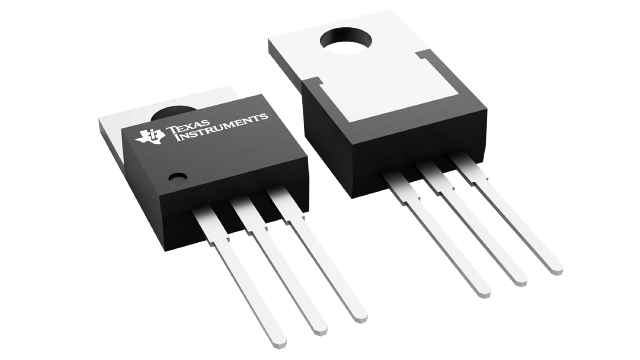
Classics like LM7809: robust, 1A, but 2V dropout, gets hot (use heatsink). Cheap, dead-quiet.
Examples: UA7809 (fairchild), good for basic boards. Heat = (Vin-Vout)*Iout, e.g., 3V drop * 0.5A = 1.5W → 60°C rise.
💡 Tips:
- •Mount on chassis for heatsink.
Step 6: Explore Low-Dropout (LDO) Options
LDOs like LM2940-9.0: 0.5V dropout, low noise, perfect for 9-9.6V inputs. Ultra-quiet for overdrive/distortion pedals.
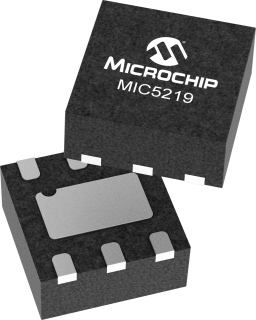
MIC5219-9.0: <1uV noise, SOT-23 tiny package.
Step 7: Consider Switching Regulators
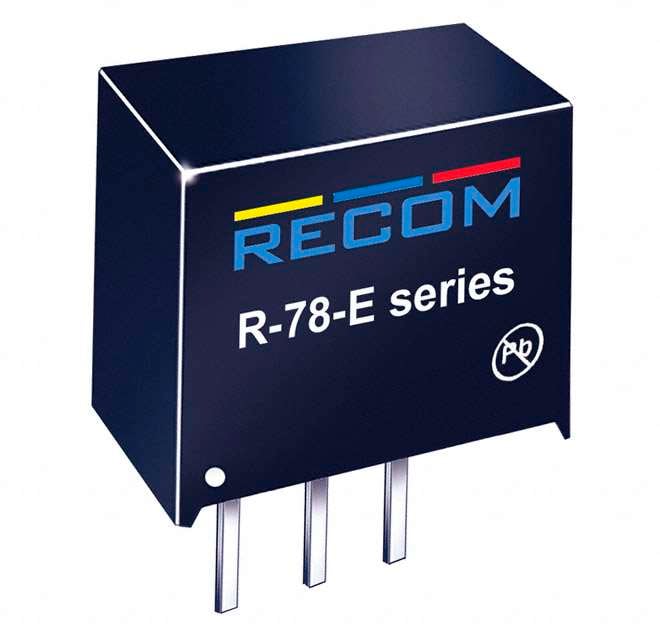
RECOM R-78E9.0: drop-in 78xx replacement, 90% efficient, 30uV ripple. Handles 6.5-28V in.
Great for power-hungry boards; add LC filter for audio.
⚠️ Warnings:
- •Test for switching noise with scope if possible.
Step 8: Install and Test Your Regulator
Wire: +Vin to IN, GND common, +Vout to pedals. Add 0.1uF ceramic + 10uF electrolytic caps.
Solder to perfboard, isolate rows. Test: Multimeter 9.00V no load, 8.9V under load. Scope ripple if available.
Secure with heatsink if >0.5W.
💡 Tips:
- •Use star grounding to avoid loops.
▸Pro Tips
- •Always add input/output capacitors: stabilizes, reduces noise.
- •Use isolated DC-DC converters for multi-voltage boards.
- •Heatsink linear regs: TO-220 clips are $1 wonders.
- •Measure pedal current first: sum for total draw.
- •Bypass switching regs with ferrite bead + cap for EMI.
- •Prototype on breadboard before PCB.
- •Stock 10pcs: regulators fail from heat abuse.
▸Common Mistakes to Avoid
- •Wiring backwards: Instant smoke—double-check pinout.
- •No heatsink on linear regs: Overheats, shuts down mid-gig.
- •Ignoring dropout: Output drops below 9V from weak adapter.
- •Shared grounds across rows: Ground loop hum city.
- •Skipping caps: Oscillation or instability.
▸Troubleshooting
Problem: Output voltage too low
Solution: Check input > dropout +9V; add input cap if sagging.
Problem: Regulator overheating
Solution: Calculate power dissipation; add larger heatsink or switch to LDO/switching.
Problem: Hum or buzz in pedals
Solution: Improve grounding; use higher PSRR reg; add output filter cap.
Problem: No output
Solution: Verify polarity, shorts; test continuity. Replace if shorted.
Problem: Switching noise
Solution: Add LC low-pass filter (10uH inductor + 100uF cap).
uxcell 10Pcs LM7809AC 9V Voltage Regulator TO-220
Classic linear regulator: reliable, zero noise, handles 1A—perfect starter for pedal power.
Best for: Basic daisy-chain from 12V+ adapter; cheap bulk for DIY.
Price Range: $8.99
Texas Instruments LM2940CT-9.0/NOPB LDO Regulator
Low dropout (0.5V), 1A, excellent PSRR—stays cool and quiet on marginal 9.6V supplies.
Best for: Tight dropout needs or noise-sensitive analog pedals.
Price Range: $1.50-$3
RECOM Power R-78E9.0-1.0 Switching Regulator
93% efficient, 30mVpp ripple, 78xx pin-compatible—efficient alternative without heat.
Best for: High-power pedalboards or 18V input; battery extenders.
Price Range: $5.95-$7.50
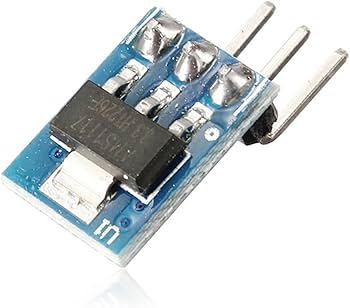
HiLetgo 10pcs AMS1117-9.0 LDO Voltage Regulator SOT-223
Ultra-low dropout (1.1V), low quiescent current, compact—great for mods inside pedals.
Best for: Space-constrained builds or low-power pedals.
Price Range: $6.99
Microchip MIC5219-9.0YM LDO (singles or pack)
Lowest noise (<1uV), 500mA—audiophile choice for hi-fi pedals.
Best for: Premium tone: delays, reverbs where noise kills trails.
Price Range: $2-$4