In 12V systems—think cars, RVs, boats, solar panels, or off-grid power—battery voltage fluctuates wildly: as low as 10.5V when discharged or spiking to 14.5V during charging. These swings can damage microcontrollers, LED lights, radios, and sensors, leading to costly failures and downtime.
This guide breaks down voltage regulators for advanced users, explaining types, specs, selection criteria, and real-world applications. You'll learn to choose regulators that deliver rock-solid output despite input variations, with comparisons, calculations, and product picks. No fluff—just engineering insights to optimize your 12V projects.
Expect 25-35 minutes to read, understand concepts, and apply selection math. Prerequisite: Comfort with Ohm's Law, power calculations (P=VI), and basic circuit analysis.
▸What You'll Need
- •Digital multimeter (for voltage/current measurements)
- •Oscilloscope (optional, for ripple/noise analysis)
- •Basic electronics knowledge (Ohm's Law, series/parallel circuits, heat dissipation)
- •Datasheets reader (e.g., Digi-Key or Mouser app)
- •12V power source for testing (battery or bench supply)
Estimated Time: 25-35 minutes
Difficulty: advanced
▸Step-by-Step Instructions
Step 1: Understand Voltage Regulation Fundamentals
Voltage regulation maintains a constant output voltage despite input variations, load changes, or temperature shifts. In 12V systems, unregulated DC from batteries/alternators varies 10-15V, but regulators clamp it to precise levels like 12V, 5V, or 3.3V.
Key equation: Regulation = (V_no_load - V_full_load) / V_nominal * 100%. Aim for <1% for precision apps. Analogy: Like a governor on an engine keeping RPM steady regardless of throttle.
Expect to calculate your needs: If load is 5A at 12V, power = 60W; account for efficiency losses.
💡 Tips:
- •Use LTSpice for simulation before buying.
- •Reference IEEE Std 446 for power quality benchmarks.
⚠️ Warnings:
- •Ignore transients (>50V spikes in autos)—add TVS diodes upstream.
Step 2: Identify 12V System Challenges
12V lead-acid batteries discharge to 10.5V (50% SOC), charge to 14.4V. Automotive alternators output 13.8-14.4V. Loads like inverters draw surges, causing droop.
Noise/ripple from switching loads (e.g., motors) hits 500mVpp, frying ADCs. Heat in regulators (P_diss = (V_in - V_out)*I) limits linear types.
Why it matters: Stable rails prevent brownouts in ECUs or resets in Arduinos.
💡 Tips:
- •Log voltages over 24h in your system with a datalogger.
Step 3: Compare Linear vs. Switching Regulators
Linear regulators (e.g., 78xx series) drop excess voltage as heat: Simple, low noise (<10mV ripple), but inefficient (>30% loss at 14V to 12V).
Switching (buck/boost/SEPIC) use PWM for 85-95% efficiency, but noisier (50-200mV ripple). For 12V systems:
| Type | Efficiency | Noise | Cost | Heat |
|---|
| Linear | Low | Ultra-low | $0.50 | High |
| Switching | High | Low-Med | $2-10 | Low |
Choose linear for low-power (<1A), noise-sensitive (audio); switching for high power.
⚠️ Warnings:
- •Linears need heatsinks above 1W dissipation.
Step 4: Key Specifications for 12V Regulators
Dropout voltage: Min V_in - V_out (e.g., 1.5V for LDOs). For 12V out, need >13.5V margin.
Current rating: 2x peak load (derate 20% for heat).
Line/load regulation: <1%/1%.
Ripple/rejection: >60dB PSRR at 100Hz.
Efficiency/thermal: θ_JA <50°C/W. Calculate: T_j = T_a + P_d * θ.
💡 Tips:
- •PSRR curves in datasheets—pick for your noise freq.
Step 5: Evaluate Linear Options for 12V
LDOs like LT1083 (7.5A, 1.3V dropout) or 7812 (1A, 2V dropout) suit battery-end stable 12V. Pros: Zero switching noise. Cons: Waste heat—use for <500mA.
Example: 14V in, 12V/2A out → 4W heat → 50°C rise on 10°C/W sink.
Advanced: Supercapacitor bypass for transients.
⚠️ Warnings:
- •Avoid standard 78xx in low-dropout needs (<2V headroom).
Step 6: Dive into Switching Regulators
Buck (step-down): LM2596 (3A, adj, 150kHz). Boost for <12V batteries. Buck-boost/SEPIC for wide input.
For 12V: 10-18V in to 12V out. Sync bucks (TPS54x00) reduce EMI.
Freq >300kHz for small inductors (10-47uH). Output caps: 100uF low-ESR.
💡 Tips:
- •Snubbers for EMI compliance (CISPR 25 auto std).
Step 7: Select Based on Application
Automotive: AEC-Q100 qualified (TPS7A85), isolated (galvanic for CAN).
Solar/RV: Waterproof IP67 modules, 20-30V input.
High-power: Parallel or paralleled FETs.
Calc tool: Use DigiKey regulator finder—input V/I, filter by eff >90%.
Step 8: Installation and PCB Layout
Ground planes, Kelvin sense for remote loads. Input: 100uF tantalum + 0.1uF ceramic. Output: LC filter.
Kelvin: Separate sense traces from power.
EMI: Shield switching nodes, >20mm creepage.
💡 Tips:
- •Star grounding for multi-rail.
⚠️ Warnings:
- •Reverse polarity—add P-MOSFET crowbar.
Step 9: Testing and Validation
Load test: Dummy resistor bank (12V/5A = 2.4Ω). Measure V_out ±1%, ripple <50mVpp @20MHz BW.
Thermal cam for hotspots. Burn-in 85°C/85%RH.
Pass: Meets spec across full V_in/load/temp.
▸Pro Tips
- •Derate current 50% for automotive vibration/heat.
- •Add soft-start to limit inrush (>10A spikes).
- •Use online calculators (TI WEBENCH) for component values.
- •Parallel regulators with ballast resistors for >10A.
- •Monitor with INA219 I2C sensor for telemetry.
- •Ferrite beads on input suppress conducted EMI.
- •Custom firmware for adjustable regs via MCU.
▸Common Mistakes to Avoid
- •Undersizing current rating—causes dropout/OSC. Solution: 2x margin.
- •Ignoring ripple—ADC errors. Solution: π-filter post-reg.
- •Poor thermal design—thermal runaway. Solution: Calc P_diss + sink.
- •No input protection—spikes fry IC. Solution: TVS + fuse.
- •Wrong topology (buck on boost need)—instability. Solution: Match V_in range.
▸Troubleshooting
Problem: Output oscillates or hunts
Solution: Check phase margin: Add output cap ESR or gate resistor. Verify loop stability with Bode plot.
Problem: Overheating despite low load
Solution: Measure V_drop * I. Improve airflow/heatsink or switch to buck.
Problem: High ripple on switching regs
Solution: Low-ESR caps + higher switching freq. Scope at load.
Problem: No output
Solution: Check enable pin, UVLO threshold, shorted diode/inductor.
Problem: EMI failures
Solution: Spread spectrum, LC filter, shielded cables. Seek EMC lab if CISPR needed.
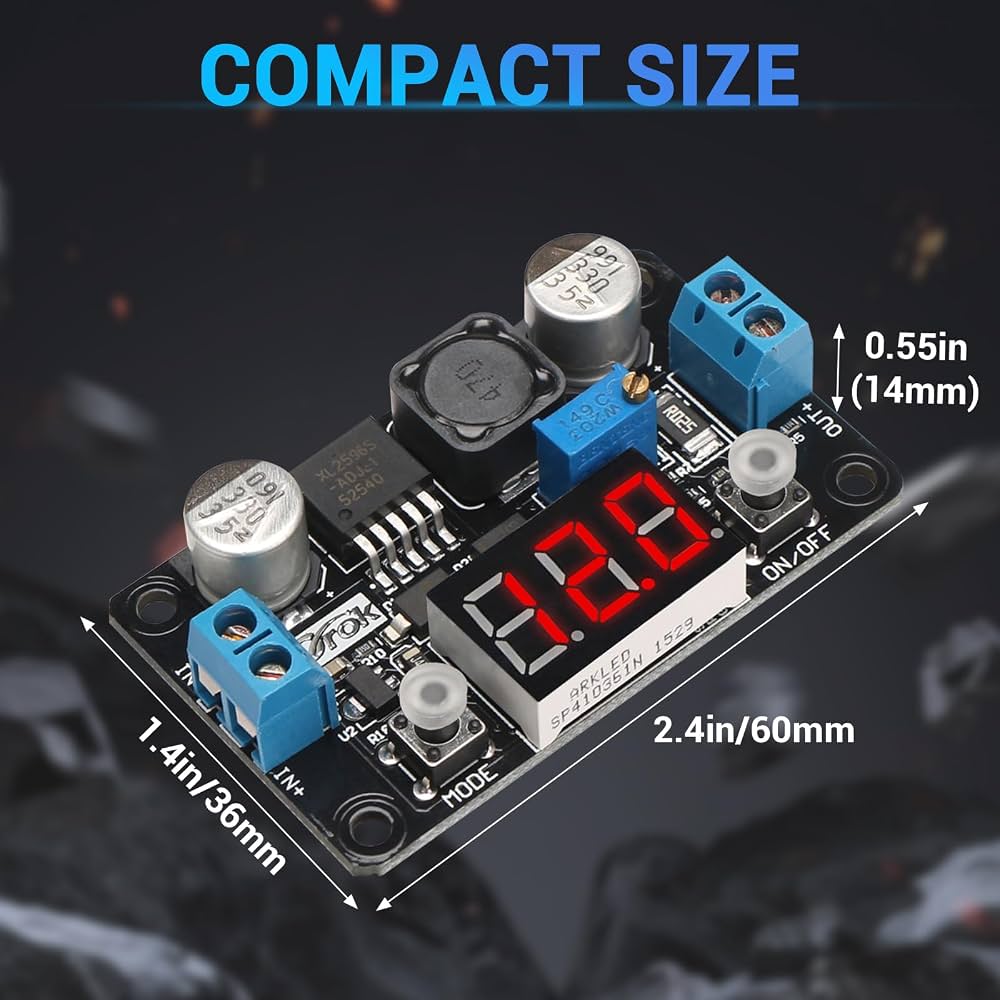
DROK LM2596 DC-DC Buck Converter Module (6-40V to 1.25-37V, 3A)
Affordable, adjustable, high efficiency (92%), compact for prototyping 12V rails from fluctuating batteries.
Best for: Solar/RV step-down 14V charge to stable 12V/5V for loads up to 2.5A continuous.
Price Range: $9.99-$12.99
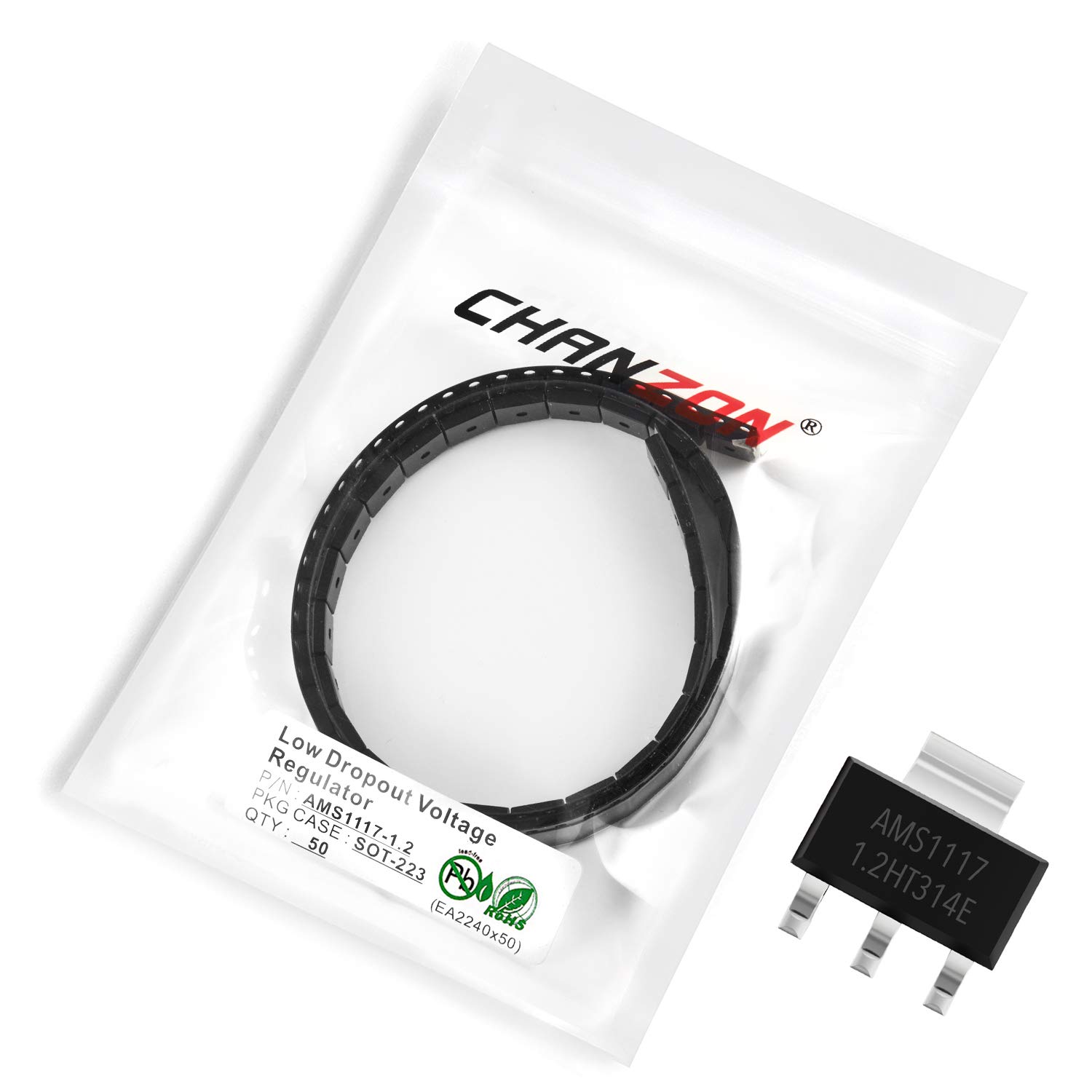
HiLetgo AMS1117-12 LDO Voltage Regulator Module (Low Dropout)
Ultra-low noise (10uV), 1A, 1.1V dropout—ideal for precision analog in noise-sensitive 12V apps.
Best for: Audio preamps or sensors needing <5mV ripple from 13V input.
Price Range: $6.99 for 10pcs
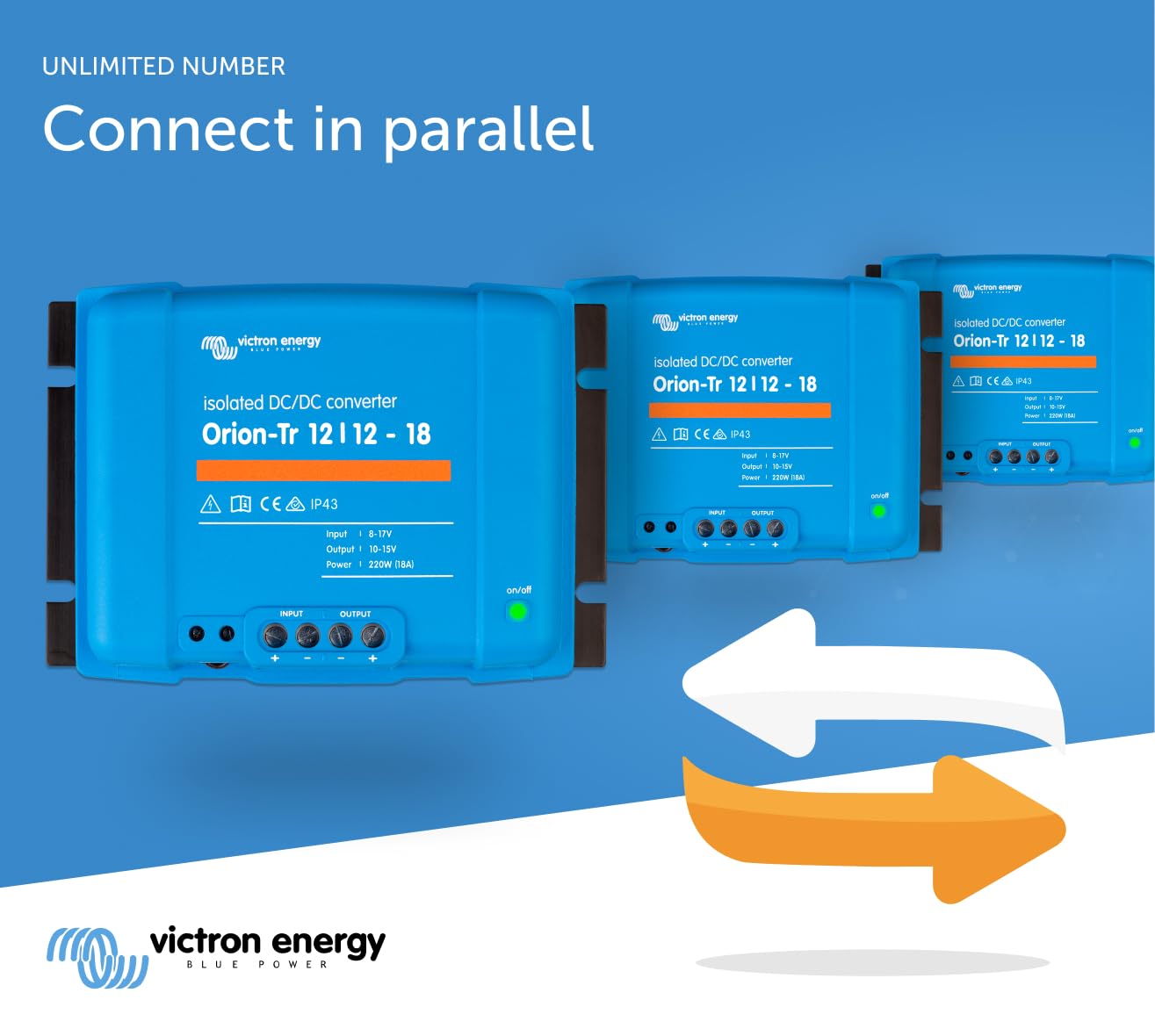
Victron Energy Orion-Tr Smart 12/12-18A DC-DC Converter (Isolated)
Bluetooth monitoring, 96% eff, galvanic isolation, AEC-Q—pro-grade for harsh automotive/off-grid.
Best for: RV dual-battery charging or isolated 12V bus for electronics (up to 220W).
Price Range: $120-$150
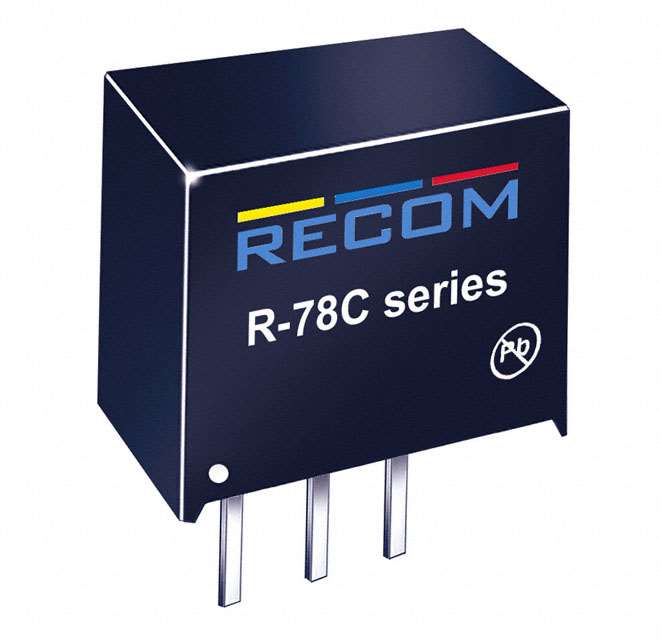
RECOM R-7812-1.0 Switching Regulator (Non-Isolated, SIP3)
95% eff, 1A, wide 11.5-42V in, low profile—reliable drop-in for PCB-mounted 12V stabilization.
Best for: Industrial controls or Arduino shields in 12V systems.
Price Range: $4.50-$6.00
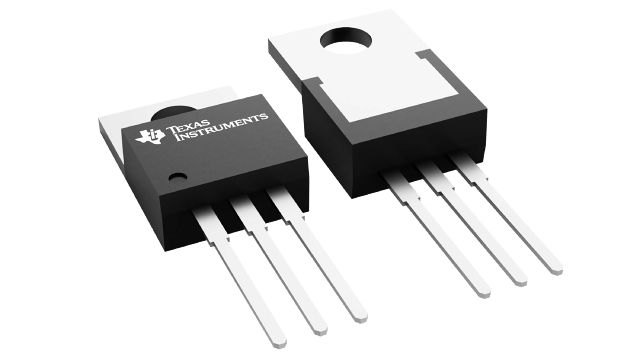
Texas Instruments LM7812CT Linear Regulator (TO-220)
Classic, cheap, bulletproof for low-power (<500mA) with heatsink.
Best for: Simple 12V reference for legacy 12V systems or bench testing.