
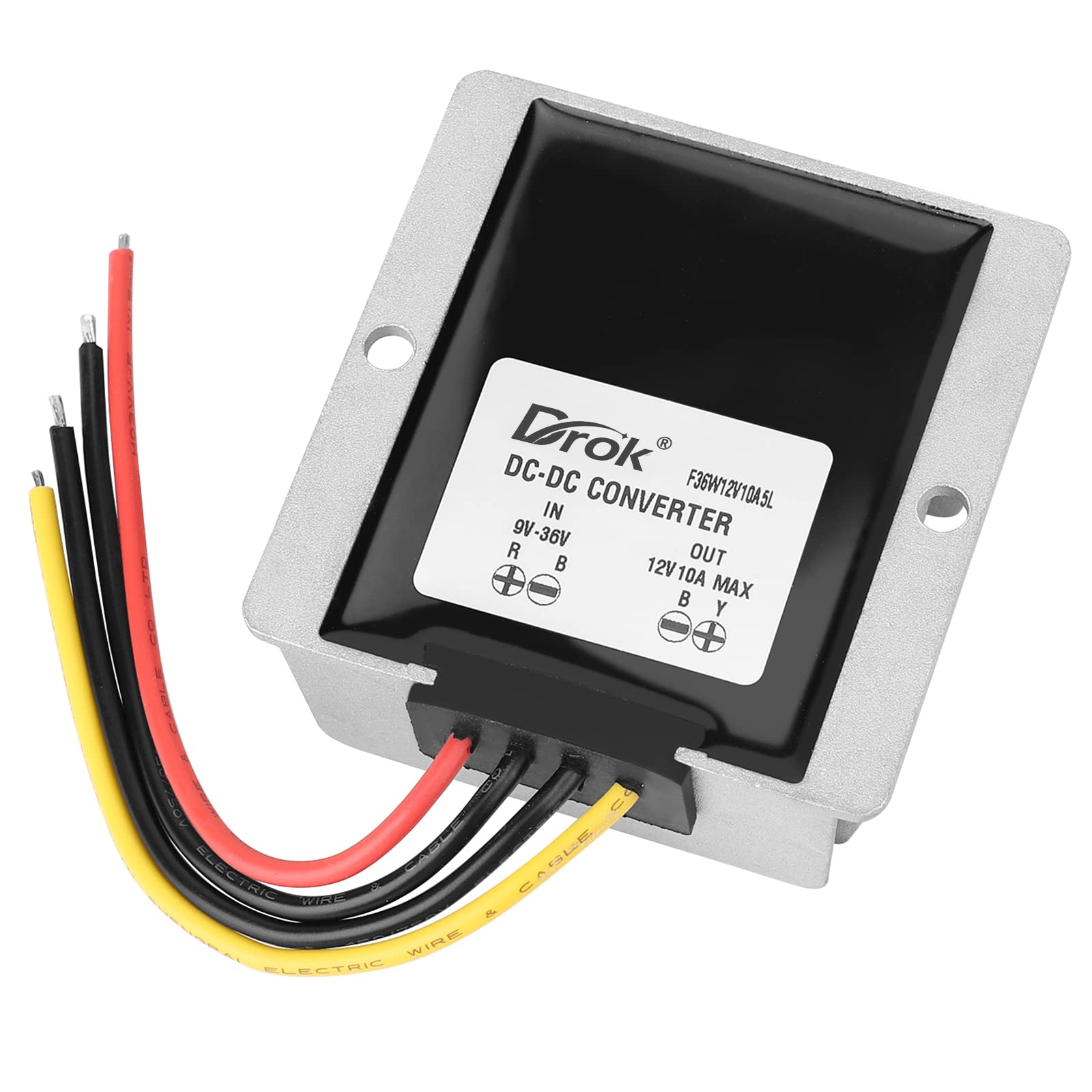
DROK Buck Boost Converter 10A
Long 12V strips (up to 100W) with fluctuating input.
$19.99
DROK Buck Boost Converter 10A Versatile 1.2-32V adjustable output from 5.5-28V input; 91% efficiency prevents dimming in variable setups like cars/solar.
Get the App
Better experience on mobile
Learn why you need them, key specs to choose, types compared, and top picks to keep your 12V LEDs bright and stable without dimming or damage.
Running 12V LED strips? You've likely faced dimming lights over long runs or flickering from unstable power supplies. Voltage regulators solve this by delivering consistent 12V, preventing voltage drop and extending strip life.
In this guide, you'll understand why regulation matters, compare regulator types (linear vs. switching), learn to match one to your setup's current draw and input voltage, and get product recommendations. Expect clear analogies, calculations, and steps—no advanced electronics degree needed.
Perfect for intermediate DIYers; read in 15 minutes, apply in under an hour.
Estimated Time: 15-20 minutes to read; 30-60 minutes to select and test Difficulty: intermediate
12V LED strips dim at the end of long runs because thin copper traces cause resistance, dropping voltage (like water pressure falling in a long hose). A regulator maintains steady 12V output regardless of input fluctuations or load.
Calculate drop: Voltage drop (V) = Current (A) × Resistance (Ω per meter × length). For a 5m strip at 2A total, expect 1-2V sag without regulation. Regulators fix this for uniform brightness.
Expect brighter, cooler-running LEDs lasting 50,000+ hours.
💡 Tips:
⚠️ Warnings:
Determine total wattage: Watts = Volts × Amps. A 5m strip at 14.4W/m needs ~72W (6A at 12V). Add 20% headroom.
Why? Regulators have max current ratings—oversize by 1.5x to avoid heat/ shutdown. Analogy: Don't run a garden hose at full blast; it overheats.
Use online calculators or formula: Amps = (Length m × W/m) / 12V.
💡 Tips:
Linear regulators (e.g., LM7812) drop excess voltage as heat—efficient only if input is close to 12V (e.g., 13-15V). Analogy: Wasting fuel by braking downhill.
Switching regulators (buck/boost) use PWM to efficiently convert (85-95% efficiency). Buck steps down (24V→12V), boost steps up (10V→12V), buck-boost does both. Ideal for cars, solar, or long DC runs.
Choose switching for >5W loads to save energy and reduce heat.
⚠️ Warnings:
Input range: Wider better (9-36V common). Output: Fixed/adjustable 12V, ripple <50mV (smooth light, no flicker). Current: Match your amps + margin. Efficiency >90%, waterproof for outdoors.
Extras: Short-circuit protection, thermal shutdown. Analogy: Specs are like car tires—wrong size strands you.
Test with multimeter: Dial to 12V DC, load strip, verify <0.2V variance.
💡 Tips:
Wire: Input +/– from power supply, output +/– to strip (observe polarity!). Use 18AWG wire for <10A.
Mount with screws/zip ties; add heatsink if hot. For long strips, place regulator mid-run or use multiples.
Power on gradually—check voltage first no-load, then full load.
⚠️ Warnings:
Multimeter across strip ends: Should read 11.8-12.2V under load. No heat (>60°C)? Good.
Run 24h test; monitor for flicker/drop. Analogy: Test drive before highway.
Success: Even glow, no hotspots.
💡 Tips:
Problem: Output voltage drifts under load
Solution: Check wire gauge (too thin? Upgrade); add output cap; upsize regulator.
Problem: Regulator overheating
Solution: Improve airflow/heatsink; reduce load or parallel units.
Problem: No output or flickering
Solution: Verify polarity/input voltage; test fuse; replace if shorted.
Problem: LEDs dim despite regulator
Solution: Measure actual output at strip end; reposition closer or boost type.
Versatile 1.2-32V adjustable output from 5.5-28V input; 91% efficiency prevents dimming in variable setups like cars/solar.
Best for: Long 12V strips (up to 100W) with fluctuating input.
Price Range: $19.99
Reliable step-down to exact 12V; cheap, adjustable; handles 3A continuous—great starter for DIY.
Best for: Shorter strips (<5m, <30W) from 15-40V sources.
Price Range: $9.99
Fixed 12V output 9-36V input; rugged aluminum for outdoors; overload protection.
Best for: Automotive/marine 12V strips up to 240W.
Price Range: $15.99
High power 4.5-30V to 12V; digital display for monitoring; compact for enclosures.
Best for: High-wattage home installs or RGB strips.
Price Range: $16.99
Pro-grade 15W fixed 12V; industrial reliability, low ripple.
Best for: Permanent installs needing MTBF >500k hours.
Price Range: $25-30
Long 12V strips (up to 100W) with fluctuating input.
DROK Buck Boost Converter 10A Versatile 1.2-32V adjustable output from 5.5-28V input; 91% efficiency prevents dimming in variable setups like cars/solar.
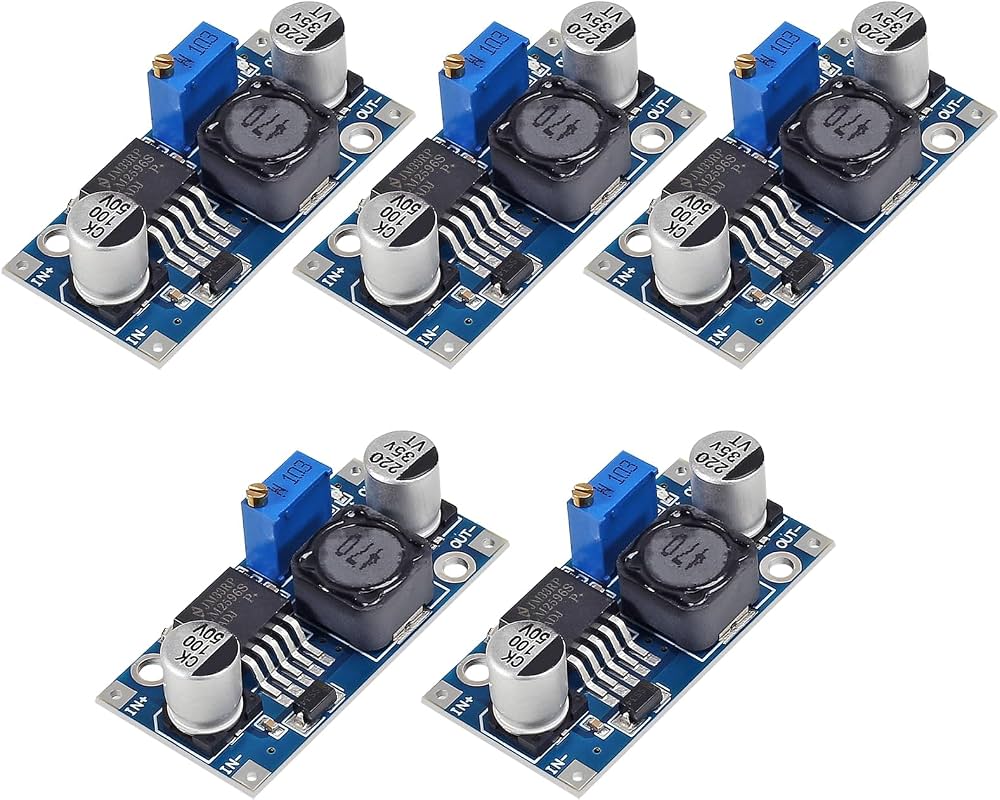
Shorter strips (<5m, <30W) from 15-40V sources.
HiLetgo LM2596 DC-DC Buck Converter (5-pack) Reliable step-down to exact 12V; cheap, adjustable; handles 3A continuous—great starter for DIY.
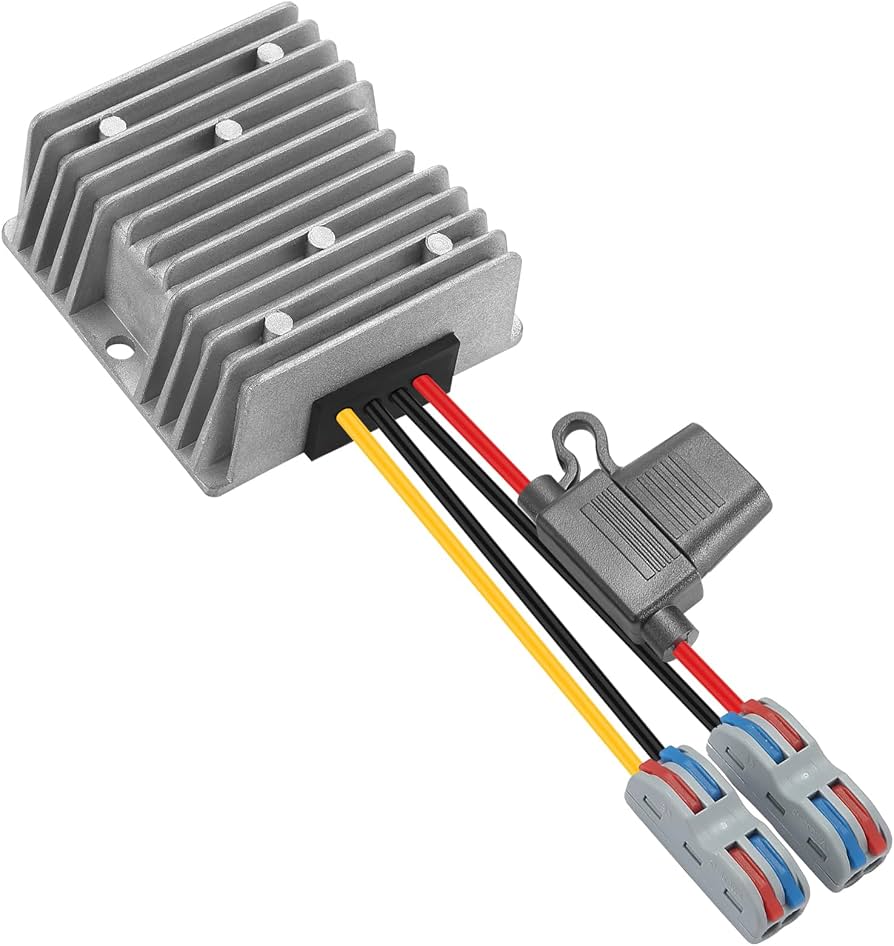
Automotive/marine 12V strips up to 240W.
Reckong 12V Voltage Regulator 20A Waterproof Fixed 12V output 9-36V input; rugged aluminum for outdoors; overload protection.
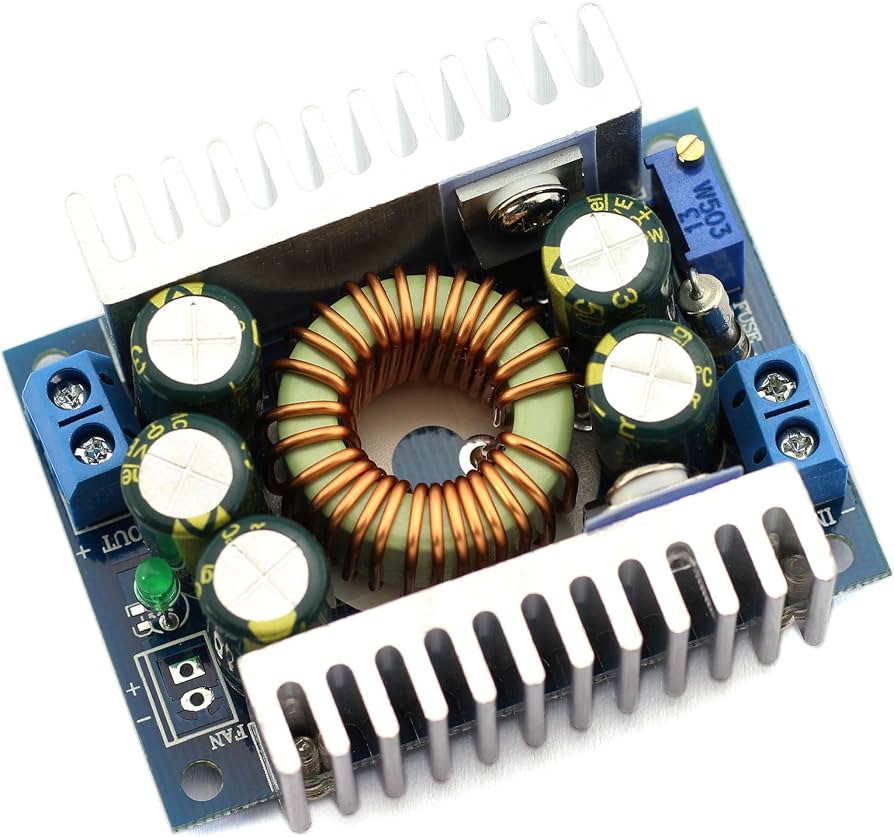
High-wattage home installs or RGB strips.
MakerHawk 100W 12A DC-DC Buck Converter High power 4.5-30V to 12V; digital display for monitoring; compact for enclosures.
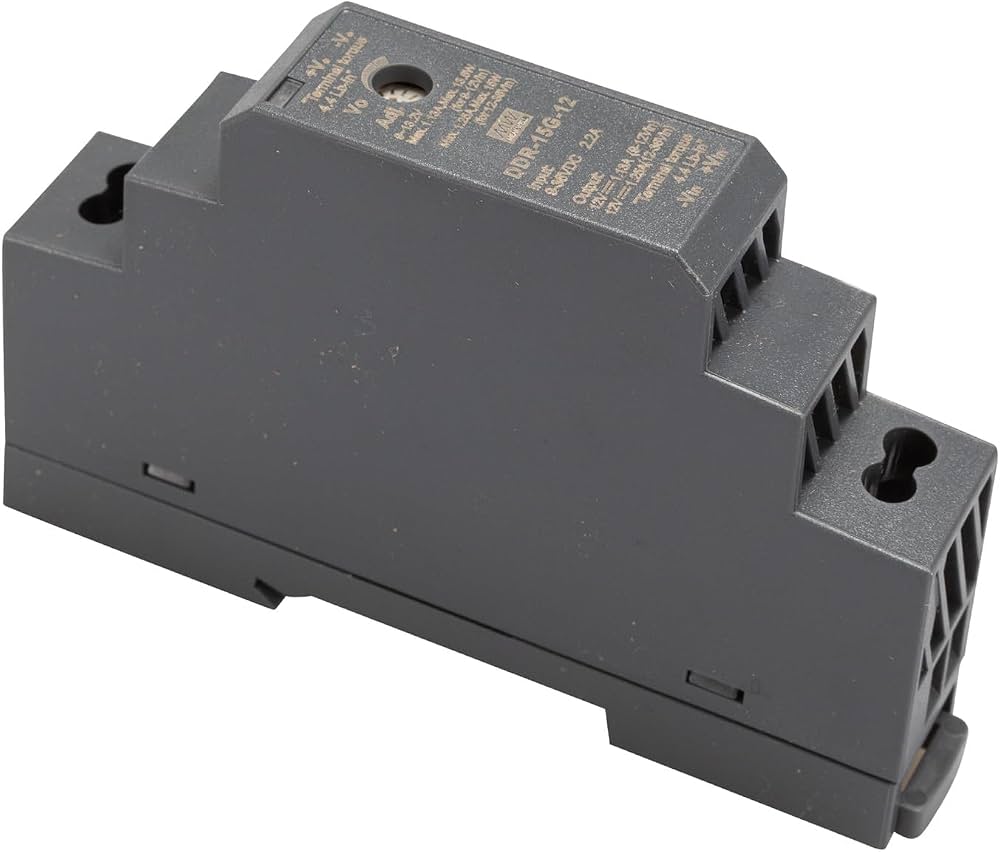
Permanent installs needing MTBF >500k hours.
Mean Well SD-15A-12 DIN Rail Converter Pro-grade 15W fixed 12V; industrial reliability, low ripple.