
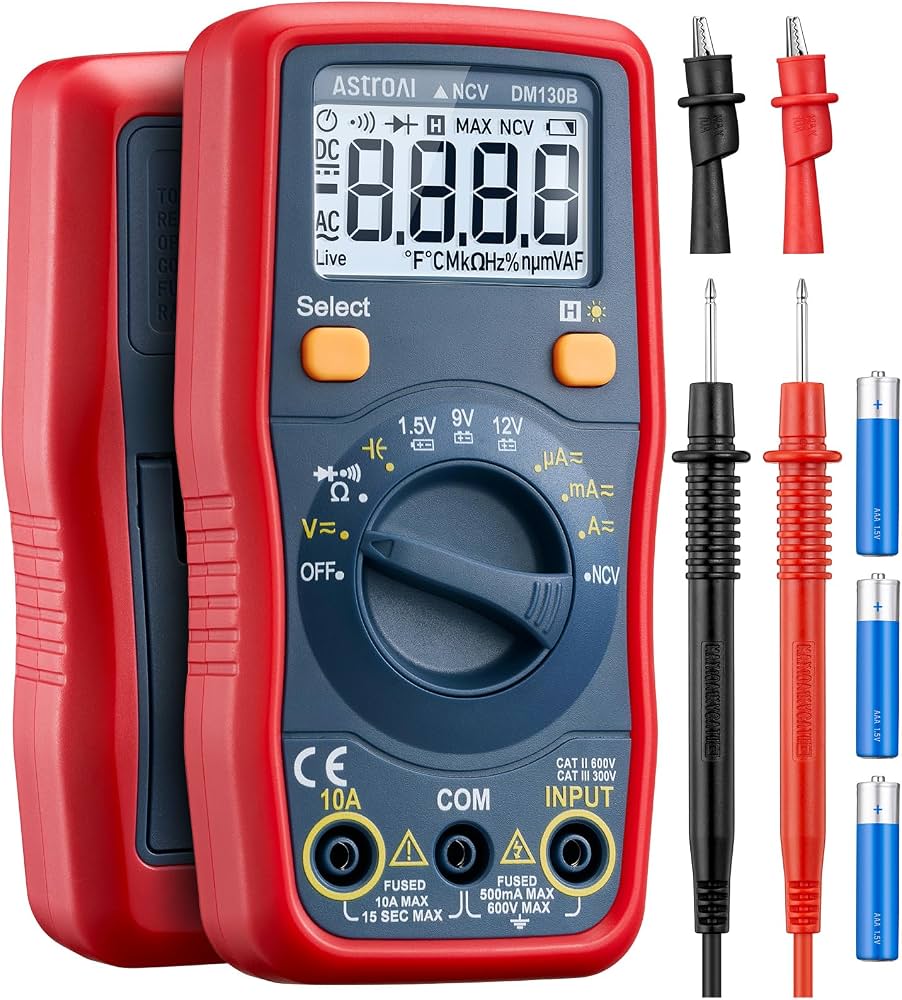
AstroAI Digital Multimeter
Essential for diagnosing 6V battery issues at home or camping.
$15-$25
AstroAI Digital Multimeter Accurate, beginner-friendly for measuring voltage drop precisely with auto-ranging.
Get the App
Better experience on mobile
Discover common voltage drop issues in 6V lantern batteries, symptoms, and easy fixes to restore power and extend battery life for reliable lantern performance.
Ever grabbed your trusty lantern for a camping trip or power outage, only to find it barely lights up despite a 'fresh' 6V battery? This frustrating voltage drop is a common issue with 6V lantern batteries, leaving you in the dark when you need light most. It happens due to factors like age, improper storage, or discharge cycles, affecting both alkaline and rechargeable types.
In this guide, you'll learn what voltage drop means, why it occurs in 6V lantern batteries, how to diagnose it, and simple fixes to get your lantern shining bright again. No advanced electrical knowledge needed—we'll use everyday analogies like a sagging balloon losing air pressure. Expect to spend 15-20 minutes reading and testing your battery.
By the end, you'll confidently troubleshoot and prevent voltage drops, saving money on replacements and ensuring your lanterns are always ready.
Estimated Time: 15-20 minutes Difficulty: beginner
Voltage drop is like a garden hose with a kink—the power (voltage) starts strong at 6V but weakens before reaching your lantern's bulb. In 6V lantern batteries, a healthy one reads 6.0-6.3V when full; under load (like turning on the light), it shouldn't drop below 5.5V much.
This drop signals internal resistance buildup from chemical changes inside the battery. For beginners, think of it as fatigue: the battery can't deliver full power anymore. You'll learn to spot and fix it to avoid weak light or flickering.
💡 Tips:
A new alkaline 6V lantern battery starts at ~6.2V at rest. Under load, expect 5.8-6.0V. Rechargeable lead-acid versions hit 6.3-6.4V fully charged.
If your battery reads under 5.5V at rest or drops to 4V+ under load, it's suffering voltage drop. This matters because lanterns need steady voltage for bright, consistent light—drops cause dimming or failure.
⚠️ Warnings:
Look for dim or flickering light, slow bulb startup, or the lantern working fine briefly then fading. Batteries may feel warm (overworked) or leak fluid.
These signs indicate the battery struggles to supply current, common in camping lanterns left stored improperly. Early detection prevents total failure.
💡 Tips:
Top culprits: Deep discharge (drained too low, sulfation forms crystals blocking power). Age (chemicals degrade over 1-2 years). Poor connections (corroded terminals increase resistance). High heat (speeds self-discharge). Over-discharge in rechargeables.
Analogy: Like rust in pipes reducing water flow. Alkaline batteries drop from exhaustion; rechargeables from improper charging.
Set multimeter to DC volts (20V range). Touch red probe to positive (+ spring terminal), black to negative (- flat terminal). Read at rest, then under load (connect lantern).
Rest >5.8V good; load drop >1V signals issue. Why? Confirms if drop is real, not lantern fault. Expect quick beeps or steady reading.
💡 Tips:
⚠️ Warnings:
Wipe terminals with isopropyl alcohol on cloth/swab. For spring-top batteries, gently compress spring while cleaning. Dry fully.
Corrosion adds resistance, mimicking drop. This fix often boosts voltage 0.5V instantly—like clearing hose clogs.
For rechargeable 6V lead-acid lantern batteries, use a smart charger at 200-500mA. Charge 8-12 hours until 6.3V.
Avoid overcharging alkalines—they're not rechargeable. Proper charge reverses sulfation, restoring capacity.
⚠️ Warnings:
Store at 50-70°F, half-charged. Use monthly 'top-up' charges for rechargeables. Avoid full drains.
This extends life 2-3x, saving money long-term.
Problem: Voltage reads fine at rest but drops sharply under load
Solution: High internal resistance—try slow trickle charge or replace if old.
Problem: Battery won't hold charge after fixing
Solution: Sulfation too advanced; replace battery.
Problem: Multimeter shows erratic readings
Solution: Clean probes and battery terminals; check multimeter batteries.
Problem: Lantern still dim after fixes
Solution: Issue in lantern bulb/wiring—test with new battery. Seek electrician if wiring complex.
Accurate, beginner-friendly for measuring voltage drop precisely with auto-ranging.
Best for: Essential for diagnosing 6V battery issues at home or camping.
Price Range: $15-$25
Reliable replacement with minimal initial drop; long-lasting for lanterns.
Best for: Swap in when fixes fail—perfect for emergencies.
Price Range: $8-$12
Smart charger prevents overcharge, ideal for reviving rechargeable 6V lantern batteries.
Best for: Maintain or fix sulfated batteries safely.
Price Range: $30-$40
Fast-drying contact cleaner removes corrosion without residue.
Best for: Quick terminal clean to reduce resistance instantly.
Price Range: $10-$15
Durable rechargeable option with NiMH tech less prone to sulfation.
Best for: Upgrade for frequent use to avoid drop issues.
Price Range: $15-$20
Essential for diagnosing 6V battery issues at home or camping.
AstroAI Digital Multimeter Accurate, beginner-friendly for measuring voltage drop precisely with auto-ranging.
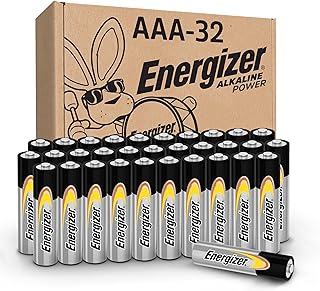
Swap in when fixes fail—perfect for emergencies.
Energizer EN91 6V Alkaline Lantern Battery Reliable replacement with minimal initial drop; long-lasting for lanterns.
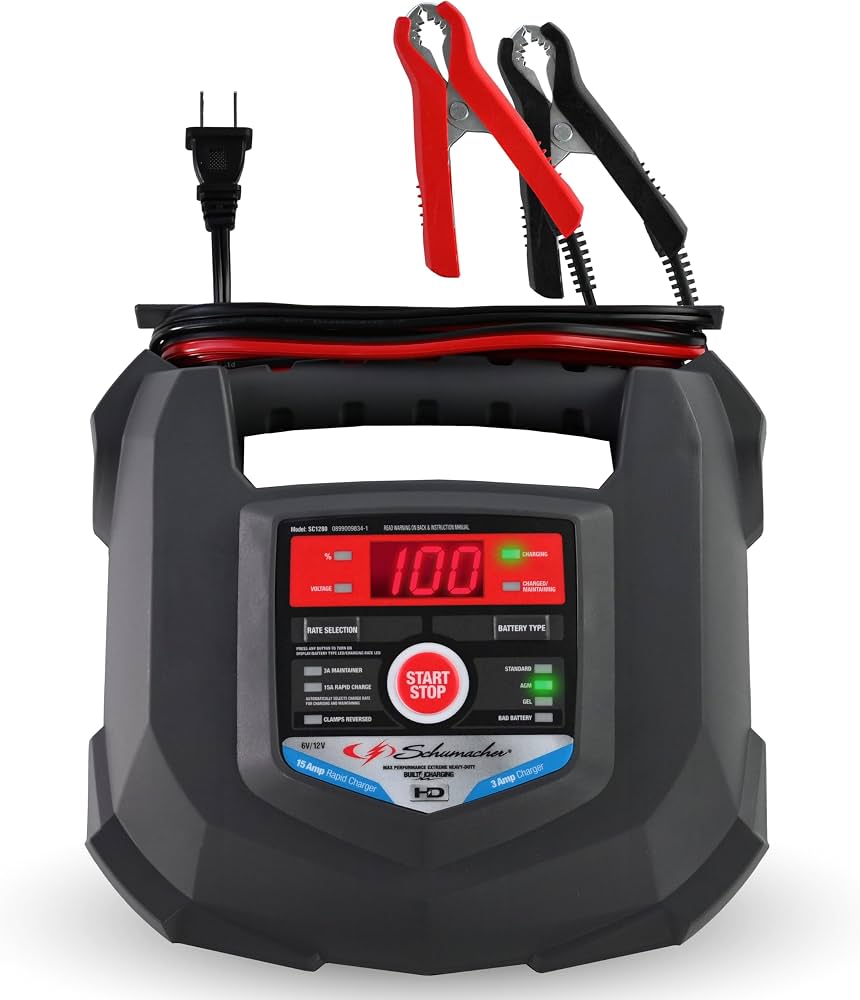
Maintain or fix sulfated batteries safely.
Schumacher SC1280 6V/12V Battery Charger Smart charger prevents overcharge, ideal for reviving rechargeable 6V lantern batteries.

Quick terminal clean to reduce resistance instantly.
CRC QD Electronic Cleaner Fast-drying contact cleaner removes corrosion without residue.
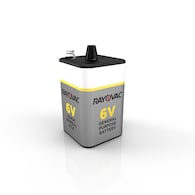
Upgrade for frequent use to avoid drop issues.
Rayovac RL6V-1 6V Rechargeable Lantern Battery Durable rechargeable option with NiMH tech less prone to sulfation.