
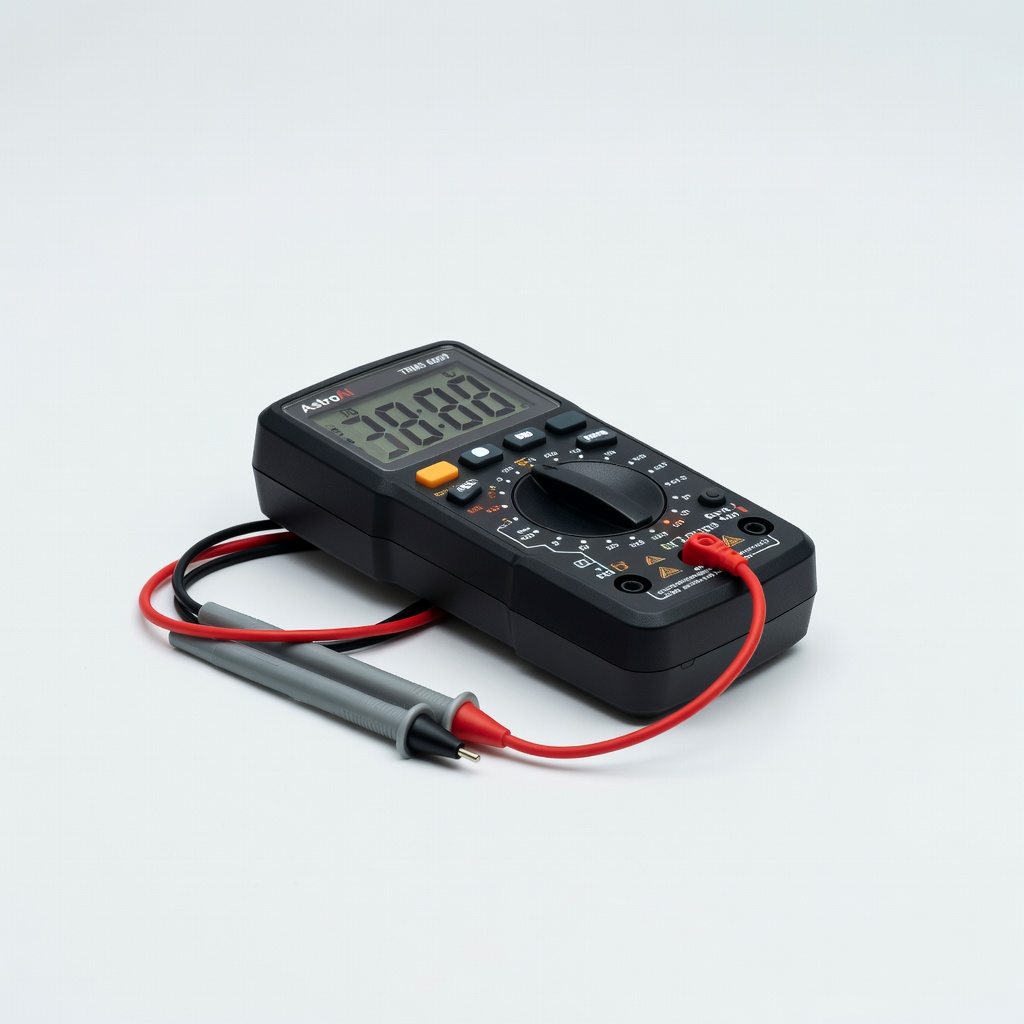
AstroAI Digital Multimeter TRMS 6000
Testing battery health before/after use.
$25-$30
AstroAI Digital Multimeter TRMS 6000 Accurate DC voltage measurement under load to diagnose drop precisely.
Get the App
Better experience on mobile
Discover why your 6V lantern batteries lose power quickly and learn simple fixes to make them last longer.
Ever grabbed your trusty lantern for a camping trip or power outage, only to find it dim or dead despite being 'new'? Voltage drop is a sneaky culprit behind short battery life in 6V lantern batteries, causing lights to flicker or fade under use. This common issue frustrates campers, preppers, and homeowners alike, leading to wasted money on replacements.
In this guide, you'll learn what voltage drop is, the main causes affecting 6V lantern batteries (like lead-acid spring-top models), how to spot it, and easy prevention tips. No technical expertise needed—we'll use simple analogies and examples. Expect to grasp the concept in 10-15 minutes and start troubleshooting right away.
By the end, you'll extend battery life, save cash, and keep your lantern shining bright when it counts.
Estimated Time: 10-15 minutes to read and understand; 20-30 minutes with hands-on testing Difficulty: beginner
6V lantern batteries are compact power sources, often lead-acid types with spring-top terminals, used in classic lanterns for camping, emergencies, or marine applications. They're rated at 6 volts nominal, meaning fully charged they output about 6.3-6.5V at rest.
Think of it like a small car battery: it powers lights steadily but can struggle if overloaded. These batteries are rechargeable or disposable, with capacities around 10-20 amp-hours (Ah). Knowing this baseline helps spot when voltage drops abnormally.
Why it matters: Without basics, voltage issues seem mysterious. Expect a sturdy rectangular battery, 4-5 inches long, weighing 2-4 lbs.
💡 Tips:
Voltage drop is the decrease in battery output voltage when under load (e.g., powering a bulb). A healthy 6V battery might read 6.3V at rest but drop to 5.5-6V when lighting your lantern—normal. Problematic drop? Below 5V under light load, causing dim lights or failure.
Analogy: Like squeezing a water balloon—the pressure (voltage) drops as water (current) flows out due to 'resistance' inside. Internal resistance rises with age or damage, exaggerating drop.
Expect: No drop at rest (open circuit), but measure under use for truth.
⚠️ Warnings:
Grab a multimeter set to DC volts (20V scale). Touch probes to terminals: fully charged should be 6.3-6.5V at rest. Now, connect battery to lantern and turn on—voltage should hold above 5.5V for 30 seconds.
Why measure? Reveals hidden issues. A drop to 4V means trouble ahead.
Pro tip: Use alligator clips for steady hands-free reading.
💡 Tips:
Old batteries develop sulfation—hard crystals on plates blocking power flow, spiking internal resistance and causing rapid drop. 6V lanterns often sit unused, accelerating this after 1-2 years.
Example: A 6-month-old battery holds 6V under load; 2-year-old plummets to 4V.
It matters because sulfation is reversible early but permanent later.
⚠️ Warnings:
Heavy draw (bright bulbs >5W) or corroded terminals cause excessive drop. Lanterns with faulty wiring pull too much current, dropping voltage like a straw sucking soda too fast.
Common in camping: Cold weather amps resistance too. Expect flicker first, then blackout.
💡 Tips:
Cold (<32°F) thickens electrolyte, raising resistance—voltage drops 20-30%. Heat (>100°F) speeds self-discharge. Analogy: Honey flows slow when cold.
Why critical for lanterns: Outdoor use extremes hit hard.
⚠️ Warnings:
Draining below 5V damages cells; improper chargers over/under-charge, causing imbalance. 6V lead-acids need 6.9-7.2V trickle charge.
Prevention starts here—monitor during use.
💡 Tips:
Store at 50% charge in cool place, equalize charge monthly, clean terminals. For bad drop, desulfate with charger pulses or replace.
Result: Batteries last 2-3x longer.
Problem: Voltage drops instantly to 0V under load
Solution: Check for shorted cells or bad connections—clean terminals, test individual cells if possible. Replace if under 5V rest.
Problem: Slow gradual drop over hours
Solution: Likely sulfation or age—try equalizer charge cycle, or recycle and buy new.
Problem: Inconsistent readings
Solution: Wiggle probes for loose contact; calibrate multimeter. Cold temp? Warm battery first.
Problem: No drop at rest but fails in lantern
Solution: High internal resistance—load test with resistor (10 ohm, 5W). Seek pro if unsure.
Accurate DC voltage measurement under load to diagnose drop precisely.
Best for: Testing battery health before/after use.
Price Range: $25-$30
Low internal resistance minimizes drop, reliable for lanterns.
Best for: Replacement for old batteries prone to issues.
Price Range: $8-$12
Smart trickle charge prevents over/under-charging, reduces sulfation.
Best for: Maintaining stored batteries to avoid voltage drop.
Price Range: $40-$50
Low-draw LEDs reduce voltage stress on batteries.
Best for: Upgrade lantern to extend battery life.
Price Range: $20-$25
Removes corrosion fast, lowers terminal resistance.
Best for: Cleaning connections to fix contact-related drops.
Price Range: $15-$20
Testing battery health before/after use.
AstroAI Digital Multimeter TRMS 6000 Accurate DC voltage measurement under load to diagnose drop precisely.
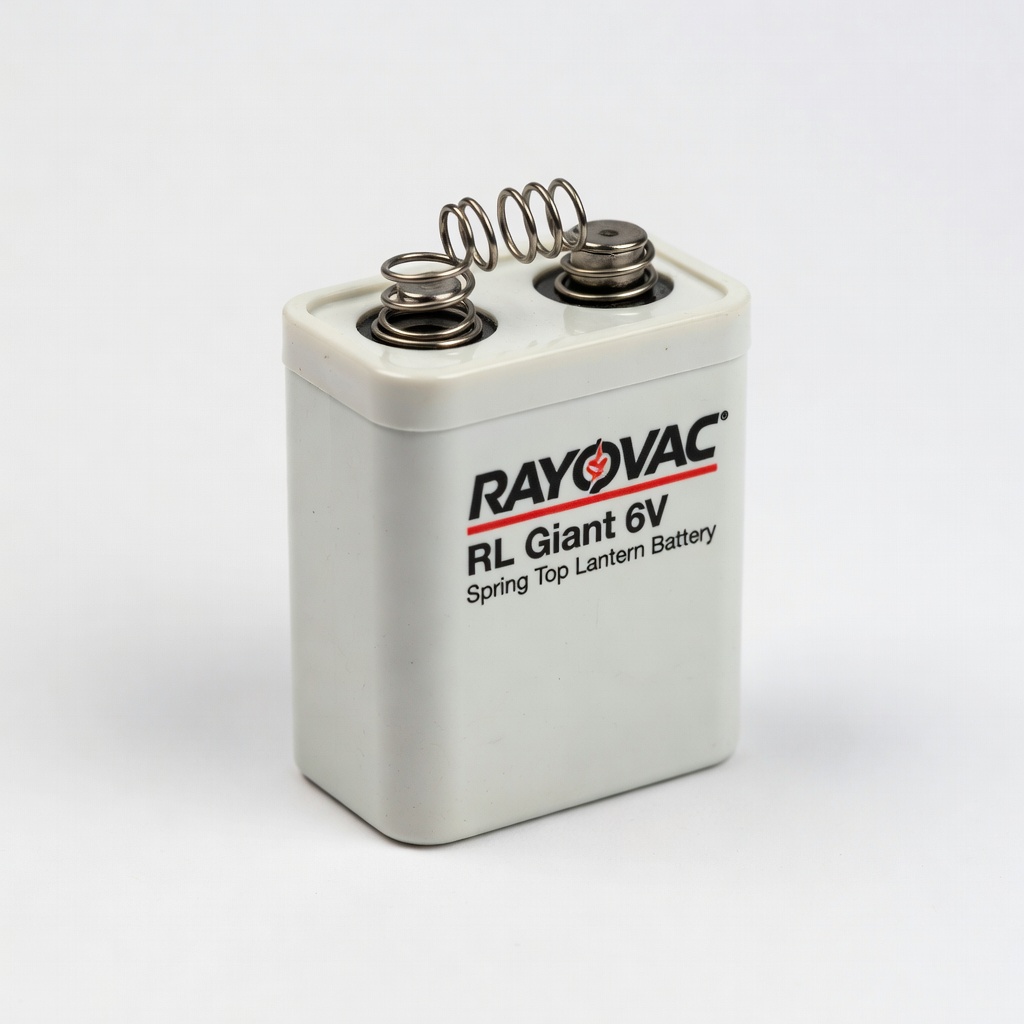
Replacement for old batteries prone to issues.
Rayovac RL Giant 6V Spring Top Lantern Battery Low internal resistance minimizes drop, reliable for lanterns.
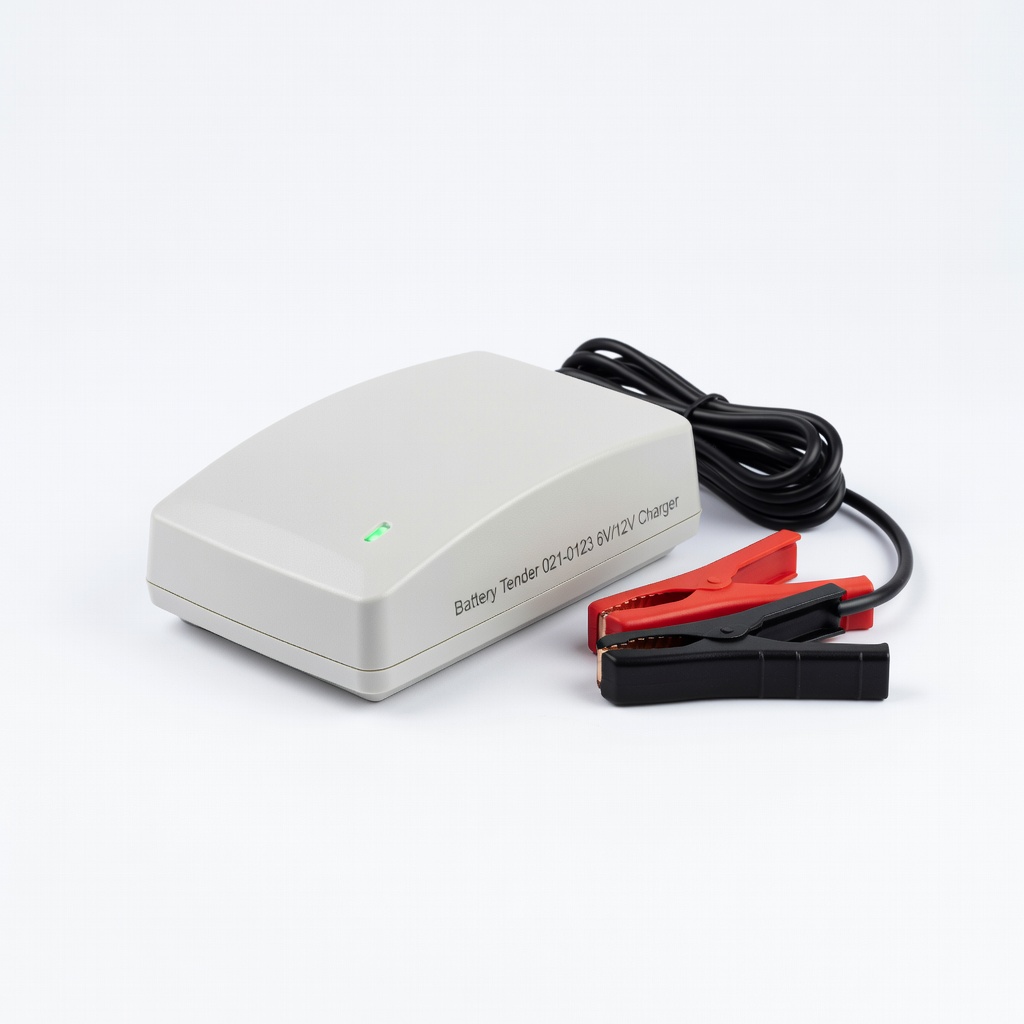
Maintaining stored batteries to avoid voltage drop.
Battery Tender 021-0123 6V/12V Charger Smart trickle charge prevents over/under-charging, reduces sulfation.
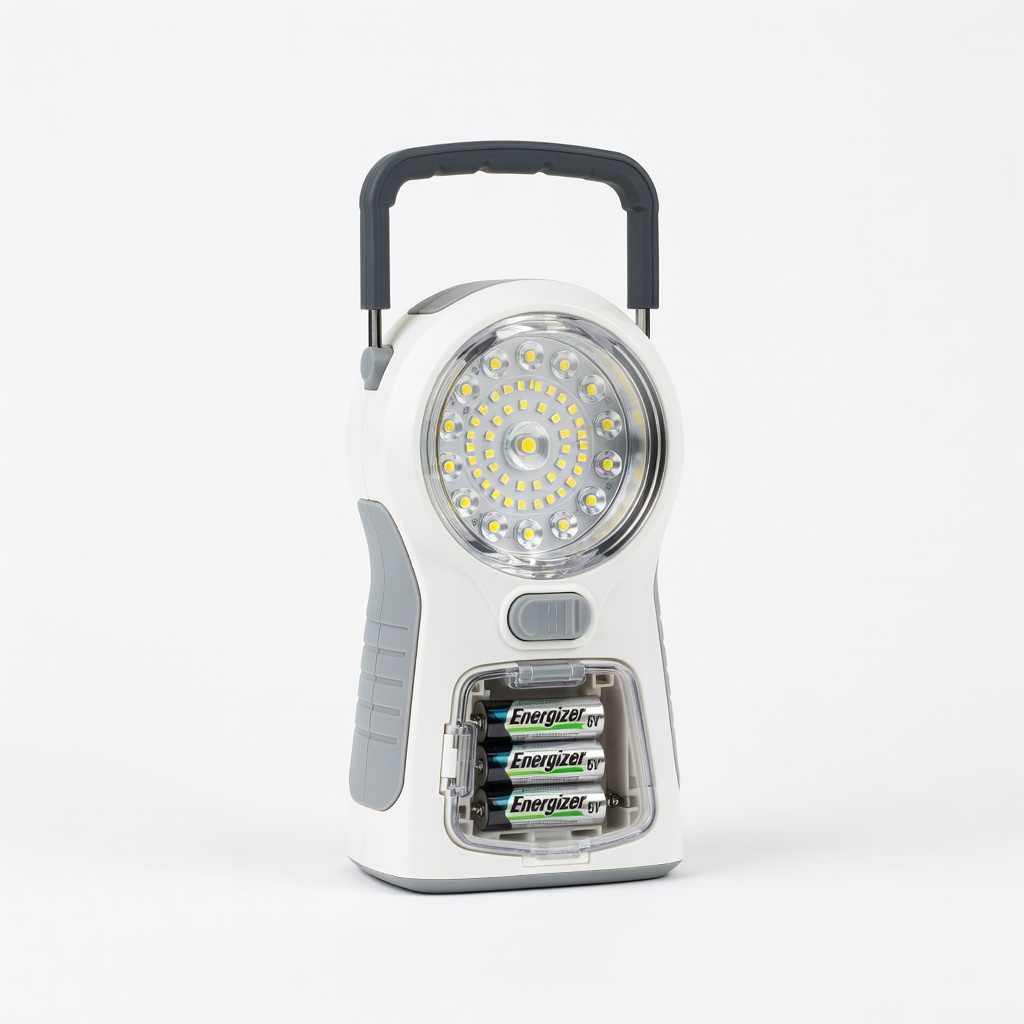
Upgrade lantern to extend battery life.
Energizer LED Lantern (uses 6V batteries) Low-draw LEDs reduce voltage stress on batteries.
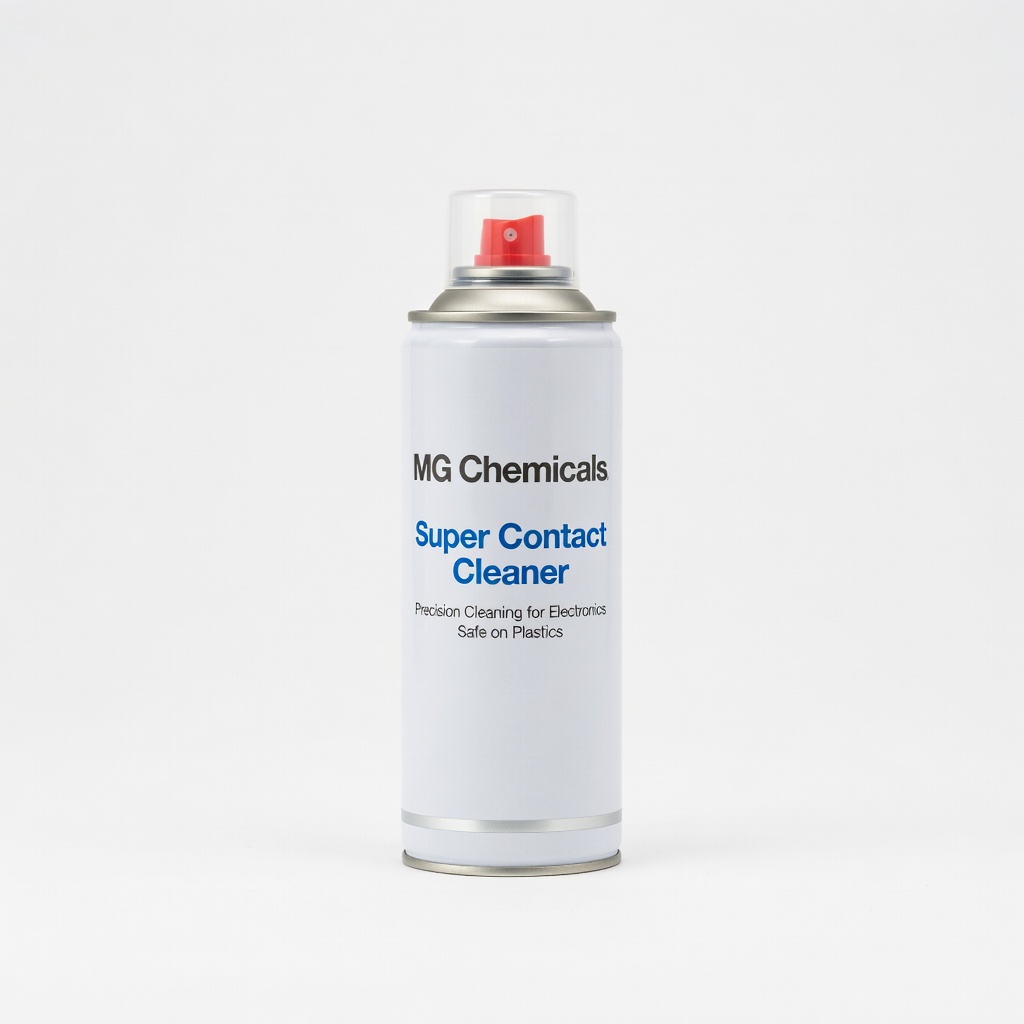
Cleaning connections to fix contact-related drops.
MG Chemicals Super Contact Cleaner Removes corrosion fast, lowers terminal resistance.