
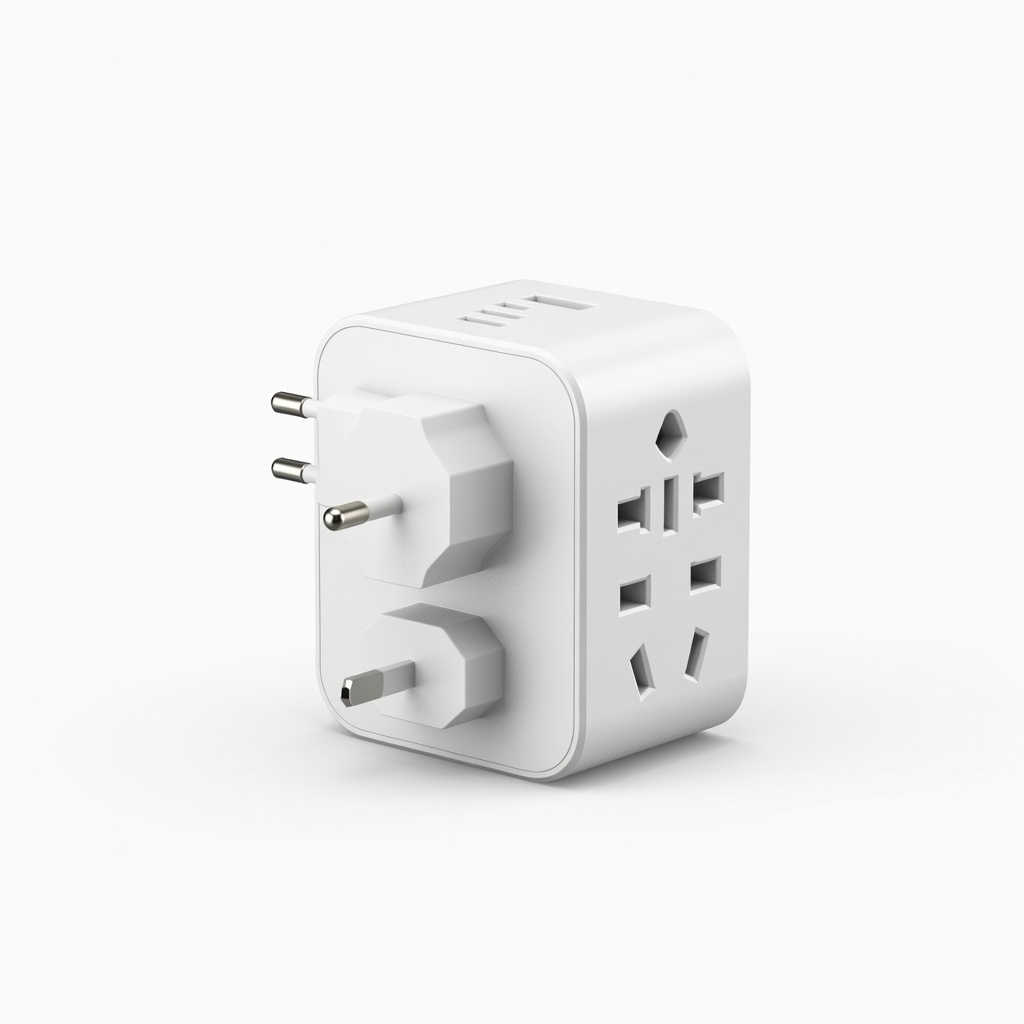
EPICKA Universal Travel Adapter
Phones/laptops in Europe/Asia—dual-voltage safe.
$12.99
EPICKA Universal Travel Adapter Covers 150+ countries, built-in surge protection (1000J+), 4 USB ports prevent overloads.
Get the App
Better experience on mobile
Discover safe adapters with surge protection and voltage smarts to keep your phones, laptops, and gadgets safe on international trips.
Imagine arriving in Europe, plugging in your phone charger, and watching sparks fly as your device fries from a voltage surge. This nightmare happens to thousands of travelers yearly due to mismatched plugs and power standards. Don't let it happen to you—understand the right adapters to protect your gear.
In this guide, you'll learn the key differences between simple plug adapters and voltage converters, how to spot safety features that prevent damage, and how to match adapters to your destinations. We'll break it down simply for beginners, using real-world examples and analogies like comparing plugs to puzzle pieces and voltage to water pressure.
Expect 10-15 minutes to read and apply this knowledge—no tools needed, just your device labels and a quick country check. By the end, you'll confidently pack adapters that safeguard your electronics worldwide.
Estimated Time: 10-15 minutes Difficulty: beginner
Plugs are like puzzle pieces—adapters just reshape them to fit foreign outlets, but they don't change the electricity 'pressure' (voltage). Worldwide, there are 15 main plug types (A-U), like US Type A (flat pins) vs. Europe Type C (round pins).
Voltage varies too: US is 110-120V, Europe/Asia often 220-240V. Wrong voltage overloads devices like high water pressure bursting a hose. Most adapters ignore voltage—that's where damage risks hide.
Why it matters: Knowing this prevents mixing up adapters (plugs) with converters (voltage changers). Expect confusion at first, but charts make it clear.
💡 Tips:
Flip your charger or device—look for 'INPUT: 100-240V ~ 50/60Hz'. If it says 100-240V, it's dual-voltage and safe worldwide with just a plug adapter (90% of phones, laptops, cameras are).
Analogy: Dual-voltage is like a car that runs on both regular and premium gas. Single-voltage (e.g., 110V only) needs a converter, or it burns out.
What to expect: Most modern gadgets are dual; old hair dryers or irons aren't. List yours now.
⚠️ Warnings:
110V countries: US, Canada, Japan. 220V: Europe, Australia, most Asia/Africa. Plugs: US/Canada (A/B), UK (G), Europe (C/E/F), Australia (I).
Universal adapters cover 150+ countries but check compatibility.
Why it matters: Mismatch causes no charge (wrong plug) or damage (wrong voltage). Use a lookup tool for your trip.
💡 Tips:
Safe adapters have: Surge protection (blocks spikes like a lightning rod), built-in fuses (blows to cut power), grounded pins (safety for shocks), and auto-shutoff.
Avoid cheap no-name ones—they lack protection and melt.
Analogy: Surge protection is your device's airbag against power crashes. Look for UL/CE certification.
Adapter only for dual-voltage devices. Converter for single-voltage high-wattage (hair tools >200W need heavy-duty).
USB adapters are safest for phones—built-in chips handle voltage.
What to expect: Most travelers need just adapters; converters add bulk/heat.
⚠️ Warnings:
Pick universal with 4+ plug types, USB ports, surge >1000J. Test at home: Plug in, check for heat/noise.
Why it matters: Testing catches fakes early.
💡 Tips:
Carry one universal + spare fuses. Label by country.
Final check: Matches all stops? Surge protected?
Problem: Device won't charge
Solution: Check plug fit and voltage match. Try USB port if available. Clean pins.
Problem: Adapter gets hot
Solution: Unplug immediately—overloaded. Use lower-watt device or better adapter.
Problem: Sparks or smell
Solution: Stop using; replace with certified one. Check outlet grounding.
Problem: Slow charging abroad
Solution: Likely voltage drop—use QC/PD charger. Avoid extensions.
Covers 150+ countries, built-in surge protection (1000J+), 4 USB ports prevent overloads.
Best for: Phones/laptops in Europe/Asia—dual-voltage safe.
Price Range: $12.99
9-piece set with surge protector, grounded, UL-certified—comprehensive protection.
Best for: Multi-country trips needing specific plugs.
Price Range: $34.99
Voltage converter + adapter + 4 USB—handles single-voltage devices safely.
Best for: Hair tools or US appliances in 220V countries.
Price Range: $39.99
Compact, surge/Fuse protected, 3 AC + USB-C—great for beginners.
Best for: Solo travelers with modern gadgets.
Price Range: $19.99
Phones/laptops in Europe/Asia—dual-voltage safe.
EPICKA Universal Travel Adapter Covers 150+ countries, built-in surge protection (1000J+), 4 USB ports prevent overloads.
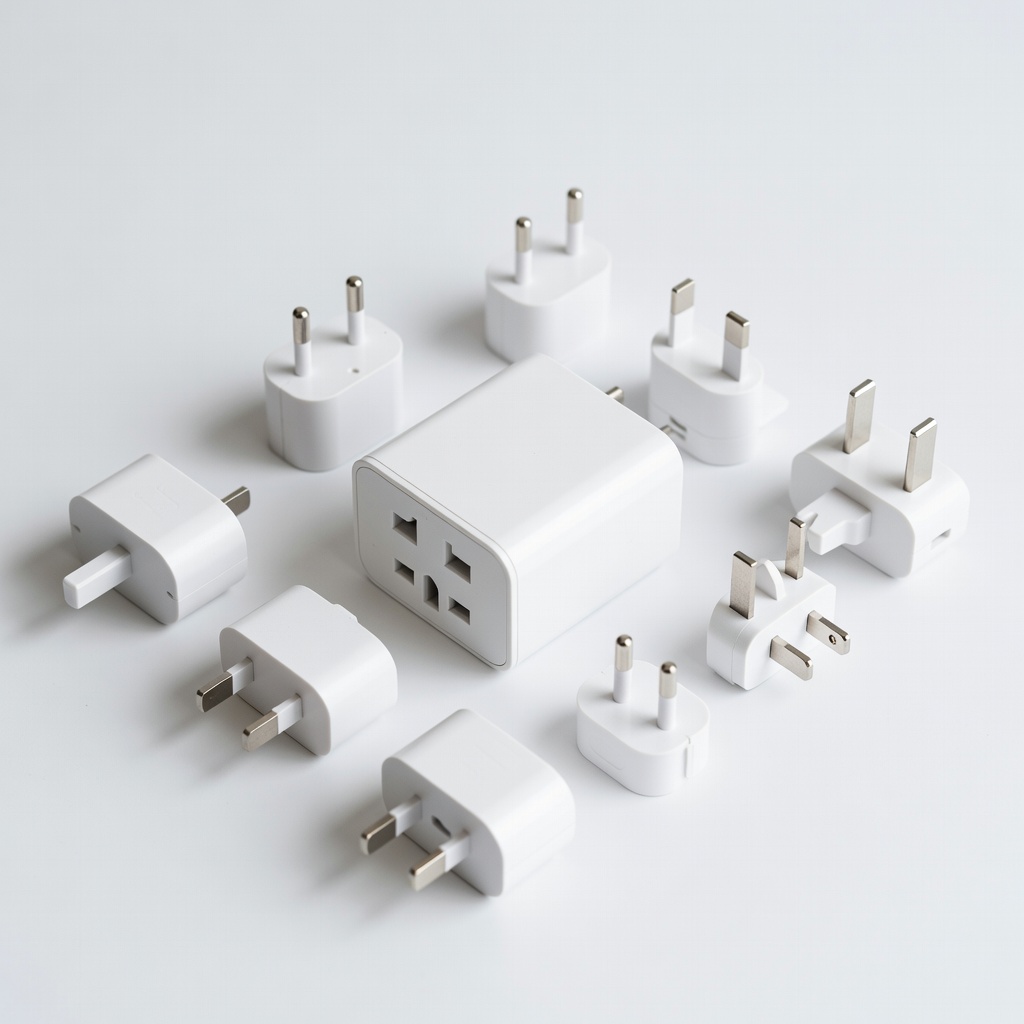
Multi-country trips needing specific plugs.
Ceptics World Travel Adapter Kit 9-piece set with surge protector, grounded, UL-certified—comprehensive protection.
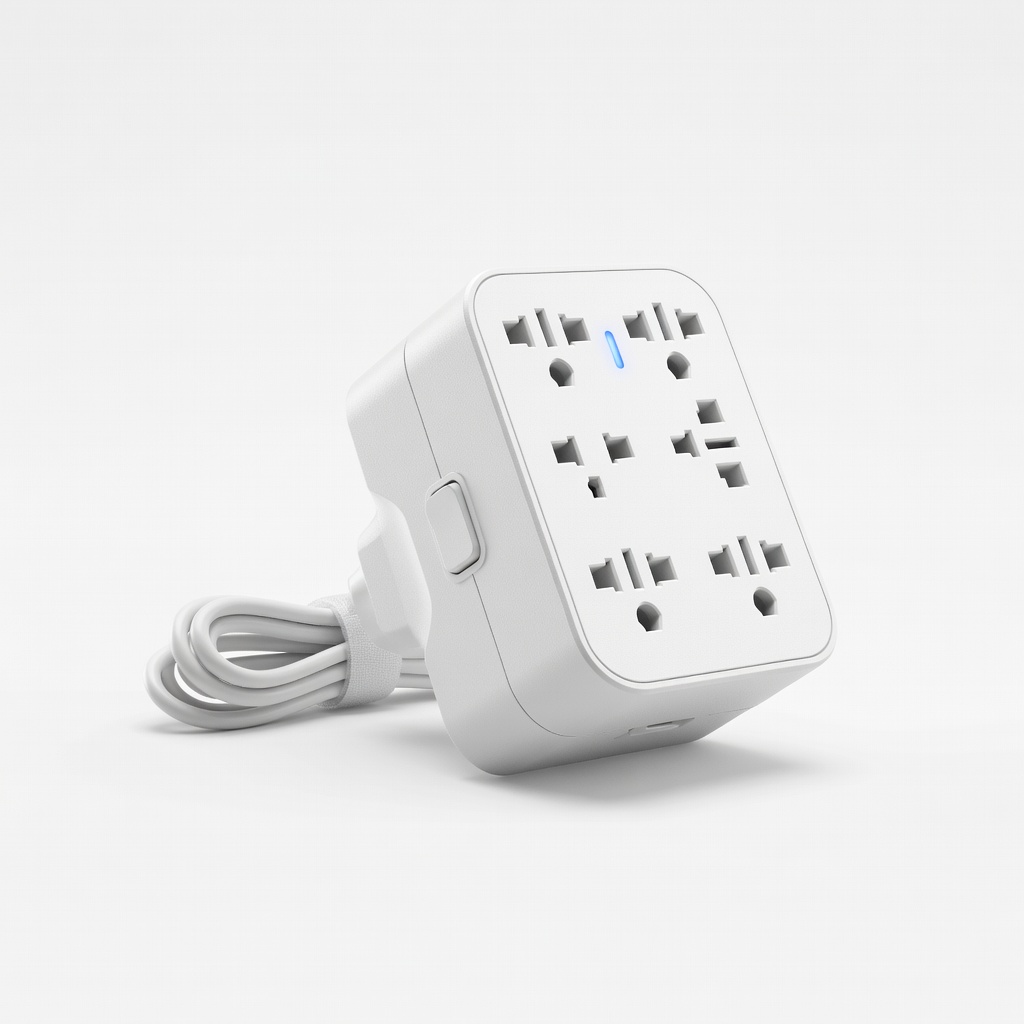
Hair tools or US appliances in 220V countries.
BESTEK Universal Travel Adapter 220V to 110V Voltage converter + adapter + 4 USB—handles single-voltage devices safely.
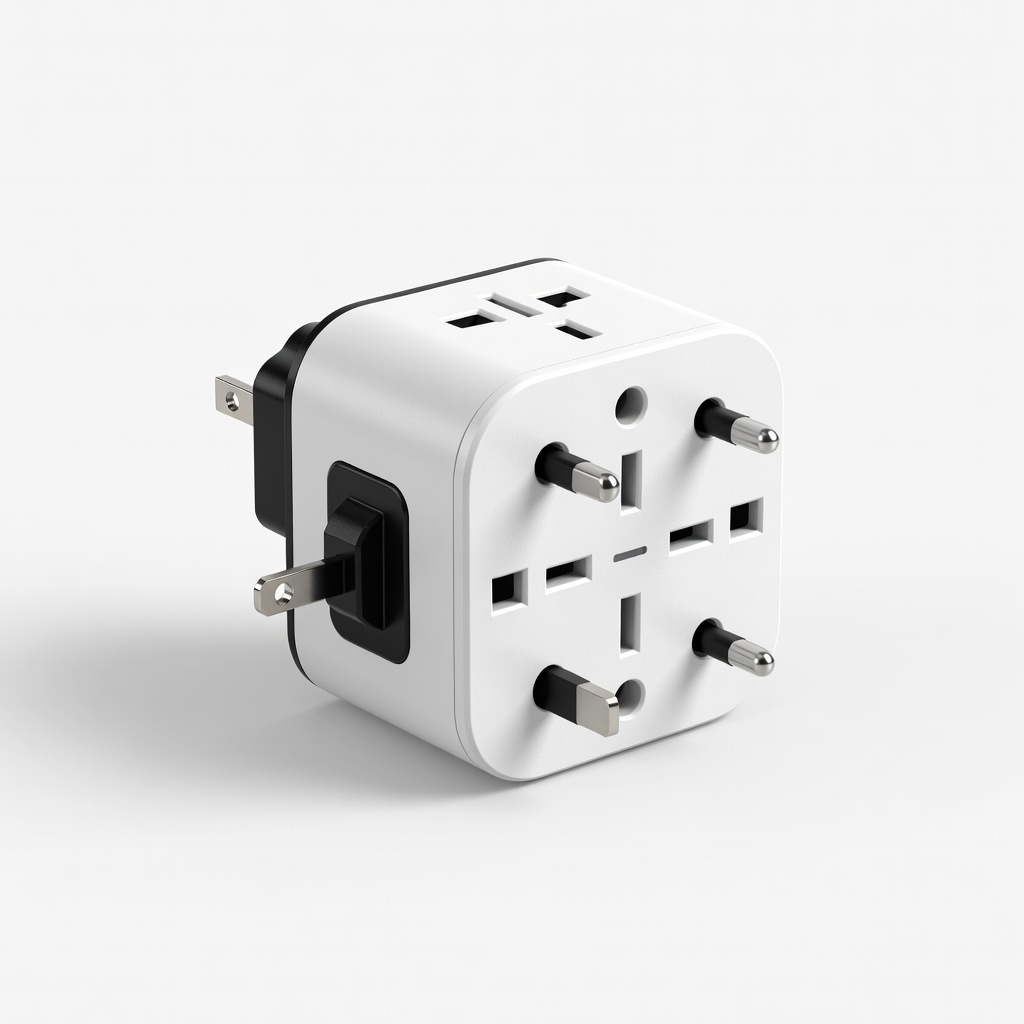
Solo travelers with modern gadgets.
Tessan Universal Travel Adapter Compact, surge/Fuse protected, 3 AC + USB-C—great for beginners.