
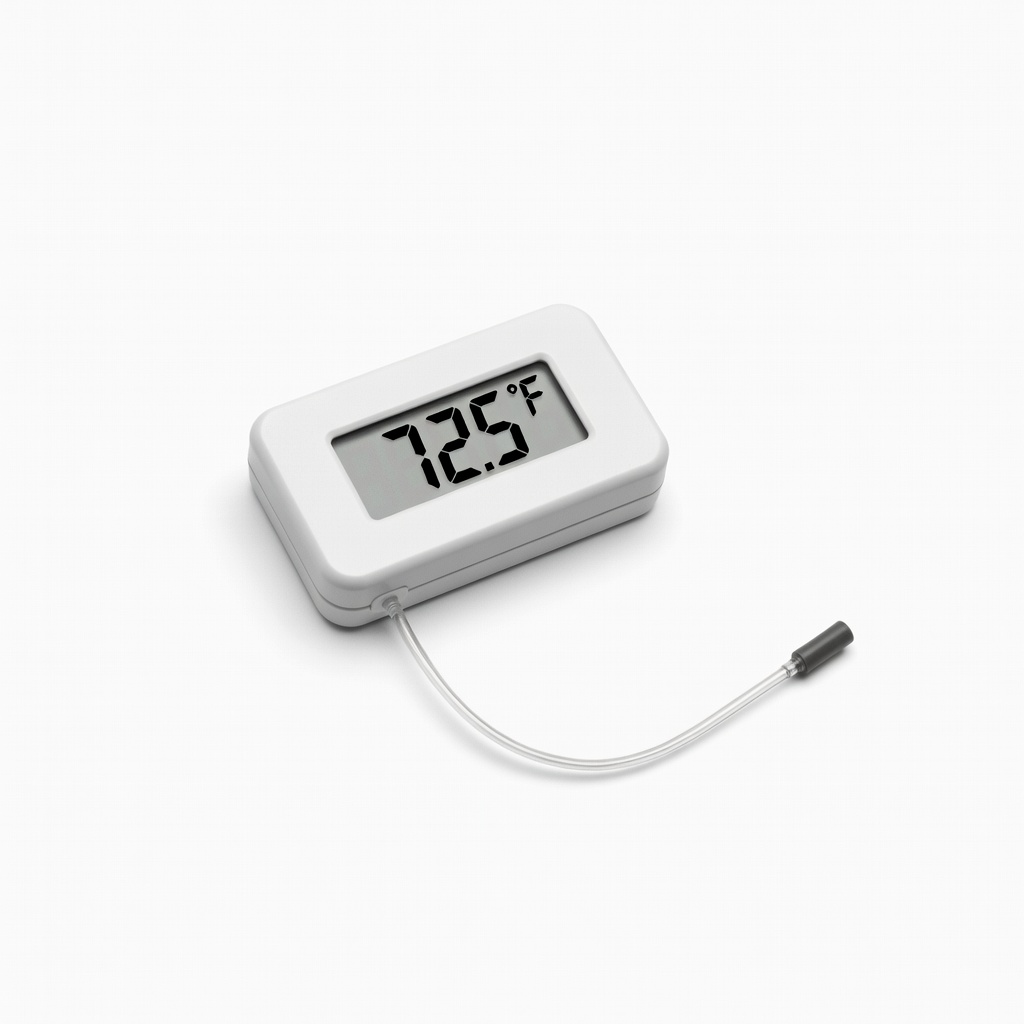
AQUANEAT Aquarium Thermometer Digital
Best for beginners with mid-sized tanks needing reliable daily monitoring.
$12.99
AQUANEAT Aquarium Thermometer Digital Submersible probe with ±1°F accuracy and suction cup for easy install.
Get the App
Better experience on mobile
Learn the top thermometer types for precise aquarium temperature monitoring to keep your fish healthy and thriving.
Maintaining the perfect water temperature is crucial for aquarium health—too hot or too cold, and your fish can suffer stress, disease, or even death. Many beginners struggle with unreliable readings from cheap thermometers, leading to costly mistakes. This guide breaks down the best thermometer types that deliver accurate results.
You'll discover the pros, cons, and accuracy levels of each type, plus step-by-step advice on selection, installation, and calibration. By the end, you'll know exactly which thermometer suits your tank, whether it's a small betta bowl or a large reef setup. No prior experience needed—this is beginner-friendly and takes just minutes to grasp.
Expect clear explanations, real-world examples, and tips to avoid common pitfalls, empowering you to monitor temps like a pro.
Estimated Time: 10-15 minutes Difficulty: beginner
Aquarium temperature affects oxygen levels, metabolism, and pH balance. Most tropical fish thrive at 75-82°F (24-28°C); goldfish prefer 64-72°F (18-22°C). Inaccurate readings can cause invisible stress, leading to ich or fin rot.
Think of your tank like a human body—fever or hypothermia disrupts everything. Accurate thermometers prevent this by providing reliable data to adjust heaters or coolers.
Expect: Peace of mind knowing your setup is safe.
💡 Tips:
These LCD strips adhere to the outside glass, changing color based on tank heat conduction. Affordable ($5-10) and easy to install—no batteries needed.
Pros: Non-invasive, always visible. Cons: Less accurate (±2°F) due to glass insulation; affected by room light or tank position. Best for small, stable tanks.
Analogy: Like a forehead strip thermometer—convenient but not medical-grade.
⚠️ Warnings:
Battery-powered units stick on or float, displaying temps on an LCD screen. Accuracy: ±1°F. Many include min/max memory and alarms.
They read via external sensors pressed to glass or floating probes. Great for beginners wanting tech without complexity.
Why it matters: Digital precision helps spot heater failures early.
💡 Tips:
Waterproof probes dangle inside the tank, wired to an external display. Accuracy: ±0.5°F or better. Ideal for larger or sensitive setups like reef tanks.
Pros: Direct water contact ignores glass barriers; some log data via apps. Cons: Wires can be unsightly.
Example: Perfect for discus fish needing exact 86°F.
⚠️ Warnings:
Floating or hanging glass tubes with colored alcohol. Accuracy: ±1°F. No batteries, durable for decades.
Pros: Simple, shatter-resistant versions available. Cons: Fragile if dropped; harder to read in low light.
Analogy: Like old-school doctor thermometers—trusty but analog.
💡 Tips:
Ranked by accuracy: Submersible probes > Digital LCD > Glass > Stick-on. Match to needs—stick-on for nano tanks, probes for pros.
Factors: Tank size (probes for 20+ gal), budget ($5-30), features (alarms?). Test two types side-by-side for confidence.
💡 Tips:
Use ice water (32°F/0°C) and boiling water (212°F/100°C) methods. Submerge probe or place sensor in ice bath; adjust if off by >1°F.
Why: Factory calibration drifts over time. Do monthly.
Expect: 5-minute process yielding lab-like precision.
⚠️ Warnings:
Place away from heaters/filters (circulation bias). Check 2x daily first week, then daily. Log readings to spot trends.
Pro placement: Mid-tank height, opposite intakes.
Result: Stable, healthy ecosystem.
💡 Tips:
Problem: Readings fluctuate wildly
Solution: Check placement away from filters/heaters; secure probe if loose.
Problem: Always reads too high/low
Solution: Calibrate with ice/boiling water; replace if unfixable.
Problem: Digital screen blank
Solution: Replace battery (CR2032 common); test in known temp.
Problem: Stick-on fades
Solution: Avoid sunlight; replace every 6-12 months.
Submersible probe with ±1°F accuracy and suction cup for easy install.
Best for: Best for beginners with mid-sized tanks needing reliable daily monitoring.
Price Range: $12.99
Classic glass design with ±1°F accuracy, no batteries, durable for years.
Best for: Budget option for small tanks or as a backup cross-check.
Price Range: $4.99
LCD stick-on with min/max memory and alarm; highly accurate ±0.5°F.
Best for: Visible external display for quick glances in any tank size.
Price Range: $9.99
Digital probe with app connectivity for logging; lab-grade ±0.1°F.
Best for: Advanced beginners or reef setups wanting data trends.
Price Range: $24.99
Best for beginners with mid-sized tanks needing reliable daily monitoring.
AQUANEAT Aquarium Thermometer Digital Submersible probe with ±1°F accuracy and suction cup for easy install.
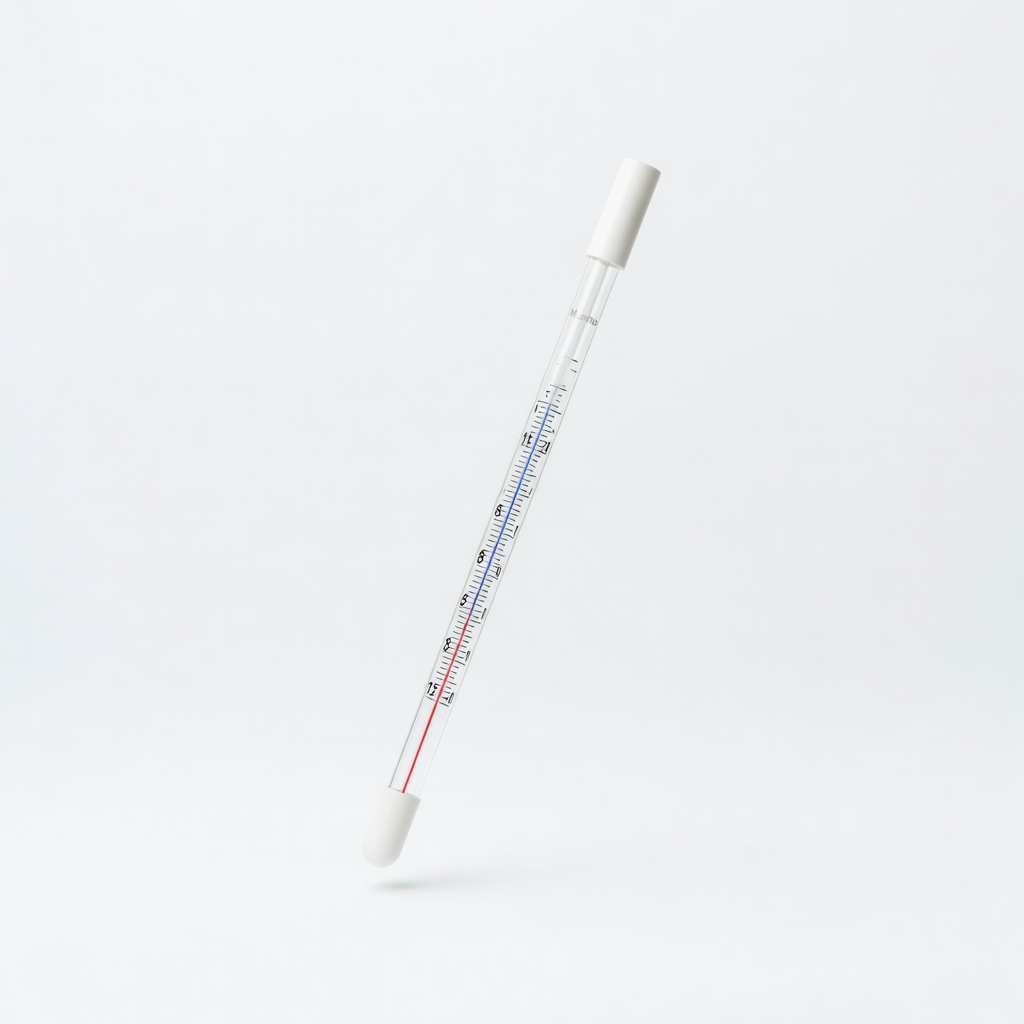
Budget option for small tanks or as a backup cross-check.
Marina Floating Thermometer Classic glass design with ±1°F accuracy, no batteries, durable for years.
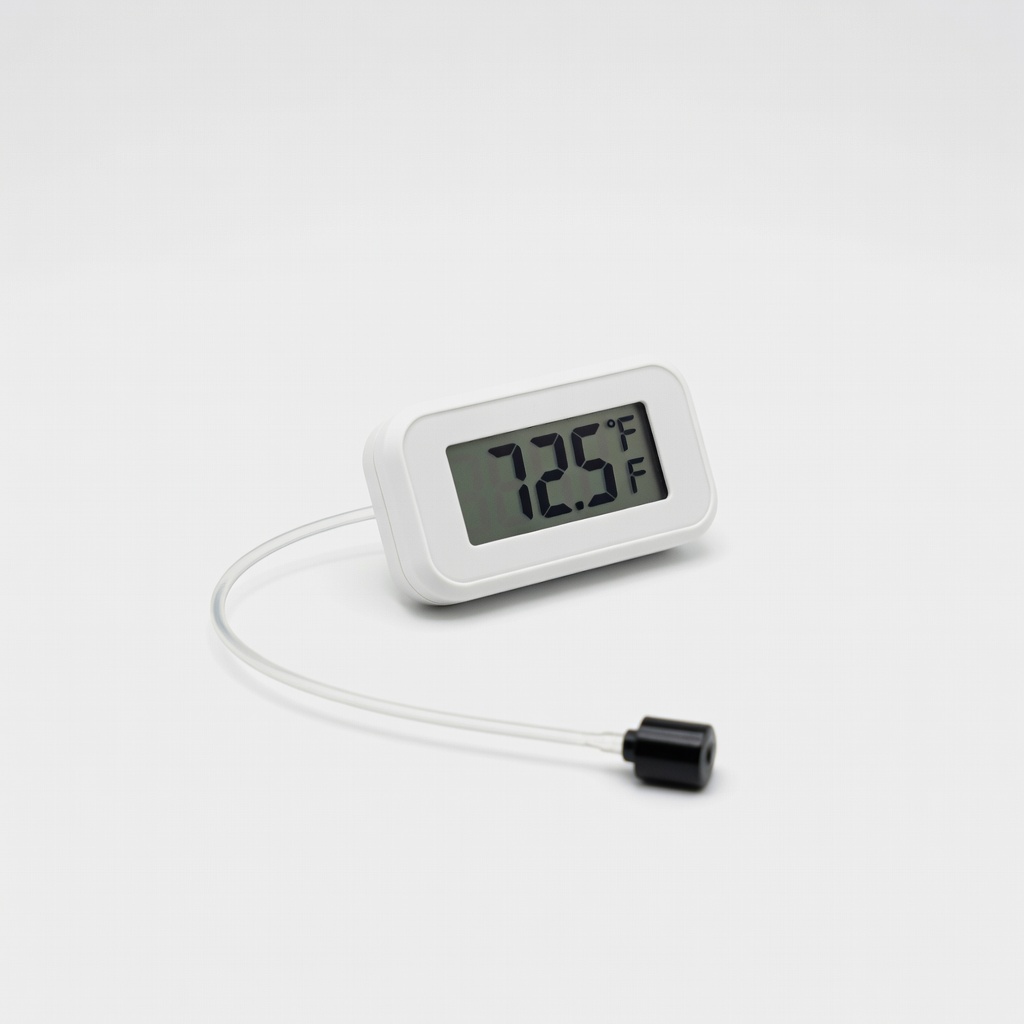
Visible external display for quick glances in any tank size.
Nicrew Digital Aquarium Thermometer LCD stick-on with min/max memory and alarm; highly accurate ±0.5°F.
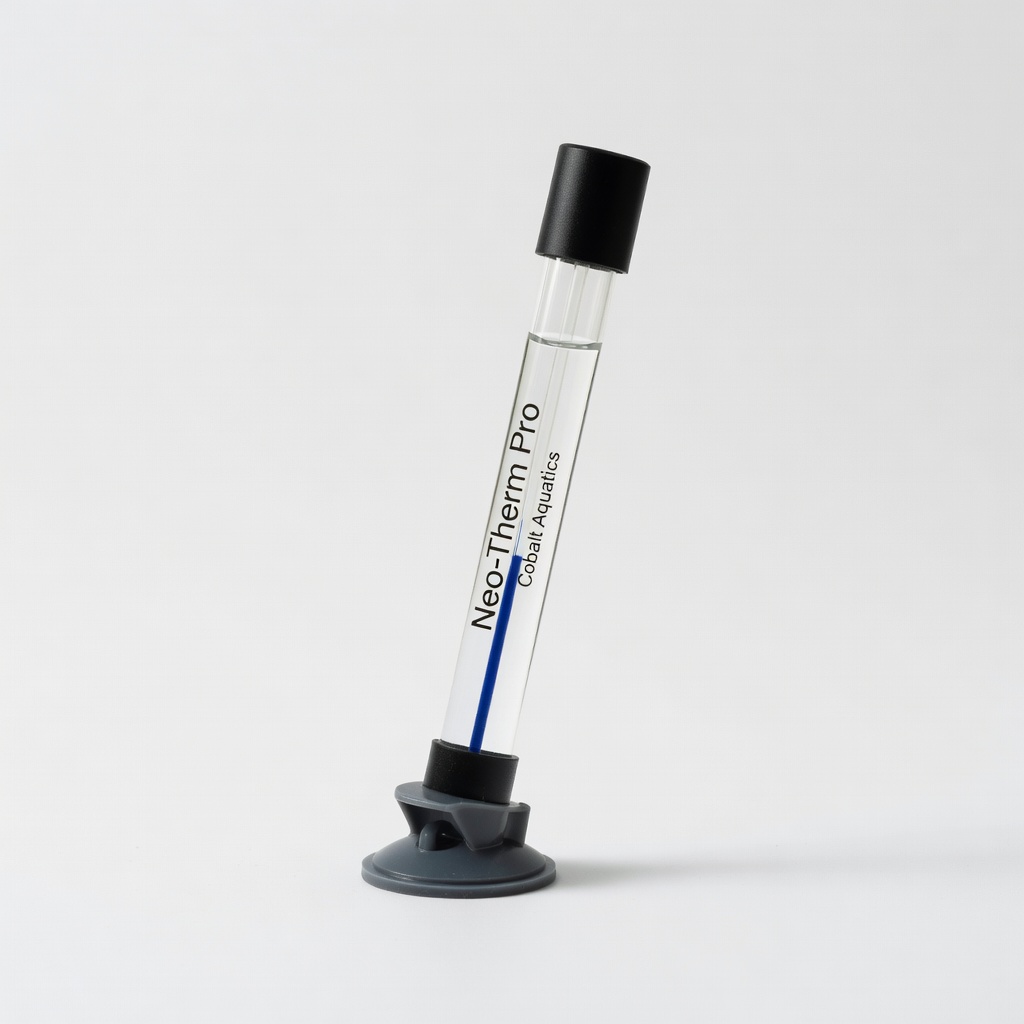
Advanced beginners or reef setups wanting data trends.
Cobalt Aquatics Neo-Therm Pro Thermometer Digital probe with app connectivity for logging; lab-grade ±0.1°F.