

The Body Keeps the Score by Bessel van der Kolk
Read alongside PTSD Coach for understanding triggers.
$18-22
The Body Keeps the Score by Bessel van der Kolk Complements apps with deep science on trauma-body connection, enhancing app exercises.
Get the App
Better experience on mobile
Discover top evidence-based therapy apps for PTSD recovery, learn key features, and get started on your healing journey effectively.
Post-Traumatic Stress Disorder (PTSD) affects millions worldwide, stemming from abuse, accidents, or combat, leading to flashbacks, anxiety, and sleep disturbances. While professional therapy is essential, therapy apps offer accessible, on-demand tools to manage symptoms between sessions or as a starting point.
In this guide, you'll learn what makes a therapy app effective for PTSD, explore top recommendations with real-user insights, and follow step-by-step advice on selection and use. Expect to spend 20-30 minutes reading, then 10-15 more picking and downloading your first app—no prior tech expertise needed beyond basic smartphone use.
These apps use CBT, mindfulness, and grounding techniques backed by research from organizations like the VA and APA, providing immediate relief and long-term coping strategies.
Estimated Time: 20-30 minutes to read and research + 10 minutes setup Difficulty: intermediate
PTSD involves re-experiencing trauma, avoidance, hyperarousal, and negative mood changes. Therapy apps aid recovery by delivering Cognitive Behavioral Therapy (CBT), exposure tools, relaxation exercises, and progress tracking—evidence-based methods from VA studies showing 50-70% symptom reduction with consistent use.
Why it matters: Apps bridge gaps in access to care, especially in rural areas or during waitlists. Expect personalized plans, daily check-ins, and crisis resources.
Start by listing your top symptoms (e.g., nightmares, panic) to match app strengths.
💡 Tips:
⚠️ Warnings:
Look for PTSD-specific tools: grounding exercises (5-4-3-2-1 sensory), sleep trackers, CBT journals, audio guides for flashbacks, and peer support chats. Top apps integrate VA-validated assessments like PCL-5 quizzes.
Analogies: Think of apps as a 'therapy pocket coach'—like having a therapist's toolkit on-demand, versus one weekly session.
Prioritize privacy (HIPAA-compliant), offline modes, and free tiers to test fit.
💡 Tips:
Developed by the U.S. Department of Veterans Affairs, PTSD Coach is #1 for evidence-based PTSD tools. Features 40+ audio/video exercises, symptom tracker, crisis hotline links, and customizable toolbox.
Why it excels: Backed by clinical trials; used by 1M+ vets/civilians. Users report 30% anxiety drop in weeks.
Download free; no ads, fully offline after setup.
💡 Tips:
Sanvello (formerly Pacifica) offers CBT lessons, mood tracking, guided journeys for trauma, and anonymous peer support. PTSD-specific paths include trigger management and resilience building.
Proven: APA-endorsed; studies show 40% symptom relief. Freemium model—core free, premium $8.99/mo unlocks unlimited.
Ideal for intermediate users wanting social accountability.
💡 Tips:
⚠️ Warnings:
Calm provides PTSD-friendly meditations, sleep stories, and breathing for hyperarousal. 'Daily Calm' series includes trauma release; research links it to 25% PTSD score improvements.
Subscription $69.99/yr, but free trials/sections. Analogy: Like a warm blanket for your mind during night terrors.
Great adjunct for somatic symptoms.
💡 Tips:
Consider T2 MoodTracker (DoD free app for logging), MindShift (anxiety/PTSD CBT), or Headspace (trauma courses). Compare via app store reviews and VA app lists.
Why compare: Match to needs—e.g., Headspace for beginners, PTSD Coach for intensity.
💡 Tips:
Assess based on ratings (4.5+), free access, PTSD focus, and your symptoms. Set up profile, complete onboarding quiz, and create daily routine (e.g., 10min morning grounding).
Expect initial overwhelm—start with 1 feature.
💡 Tips:
⚠️ Warnings:
Log weekly symptom scores; adjust if no 20% improvement in 4 weeks. Integrate with therapy by sharing reports.
Long-term: 80% users sustain gains with 15min/day.
💡 Tips:
Problem: App crashes or won't load
Solution: Update OS, clear cache, reinstall. Use web versions if available.
Problem: No motivation to open app
Solution: Set micro-goals (1 exercise/day), pair with coffee ritual.
Problem: Symptoms worsen
Solution: Pause app, contact crisis line (988 in US), consult therapist immediately.
Problem: Privacy concerns
Solution: Choose HIPAA apps like PTSD Coach; review permissions.
Complements apps with deep science on trauma-body connection, enhancing app exercises.
Best for: Read alongside PTSD Coach for understanding triggers.
Price Range: $18-22
Deep pressure calms hyperarousal, boosting app relaxation sessions.
Best for: Use during Calm sleep stories for PTSD insomnia.
Price Range: $50-70
Tracks stress/HRV/sleep, syncing with apps for PTSD progress data.
Best for: Monitor triggers during Sanvello mood logs.
Price Range: $120-150
Hands-on exercises pair perfectly with app CBT tools.
Best for: Journal post-app sessions for deeper processing.
Price Range: $15-20
Superior noise cancellation immerses in app audio guides, blocking triggers.
Best for: Grounding meditations during high-stress environments.
Price Range: $250-280
Read alongside PTSD Coach for understanding triggers.
The Body Keeps the Score by Bessel van der Kolk Complements apps with deep science on trauma-body connection, enhancing app exercises.
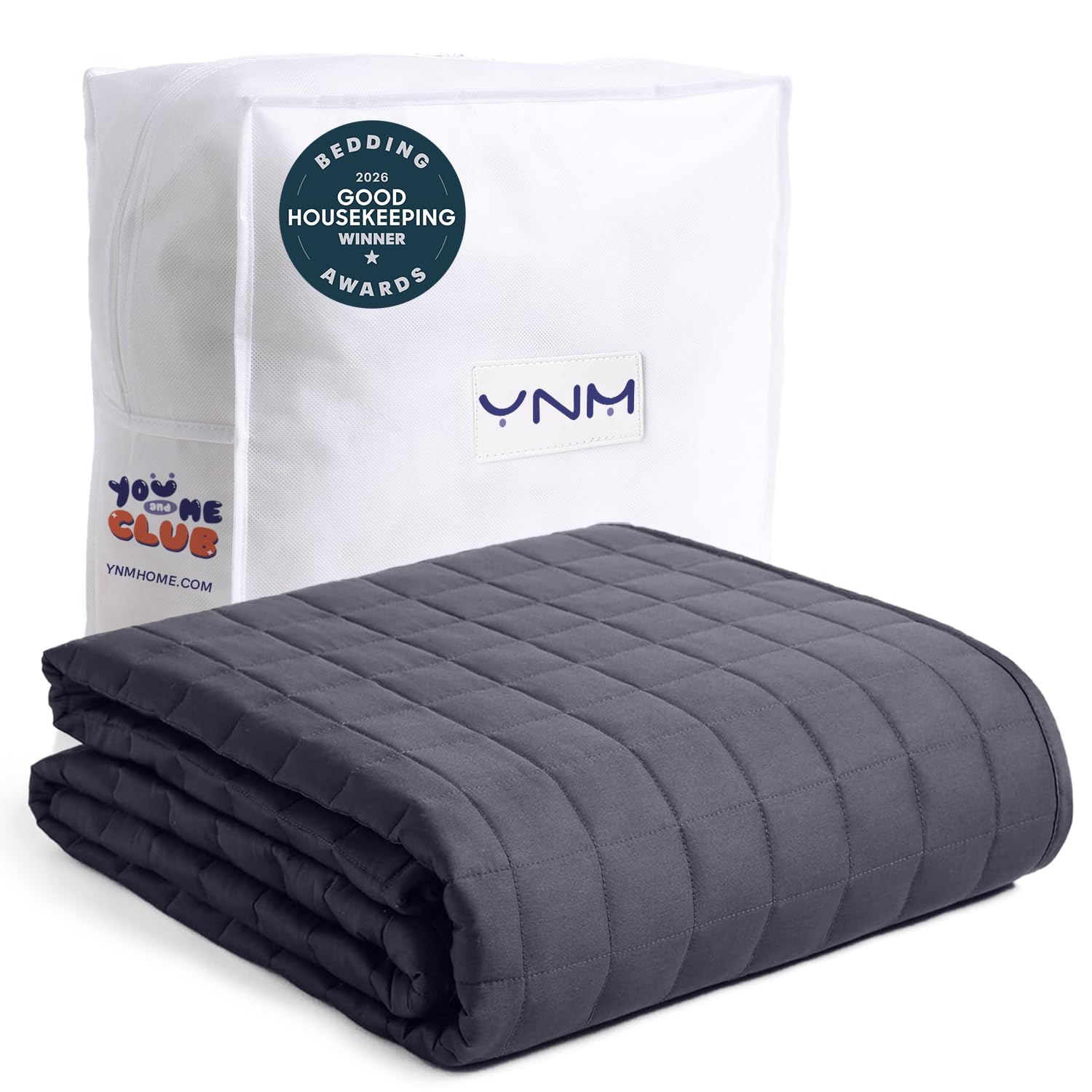
Use during Calm sleep stories for PTSD insomnia.
YnM Weighted Blanket (15 lbs, Queen) Deep pressure calms hyperarousal, boosting app relaxation sessions.

Monitor triggers during Sanvello mood logs.
Fitbit Charge 5 Tracks stress/HRV/sleep, syncing with apps for PTSD progress data.

Journal post-app sessions for deeper processing.
Complex PTSD Recovery Workbook Hands-on exercises pair perfectly with app CBT tools.

Grounding meditations during high-stress environments.
Sony WH-1000XM4 Headphones Superior noise cancellation immerses in app audio guides, blocking triggers.