Playing acoustic guitar in humid climates can turn your dream sessions into nightmares—strings corrode quickly from sweat and moisture, buzz unexpectedly as the neck swells, and tone goes flat fast. If you're in Florida, Southeast Asia, or anywhere with high humidity (over 60% RH), choosing the wrong string tension exacerbates these issues, leading to frustration and costly repairs.
In this guide, you'll understand how humidity interacts with string tension, compare light, medium, and heavy options, and get tailored recommendations for stable performance. We'll break it down simply, with real-world examples, so you can select and install strings confidently. Expect 10-15 minutes to read and apply the knowledge—no tools needed beyond basic guitar savvy.
▸What You'll Need
- •Hygrometer (to measure room humidity, ~$10 on Amazon)
- •Guitar tuner (clip-on or app-based)
- •Basic knowledge of changing guitar strings (intermediate level)
- •Optional: String winder and cutters for testing new sets
Estimated Time: 10-15 minutes to read and understand; 20-30 minutes to test on your guitar
Difficulty: intermediate
▸Step-by-Step Instructions
Step 1: Understand Humidity's Impact on Acoustic Guitars
Humidity above 45-55% causes guitar wood (especially rosewood or mahogany) to absorb moisture, expanding the neck and raising action. Strings corrode faster from player sweat and air moisture, losing brightness in 1-2 weeks vs. months in dry areas.
Why it matters: High tension strings amplify buzzing when action changes; low tension may flop. Track your RH with a hygrometer—aim for 45-55% using a case humidifier.
Expect dull tone or slippage if ignored.
💡 Tips:
- •Store guitar in a hard case with Dampit humidifier during rainy seasons.
Step 2: Grasp What String Tension Means
String tension is the tightness/pull (measured in pounds) when tuned to pitch. Light: 150-170 lbs total; Medium: 170-190 lbs; Heavy: 190+ lbs. Analogy: Light like rubber bands (easy bend, bright snap); heavy like steel cables (stiff, powerful).
Higher tension = louder volume, sustain, but harder fretting and more neck stress. In humidity, balance prevents warping.
⚠️ Warnings:
- •Don't jump from light to heavy without truss rod adjustment—risks neck bow.
Step 3: Compare Tension Types
| Tension | Gauges | Playability | Tone | Best For |
|---|
| Light | .011-.052 | Easy, fast | Bright, short sustain | Fingerstyle, beginners |
| Medium | .012-.054 | Balanced | Full, versatile | Strumming, most players |
| Heavy | .013-.056 | Stiff, precise | Loud, long sustain | Bluegrass, recording |
Light suits humid climates best initially due to flexibility with wood movement.
💡 Tips:
- •Use a tension calculator app like D'Addario's to verify sets.
Step 4: See How Tension Interacts with Humidity
Humid wood swells → higher action → light tension reduces buzzing risk vs. heavy (which pulls neck back too much). Coated strings extend life 3-5x by blocking moisture. Example: Florida player swaps to light coated—buzz gone, tone lasts 2 months.
Heavy works if you control humidity, but risks cracks in extreme wet (80%+ RH).
Step 5: Recommended Tensions for Humid Climates
Top pick: Light to Medium (12-53 gauges). Light for steel-string acoustics in 60%+ RH—forgiving on swelling necks. Medium if you strum hard and use dehumidifier.
Avoid heavy unless pro setup. Pair with phosphor bronze or coated for corrosion resistance.
💡 Tips:
- •Test light first; up-gauge if too floppy after 1 week.
Step 6: Select Compatible String Materials
Phosphor bronze resists humidity better than 80/20 bronze (less corrosion). Coated (Elixir, D'Addario XS) seal out moisture—essential in tropics.
Example: Elixir Nanoweb feels like uncoated but lasts in sweat-heavy play.
⚠️ Warnings:
- •Plain bronze dies fast in humidity—swap weekly or lose tone.
Step 7: Install and Test Your New Tension
Change strings: Tune to pitch, stretch 3-4 times, retune. Play 30 mins; check action at 12th fret (2-3mm ideal). Buzz? Loosen truss rod 1/8 turn.
Monitor 48 hours as wood settles.
▸Pro Tips
- •Wipe strings post-play with microfiber + Dunlop string cleaner to cut sweat.
- •Use a room dehumidifier; target 50% RH for ideal tension stability.
- •Hybrid pick: Light top/medium bottom for balanced feel in variable humidity.
- •Buy coated strings—save $ on frequent changes.
- •Annual pro setup post-summer humidity spikes.
- •Track tone life in a journal to dial perfect tension.
- •Silk-wrapped ends (like Cleartone) ease install on coated sets.
▸Common Mistakes to Avoid
- •Ignoring humidity—leads to premature string death and neck issues; measure RH first.
- •Sticking to heavy tension—causes buzzing/breaks as wood swells; start lighter.
- •Skipping coated strings—corrosion kills tone in 7-10 days; invest upfront.
- •Not stretching new strings—detuning chaos first week; stretch properly.
- •Over-tightening truss rod—permanent neck damage; small adjustments only.
▸Troubleshooting
Problem: Strings buzz after humidity spike
Solution: Switch to light tension, check action, add neck relief via truss rod.
Problem: Strings feel too loose/slappy
Solution: Try medium gauge coated; ensure proper tuning and stretching.
Problem: Rapid corrosion (green buildup)
Solution: Go fully coated strings like Elixir; wipe daily.
Problem: Dead tone after 1 week
Solution: Humidity culprit—use dehumidifier + phosphor bronze lights.
Elixir Nanoweb Phosphor Bronze Light Acoustic Strings (12-53)
Ultra-thin coating blocks humidity/sweat 5x longer life than uncoated.
Best for: Daily players in tropics; maintains light tension feel.
Price Range: $15-17
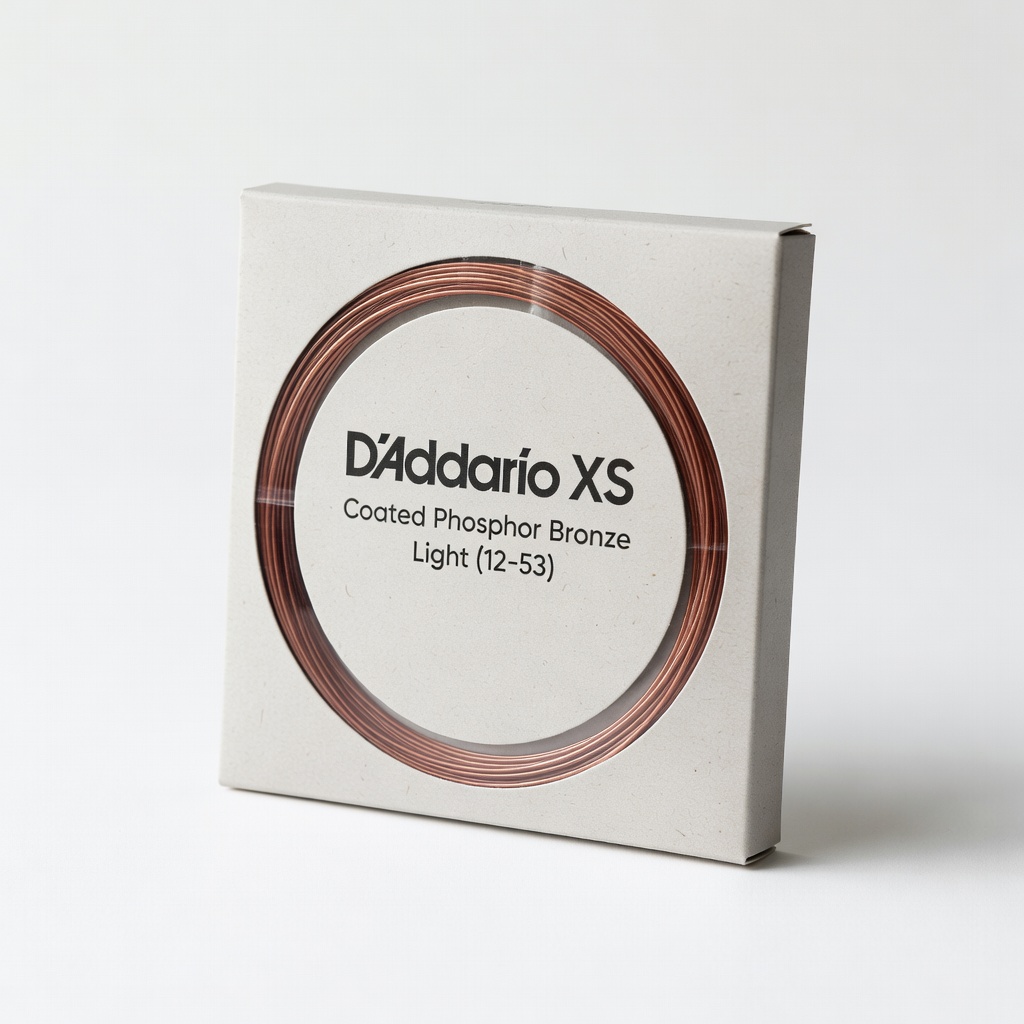
D'Addario XS Coated Phosphor Bronze Light (12-53)
Extreme protection coating for humid climates; smooth, corrosion-proof.
Best for: Fingerstyle in high-sweat environments; precise tension.
Price Range: $17-20
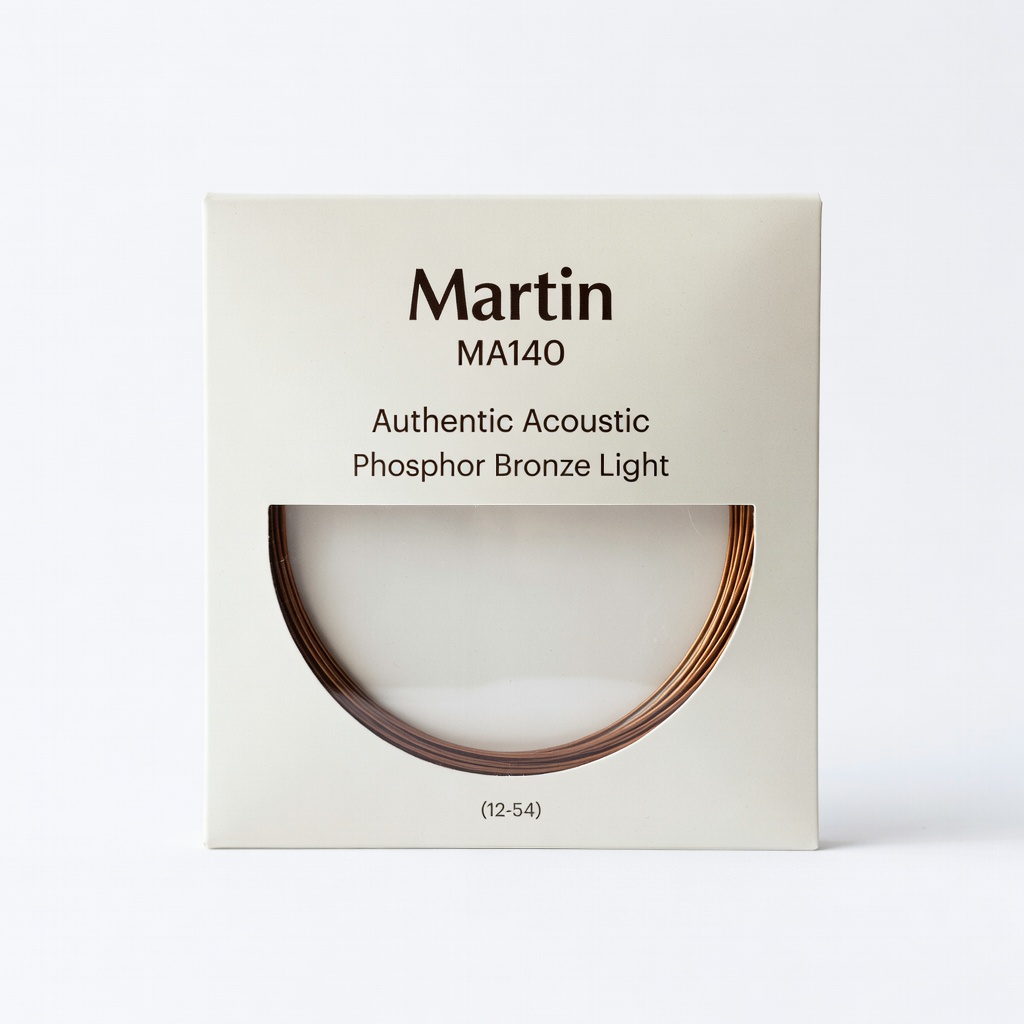
Martin MA140 Authentic Acoustic Phosphor Bronze Light (12-54)
Budget-friendly phosphor bronze excels in moderate humidity; great tone stability.
Best for: Strummers on budget; medium-light tension hybrid.
Price Range: $6-8
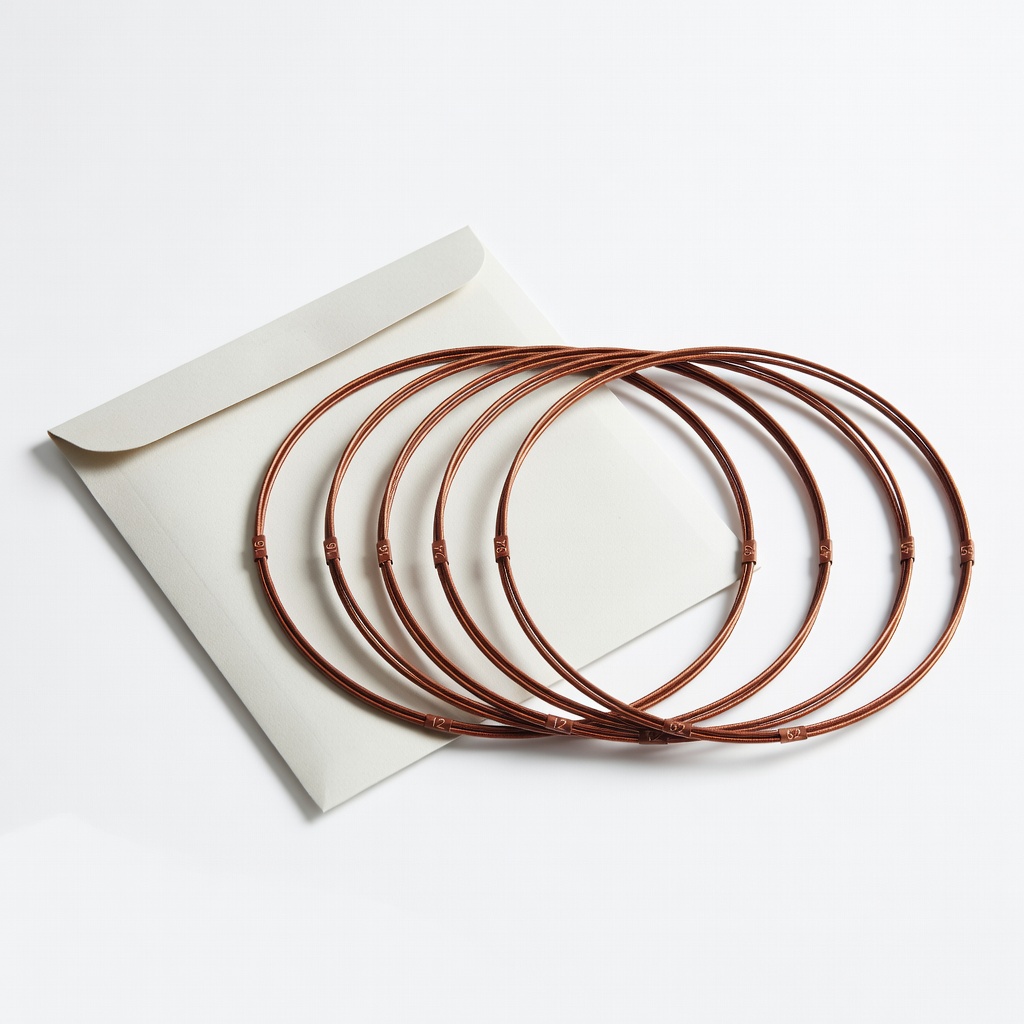
Cleartone Coated Phosphor Bronze EMP Light (12-53)
Enhanced molecular coating resists humidity; louder than standard lights.
Best for: Recording in variable RH; balanced tension.
Price Range: $12-15