Verbal abuse leaves deep emotional scars, often invisible but profoundly damaging, making survivors feel isolated and powerless. If you've endured constant criticism, gaslighting, or belittling words, you're not alone—and recovery starts with connection. This guide reveals the best support groups tailored for verbal abuse survivors, helping you rebuild confidence and self-worth.
You'll discover types of groups, how to find and join them, and what to expect, empowering you to take your first step toward healing. Whether online or in-person, these resources provide validation and practical strategies from peers who've walked your path. Expect a straightforward read in 15-20 minutes, with actionable steps for beginners—no prior experience needed.
By the end, you'll know exactly which groups fit your needs and how to get started safely.
▸What You'll Need
- •Internet access (required for online research and groups)
- •Quiet, private space (required for emotional safety)
- •Notebook or journal (optional, for jotting notes and reflections)
- •Phone or computer (required for calls or video meetings)
Estimated Time: 15-20 minutes to read and identify groups
Difficulty: beginner
▸Step-by-Step Instructions
Step 1: Understand Verbal Abuse and Its Impact
Verbal abuse includes yelling, name-calling, sarcasm, threats, and manipulation that erodes your self-esteem over time. Unlike physical abuse, it's often dismissed, but effects like anxiety, depression, and PTSD are real. Recognizing this validates your experience and prepares you for support.
Why it matters: Clarity helps you identify survivor-specific groups, avoiding general ones that might not address verbal tactics like gaslighting. Expect to feel a mix of relief and sadness as you reflect.
Image description: Infographic showing common verbal abuse phrases with emotional impact icons.
💡 Tips:
- •Use analogies: Think of it like slow poison—undetectable but deadly.
⚠️ Warnings:
- •Avoid self-diagnosis alone; consult a professional if symptoms persist.
Step 2: Identify Why Support Groups Help Survivors
Support groups offer peer validation, shared stories, coping strategies, and reduced isolation. Unlike therapy, they're often free, anonymous, and focused on mutual aid. Studies from organizations like RAINN show group support accelerates emotional recovery by 30-50%.
Expect breakthroughs like realizing 'it wasn't my fault.' They're not a cure but a vital first step.
Image description: Before-and-after illustration of a survivor: isolated vs. surrounded by supportive circle.
💡 Tips:
- •Start with listening; sharing comes later.
Step 3: Explore National Hotlines and Organizations
Begin with free, 24/7 resources like the National Domestic Violence Hotline (1-800-799-7233 or thehotline.org). They connect to verbal abuse-specific chats and local groups. RAINN.org (rainn.org) offers survivor forums and referrals.
Why it matters: These are vetted, safe entry points. Expect immediate empathy and customized referrals.
Image description: Screenshots of hotline websites with chat icons.
💡 Tips:
- •Text 'START' to 88788 for discreet crisis support.
Step 4: Find Online Support Communities
Platforms like Reddit's r/VerbalAbuse (10k+ members) and Facebook groups ('Verbal Abuse Survivors United') provide anonymous sharing. 7 Cups (7cups.com) offers free listeners trained in emotional support.
These are ideal for beginners—read posts first. Why it matters: 24/7 access from home builds courage.
Image description: Collage of Reddit threads and Facebook group interfaces.
⚠️ Warnings:
- •Beware trolls; report and block unsafe users.
Step 5: Search for Local In-Person Groups
Use Psychology Today's directory (psychologytoday.com/us/groups) or meetup.com with keywords 'domestic violence support' or 'emotional abuse recovery.' Local women's shelters often host free sessions.
Expect structured meetings (1-2 hours weekly). Why it matters: Face-to-face builds deeper trust.
Image description: Map pin on a community center with group meeting photo.
💡 Tips:
- •Call ahead to confirm verbal abuse focus.
Step 6: Join Specialized 12-Step or Therapy Groups
Groups like Emotions Anonymous (emotionsanonymous.org) or Codependents Anonymous (coda.org) address verbal abuse patterns via steps like admitting powerlessness over abusers.
These mirror AA but for emotions. Why it matters: Structured tools for long-term healing.
Image description: Circle of chairs in a meeting room with diverse participants.
💡 Tips:
- •Many offer free online Zoom meetings.
Step 7: Evaluate and Join Your First Group
Check for safety (moderation, no-contact rules), focus (verbal-specific), and vibe via guest lurking. Attend an intro session; leave if it feels off.
Why it matters: Right fit prevents re-traumatization. Expect nervousness turning to relief.
Image description: Checklist graphic for group evaluation criteria.
⚠️ Warnings:
- •Never share identifying details initially.
Step 8: Follow Up with Self-Care and Professional Help
After joining, journal insights and pair with therapy. Apps like BetterHelp integrate group work.
Why it matters: Groups complement, don't replace, professional care for complex trauma.
▸Pro Tips
- •Lurk before posting to gauge group culture.
- •Set boundaries: Attend only what feels safe.
- •Combine groups—one online, one local—for balance.
- •Track progress weekly in a journal.
- •Use incognito mode for privacy online.
- •Practice deep breathing before meetings.
- •Celebrate small wins like your first share.
▸Common Mistakes to Avoid
- •Joining without preparation, leading to overwhelm—preview rules first.
- •Expecting instant fixes—groups build healing gradually over weeks.
- •Ignoring red flags like unmoderated drama—switch groups quickly.
- •Isolating after tough shares—follow up with hotline support.
- •Forgetting self-care, like rest post-meeting.
▸Troubleshooting
Problem: Group triggers anxiety or feels unsafe
Solution: Leave immediately, contact hotline, try a different moderated group.
Problem: No local groups available
Solution: Prioritize online options like 7 Cups or Reddit; search 'virtual verbal abuse support'.
Problem: Emotional overwhelm after sharing
Solution: Journal feelings, call a trusted friend, or seek therapist via Psychology Today.
Problem: Can't commit to schedules
Solution: Choose asynchronous forums like Reddit over live meetings.
The Verbally Abusive Relationship by Patricia Evans
Classic book breaking down verbal abuse tactics with real examples and recovery strategies—perfect companion to group discussions.
Best for: Read before/after meetings to process shared stories and gain tools.
Price Range: $10-15
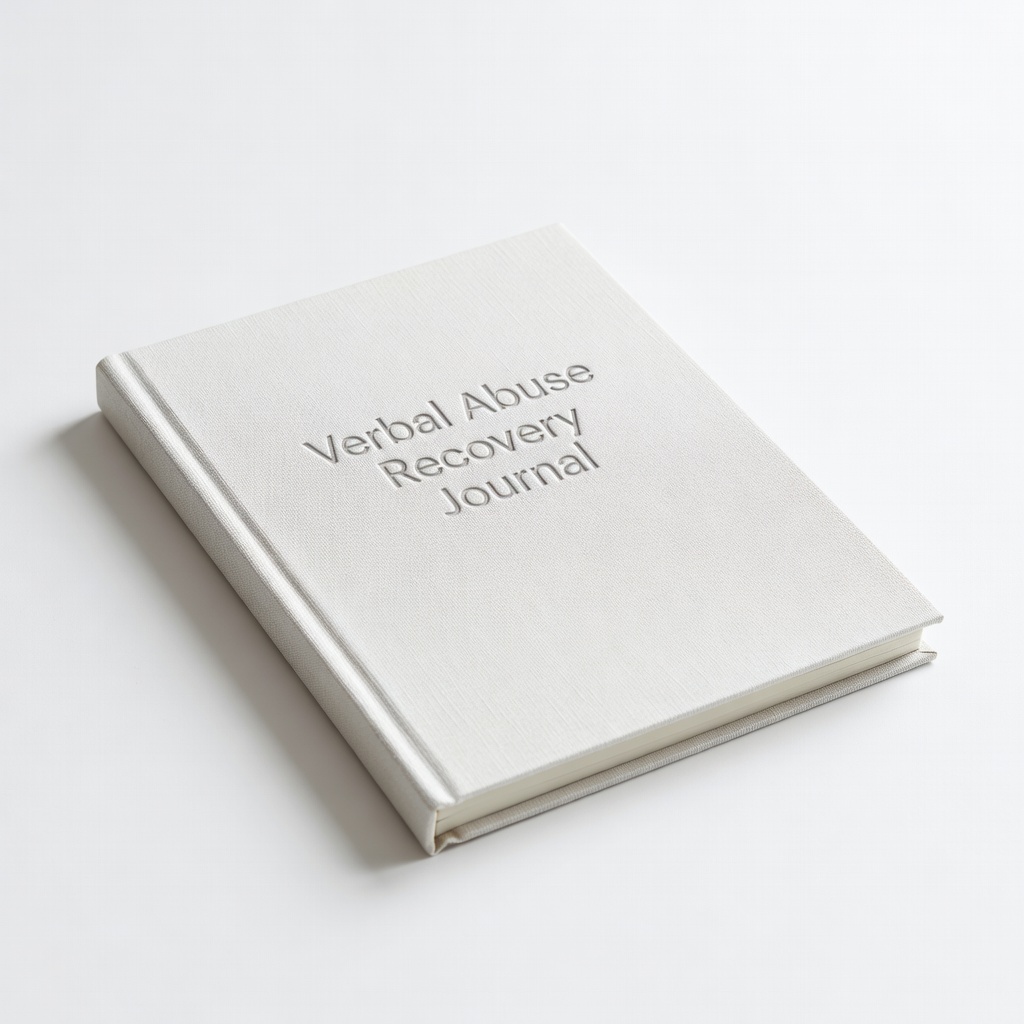
Verbal Abuse Recovery Journal
Guided prompts for reflecting on abuse patterns and group insights, fostering personal growth.
Best for: Use during/after sessions to track emotions and progress privately.
Price Range: $12-18
Sony WH-CH720N Noise-Cancelling Headphones
Blocks distractions for private online meetings or listening to group recordings, reducing anxiety.
Best for: Ideal for home-based virtual support sessions.
Price Range: $100-130
The Body Keeps the Score by Bessel van der Kolk
Explains trauma's physical effects from abuse, helping understand group-shared symptoms.
Best for: Deepen self-awareness alongside peer support.
Price Range: $15-20