Playing an acoustic-electric guitar in humid climates like Florida, Southeast Asia, or coastal areas can turn your dream tone into a nightmare. Excess moisture causes strings to corrode quickly, leading to dull sound, frequent detuning, and even rust that affects playability. Intermediate players often struggle with restringing too often or sacrificing tone for durability.
In this guide, you'll learn the science behind string materials, why coated strings dominate in high humidity, and how to choose the perfect set for your guitar. We'll break down options with real-world examples, so you can make informed choices without guesswork. Expect to spend 15 minutes reading and gain actionable knowledge—no tools required beyond basic guitar familiarity.
By the end, you'll know exactly which strings to buy, how to install them, and maintenance tips to extend their life in muggy conditions.
▸What You'll Need
- •Basic knowledge of guitar string gauges and types (e.g., light vs. medium)
- •Guitar tuner (clip-on recommended)
- •String winder and cutters (optional but helpful for installation)
- •Humidity monitor for your guitar storage (optional)
Estimated Time: 15-20 minutes to read and understand
Difficulty: intermediate
▸Step-by-Step Instructions
Step 1: Understand Humidity's Impact on Strings
Humidity accelerates oxidation on plain steel strings, causing rust, tone loss, and slippage under fingers. In 70%+ RH environments, uncoated strings last 1-2 weeks before sounding dead.
Acoustic-electric guitars amplify this via piezo pickups, making corrosion audible as buzz or muddiness. Phosphor bronze and 80/20 bronze are common, but humidity attacks their alloys differently—phosphor bronze resists better initially but still corrodes.
Expect: Strings feel slick then gritty; action changes as windings unwind.
💡 Tips:
- •Measure room humidity with a cheap hygrometer ($10) to baseline your climate.
⚠️ Warnings:
- •Avoid playing in direct rain—wipe guitar immediately.
Step 2: Compare String Materials for Humidity Resistance
Plain steel (used in electrics) rusts fastest. 80/20 bronze (80% copper, 20% zinc) brightens tone but corrodes quicker in moisture. Phosphor bronze (phosphorus-added copper alloy) offers warmer tone and better sweat resistance—ideal for acoustics.
In humid climates, prioritize phosphor bronze over 80/20. Analogy: 80/20 is like a sports car (fast attack, short life); phosphor bronze is a reliable SUV (balanced, durable).
Why it matters: Material dictates 70% of humidity performance.
💡 Tips:
- •Test both in your setup—phosphor often wins for fingerstyle in humidity.
Step 3: Prioritize Coated Strings for Protection
Coated strings wrap a thin polymer (e.g., Elixir Nanoweb) over windings, blocking moisture like a raincoat. They last 3-5x longer (1-3 months) in humidity without tone sacrifice.
Nanoweb (ultra-thin) feels natural; Polyweb (thicker) is slicker but protects more. Uncoated? Fine for dry climates only.
Expect: Smoother feel, sustained tone through gigs.
⚠️ Warnings:
- •Cheaper coatings flake—stick to trusted brands.
Step 4: Select the Right Gauge for Your Playing Style
Light gauge (.012-.053) bends easy, less tension in humidity (less breakage). Medium (.013-.056) for strummers holds tune better but snaps more.
Hybrid sets (light top, medium bottom) balance in humid fingerstyle/electric use. Match your acoustic-electric's scale (usually 25.5"). Too light? Buzzes; too heavy? Hurts fingers.
Pro tip: Lighter gauges in humidity reduce moisture-induced slippage.
💡 Tips:
- •Use a gauge calculator online based on your guitar's nut width.
Step 5: Evaluate Brands and Install Properly
Top humid picks: Elixir, D'Addario EXP/XS. Install by cleaning fretboard first, stretch strings 3-4 times while tuning to lock humidity seal.
Pre-stretch minimizes initial tuning drift (common in moisture). Use graphite on nut for smooth tuning stability.
Why: Proper install extends coated life by 20%.
💡 Tips:
- •Tune to pitch, pull up 2-3 inches, repeat 3x per string.
⚠️ Warnings:
- •Don't overtighten—risks bridge lift in swelling wood.
Step 6: Maintain Strings in Humid Storage
Use a hard case with silica packs (50% RH target). Wipe strings post-play with microfiber + fast-fret. Dehumidify room if possible.
Monitor with case hygrometer. This preserves your investment between changes.
▸Pro Tips
- •Change strings every 4-6 weeks in high humidity, even coated ones.
- •Wash hands before playing to minimize skin oils + humidity corrosion.
- •Store guitar at 45-55% RH—use Dampit system inside body.
- •Stretch new strings aggressively for faster settling in muggy air.
- •Mix coated plain + wound for budget hybrid resistance.
- •Use boiled linseed oil on fretboard to repel moisture.
- •Record tone samples pre/post humidity exposure to track degradation.
▸Common Mistakes to Avoid
- •Using uncoated strings—leads to weekly changes and poor tone; switch to coated.
- •Ignoring gauge—too heavy causes finger fatigue/breakage; match your style.
- •Poor storage—no hygrometer means surprise rust; always monitor RH.
- •Skipping stretch—causes constant retuning for days; always pre-stretch.
- •Overlooking plain strings—wound ones corrode first, but plains rust too; coat all.
▸Troubleshooting
Problem: Strings detune rapidly after install
Solution: Stretch more aggressively and use nut sauce/graphite. Humidity swells wood—wait 24 hours.
Problem: Dull tone after 1 week
Solution: Corrosion starting—wipe daily and consider thicker Polyweb coating.
Problem: String breakage on B or high E
Solution: Drop to extra light gauge or check sharp frets/burrs at bridge.
Problem: Slick feel turns gritty
Solution: Coating wearing—normal after 2 months; restring and clean fretboard.
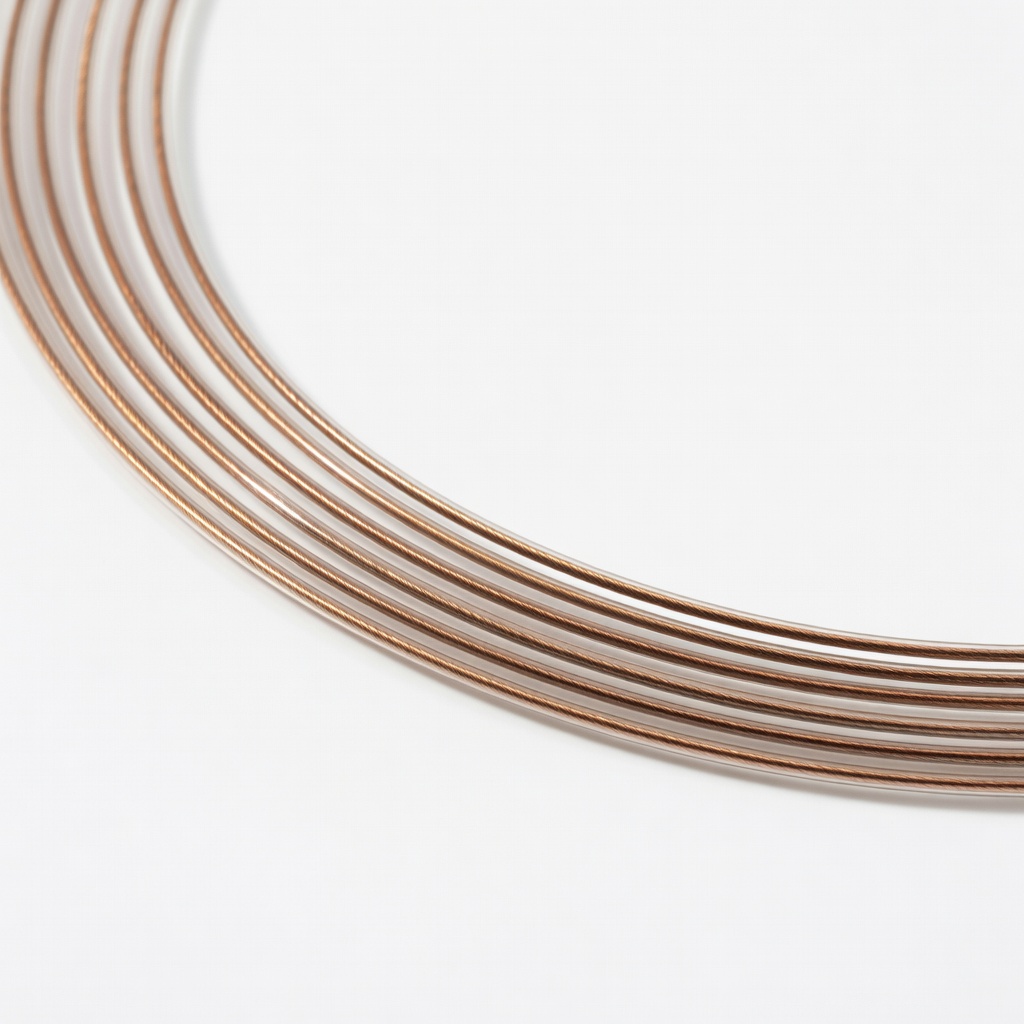
Elixir Nanoweb Phosphor Bronze Light Acoustic Strings (12-53)
Ultra-thin coating repels humidity/sweat 5x longer than uncoated, natural feel preserves bright tone.
Best for: Daily players in tropical climates needing long life without slickness.
Price Range: $15-$17
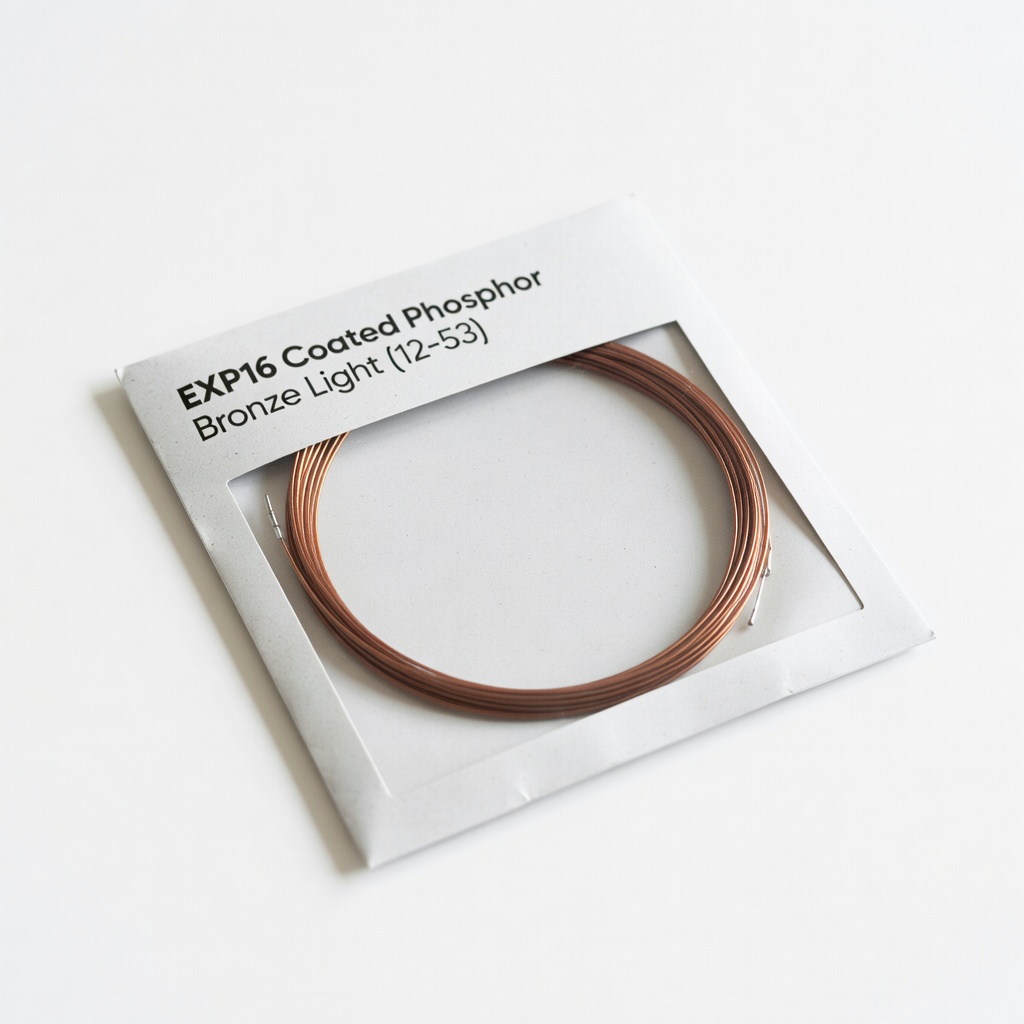
D'Addario EXP16 Coated Phosphor Bronze Light (12-53)
Extra-bright coating blocks moisture exceptionally well, balanced warmth for acoustic-electric plug-in.
Best for: Gigging intermediates wanting affordability and corrosion resistance.
Price Range: $11-$13
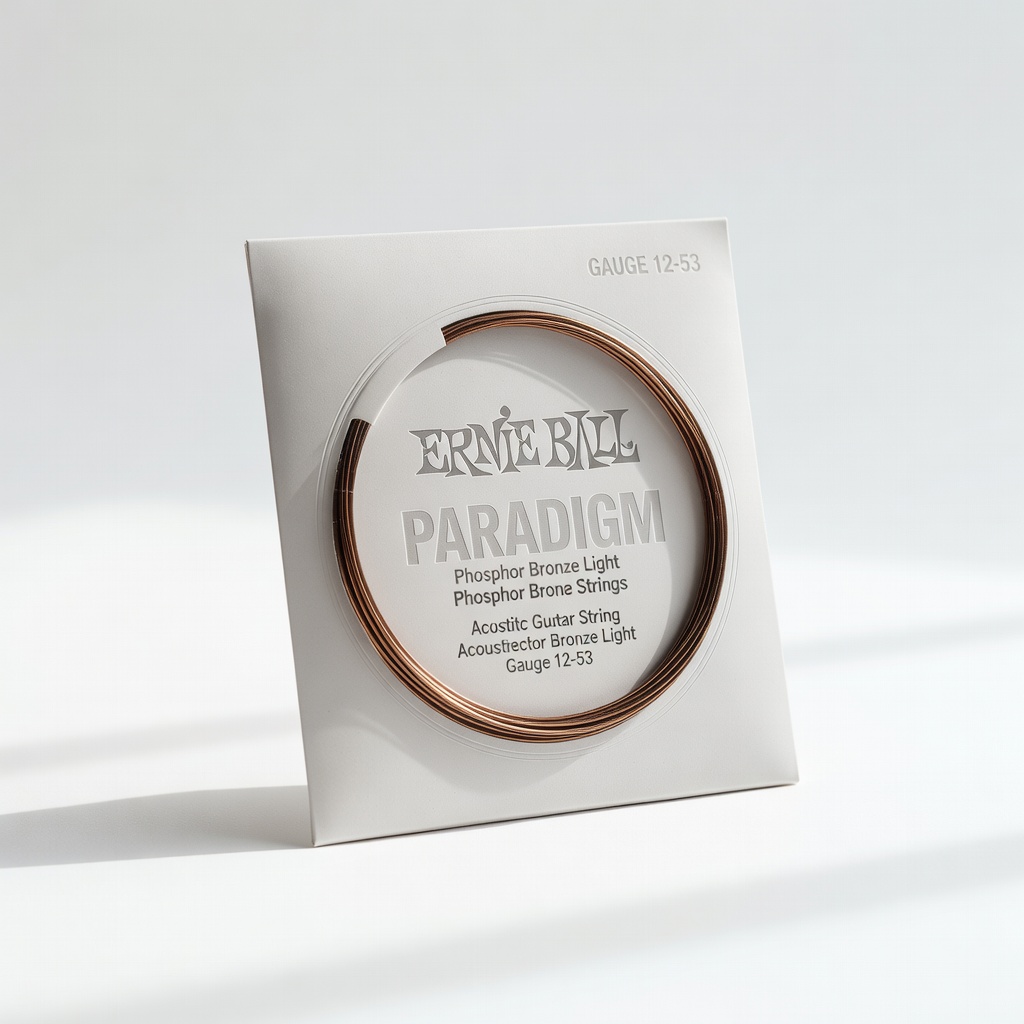
Ernie Ball Paradigm Phosphor Bronze Light (12-53)
Advanced coating withstands extreme humidity/breakage, reinforced for high tension.
Best for: Aggressive strummers in coastal areas prone to string snaps.
Price Range: $14-$16
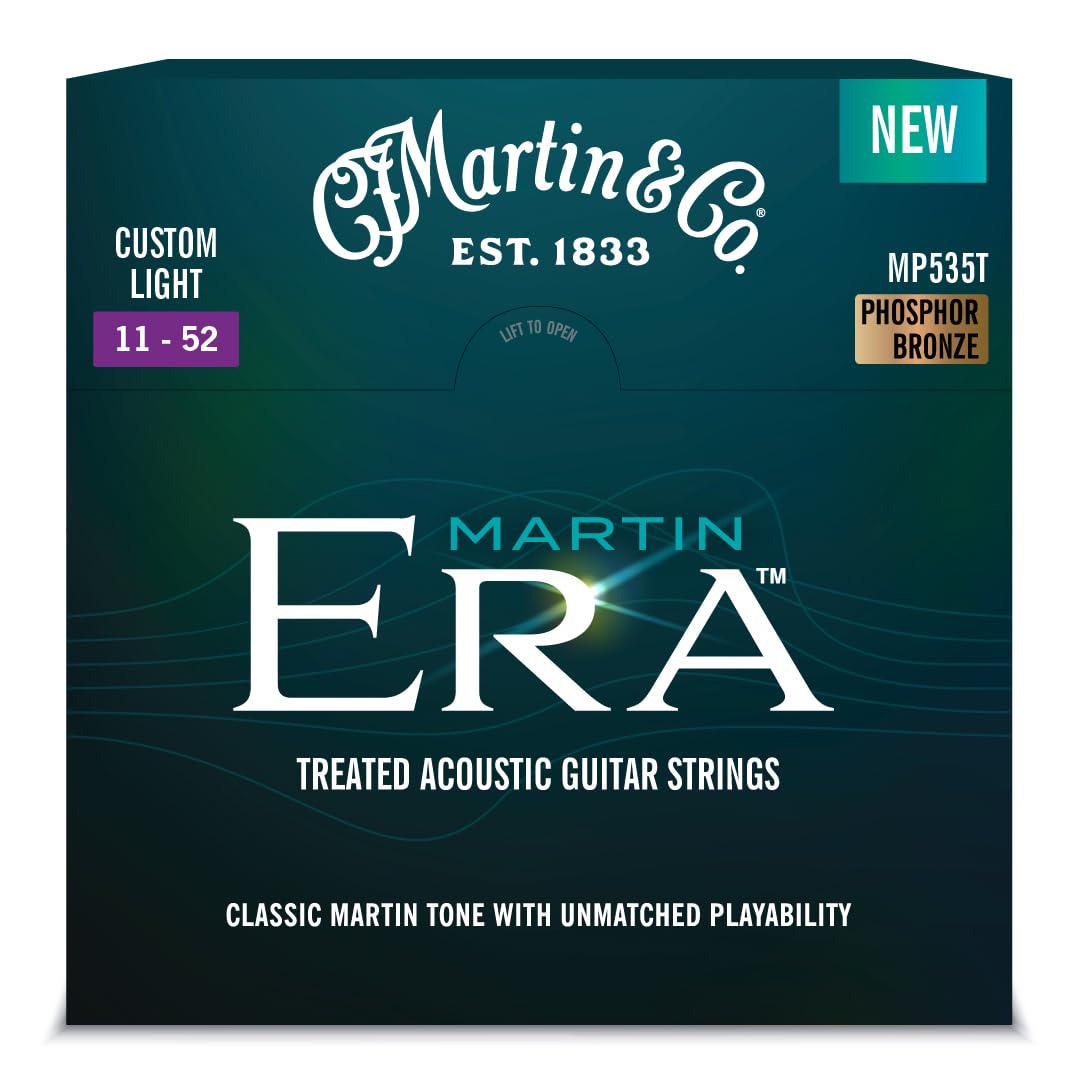
Martin SP Lifespan 92 Coated Phosphor Bronze Light (12-54)
92% coating coverage fights humidity corrosion, Martin-optimized tone.
Best for: Martin owners seeking factory-match durability in humid garages.
Price Range: $10-$12