
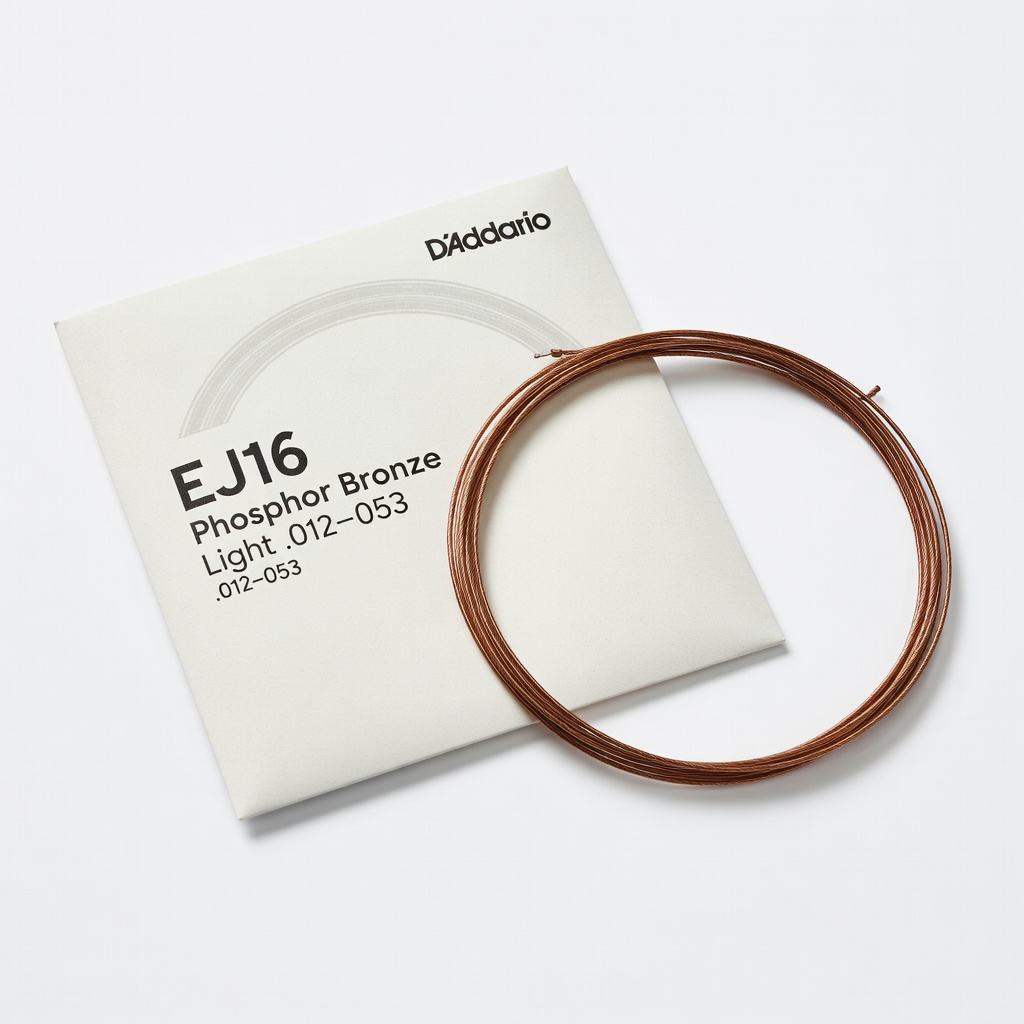
D'Addario EJ16 Phosphor Bronze Light .012-.053
Daily strumming/fingerstyle on any acoustic.
$6-8
D'Addario EJ16 Phosphor Bronze Light .012-.053 Best budget beginner pick: Warm tone, easy play, reliable brand (ASIN: B0002H0JZ2).
Get the App
Better experience on mobile
Learn the top string types, gauges, and brands for easy playability, great tone, and longevity on your first acoustic guitar.
As a beginner acoustic guitarist, nothing kills the fun faster than strings that feel like sandpaper on your fingers or snap after a few strums. Choosing the right strings can transform your playing experience—making chords easier, tone brighter, and practice sessions more enjoyable. But with endless options like bronze, phosphor bronze, and varying thicknesses, where do you start?
In this guide, you'll discover the best strings for beginners, breaking down materials, gauges, and key factors like budget and playing style. By the end, you'll know exactly what to buy for optimal sound and comfort. No prior knowledge needed—this is beginner-friendly and takes just minutes to read.
Expect clear explanations with analogies (like comparing string gauges to spaghetti thicknesses), real-world tips, and product picks under $20. Let's get your guitar singing!
Estimated Time: 10-15 minutes to read and choose strings; 20-30 minutes to change them Difficulty: beginner
Acoustic guitar strings vibrate to produce sound when you pluck them, amplified by the guitar's body. For beginners, focus on steel strings (not nylon/classical, which are for softer tone and classical guitars). Steel strings give the bright, punchy sound of folk, country, and pop.
Think of strings like tires on a car: the right ones make handling smooth. Key parts: six strings labeled E-A-D-G-B-E (thickest to thinnest). They wear out every 1-3 months with regular play, dulling tone and causing finger pain.
Expect: Clearer understanding of why stock strings often suck—they're cheap generics.
💡 Tips:
80/20 Bronze (80% copper, 20% zinc alloy): Bright, crisp tone like a fresh bell—great for strumming. Affordable but corrodes faster in humid areas.
Phosphor Bronze: Warmer, richer tone with longevity; phosphor adds corrosion resistance. Analogy: 80/20 is fireworks (loud pop), phosphor is a cozy campfire (sustained glow).
Other options: Coated (see Step 5). Beginners: Start with phosphor bronze for balanced tone without quick deadening.
💡 Tips:
⚠️ Warnings:
Gauge = thickness, measured in thousandths of an inch (e.g., .012). Light gauge (.011-.052 or .012-.053): Easiest for beginners—less tension means bendier strings, less finger fatigue. Like playing with spaghetti vs. linguine.
Medium (.013-.056): More volume/tone but harder pressing—avoid until calluses form.
Beginners need lights for easy fretting and bending.
Uncoated: Traditional feel, quick break-in (bright then mellows). Cheaper, but sweat/oils kill them fast.
Coated (e.g., Elixir Nanoweb): Thin polymer layer protects from corrosion—3-5x longer life, smoother feel (less squeak). Worth it for sweaty hands or infrequent changers.
For beginners: Coated if budget allows; uncoated to learn natural feel.
💡 Tips:
Strumming/fingerpicking: Light phosphor bronze.
Aggressive strumming: Light 80/20 for snap.
Budget under $10: Uncoated lights. Over $10: Coated.
Test: If fingers hurt after 15 mins, go lighter. Expect brighter tone post-change.
⚠️ Warnings:
Why? Fresh strings = better tone/playability. Takes 20 mins first time.
💡 Tips:
Tune to standard EADGBE. New strings slip—retune 3-5 times over hours. Play 30 mins to stretch. Full settle: 1-2 days.
Enjoy: Warmer tone, easier bends!
⚠️ Warnings:
Problem: Strings buzz or rattle
Solution: Check tuning; if persists, lighter gauge or truss rod adjustment (pro help).
Problem: Strings break often
Solution: Switch to coated/lighter; check sharp frets/bridge.
Problem: Dead tone after a week
Solution: Coated strings or reduce hand sweat; change more often.
Problem: Hard to press notes
Solution: Light gauge + setup check; build calluses gradually.
Best budget beginner pick: Warm tone, easy play, reliable brand (ASIN: B0002H0JZ2).
Best for: Daily strumming/fingerstyle on any acoustic.
Price Range: $6-8
Top coated choice: 3-5x life, smooth feel (ASIN: B003F6ROX6)—ideal for beginners avoiding frequent changes.
Best for: Sweaty hands or low-maintenance players.
Price Range: $15-17
Extra light for tiny hands: Super easy bending, bronze tone (ASIN: B0002E1DBU).
Best for: Absolute beginners or smaller guitars.
Price Range: $6-7
Premium feel at mid-price: Vintage Martin tone (ASIN: B07D7J6Z3L).
Best for: Martin guitar owners or tone chasers.
Price Range: $7-9
Daily strumming/fingerstyle on any acoustic.
D'Addario EJ16 Phosphor Bronze Light .012-.053 Best budget beginner pick: Warm tone, easy play, reliable brand (ASIN: B0002H0JZ2).
Sweaty hands or low-maintenance players.
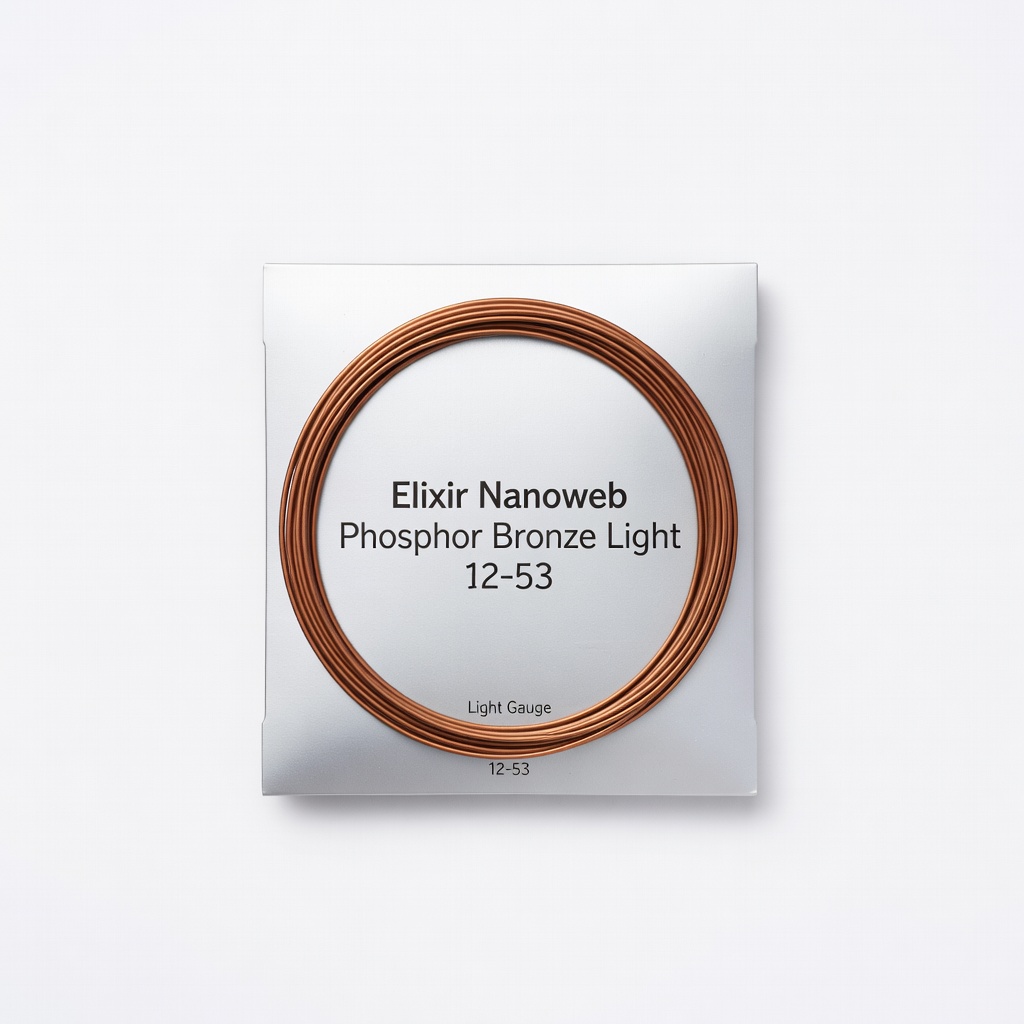
Elixir Nanoweb Phosphor Bronze Light 12-53 Top coated choice: 3-5x life, smooth feel (ASIN: B003F6ROX6)—ideal for beginners avoiding frequent changes.
Absolute beginners or smaller guitars.
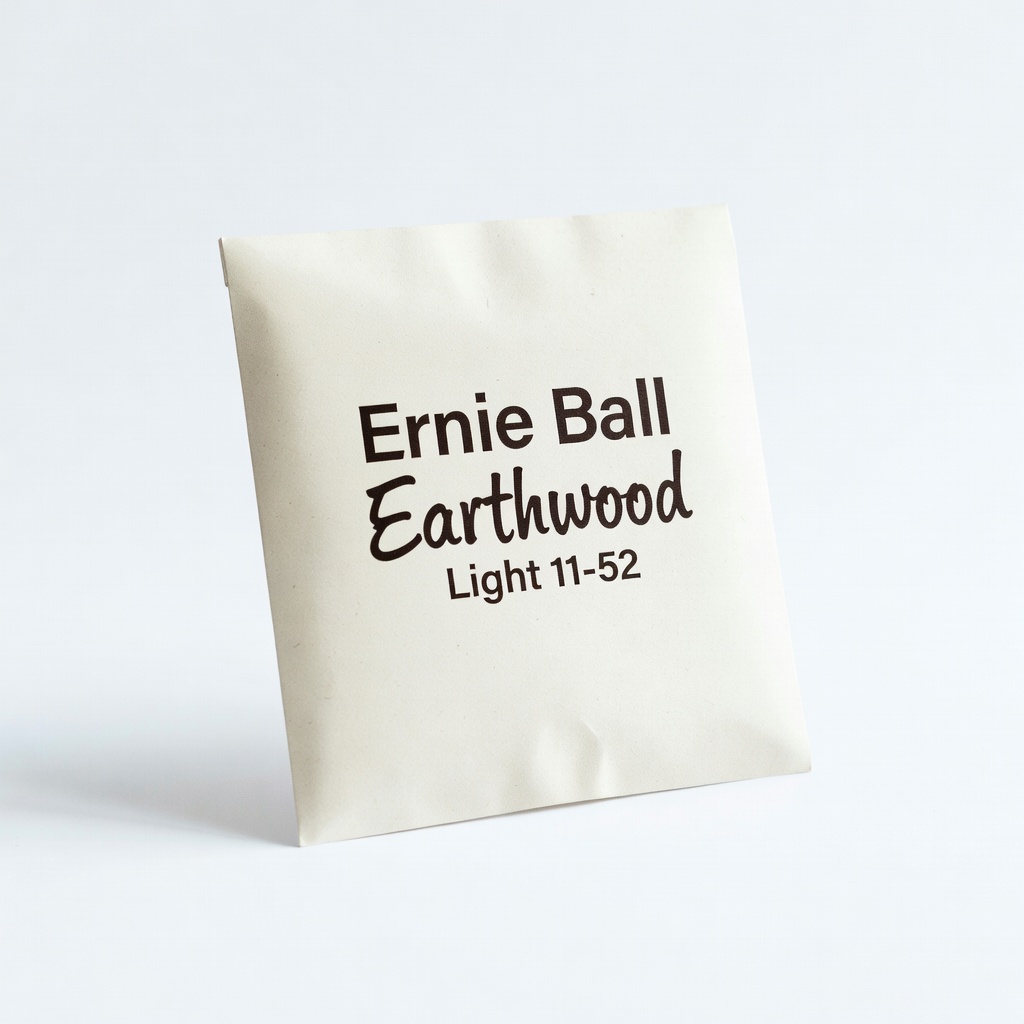
Ernie Ball Earthwood Light 11-52 Extra light for tiny hands: Super easy bending, bronze tone (ASIN: B0002E1DBU).
Martin guitar owners or tone chasers.
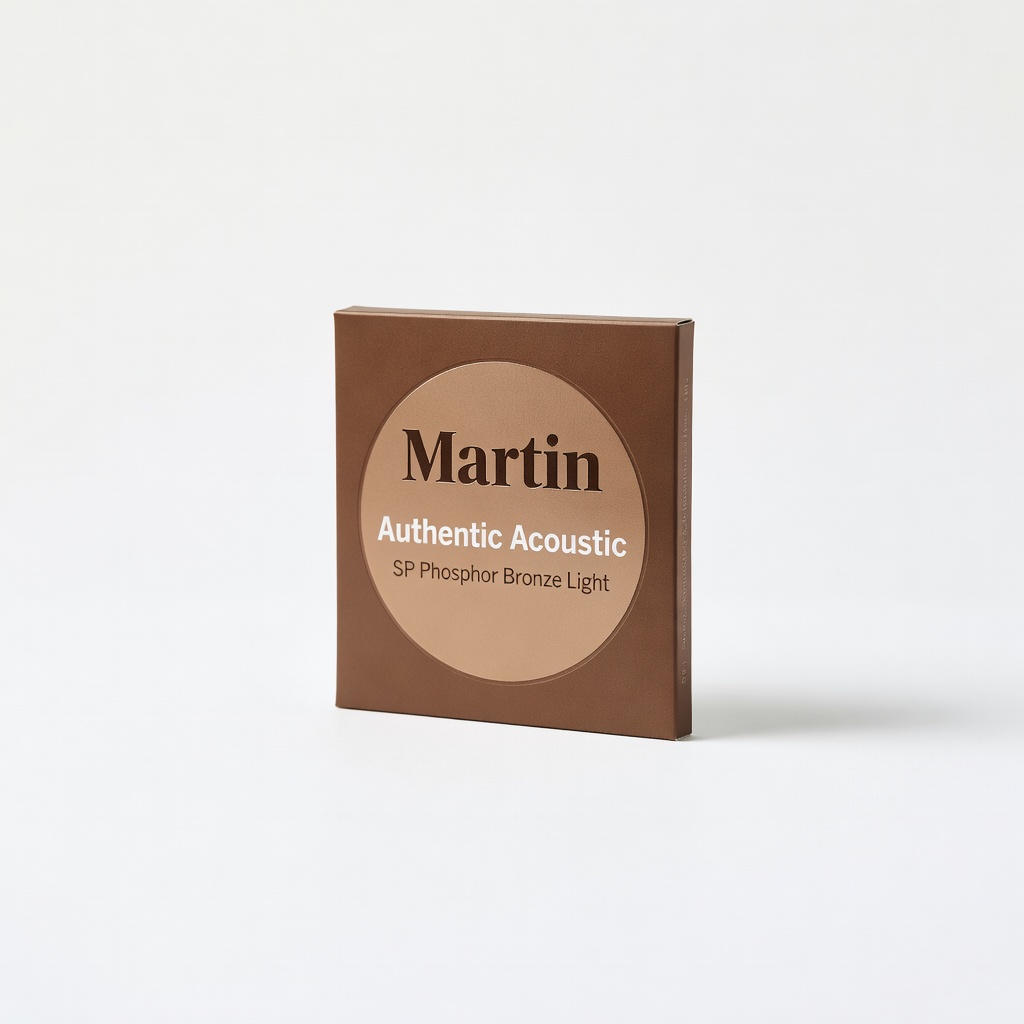
Martin Authentic Acoustic SP Phosphor Bronze Light Premium feel at mid-price: Vintage Martin tone (ASIN: B07D7J6Z3L).