
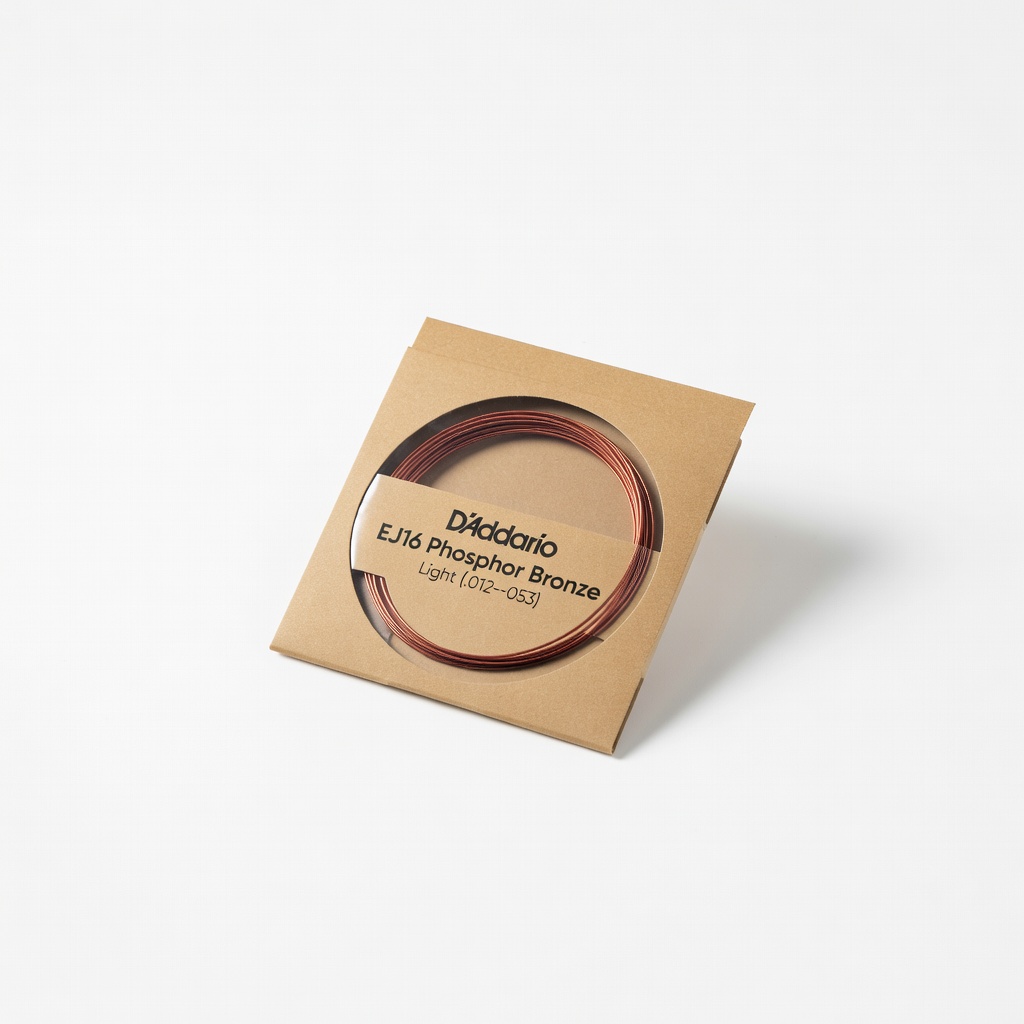
D'Addario EJ16 Phosphor Bronze Light (.012-.053)
Daily practice on any acoustic; budget-friendly first set.
$6-8
D'Addario EJ16 Phosphor Bronze Light (.012-.053) Affordable, reliable light gauge with warm tone—top beginner pick for easy playability.
Get the App
Better experience on mobile
Learn why light gauge strings are ideal for beginners, with pros, cons, and top recommendations to play comfortably without finger pain.
As a beginner acoustic guitarist, you might notice sore fingers, buzzing notes, or strings that feel impossible to press down. These frustrations often stem from the wrong string gauge—the thickness of your guitar strings. Choosing the right gauge can make playing feel effortless, reduce hand fatigue, and help you build good habits from day one.
In this guide, you'll understand what string gauge means, compare popular options, and discover why light gauge strings are the best starting point. We'll break it down simply, with no jargon overload. Expect to spend just 10-15 minutes reading, and you'll be equipped to pick strings confidently next time you restring.
By the end, you'll know how to match strings to your playing style, avoid common pitfalls, and even get product picks tailored for new players.
Estimated Time: 10-15 minutes Difficulty: beginner
String gauge refers to the thickness or diameter of guitar strings, measured in thousandths of an inch (e.g., .012). It's listed as a range, like .012-.053, where .012 is the thinnest high E string and .053 is the thickest low E.
Thicker strings (higher numbers) produce more volume and sustain but require more finger pressure. Thinner ones are easier to bend and press but may buzz more on poorly setup guitars. For beginners, gauge affects playability—think of it like bike tires: thin for speed and ease, thick for durability on rough terrain.
Why it matters: Wrong gauge leads to pain or poor tone. Most acoustics come with light gauge from the factory.
💡 Tips:
Acoustic guitars use three main gauges:
Custom 'hybrid' sets mix thin trebles with thicker bass for versatility. Gauges are standardized, so .012 light sets fit most full-size acoustics.
💡 Tips:
Pros: Easier to press and bend, less finger pain, faster playing, great for chord practice and strumming.
Cons: Slightly less volume and sustain, more prone to breakage if you strum aggressively.
Perfect analogy: Light strings are like training wheels—build confidence before upgrading. Most beginners stick with them for 1-2 years.
⚠️ Warnings:
Pros: Better tone balance, more projection, durable for fingerpicking.
Cons: Harder on fingers, potential neck stress on budget guitars, slower bends.
Best for players past basics who want richer sound without extremes.
Pros: Loudest volume, longest sustain, stable tuning for recording.
Cons: Finger shredders for newbies, high break-in tension can warp necks, tough on wrists.
Reserve for advanced flatpicking or if your guitar is professionally setup.
⚠️ Warnings:
Light gauge (.012-.053) wins for new players: 80% of pros recommend it for easier fretting, reduced callus-building pain, and compatibility with most acoustics. It promotes good technique without fighting the instrument.
Studies from guitar forums (e.g., Ultimate Guitar) show beginners quit less with lights. Transition later as strength grows.
Expected result: Smoother play in weeks.
💡 Tips:
Inspect old strings: Measure the low E with calipers or compare to a chart. Remove via tuning pegs, clean fretboard, install new set.
Stretch new strings, tune up gradually. Retune 3-4 times as they settle.
Why: Ensures proper fit; wrong gauge needs truss rod adjustment.
💡 Tips:
After 6-12 months, try medium if you want more tone and have calluses. Get a pro setup ($50-100) first to adjust nut/bridge.
Monitor neck relief (slight bow). Hybrids bridge light/medium for soloing.
⚠️ Warnings:
Problem: Strings buzz or fret out
Solution: Check action; lower bridge/saddle or use lighter gauge. Truss rod quarter-turn clockwise if needed.
Problem: Fingers hurt after 10 minutes
Solution: Switch to light gauge; build calluses gradually. Use lighter touch.
Problem: Strings break frequently
Solution: Inspect sharp frets/bridge; use coated lights. Avoid sharp bends.
Problem: Won't stay in tune
Solution: Stretch properly; check nut slots for binding. Use graphite lubricant.
Affordable, reliable light gauge with warm tone—top beginner pick for easy playability.
Best for: Daily practice on any acoustic; budget-friendly first set.
Price Range: $6-8
Coated for 3-5x longer life, smooth feel reduces finger noise—ideal for beginners hating frequent changes.
Best for: Frequent players wanting low maintenance.
Price Range: $15-17
Authentic Martin tone at entry price; balanced for strumming and fingerstyle starters.
Best for: Martin or similar guitars needing OEM-like feel.
Price Range: $5-7
Extra light option for smallest hands; bright tone encourages playing.
Best for: Kids/teens or ultra-beginners.
Price Range: $6-9
Daily practice on any acoustic; budget-friendly first set.
D'Addario EJ16 Phosphor Bronze Light (.012-.053) Affordable, reliable light gauge with warm tone—top beginner pick for easy playability.
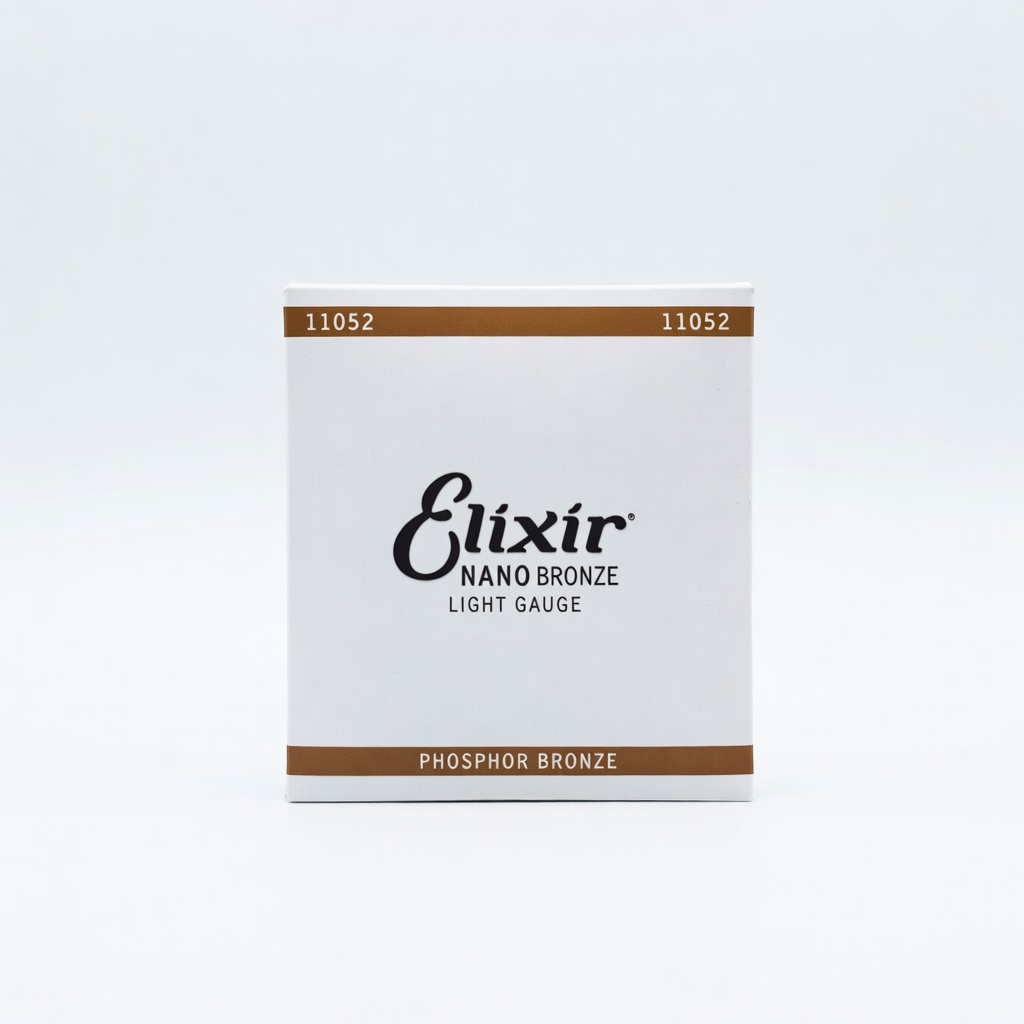
Frequent players wanting low maintenance.
Elixir Nanoweb Phosphor Bronze Light Gauge (11052) Coated for 3-5x longer life, smooth feel reduces finger noise—ideal for beginners hating frequent changes.
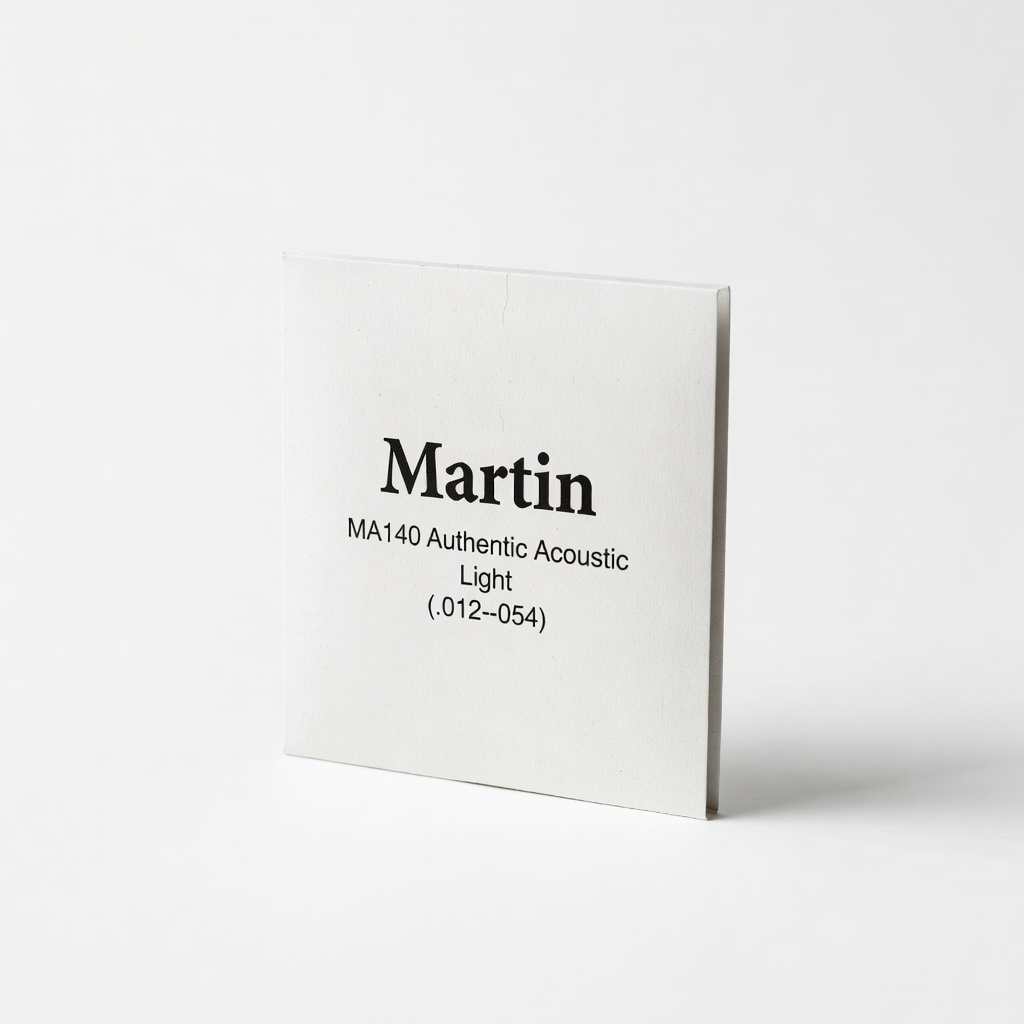
Martin or similar guitars needing OEM-like feel.
Martin MA140 Authentic Acoustic Light (.012-.054) Authentic Martin tone at entry price; balanced for strumming and fingerstyle starters.
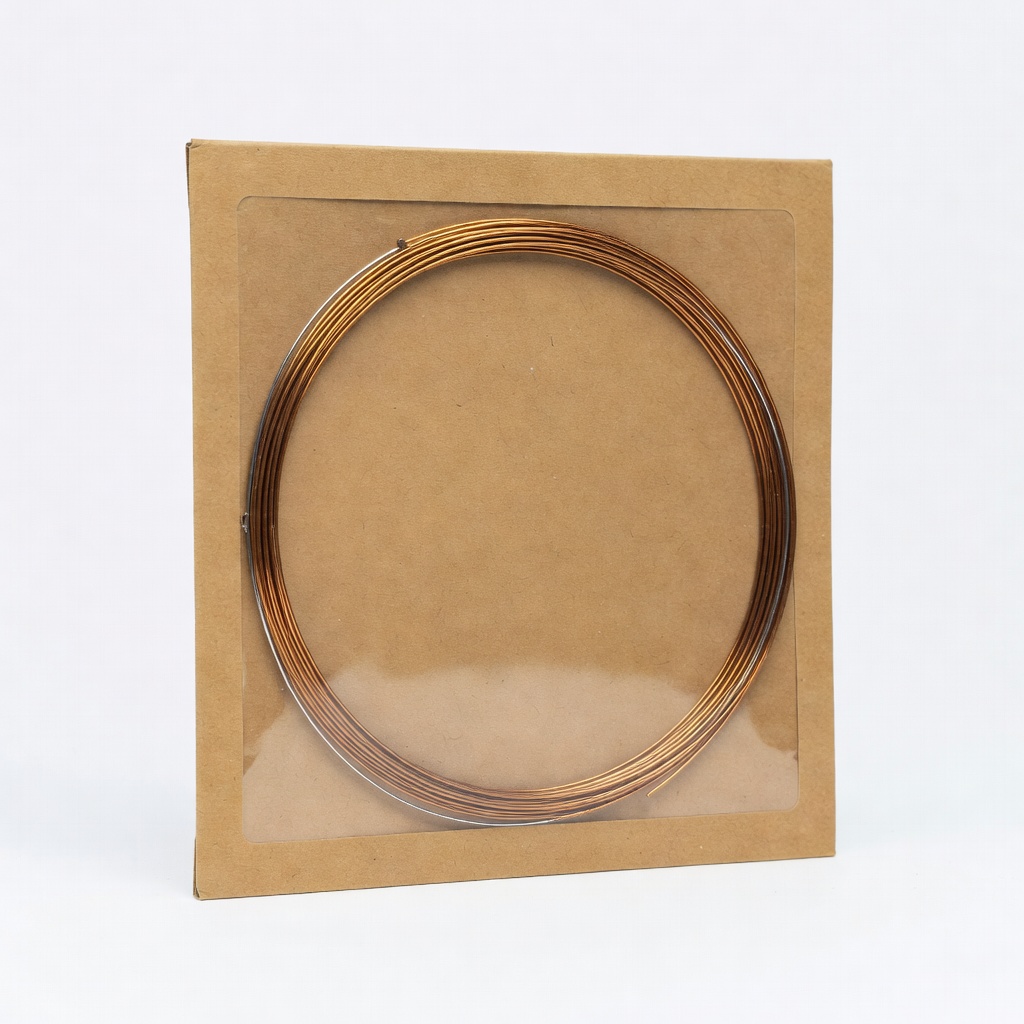
Kids/teens or ultra-beginners.
Ernie Ball Earthwood Light 80/20 Bronze (.011-.052) Extra light option for smallest hands; bright tone encourages playing.