
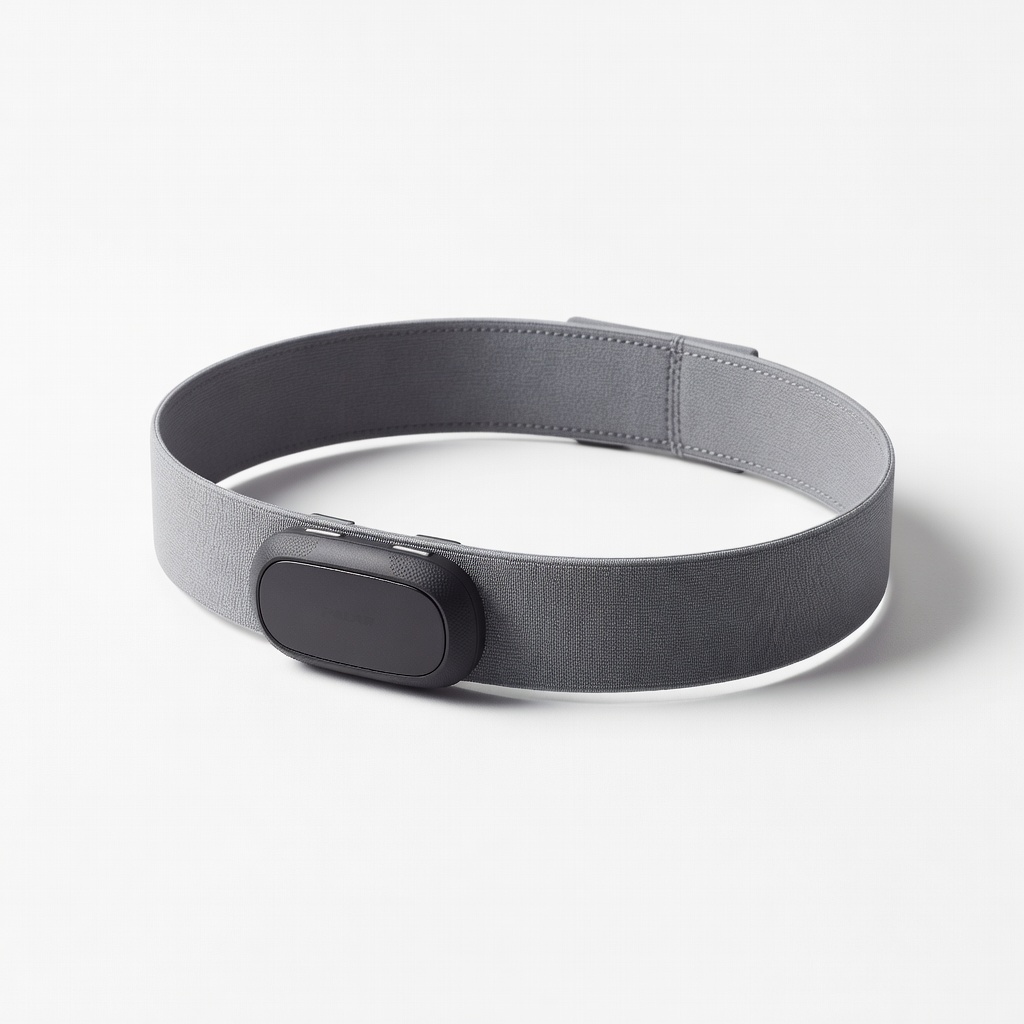
Polar H10 Heart Rate Monitor
High-intensity training where wrist HR fails.
$87.40
Polar H10 Heart Rate Monitor Provides chest-strap accuracy that pairs with 99% of wearables via Bluetooth/ANT+ for superior workout data.
Get the App
Better experience on mobile
Unlock the full potential of your smartwatch or fitness tracker with compatible accessories that sync data, extend battery life, and boost tracking accuracy.
Wearables like Apple Watches, Fitbits, and Garmin devices are game-changers for health and fitness tracking, but they shine brightest when paired with smart accessories. Without the right add-ons, you might miss out on precise heart rate data during intense workouts, seamless multi-device charging, or integrated home health monitoring. This guide breaks down the best smart accessories that pair effortlessly, helping you build a connected ecosystem.
You'll learn the top categories of accessories, how they connect via Bluetooth or apps, real-world examples, and compatibility tips for popular wearables. Whether you're an intermediate user upgrading your setup or troubleshooting pairings, expect clear explanations with no fluff. Reading and applying this takes just 10-15 minutes, with actionable insights you can use immediately.
From charging docks to external sensors, we'll cover why each accessory matters, how to pair them, and what to watch for—no advanced tech knowledge required.
Estimated Time: 10-15 minutes to read and explore pairings Difficulty: intermediate
Start with charging accessories, the foundation of any wearable setup. Portable magnetic chargers and multi-device docks pair via USB-C or wireless induction, extending usage without outlets. They connect automatically when placed nearby, syncing charge status to your wearable's app.
Why it matters: Wearables drain fast during GPS workouts; a good charger prevents downtime. Expect 80-100% faster charging than stock cables. For Apple Watch or Galaxy Watch, MagSafe-compatible pads snap on securely.
Image description: Close-up of a 3-in-1 wireless charger dock with Apple Watch, phone, and earbuds charging simultaneously.
💡 Tips:
⚠️ Warnings:
Custom bands and rugged cases don't 'pair' via Bluetooth but enhance wearables through app-customizable fits and durability. Silicone or leather bands with sensors maintain heart rate accuracy, while cases add screen protection without blocking NFC.
These are ecosystem-specific (e.g., Apple's band sizes). They matter for all-day comfort during runs or swims. Expect sweat-resistant materials lasting 6-12 months.
Image description: Variety of colorful Apple Watch bands on a wrist, showing rugged vs. sport options.
💡 Tips:
Bluetooth chest straps like the Polar H10 pair directly to wearables for gym-grade accuracy (1-3 bpm better than wrist sensors). Connect via wearable's Bluetooth menu: search, pair, and calibrate during a warm-up.
Ideal for HIIT or cycling where wrist motion skews data. Data syncs to apps like Strava or Apple Health in real-time. Why? Wrist HR fails in cold or high-intensity scenarios.
Image description: Runner wearing Garmin watch and Polar H10 strap, with pairing confirmation on screen.
⚠️ Warnings:
Wi-Fi/Bluetooth scales pair via health apps, sending weight, BMI, and body comp to your wearable's dashboard. Step on after pairing in the app; data auto-syncs within seconds.
Enhances long-term tracking trends. Compatible with Fitbit, Garmin, and Apple Health. Expect daily motivation from progress visuals.
Image description: Person on a smart scale with Fitbit app open showing synced weight graph.
💡 Tips:
For basic trackers without GPS, foot pods or bike sensors pair via ANT+/Bluetooth, logging routes accurately. Mount, pair in app settings, and start activity—data overlays on your wearable.
Crucial for runners avoiding phone carry. Garmin excels here; expect 10m accuracy.
Image description: Bike with Garmin sensor and watch displaying live GPS map.
ANC earbuds pair to wearables for music, calls, and voice coaching. Connect via Bluetooth multipoint: wearable detects and switches seamlessly.
Matters for podcasts during walks or HR-guided workouts. Battery syncs across devices.
Image description: User running with Galaxy Watch and earbuds, music controls on watch face.
Bedside docks charge while displaying notifications. Plug in wearable; app confirms sync.
Prevents morning scrambles; wood/metal designs blend home decor.
Image description: Elegant wooden dock charging Apple Watch overnight.
Check ecosystems: Apple accessories won't fully pair with Android wearables. Use manufacturer lists or apps like 'Bluetooth Scanner'.
Final step ensures no wasted buys. Test in-store if possible.
💡 Tips:
Problem: Pairing fails or drops mid-workout
Solution: Restart devices, forget/re-pair in Bluetooth settings, ensure <10m range. Update apps.
Problem: Data not syncing to app
Solution: Check health app integrations (e.g., grant Apple Health access). Force sync in wearable settings.
Problem: Battery drains faster after pairing
Solution: Disable background scanning in accessory app. Use low-power modes.
Problem: Inaccurate readings from sensors
Solution: Calibrate per manual (e.g., 10-min steady activity). Clean contacts.
Provides chest-strap accuracy that pairs with 99% of wearables via Bluetooth/ANT+ for superior workout data.
Best for: High-intensity training where wrist HR fails.
Price Range: $87.40
Compact portable charger with strong magnet for Apple Watch/Galaxy Watch, extends battery by 2-3 days.
Best for: On-the-go charging during hikes or travel.
Price Range: $39.99
Elves 13 metrics syncing to Fitbit/Garmin/Apple Health for full-body tracking integration.
Best for: Daily weight and composition monitoring.
Price Range: $22.99
Charges watch, phone, and buds simultaneously with nightstand view for notifications.
Best for: Bedside setup for Apple/Samsung ecosystems.
Price Range: $149.99
Durable, affordable band maintains sensor contact and pairs seamlessly with watch apps.
Best for: Outdoor adventures needing protection.
Price Range: $19.99
High-intensity training where wrist HR fails.
Polar H10 Heart Rate Monitor Provides chest-strap accuracy that pairs with 99% of wearables via Bluetooth/ANT+ for superior workout data.
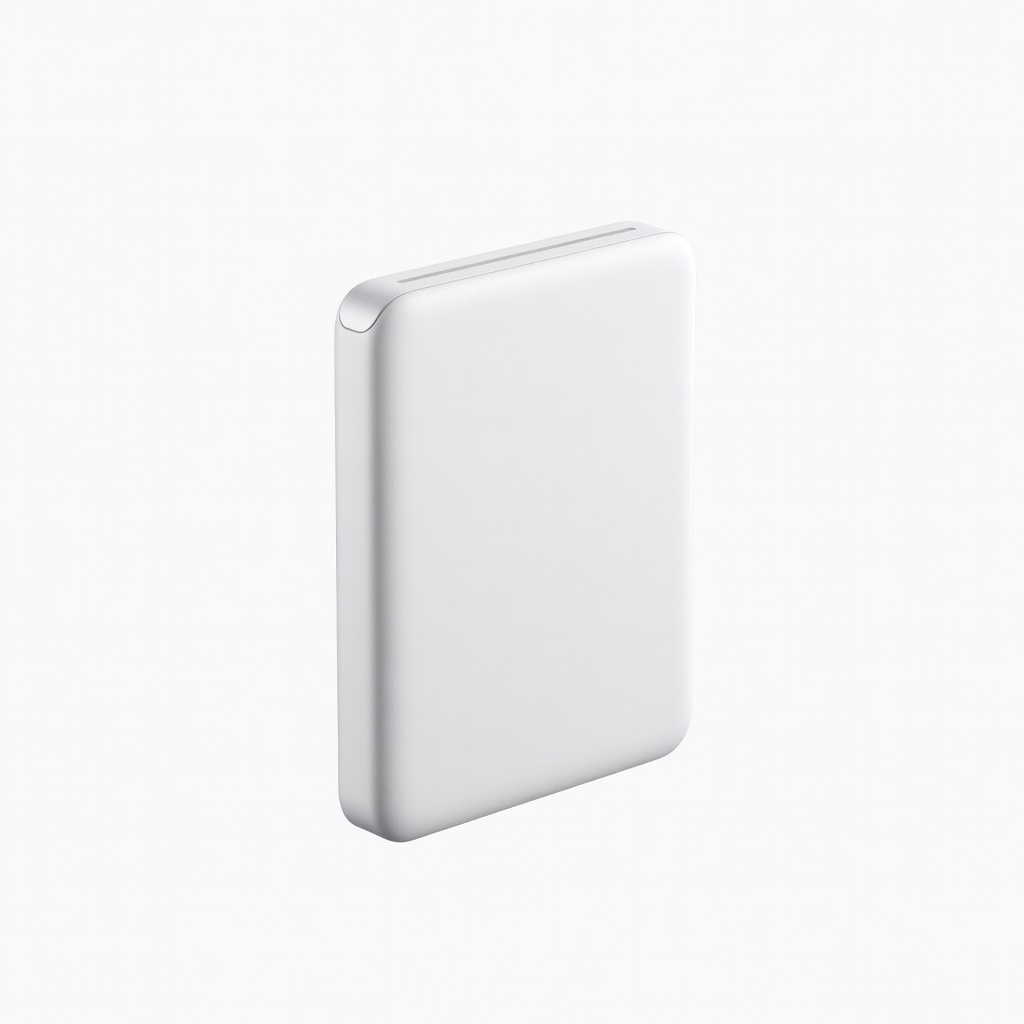
On-the-go charging during hikes or travel.
Anker 621 Magnetic Battery (MagGo) Compact portable charger with strong magnet for Apple Watch/Galaxy Watch, extends battery by 2-3 days.
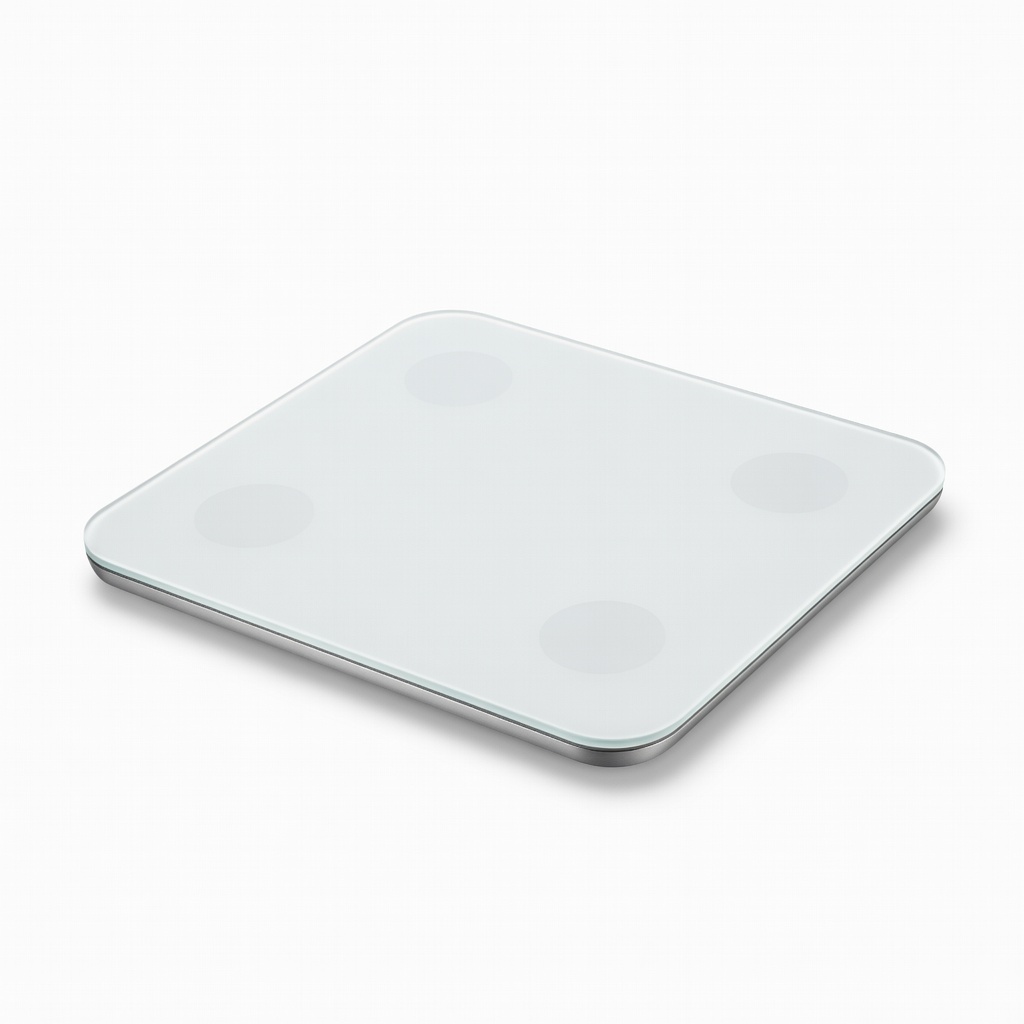
Daily weight and composition monitoring.
RENPHO Smart Scale Elves 13 metrics syncing to Fitbit/Garmin/Apple Health for full-body tracking integration.
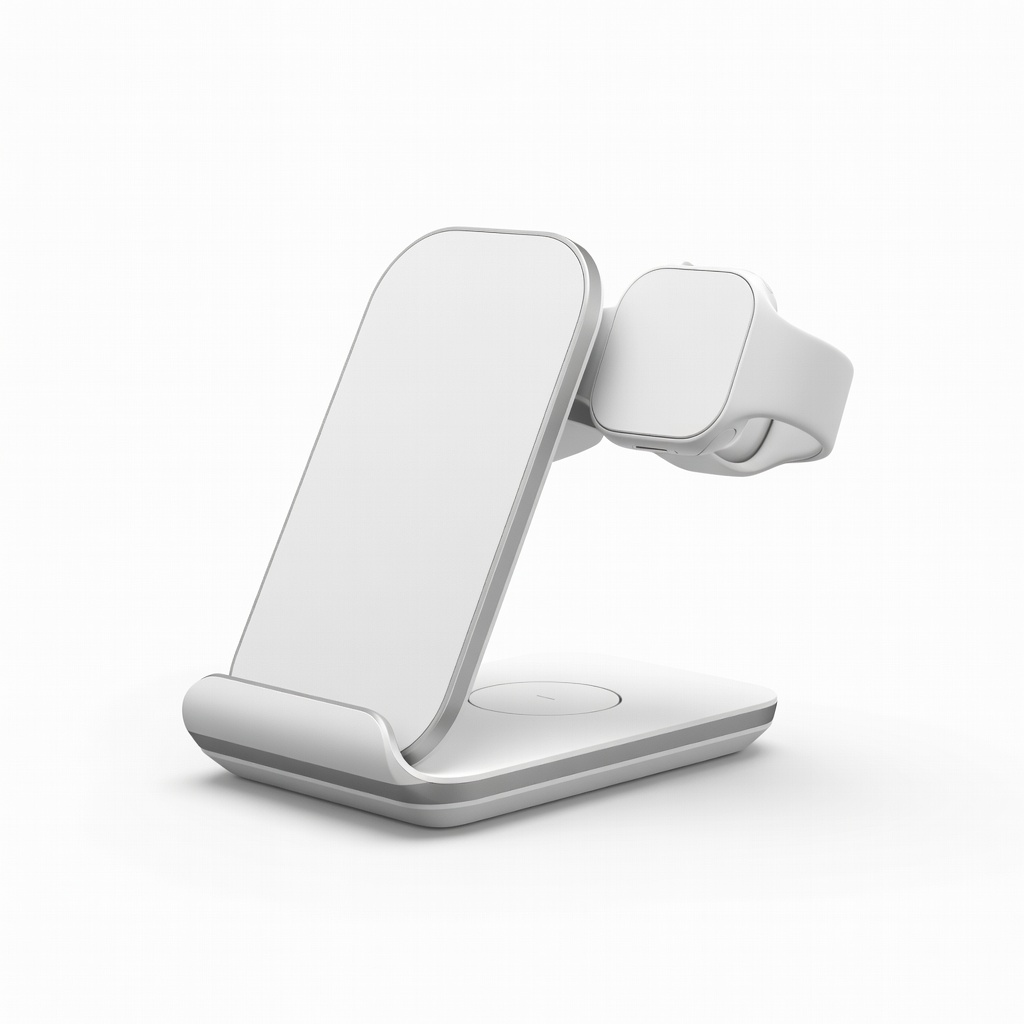
Bedside setup for Apple/Samsung ecosystems.
Belkin BoostCharge Pro 3-in-1 Stand Charges watch, phone, and buds simultaneously with nightstand view for notifications.
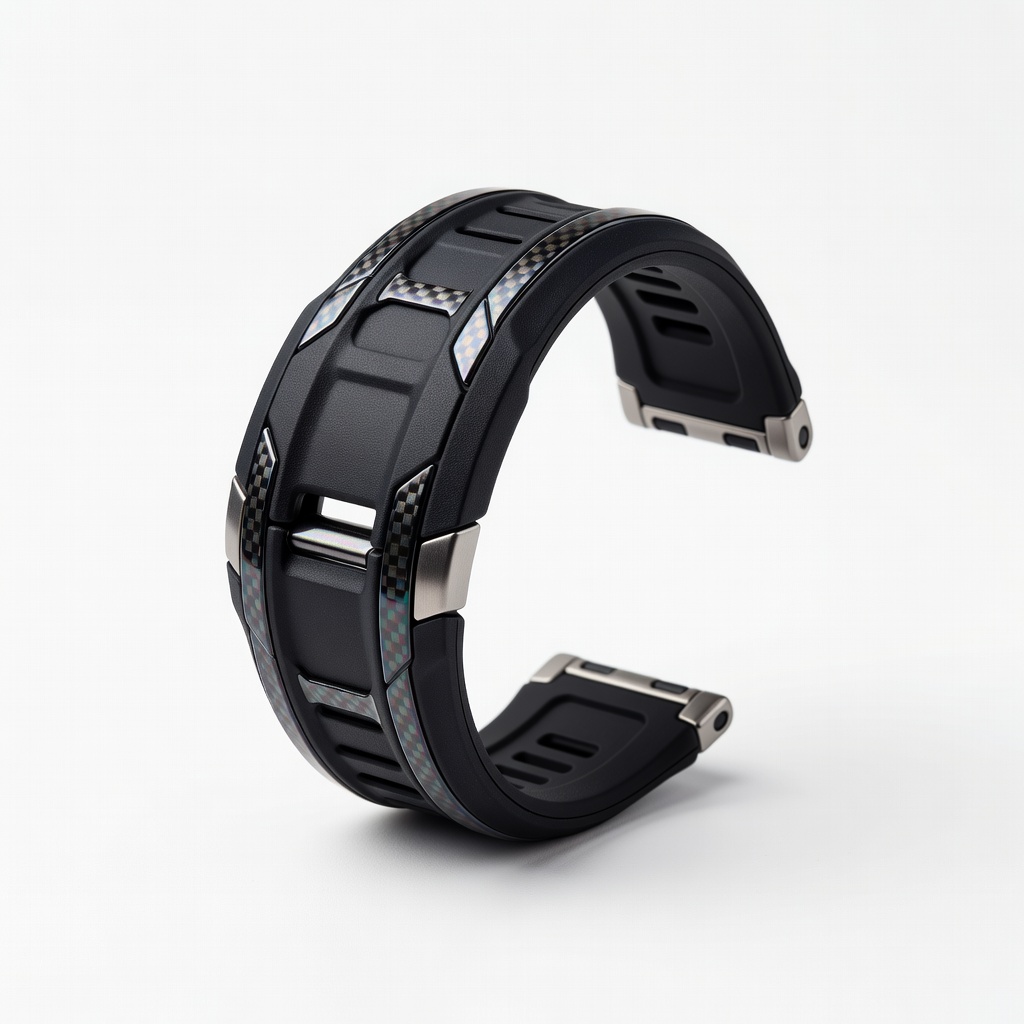
Outdoor adventures needing protection.
Spigen Rugged Armor Pro Band Durable, affordable band maintains sensor contact and pairs seamlessly with watch apps.