
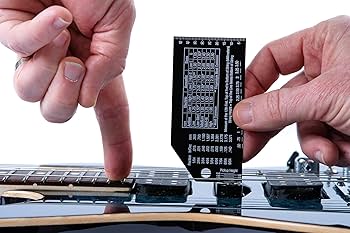
MusicNomad MN120 String Action Ruler Gauge
Daily diagnostics and adjustments on any acoustic.
$19.99
MusicNomad MN120 String Action Ruler Gauge Precision tool for measuring relief, action, and nut height accurately—essential for advanced setups.
Get the App
Better experience on mobile
Master advanced adjustments like neck relief, action, and intonation to make your acoustic guitar play effortlessly and sound optimal.
As an advanced guitarist, you've likely experienced how a poorly set up acoustic guitar can hinder your technique—high action fatigues your fingers during long sessions, fret buzz kills sustain, and poor intonation throws off chords up the neck. These issues stem from setup drifts due to string tension, humidity changes, or age. This guide dives deep into targeted adjustments to restore playability.
You'll learn to diagnose problems and perform pro-level tweaks on neck relief, nut slots, saddle height, intonation, and more. Expect technical measurements and analogies to make concepts crystal clear, like comparing neck relief to a gentle bridge arch for smooth fretting.
Total process takes 1-2 hours per adjustment cycle, with moderate tools needed. No luthier required if you're handy with precision tools—perfect for serious players maintaining vintage or high-end acoustics.
Estimated Time: 1-2 hours (plus settling time for neck adjustments) Difficulty: advanced
Start by playing your guitar across the fretboard to identify issues. Check for fret buzz on open strings and fretted notes (especially 1st-12th frets), high action (string-to-fret distance feels laborious), dead spots, or intonation drift (chords sharp/flat up the neck).
Use a tuner: Play 12th fret harmonic vs. fretted note—equal pitch means good intonation. Measure action at 12th fret with a ruler: ideal low E is 2.4-3mm, high E 1.6-2.4mm for acoustics. Analogy: This is like a doctor's exam before surgery.
Expect subtle issues in advanced setups; note humidity too, as wood warps.
💡 Tips:
⚠️ Warnings:
Neck relief is the slight forward bow (concave) allowing string clearance over frets. Capo 1st fret, hold string at last fret, measure 7-9th fret gap: aim for 0.25-0.4mm (light classical) to 0.4-0.5mm (strummer).
Loosen truss rod (clockwise tightens bow, counterclockwise adds relief). Turn 1/8 at a time, retune, wait 10-15 mins for wood to settle. Too much relief = sloppy action; too straight/convex = buzz.
Why it matters: Proper relief prevents buzz without high action, like suspension in a car.
💡 Tips:
⚠️ Warnings:
Nut slots too high (>0.5mm above 1st fret) cause dead open notes and hand strain. Measure string-to-1st-fret height: <0.5mm ideal. Slots too low buzz opens.
File slots deeper with nut files if needed (match string width), or shim with paper/wood. Test: Open strings should ring clean, 1st fret notes match nut height.
Advanced tip: Use string tension gauge for precise slot depth.
💡 Tips:
⚠️ Warnings:
Action at bridge determines overall playability. Sand saddle height precisely: Remove saddle, mark current height, sand underside in 0.1mm increments on sandpaper over glass.
Reinstall, measure 12th fret action (bass 2.8mm, treble 2.0mm typical). Compensated saddles maintain intonation. Expect brighter tone post-lowering.
Analogy: Saddle is the guitar's 'rear suspension'—lower for speed, higher for volume.
💡 Tips:
⚠️ Warnings:
Intonation ensures fretted notes match open. Compare 12th fret harmonic vs. fretted with tuner. Sharp? Lengthen scale (file saddle back); flat? Shorten (file front).
Advanced: Check multiple frets (5th, 12th, 17th). Most acoustics fixed, but adjust saddle position or replace with compensated.
Why critical: Poor intonation plagues advanced chord-melody work.
💡 Tips:
⚠️ Warnings:
Heavier gauges (12-53) allow lower action without buzz; lighter (10-47) for fingerstyle speed. Swap, retune, reassess relief/action.
Hybrid sets balance. Test playability: No buzz, easy bends.
Pro insight: Gauge changes require full setup recalibration.
💡 Tips:
⚠️ Warnings:
Loose pins cause string pop-out; replace with quality Tusq/graphite. Control humidity (45-55% RH) to prevent warping—use case humidifier.
Final play test: 30 mins. Setup settles over days.
Holistic: Environment tweaks sustain playability gains.
💡 Tips:
Problem: Persistent buzz after relief adjustment
Solution: Check for high frets (use fret rocker); level frets or see luthier. Retune and wait 24hrs.
Problem: Action too low, sloppy feel
Solution: Reinstall taller saddle or shim nut. Tighten truss rod slightly.
Problem: Intonation off despite saddle tweaks
Solution: Replace with compensated saddle; check neck angle (pro saddle move needed).
Problem: Truss rod won't budge
Solution: Drop oil (e.g., WD-40 specialist), wait overnight; if stuck, professional extraction.
Precision tool for measuring relief, action, and nut height accurately—essential for advanced setups.
Best for: Daily diagnostics and adjustments on any acoustic.
Price Range: $19.99
Affordable, comprehensive ruler with relief/action scales and fret wear checker.
Best for: Quick checks during gigs or home tweaks.
Price Range: $6.99
Speeds string changes 5x, with bridge pin puller—must for iterative setups.
Best for: Frequent gauge testing without frustration.
Price Range: $14.99
Multiple sizes fit most acoustics, preventing rod damage.
Best for: Safe relief adjustments on Martin, Taylor, Gibson.
Price Range: $19.99
Maintains 45-55% RH to stabilize setup long-term.
Best for: Hard cases for vintage or premium guitars.
Price Range: $19.99
Daily diagnostics and adjustments on any acoustic.
MusicNomad MN120 String Action Ruler Gauge Precision tool for measuring relief, action, and nut height accurately—essential for advanced setups.
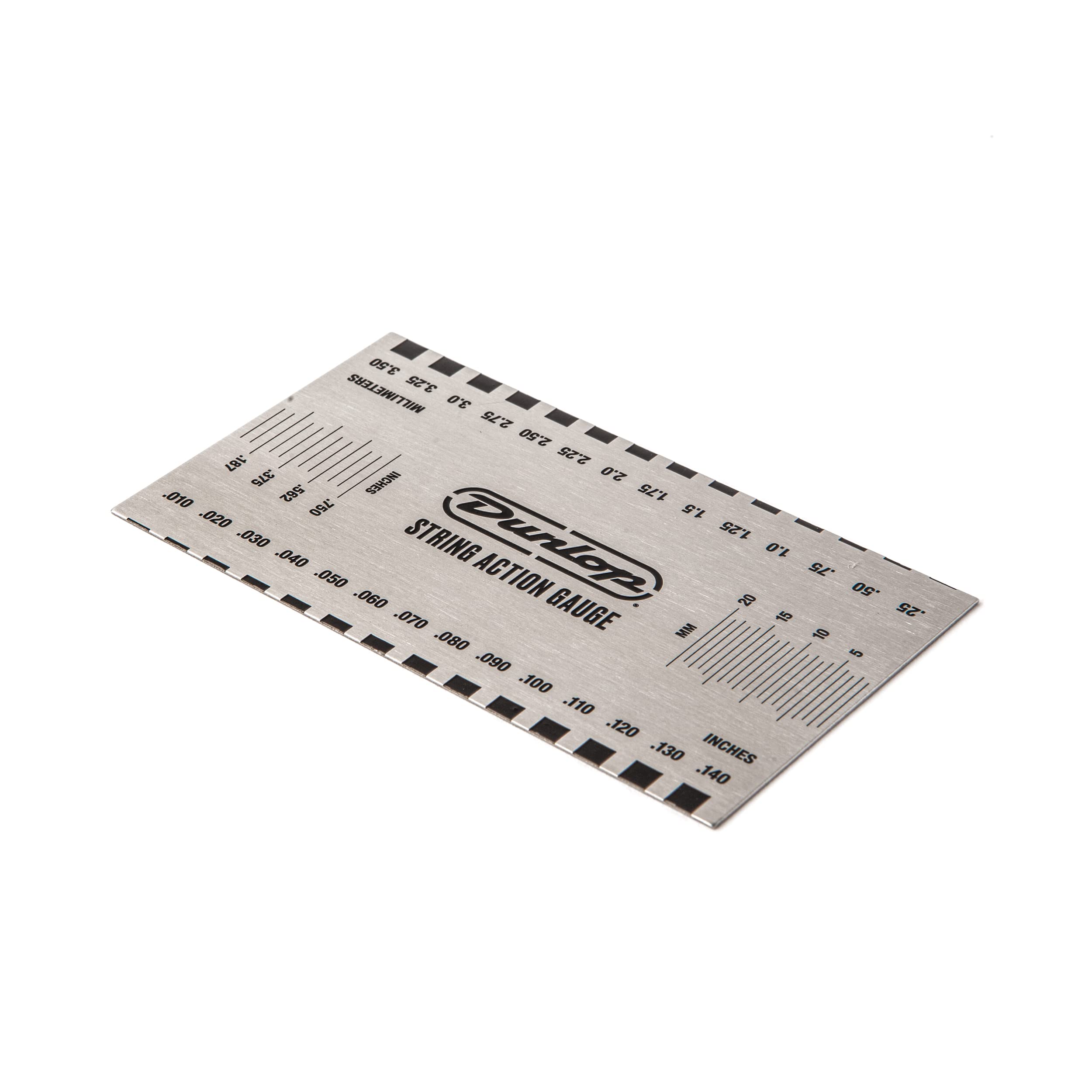
Quick checks during gigs or home tweaks.
Dunlop 95S10 System 65 Guitar Setup Ruler Affordable, comprehensive ruler with relief/action scales and fret wear checker.
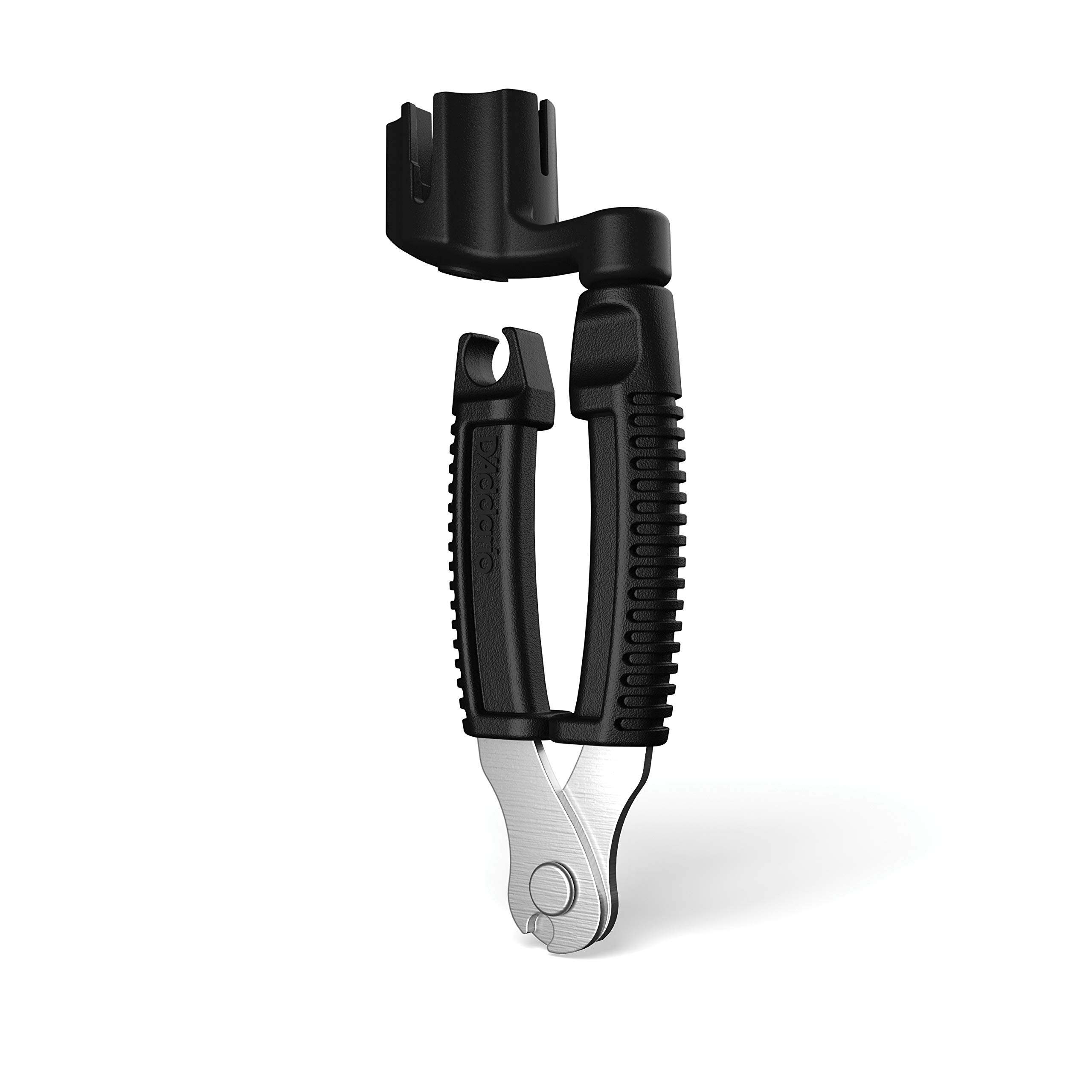
Frequent gauge testing without frustration.
D'Addario Pro-Winder String Winder Speeds string changes 5x, with bridge pin puller—must for iterative setups.
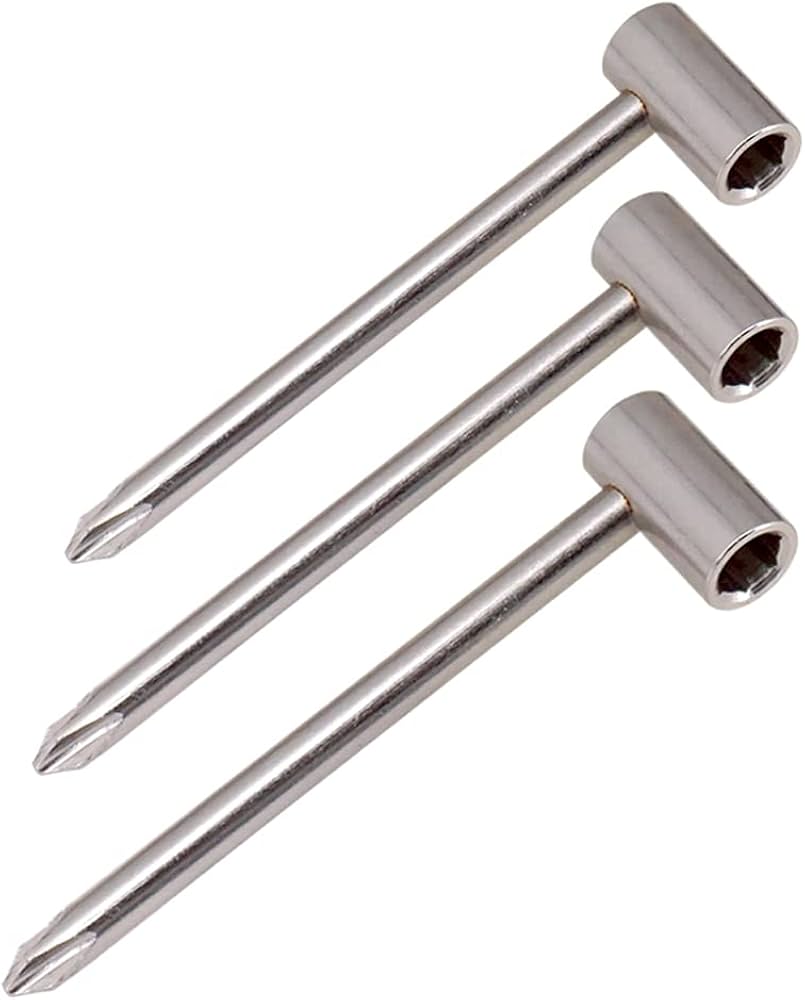
Safe relief adjustments on Martin, Taylor, Gibson.
Ernie Ball Truss Rod Wrench Set Multiple sizes fit most acoustics, preventing rod damage.

Hard cases for vintage or premium guitars.
D'Addario Humidipak 2-Way Humidity Control Maintains 45-55% RH to stabilize setup long-term.