
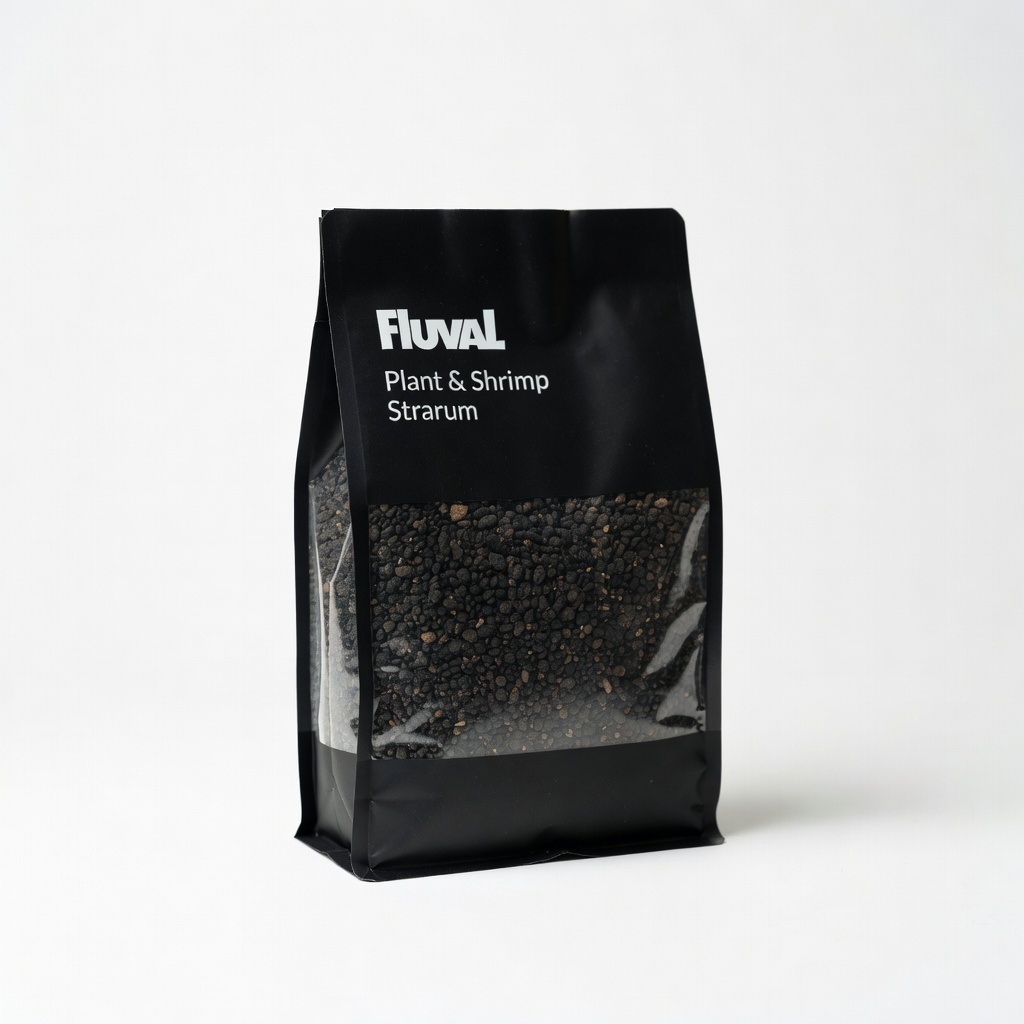
Fluval Plant and Shrimp Stratum
Base layer in new planted tanks; 4.4lb bag for 5-10g.
$16-$20
Fluval Plant and Shrimp Stratum Nutrient-rich volcanic soil perfect for root-feeding Crypts; buffers pH for low-light plants.
Get the App
Better experience on mobile
Learn top beginner-friendly plants that grow lushly in dim tanks, plus setup tips for a thriving planted aquarium without bright lights.
Struggling to add greenery to your aquarium because your lights are too weak? Many beginners believe planted tanks require intense lighting, but low-light conditions (under 1.5-2 watts per gallon) can still support beautiful plants. This guide reveals the best options that thrive in shade, helping you create a natural underwater forest effortlessly.
You'll discover what defines low light, the top plants with care details, planting techniques, and maintenance secrets. No CO2 injection or fancy equipment needed—just simple choices for stunning results. Expect to spend 15 minutes reading and planning your setup today.
By the end, you'll confidently select and grow plants suited to your low-light tank, avoiding common pitfalls like algae outbreaks from mismatched species.
Estimated Time: 15-20 minutes to read and plan Difficulty: beginner
Low-light aquariums get 1-2 watts of light per gallon, often from standard hood LEDs—no high-intensity bulbs needed. This mimics shaded riverbeds where many plants naturally grow. Why it matters: Choosing light-adapted plants prevents leggy growth or melting.
Expect slow but steady growth (new leaves every 2-4 weeks). Test your setup with a wattage calculator app or by observing no algae on glass after 2 weeks.
💡 Tips:
Java Fern (Microsorum pteropus): Tough rhizome plant (thick stem) that attaches to driftwood or rocks. Grows broad, wavy leaves up to 12 inches. Thrives in low light, forgiving of poor water.
Anubias (Anubias barteri/nana): Compact, dark green leaves resist algae. Rhizomes must not be buried—tie to decor instead. Both handle currents well and propagate by splitting rhizomes. Expect bushy growth in 1-2 months.
💡 Tips:
⚠️ Warnings:
Cryptocoryne wendtii, lutea, or parva: Rosette plants with colorful varieties (green, red, bronze). Rooted in substrate, they spread slowly. Low light suits their natural habitat; 'crypt melt' (leaf loss) happens initially but regrows stronger.
Why perfect for beginners: Hardy, pest-resistant. Plant crowns just above substrate to avoid rot.
💡 Tips:
Java Moss (Taxiphyllum barbieri): Carpets rocks/logs effortlessly. No roots—stuff into mesh or tie down. Grows dense in ultra-low light, homes shrimp/fish fry.
Flame Moss or Christmas Moss: Similar but bushier. All mosses oxygenate water naturally. Trim monthly for neatness.
⚠️ Warnings:
Bucephalandra: Mini Anubias-like with iridescent leaves. Rhizome-attached, ultra-slow grower.
Bolbitis heudelotii: Fern-like, prefers driftwood. Both excel in shaded corners, adding texture without competition.
💡 Tips:
Choose nutrient substrate for root-feeders like Crypts. Rinse plants, make holes with chopstick, insert roots (not crown). Space 2-4 inches apart. For rhizomes/moss: Glue or tie to hardscape.
Why substrate matters: Provides iron/nutrients missing in low light.
Fertilize sparingly (root tabs every 3 months). 20-30% water changes weekly. Trim dead leaves promptly. Low light = low algae risk, but watch for melting from parameter swings.
💡 Tips:
Problem: Leaves melting or yellowing
Solution: Check parameters (ammonia=0); reduce light if algae appears. Add root tabs.
Problem: No growth after 2 months
Solution: Test for iron deficiency; use chelated fertilizer. Ensure 72°F+ temps.
Problem: Algae on plants
Solution: Increase water changes; add Amano shrimp. Blackout tank 3 days if severe.
Problem: Plants uprooted
Solution: Use heavier substrate or plant deeper for rooters; secure moss.
Nutrient-rich volcanic soil perfect for root-feeding Crypts; buffers pH for low-light plants.
Best for: Base layer in new planted tanks; 4.4lb bag for 5-10g.
Price Range: $16-$20
Slow-release root fertilizer boosts low-light growth without algae risk.
Best for: Push into substrate near Crypts every 3 months.
Price Range: $9-$12
Porous, nutrient-preloaded gravel ideal for beginners; holds plants securely.
Best for: Cap with sand for Crypts/Java Fern roots.
Price Range: $25-$35 (15lb)
All-in-one liquid for low-tech tanks; safe dosing prevents overload.
Best for: Weekly micro-dose for overall health.
Price Range: $15-$20
Affordable root nutrition for budget setups.
Best for: Insert near plant bases monthly.
Price Range: $8-$10
Base layer in new planted tanks; 4.4lb bag for 5-10g.
Fluval Plant and Shrimp Stratum Nutrient-rich volcanic soil perfect for root-feeding Crypts; buffers pH for low-light plants.

Push into substrate near Crypts every 3 months.
Seachem Flourish Tabs Slow-release root fertilizer boosts low-light growth without algae risk.
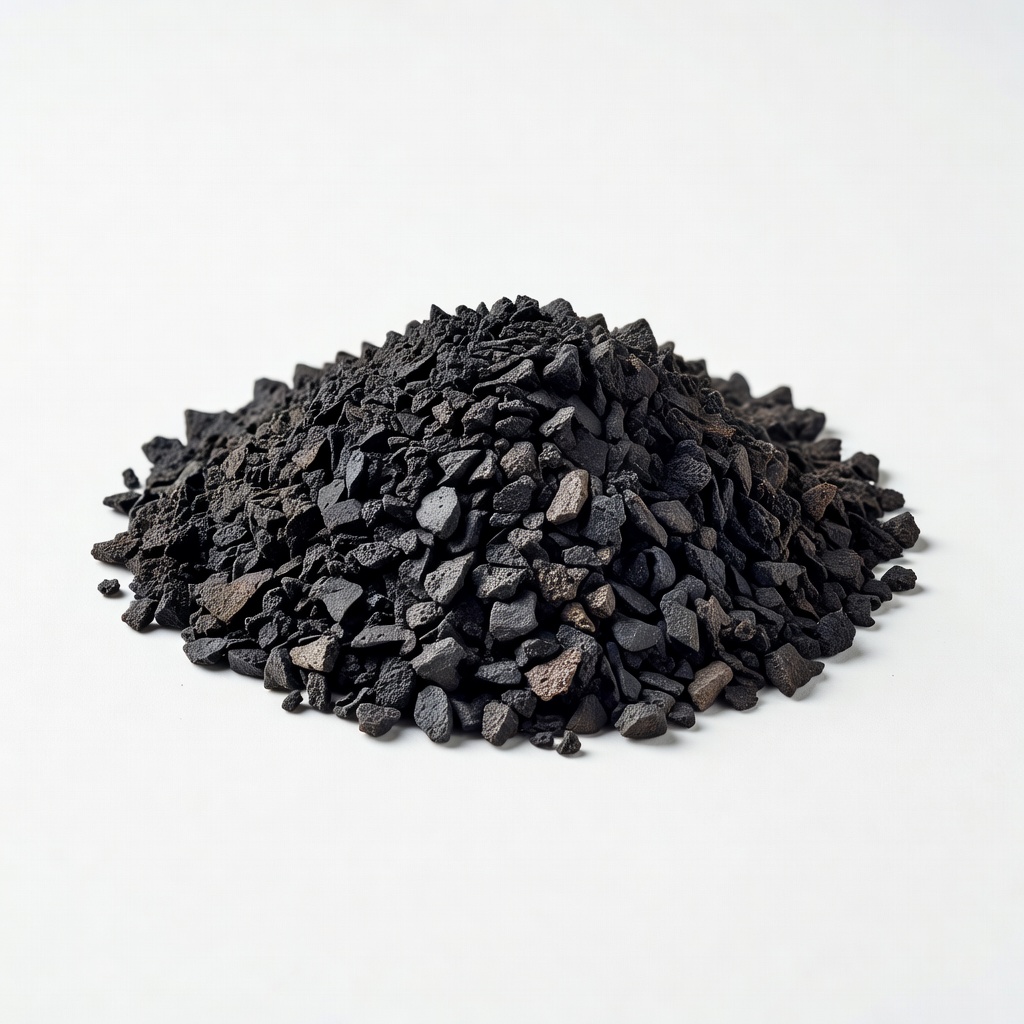
Cap with sand for Crypts/Java Fern roots.
Seachem Flourite Black Substrate Porous, nutrient-preloaded gravel ideal for beginners; holds plants securely.

Weekly micro-dose for overall health.
Aquarium Co-Op Easy Green Fertilizer All-in-one liquid for low-tech tanks; safe dosing prevents overload.
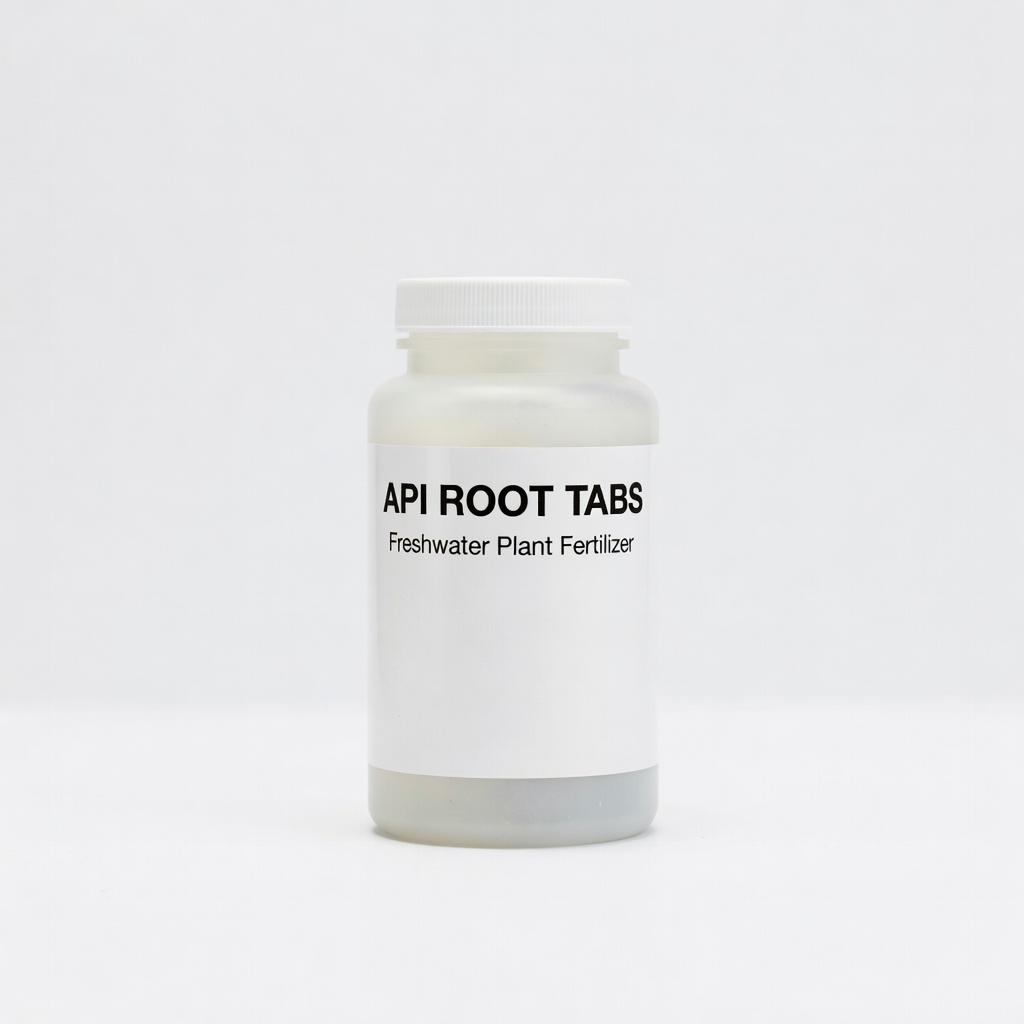
Insert near plant bases monthly.
API ROOT TABS Freshwater Plant Fertilizer Affordable root nutrition for budget setups.