
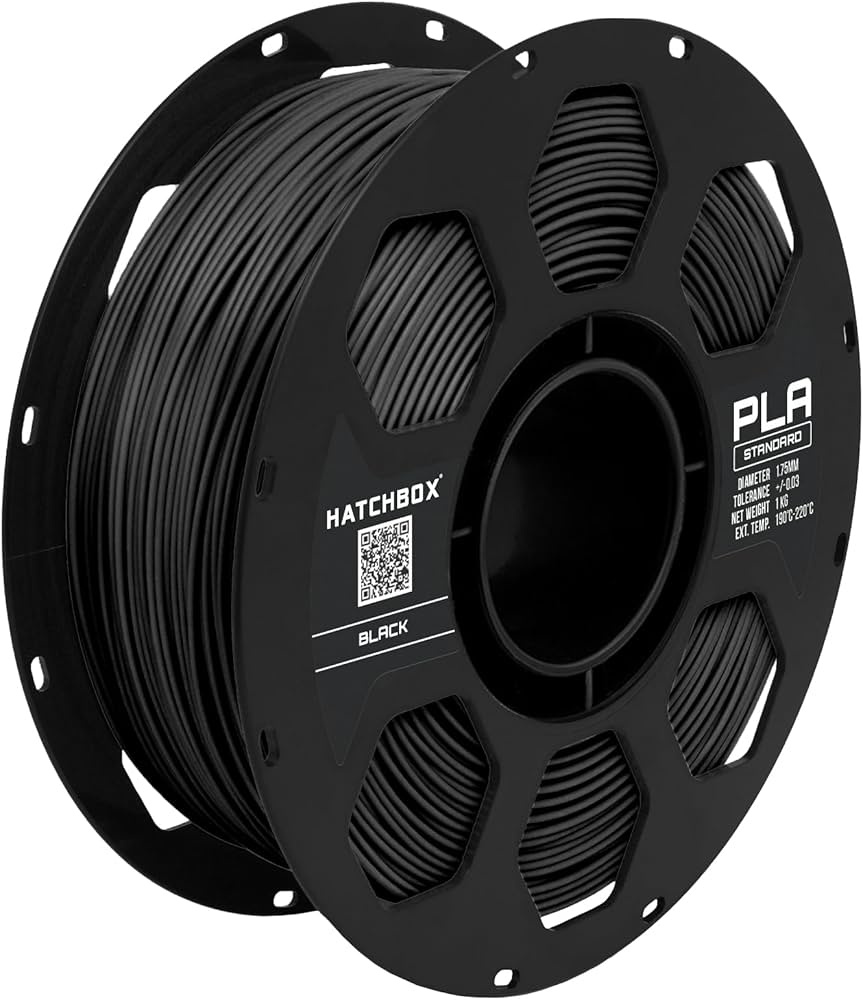
HATCHBOX ABS 1.75mm Black Filament 1KG
Sunny brackets, automotive parts, durable signs.
$25-$30
HATCHBOX ABS 1.75mm Black Filament 1KG Proven heat and impact resistance outperforms PLA outdoors; low warp with enclosure.
Get the App
Better experience on mobile
Learn the key differences, weather resistance pros/cons, and which filament wins for durable outdoor projects in any climate.
Imagine printing a garden stake or outdoor sign only for it to warp, fade, or crack after a few weeks in the sun and rain. This is a common frustration for 3D printing enthusiasts tackling outdoor projects. PLA and ABS are two popular filaments, but their performance in harsh weather varies dramatically.
In this guide, you'll discover the material properties of PLA and ABS, how they hold up against UV rays, heat, moisture, and temperature swings, and practical tests to choose the right one. We'll break down real-world examples, share testing insights, and reveal when alternatives shine brighter. Expect to gain the knowledge to make prints that last seasons, not weeks—no advanced expertise required.
This explainer is designed for intermediate printers familiar with basic slicing and bed adhesion, taking just 10-15 minutes to read and apply.
Estimated Time: 10-15 minutes to read; 1-2 hours for hands-on testing Difficulty: intermediate
PLA (Polylactic Acid) is derived from renewable resources like cornstarch, making it biodegradable and beginner-friendly. It prints at lower temperatures (190-220°C nozzle, 50-60°C bed) with minimal warping and no need for an enclosure. ABS (Acrylonitrile Butadiene Styrene) is petroleum-based, tougher, and prints hotter (230-250°C nozzle, 90-110°C bed), often requiring an enclosure to prevent cracking from drafts.
Why it matters for outdoors: Properties like heat deflection, UV stability, and moisture absorption determine longevity. PLA is rigid but brittle; ABS flexes better under impact.
Expect crisp details on PLA but potential stringing on ABS without tweaks.
💡 Tips:
UV rays break down polymer chains, causing brittleness and fading. PLA degrades faster under sunlight, turning brittle in 1-3 months outdoors. ABS holds up better initially but yellows over time.
Analogy: PLA is like paper in the sun—fades quick; ABS like plastic toys, tougher but not invincible. Test by printing cubes and exposing them side-by-side.
⚠️ Warnings:
Outdoor heat (car dashboards hit 60-80°C) is PLA's nemesis—it softens at 55-60°C, warping or deforming. ABS withstands 80-105°C, ideal for sunny spots.
Why crucial: Summer heat cycles cause expansion/contraction stress. Park printed hooks in a hot car to test—PLA sags, ABS endures.
💡 Tips:
Rain and humidity: PLA resists water well but cracks from freeze-thaw. ABS absorbs moisture, leading to bubbles or delamination unless dried.
Real-world: Garden markers—PLA holds color but embrittles; ABS stays tough but may swell.
ABS excels in toughness (think LEGO bricks), resisting drops or wind gusts. PLA shatters like glass. For outdoor fixtures, ABS reduces breakage.
💡 Tips:
Print identical models (e.g., 20x20x20mm cubes) in both. Mount outdoors for 30 days, measuring weight, flexibility, and color weekly. Track via spreadsheet.
⚠️ Warnings:
ABS wins for heat-exposed, impact-prone prints (e.g., brackets, signs). PLA for shaded, low-stress items (e.g., decorative pots). Neither perfect—consider coatings or ASA/PETG.
💡 Tips:
Problem: Print warps outdoors
Solution: Increase bed temp +10°C or use ABS/ASA; apply epoxy coating.
Problem: Fading or chalking
Solution: Switch to UV-stabilized filament or paint with Rust-Oleum UV spray.
Problem: Brittle after rain
Solution: Dry filament 4+ hours at 60°C pre-print; avoid PLA in wet areas.
Problem: Delamination in heat
Solution: Lower print speed to 40mm/s; ensure good layer adhesion.
Proven heat and impact resistance outperforms PLA outdoors; low warp with enclosure.
Best for: Sunny brackets, automotive parts, durable signs.
Price Range: $25-$30
Tougher than standard PLA with better layer adhesion and slight UV improvement.
Best for: Shaded outdoor decor, prototypes needing quick prints.
Price Range: $18-$22
Superior to both for UV/heat (beats ABS); minimal warp, weatherproof.
Best for: Long-term outdoor use like drone parts or garden tools.
Price Range: $35-$45
Balances PLA ease with ABS durability; excellent moisture/UV resistance.
Best for: Versatile outdoor enclosures or vases.
Price Range: $20-$25
Sunny brackets, automotive parts, durable signs.
HATCHBOX ABS 1.75mm Black Filament 1KG Proven heat and impact resistance outperforms PLA outdoors; low warp with enclosure.
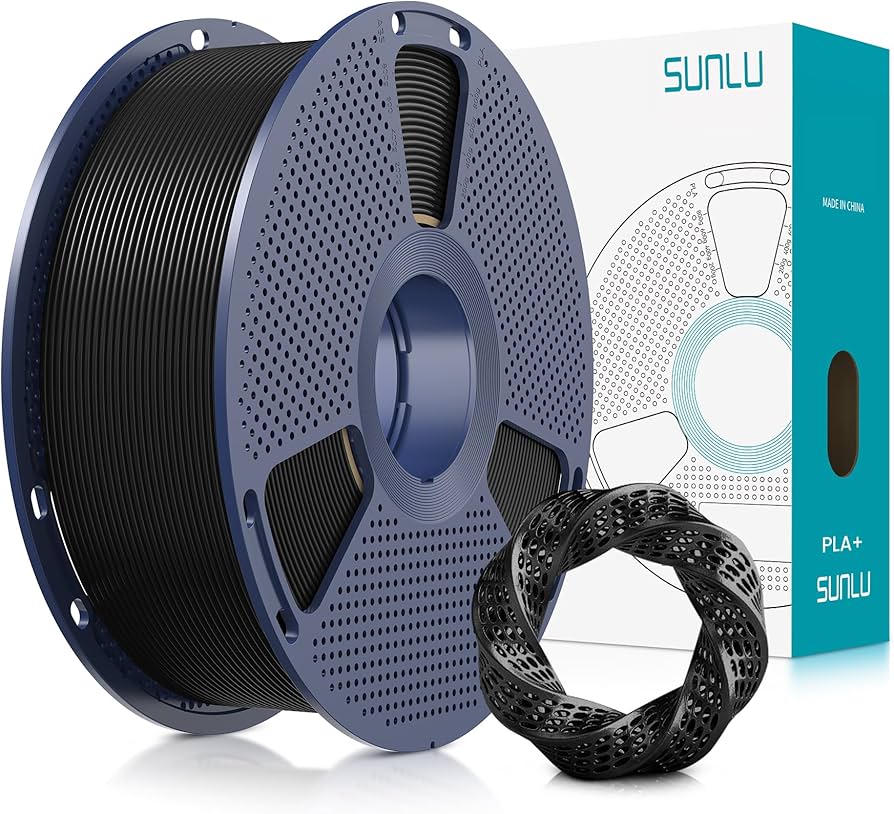
Shaded outdoor decor, prototypes needing quick prints.
SUNLU PLA+ 1.75mm Filament 1KG Tougher than standard PLA with better layer adhesion and slight UV improvement.
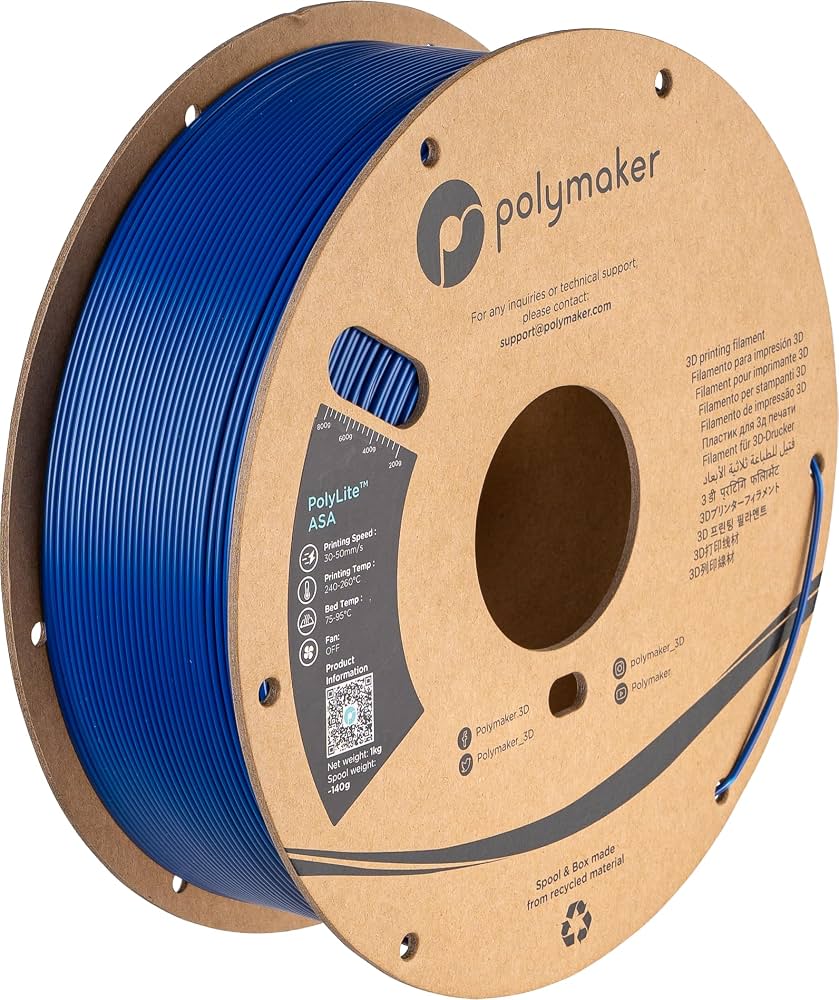
Long-term outdoor use like drone parts or garden tools.
Polymaker PolyLite ASA 1.75mm 1KG Superior to both for UV/heat (beats ABS); minimal warp, weatherproof.
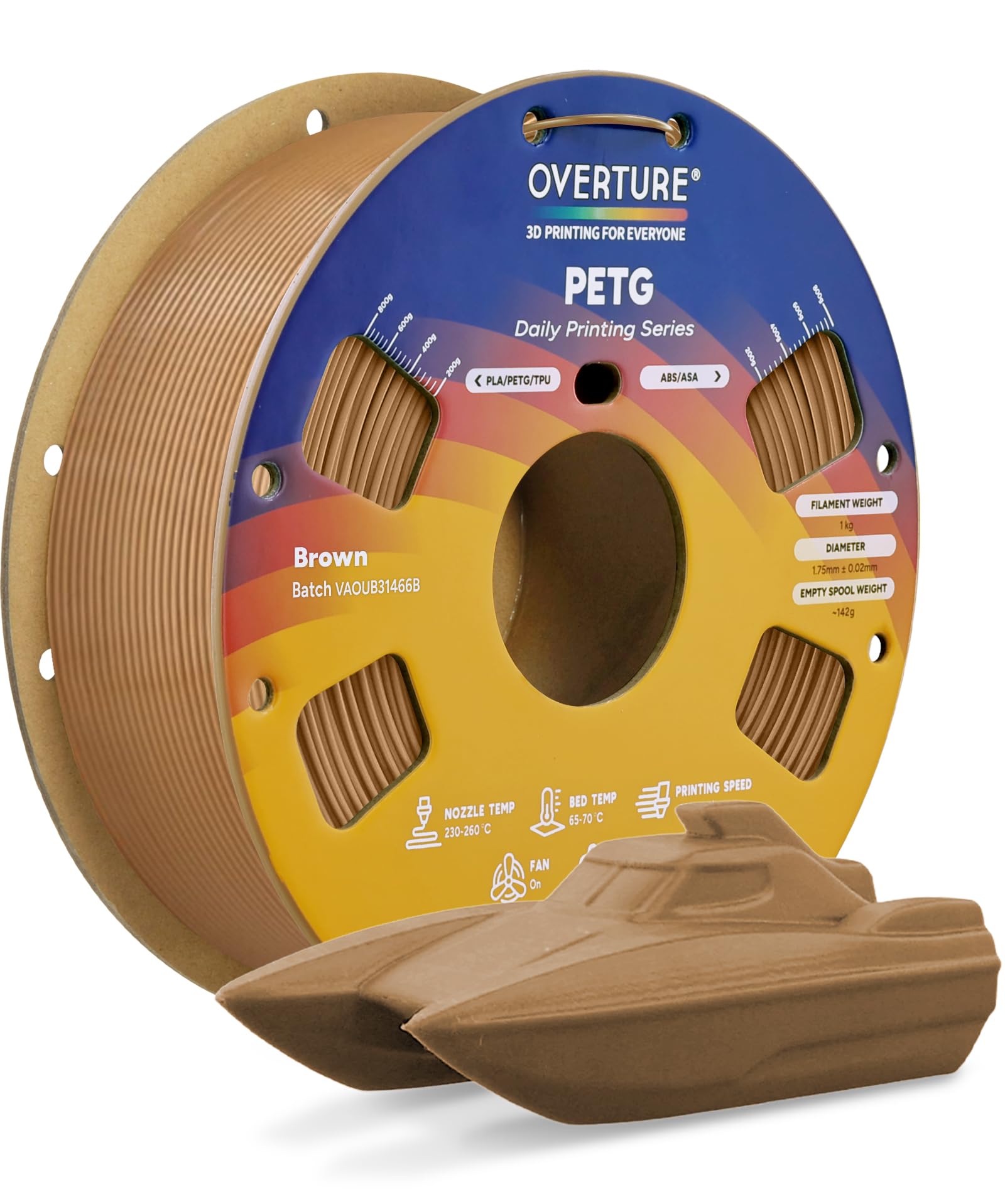
Versatile outdoor enclosures or vases.
Overture PETG 1.75mm Filament 1KG Balances PLA ease with ABS durability; excellent moisture/UV resistance.