Sustain is the holy grail for advanced acoustic players—it's that rich, lingering ring after you pluck a note that defines professional tone. Poor sustain makes chords die fast, frustrating leads and fingerstyle work. If your guitar buzzes out too quickly, the fix isn't always a new axe; targeted part upgrades can transform it.
In this guide, you'll learn the physics of sustain, ranked upgrades from easiest to pro-level, and why materials like bone or Tusq outperform plastic. Expect to grasp concepts like energy transfer and vibration damping. No hands-on work required to read, but upgrades suit luthier skills (1-4 hours per mod).
We'll break it down step-by-step, from strings to bracing, so you can prioritize based on your guitar's weak spots.
▸What You'll Need
- •Prerequisite: Advanced knowledge of guitar anatomy (top, back, braces, neck joint)
- •Basic tools for upgrades: Nut files, sandpaper (400-2000 grit), superglue, bridge pin puller
- •Optional: Digital tuner, multimeter for tuner resistance, luthier vise
Estimated Time: 20-30 minutes to read; 1-4 hours per upgrade
Difficulty: advanced
▸Step-by-Step Instructions
Step 1: Understand Sustain Physics
Sustain measures how long a string's vibration transfers energy to the guitar body without damping. It's governed by impedance matching: efficient energy flow from string to soundboard maximizes ring time.
Analogous to a drumhead—loose skin dies fast; taut, reinforced skin sustains. Plastic parts absorb vibrations (bad); dense materials like bone reflect them (good). Expect 20-50% sustain gain from upgrades.
Measure baseline: Record open strings, time ring-out on software like Audacity.
💡 Tips:
- •Test at same volume/pick attack for accuracy
Step 2: Upgrade Strings First
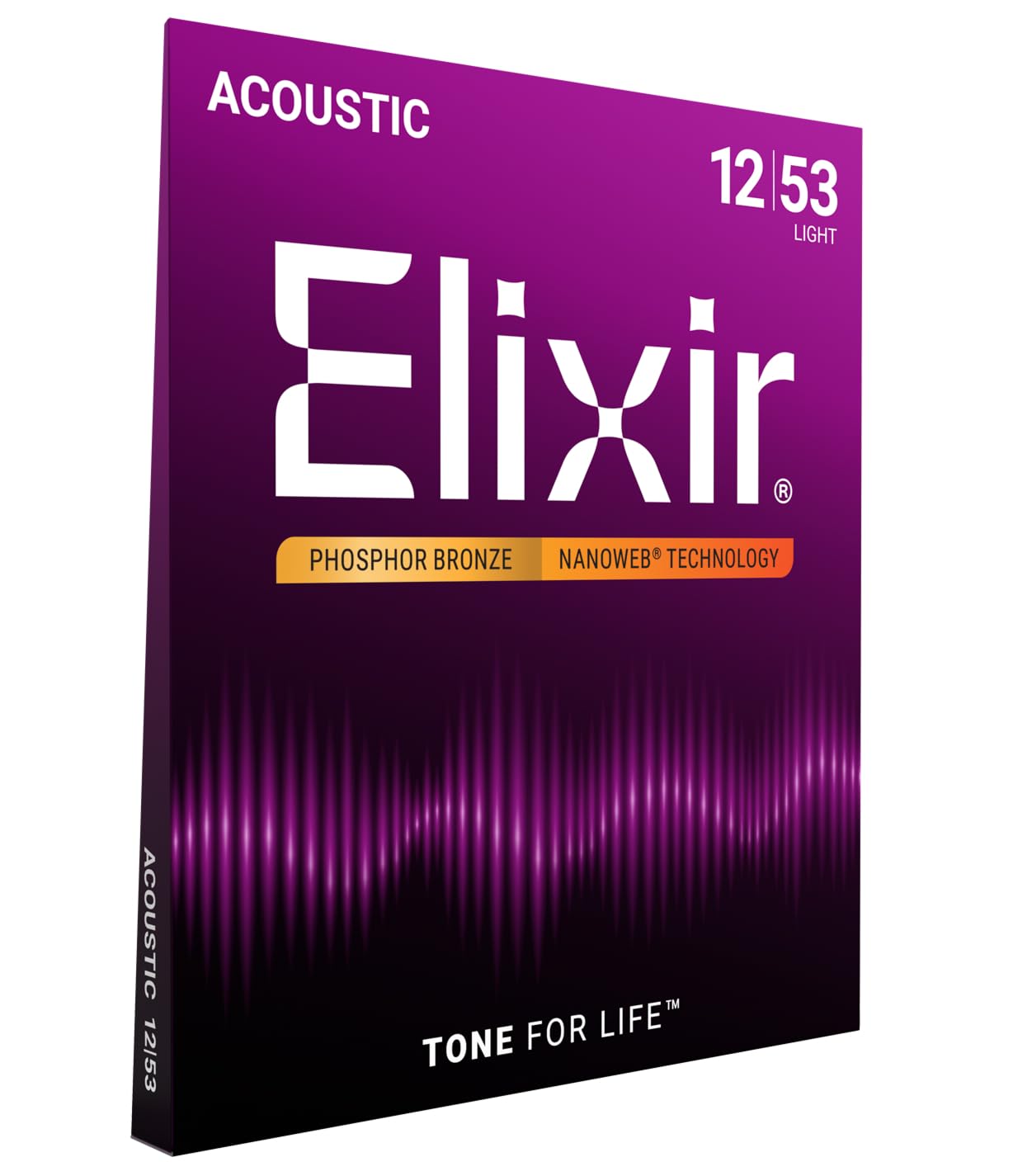
Strings are ground zero—light gauge (11s-12s) sustains better on acoustics due to lower tension, allowing freer vibration. Phosphor bronze or 80/20 bronze excel; coated strings like Elixir reduce friction losses.
Why? Fresh strings have optimal mass/tension ratio. Old ones corrode, damping harmonics. Swap every 1-3 months for pros.
Install: Stretch new strings, tune to pitch 3x, clip excess.
💡 Tips:
- •Hybrid sets (lights on high E, mediums on low E) balance playability/sustain
⚠️ Warnings:
- •Avoid super-lights (<.010); floppy tone on steel-string acoustics
Step 3: Replace the Nut
The nut anchors string vibration start. Plastic nuts (common on mid-tier guitars) have high friction and poor density, killing sustain by 30%. Upgrade to bone, Tusq, or graphite—hard, self-lubricating materials.
Bone transfers harmonics best; Tusq (synthetic ivory) is consistent, pre-slotted. File slots to 0.020"-0.090" gauge-specific height.
Expect clearer open notes post-upgrade.
💡 Tips:
- •Drop-in Tusq for no-filing; custom bone for vintage vibe
Step 4: Optimize Saddle and Bridge Pins
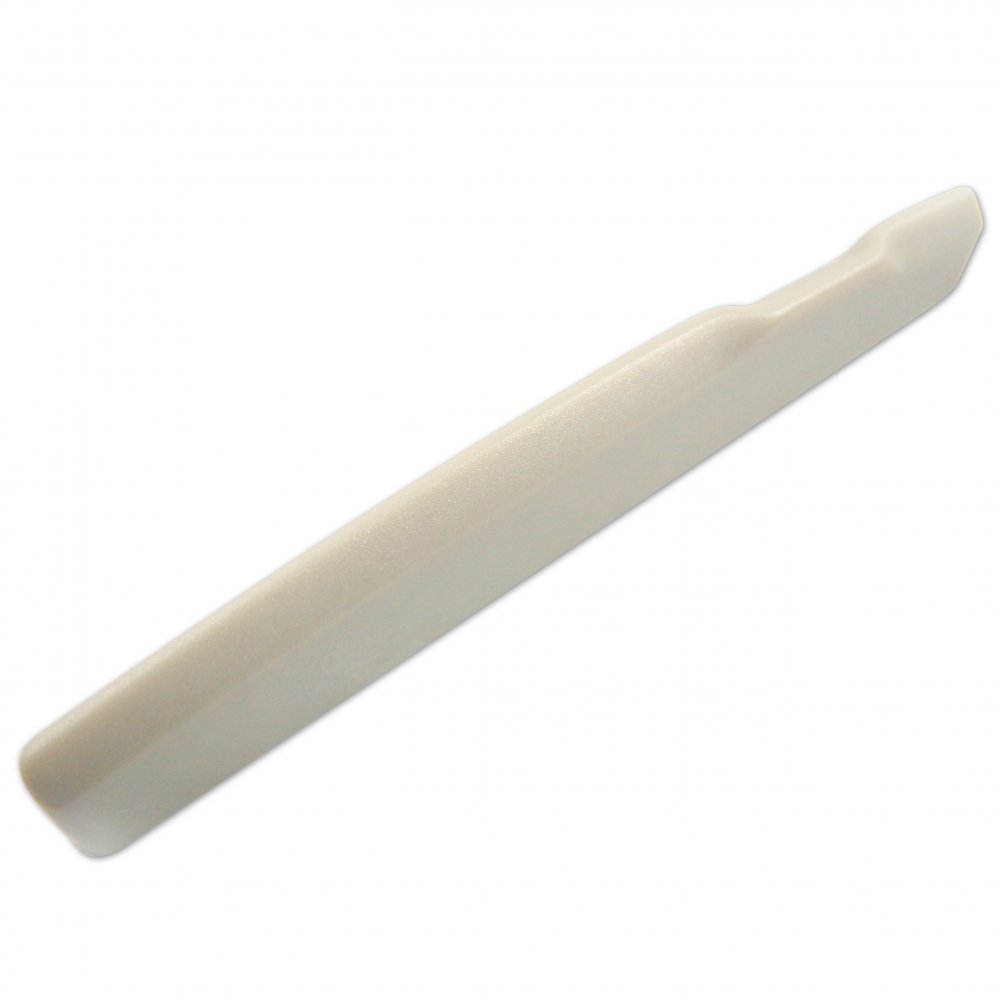
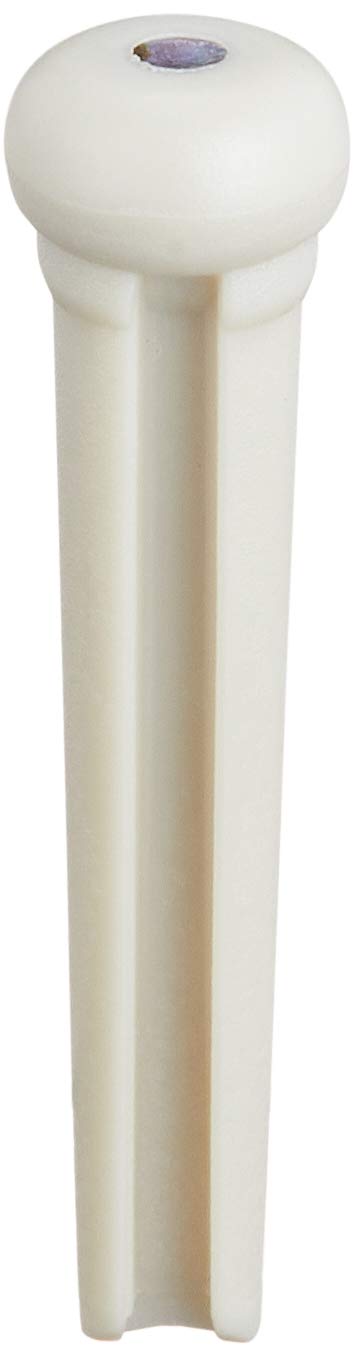
Saddle converts string energy to top vibration—critical for sustain. Compensated bone/Tusq saddles (slanted for intonation) outperform plastic by reflecting waves efficiently. Pins secure saddle; unbleached bone or Tusq pins reduce slippage.
Pull old pins, sand new saddle to ~0.080" height for low action. Why matters: Poor saddle damps fundamentals.
Gain: 40% longer sustain on G/D strings.
⚠️ Warnings:
- •Over-sand = buzz; under-sand = high action
Step 5: Enhance Bridge and Pins
Bridge plate and material matter—rosewood/mahogany bridges with ebony/maple caps sustain better than laminate. Upgrade pins to delrin/Tusq for tighter string lock.
Physics: Dense bridge minimizes energy loss to body. Scrape glue residue before install.
💡 Tips:
- •Tapered pins fit snug; lube with graphite powder
Step 6: Upgrade Tuners
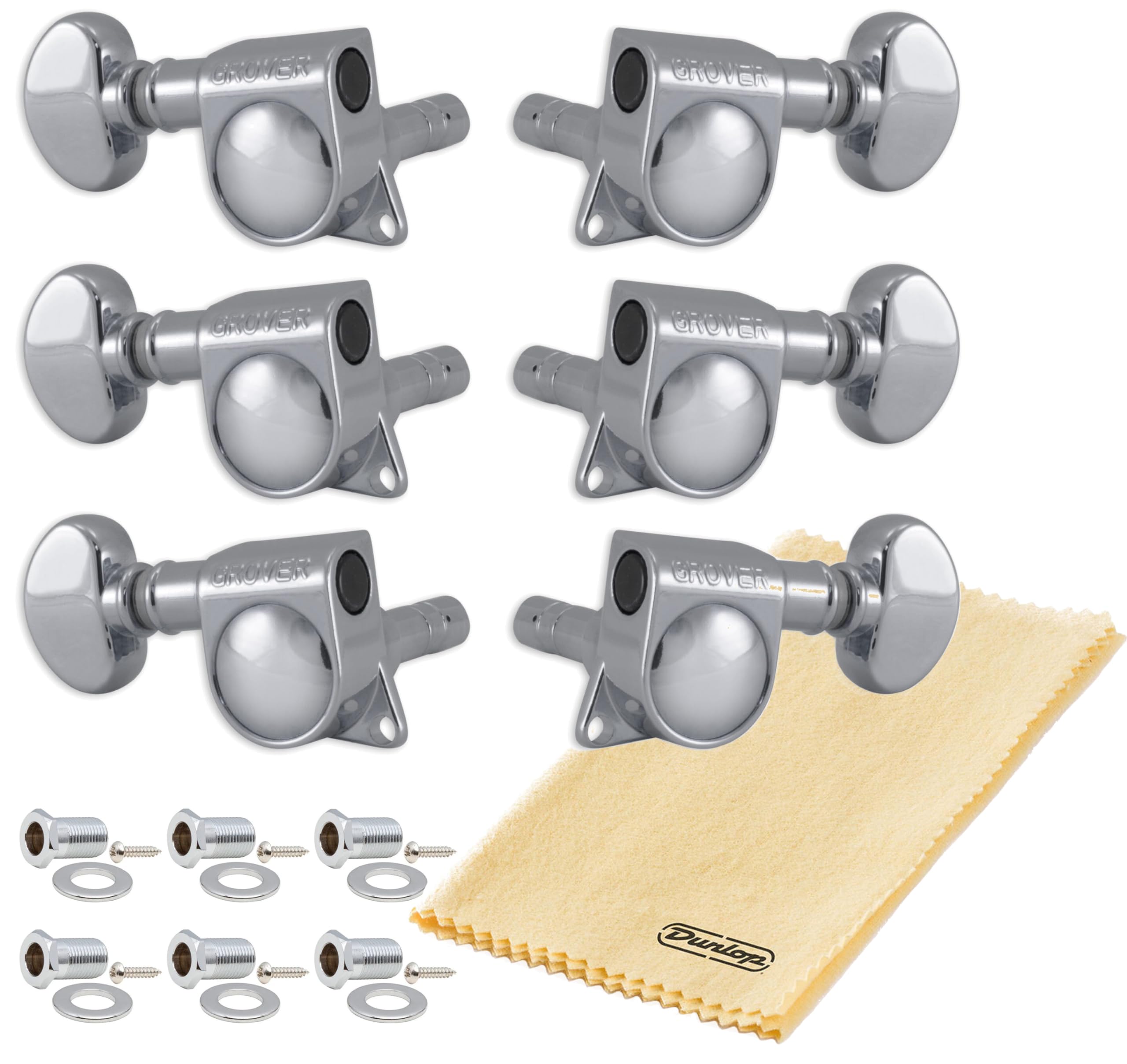
Sloppy tuners cause micro-detuning, killing perceived sustain. Locking or high-ratio (18:1+) tuners like Grover hold pitch rock-solid.
Install: Drill if needed, align posts. Stable tuning = consistent ring-out.
Step 7: Assess Internal Bracing
Scalloped X-bracing (lightly sanded braces) allows freer top movement vs. heavy braces—Martin-style for sustain vs. dreadnought punch.
Pro upgrade: Steam out braces, rescallop (luthier only). Woods like Adirondack spruce tops vibrate longer.
⚠️ Warnings:
- •Risk of top crack; pro job
Step 8: Refine Setup
Low action (~3/64" at 12th fret), proper neck relief, and truss rod tweaks maximize sustain without buzz. Intonate saddle precisely.
Final test: Compare pre/post ring times.
💡 Tips:
- •Use feeler gauges for precision
▸Pro Tips
- •Measure sustain in seconds across all strings for baseline comparison
- •Combine nut + saddle upgrade for 60% total gain—synergy effect
- •Use Big Bends string lubricant on nut slots for friction-free play
- •Lighter top woods (spruce) + hard back/sides (rosewood) = sustain kings
- •Record A/B tests with phone app to quantify improvements
- •Pre-fit parts dry before gluing—expansion/contraction varies
- •Scallop braces only if top is stable; check for cracks first
▸Common Mistakes to Avoid
- •Upgrading strings only—ignores 70% of damping in nut/saddle
- •Using bleached bone (porous, poor sustain vs. unbleached)
- •Ignoring action setup post-upgrade—leads to fret buzz
- •Cheap plastic replacements disguised as 'bone'—test density
- •Over-tightening bridge pins—cracks bridge plate
▸Troubleshooting
Problem: Sustain improved but intonation off
Solution: Re-sand saddle compensation or check nut slots; use strobe tuner
Problem: Buzz after nut/saddle swap
Solution: Check slot depth/action; add shims under saddle
Problem: No change in sustain
Solution: Verify part materials (tap test: bone pings high); check bracing
Problem: Tuners slip post-upgrade
Solution: Tighten set screws; use locking washers
Graph Tech TUSQ XL Acoustic Saddle (PQ-9050-00)
TUSQ's polymer-graphite formula outperforms plastic/bone in consistent vibration transfer for superior sustain
Best for: Drop-in replacement for Martin/Taylor-style bridges; easy for DIY
Price Range: $12.95
Elixir Nanoweb Phosphor Bronze Light Acoustic Strings (.012-.053)
Coating minimizes corrosion/friction, preserving sustain 3-5x longer than uncoated
Best for: Daily players seeking low-tension ring without floppiness
Price Range: $15.99
Grover 406C Mini Locking Rotomatics Tuners (Nickel)
18:1 ratio + locking mechanism eliminates tuning slip for stable sustain
Best for: Headstock retrofits on acoustics needing pro tuning stability
Price Range: $89.95
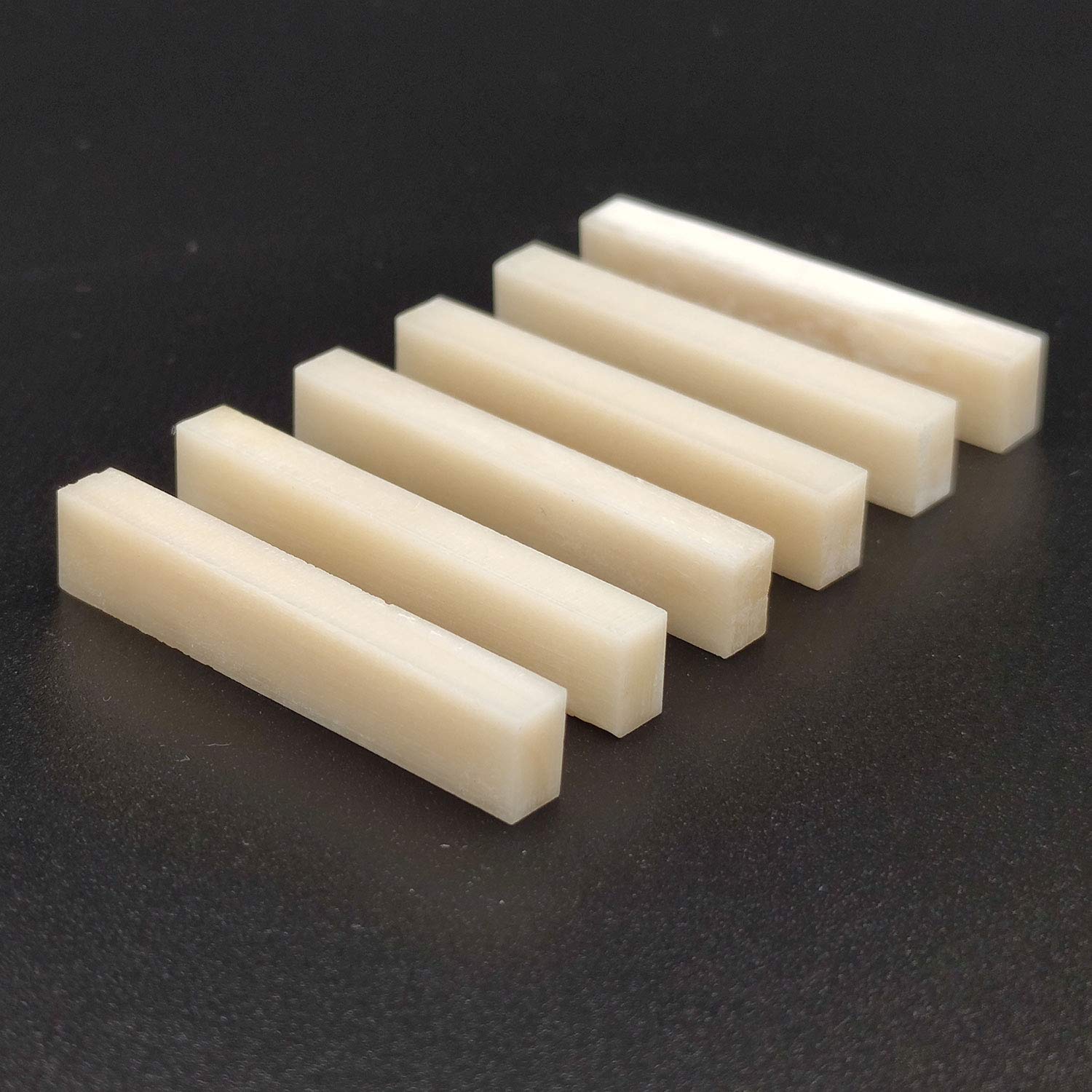
Blisstime Unbleached Cow Bone Nut Blank
Dense, natural bone reflects harmonics best; superior to synthetic for vintage tone/sustain
Best for: Custom nut shaping for advanced luthiers
Price Range: $9.99
Graph Tech Tusq Bridge Pins Set (Deluxe)
Tapered, self-lubricating pins lock strings tighter, boosting energy to saddle
Best for: Quick upgrade for any pin-bridge acoustic
Price Range: $24.95