
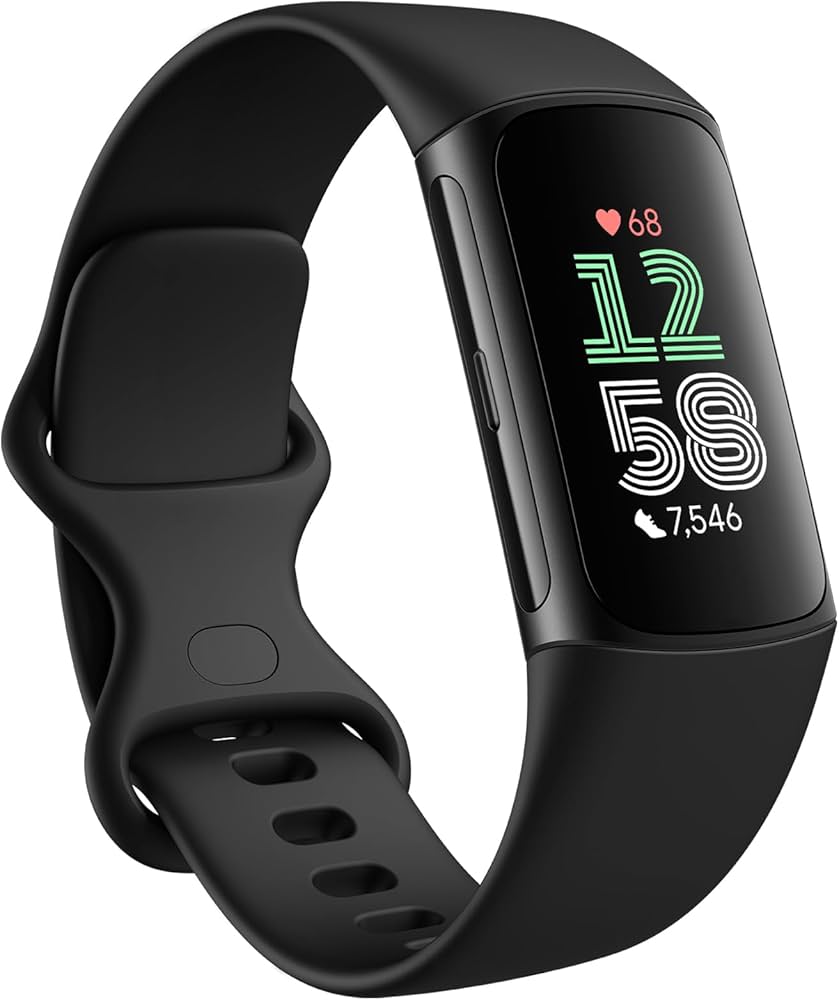
Fitbit Charge 6
Daily activity and sleep tracking with optional fall detection via app.
$159.95
Fitbit Charge 6 Excellent for basics like steps, heart rate, SpO2, plus ECG app for AFib detection tailored to seniors.
Get the App
Better experience on mobile
Learn the key metrics, features, and top devices that monitor senior activity for safety, health, and independence.
As our loved ones age, staying active while ensuring their safety becomes a top priority. Falls, reduced mobility, and subtle health changes can happen quickly, but activity monitors provide real-time insights and alerts to caregivers and family. These devices empower seniors to maintain independence without constant supervision.
In this guide, you'll understand what activity monitors track—from basic steps to advanced fall detection—and how they work. We'll break down types, features, and selection tips in simple terms, no tech expertise needed. Expect to spend 15 minutes reading and gain confidence in choosing or using one.
Whether for a parent or yourself, these monitors blend fitness tracking with medical-grade alerts, often integrating with smartphones for seamless sharing.
Estimated Time: 15-20 minutes Difficulty: intermediate
Activity monitors for seniors start with fundamentals like step counting, distance traveled, and calories burned. These mimic pedometers but use accelerometers and GPS for accuracy.
Why it matters: Tracking daily movement reveals patterns, like reduced activity signaling illness or depression. Expect 80-95% accuracy in steps on flat surfaces.
Analogy: Like a car's odometer, it logs 'miles' walked without needing GPS constantly.
💡 Tips:
Most devices use optical sensors to track heart rate continuously or on-demand, spotting irregularities like atrial fibrillation (AFib).
For seniors, this flags overexertion or rest issues. Advanced models add blood oxygen (SpO2) and temperature, early indicators of infections.
What to expect: Readings every few minutes; alerts for highs/lows customizable via app.
⚠️ Warnings:
Monitors analyze sleep stages (light, deep, REM) using motion and heart variability, plus restlessness.
Seniors benefit from insights into insomnia or sleep apnea, common with age. Why? Poor sleep accelerates cognitive decline.
Analogy: A digital sleep diary that scores nights out of 100.
💡 Tips:
Using gyroscopes and AI, monitors detect hard falls and auto-call emergency contacts or 911.
Critical for seniors: 1 in 4 over 65 fall yearly; quick response cuts hospitalization risk. False positives minimized by confirming via vibration.
Expect: Post-fall immobility detection up to 30-60 minutes.
Built-in GPS or phone-paired tracks outdoor location, with geofencing alerts for wandering.
Useful for dementia patients; shares live location with family apps.
Why matters: Enables 'check-ins' without invading privacy.
💡 Tips:
Smart reminders vibrate for pills, hydration, or activity goals, logging compliance.
Integrates with health apps for holistic views. Analogy: A personal nurse on your wrist.
⚠️ Warnings:
Data syncs to apps (e.g., Fitbit, Apple Health) for sharing reports with doctors.
Secure cloud storage with HIPAA compliance in medical-grade devices. Expect weekly summaries.
💡 Tips:
Problem: No fall alerts triggering
Solution: Recalibrate sensors via app; ensure tight fit and enable feature.
Problem: Inaccurate heart rate
Solution: Clean sensor, avoid tattoos/tight sleeves; update firmware.
Problem: Battery drains fast
Solution: Disable always-on GPS; charge fully weekly.
Problem: App won't sync
Solution: Restart Bluetooth, update app/OS; check permissions.
Excellent for basics like steps, heart rate, SpO2, plus ECG app for AFib detection tailored to seniors.
Best for: Daily activity and sleep tracking with optional fall detection via app.
Price Range: $159.95
Top-tier fall detection, GPS, sleep apnea notifications, and crash detection with seamless iPhone integration.
Best for: High-risk seniors needing instant 911 calls and family sharing.
Price Range: $399-$429
Long battery (7 days), discreet band design, respiration tracking, and hydration reminders ideal for subtle monitoring.
Best for: Budget-conscious users wanting all-day vitals without bulk.
Price Range: $149.99
Medical-grade ECG, SpO2, altitude tracking, and 30-day battery; hybrid analog look appeals to seniors.
Best for: Those preferring watch style with doctor-shareable reports.
Price Range: $349.95
Daily activity and sleep tracking with optional fall detection via app.
Fitbit Charge 6 Excellent for basics like steps, heart rate, SpO2, plus ECG app for AFib detection tailored to seniors.
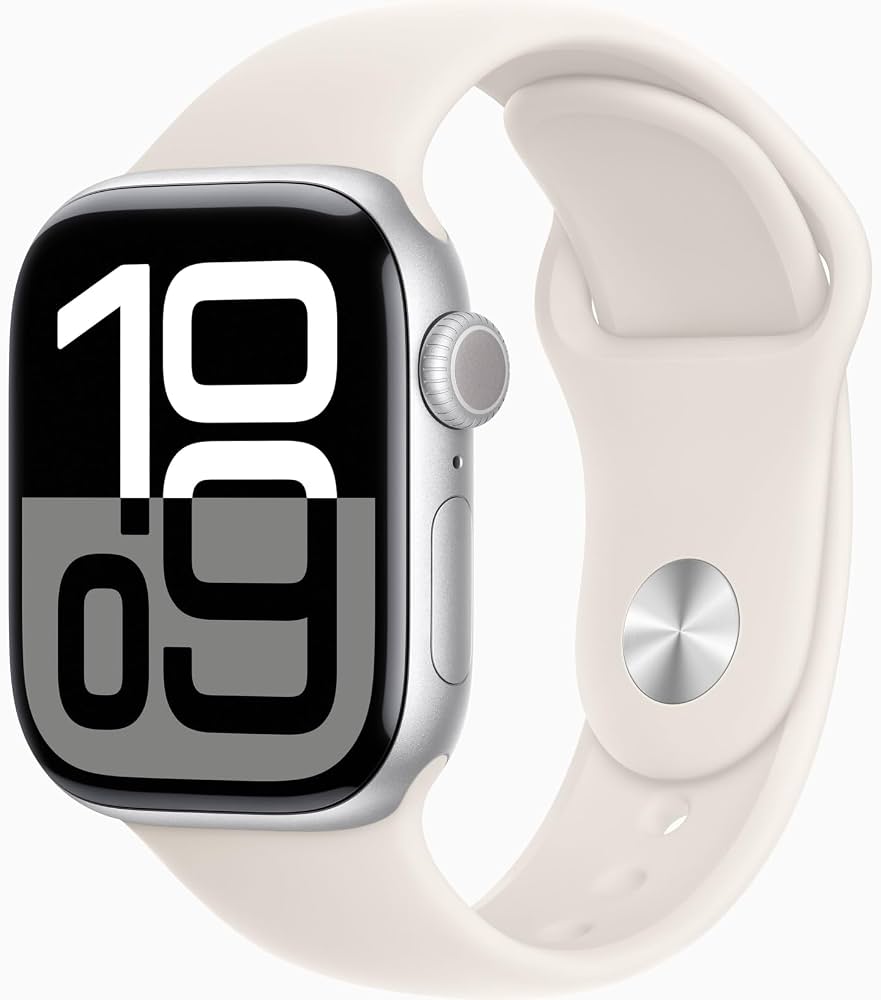
High-risk seniors needing instant 911 calls and family sharing.
Apple Watch Series 10 Top-tier fall detection, GPS, sleep apnea notifications, and crash detection with seamless iPhone integration.
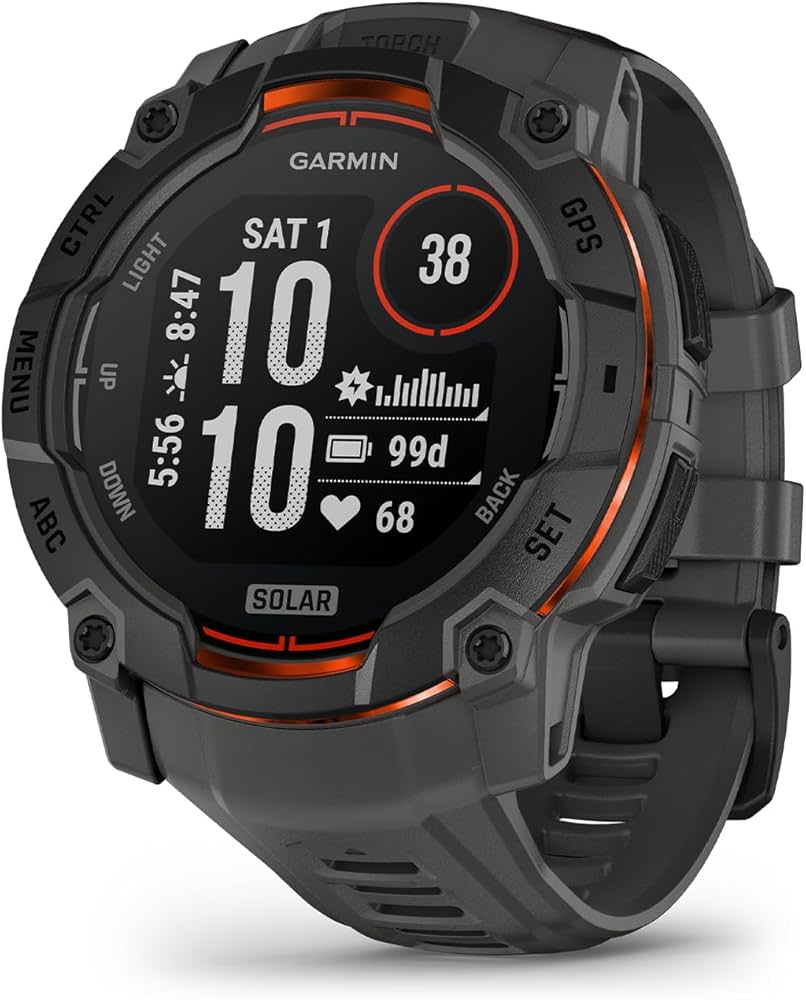
Budget-conscious users wanting all-day vitals without bulk.
Garmin Vivosmart 5 Long battery (7 days), discreet band design, respiration tracking, and hydration reminders ideal for subtle monitoring.

Those preferring watch style with doctor-shareable reports.
Withings ScanWatch 2 Medical-grade ECG, SpO2, altitude tracking, and 30-day battery; hybrid analog look appeals to seniors.