
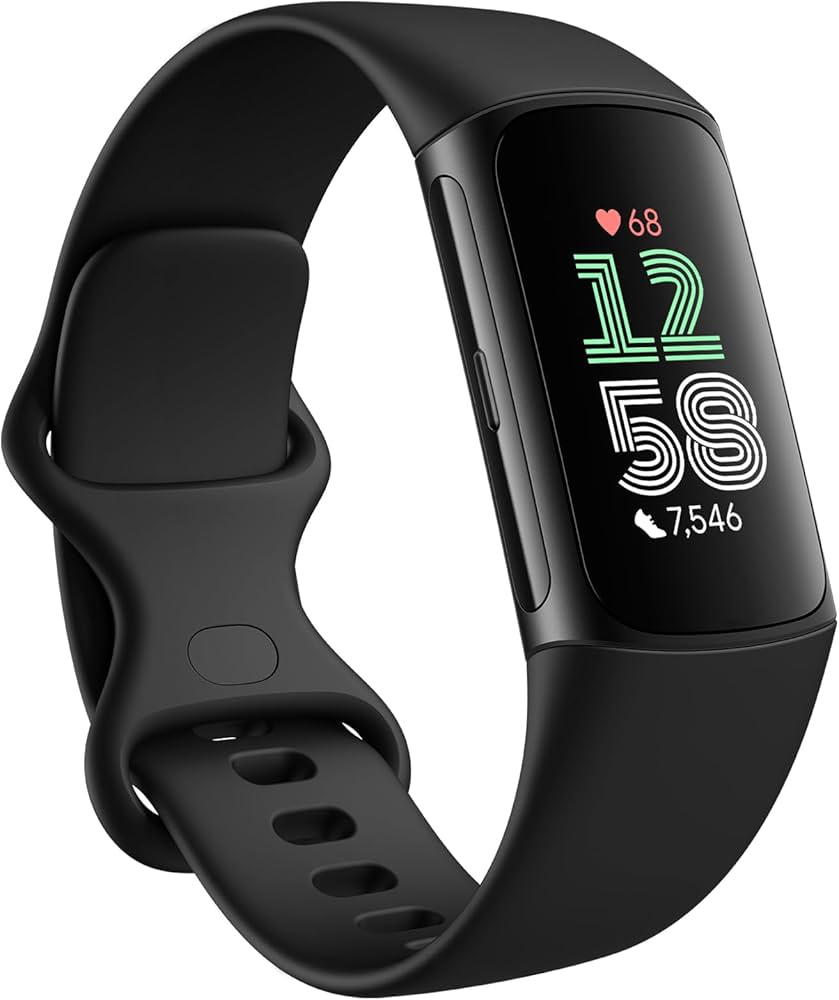
Fitbit Charge 6
Daily wear for beginners to intermediates tracking steps, stress, and sleep.
$159.95
Fitbit Charge 6 Excellent all-around tracker with ECG, SpO2, 7-day battery, and Google integration for activity/health/wellness.
Get the App
Better experience on mobile
Discover top monitors that accurately track steps, heart rate, sleep, and stress to optimize your fitness and wellness routine.
In today's fast-paced world, staying on top of your activity levels, heart health, sleep quality, and stress can feel overwhelming without the right tools. Many people struggle with inaccurate data from basic pedometers or overwhelming apps, leading to misguided health decisions. This guide breaks down the best monitors for comprehensive tracking.
You'll learn the key features, sensor technologies, and types of devices that excel in activity, health, and wellness monitoring. By the end, you'll know how to choose a monitor that fits your lifestyle, with comparisons and real-world examples.
Expect a straightforward explainer: no fluff, just actionable insights for intermediate users familiar with basic fitness apps. Reading time: 15 minutes.
Estimated Time: 15-20 minutes Difficulty: intermediate
Activity monitors track steps, distance, calories burned, and floors climbed using accelerometers. Health monitors add heart rate (via optical sensors), blood oxygen (SpO2), and ECG for irregularities. Wellness focuses on sleep stages, stress (via HRV), and recovery scores.
Why it matters: These metrics provide a holistic view—activity for fitness goals, health for risks like AFib, wellness for mental balance. Expect 85-95% accuracy in validated devices.
Analogy: Like a car's dashboard—activity is speedometer, health is engine alerts, wellness is fuel efficiency.
💡 Tips:
Wearables fall into smartwatches (e.g., Apple Watch), fitness bands (e.g., Fitbit), smart rings (e.g., Oura), chest straps (e.g., Polar H10), and scales (e.g., Withings Body+ for body comp).
Smartwatches offer screens and GPS; bands are slim for 24/7 wear; rings are discreet for sleep. Chest straps excel in heart rate accuracy during intense workouts.
Choose based on use: rings for passive wellness, watches for active sports.
⚠️ Warnings:
Accelerometers detect motion for steps; gyroscopes for orientation; optical PPG for heart rate via light on skin; altimeters for elevation; GPS for outdoor tracking.
Advanced: Bioimpedance for body comp, temperature sensors for illness detection. Multi-sensor fusion improves accuracy (e.g., Garmin's Elevate).
Why it matters: More sensors = better data, but expect battery drain.
💡 Tips:
Top monitors are validated against gold standards like lab treadmills (steps ±3%) or ECG (HR ±1-2 bpm). Check for FDA clearance, studies on PubMed.
Examples: Apple Watch detects falls/AFib; Oura correlates 79% with PSG sleep labs. Real-world: Wrist HR lags in HIIT vs. chest straps.
Test: Compare to known distances or manual pulse checks.
Bands/rings last 5-14 days; watches 1-2 days with GPS. Comfort: Silicone bands for sweat, titanium for lightness.
Why crucial: Poor fit skews data; short battery means missed overnight tracking. Expect skin irritation from tight 24/7 wear.
💡 Tips:
⚠️ Warnings:
Apps like Fitbit/Google Fit aggregate data, offer scores (e.g., Readiness Score), and integrate with Apple Health/Strava.
Advanced insights: Trend analysis, AI coaching. Example: Whoop's strain/recovery balance.
Choose ecosystems: Android users prefer Wear OS, iOS Apple Watch.
Data privacy: EU GDPR compliance, opt-out sharing. Costs: $100-500 upfront, plus subs ($10/mo for Oura).
Extras: Waterproofing (5ATM+), music storage, payments. Longevity: 2-3 years before obsolescence.
Balance: Free apps vs. premium insights.
💡 Tips:
Runners: GPS watches. Sleep focus: Rings. General wellness: Bands. Test via 30-day returns.
Final pick: Prioritize 3-5 metrics you care about most.
Problem: Inaccurate heart rate during exercise
Solution: Clean sensors, tighten strap, try opposite wrist or chest strap alternative.
Problem: Short battery life
Solution: Disable always-on display, reduce notifications, check for app sync issues.
Problem: App sync failures
Solution: Restart Bluetooth, update app/OS, re-pair device.
Problem: Skin irritation
Solution: Alternate wrists, use hypoallergenic bands, take breaks.
Excellent all-around tracker with ECG, SpO2, 7-day battery, and Google integration for activity/health/wellness.
Best for: Daily wear for beginners to intermediates tracking steps, stress, and sleep.
Price Range: $159.95
Discreet, accurate sleep/HRV/recovery tracking without screens, validated studies.
Best for: Passive wellness monitoring, ideal for sleep and stress focus.
Price Range: $299+ (subscription $5.99/mo)
Slim band with advanced Body Battery energy score, respiration, and 7-day battery.
Best for: Budget-friendly for respiration/stress tracking alongside activity.
Price Range: $149.99
Top accuracy with FDA-cleared ECG, sleep apnea detection, dual-frequency GPS.
Best for: iPhone users wanting premium health alerts and workout tracking.
Price Range: $399+
Strain, recovery, and sleep coach with HRV focus, subscription unlocks deep insights.
Best for: Athletes optimizing performance and recovery.
Price Range: $30/mo (hardware free)
Daily wear for beginners to intermediates tracking steps, stress, and sleep.
Fitbit Charge 6 Excellent all-around tracker with ECG, SpO2, 7-day battery, and Google integration for activity/health/wellness.
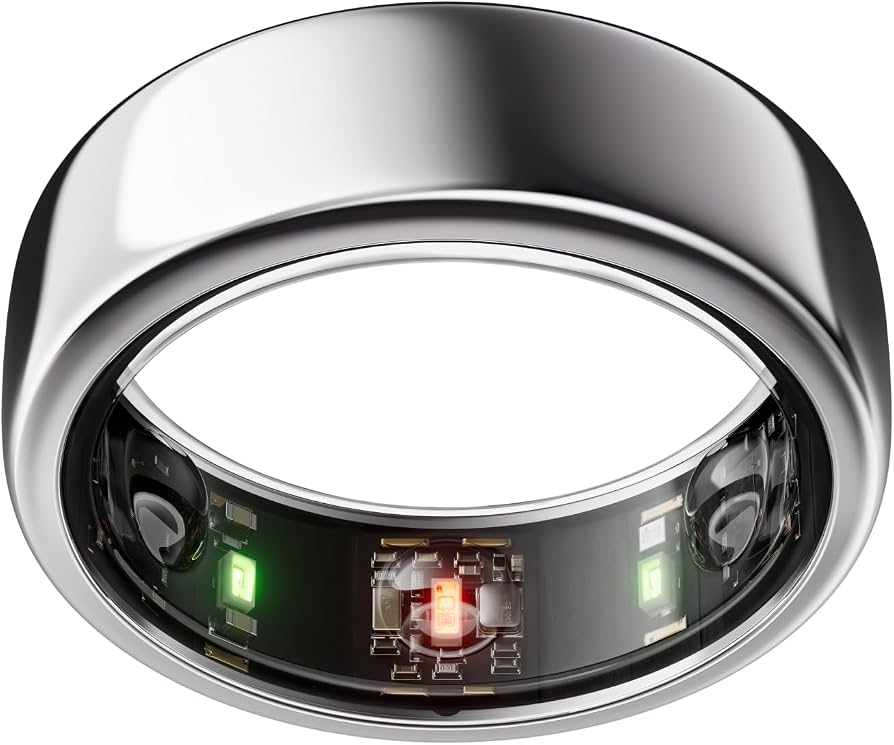
Passive wellness monitoring, ideal for sleep and stress focus.
Oura Ring Generation 3 Discreet, accurate sleep/HRV/recovery tracking without screens, validated studies.
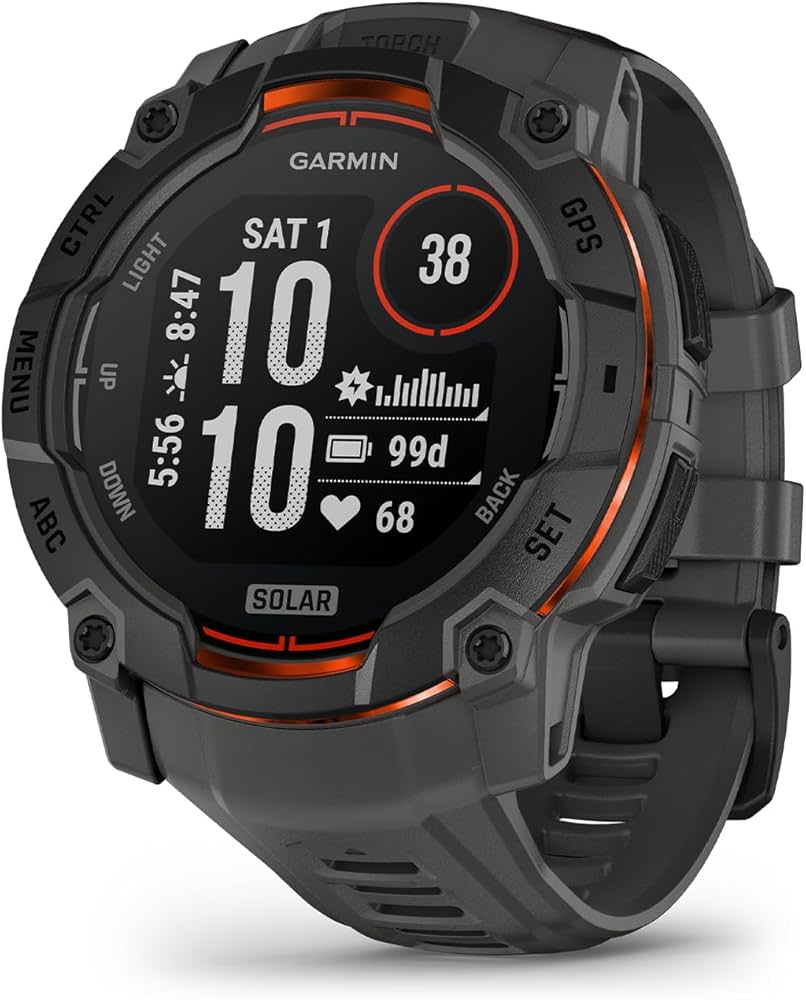
Budget-friendly for respiration/stress tracking alongside activity.
Garmin Vivosmart 5 Slim band with advanced Body Battery energy score, respiration, and 7-day battery.
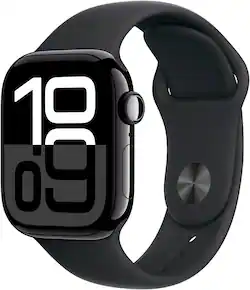
iPhone users wanting premium health alerts and workout tracking.
Apple Watch Series 10 Top accuracy with FDA-cleared ECG, sleep apnea detection, dual-frequency GPS.
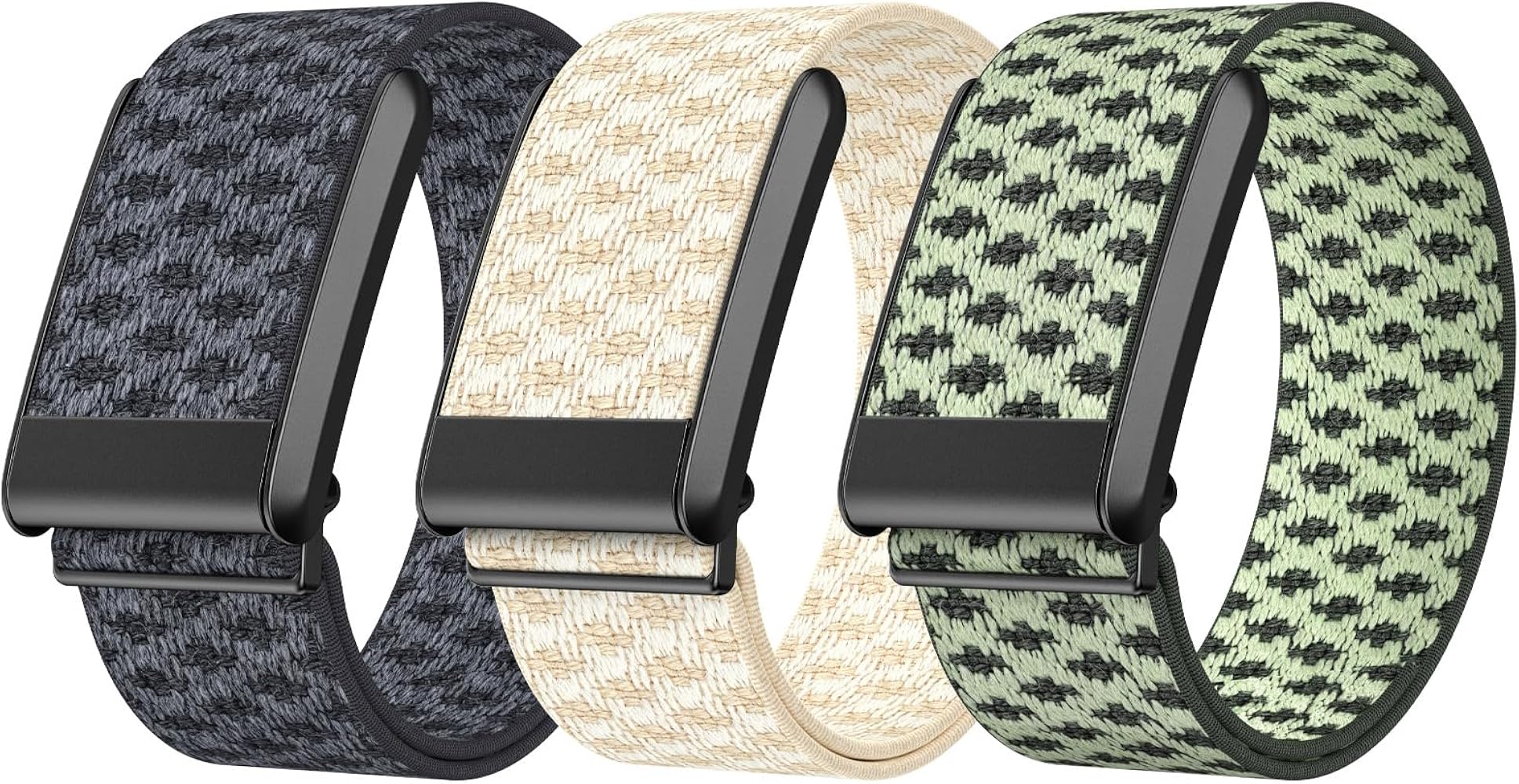
Athletes optimizing performance and recovery.
Whoop 4.0 Band Strain, recovery, and sleep coach with HRV focus, subscription unlocks deep insights.