
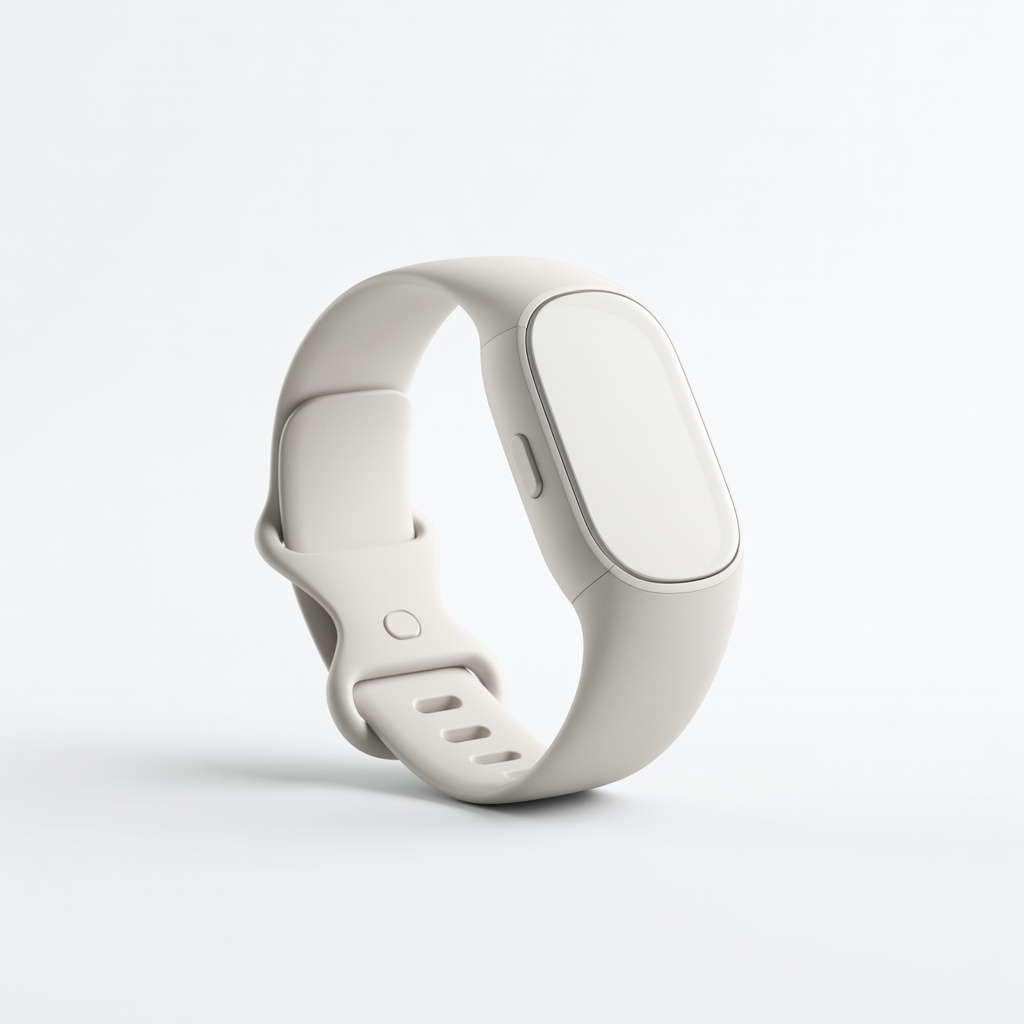
Fitbit Ace 3
Active kids 6+ needing motivational adventures.
$79.99
Fitbit Ace 3 Excels in AZM, sleep, and gamification with 16-day battery and swim-proof design.
Get the App
Better experience on mobile
Master the key metrics like steps, active minutes, and sleep to pick the best tracker for motivating your child's healthy habits.
In a world where screen time often trumps playtime, kids' activity trackers are game-changers for combating childhood obesity and building lifelong fitness routines. Parents struggle to know if a tracker is accurately capturing their child's movement or just gamifying laziness. This guide breaks down the metrics that truly matter.
You'll learn the top 7 metrics to evaluate, how to interpret them, and why they drive real behavior change. No jargon overload—we use simple analogies and examples. Expect a 15-minute read that equips you to compare trackers confidently.
By the end, you'll spot overhyped features and focus on data that predicts engagement and health gains.
Estimated Time: 10-15 minutes Difficulty: intermediate
Step count is the foundation metric—like a pedometer on steroids. It measures total daily steps, aiming for 10,000-12,000 for kids aged 6-12 per WHO guidelines. Accuracy matters because kids dart unpredictably; cheap trackers inflate counts by 20-30% from wrist fidgets.
Look for accelerometers validated for small wrists (e.g., 3-axis sensors). Expect apps showing hourly breakdowns—vital for spotting lazy afternoons. Why it matters: Steps correlate with 60% reduced obesity risk.
Example: A 10-year-old hitting 11,000 steps daily builds endurance without burnout.
💡 Tips:
⚠️ Warnings:
Forget total steps—AZM measures moderate-to-vigorous activity (like soccer vs. strolling). Fitbit's version logs minutes in heart-rate zones; Garmin calls it 'intensity minutes.' Kids need 60+ daily for heart health.
This metric uses motion + optional HR to classify effort, preventing 'fake activity' from fidgeting. Why crucial: Steps alone miss intensity; AZM predicts fitness gains better (studies show 3x impact on VO2 max).
Analogy: Steps are miles driven; AZM is time at highway speeds.
💡 Tips:
Kids need 9-12 hours/night; trackers score sleep stages (light, deep, REM) via motion/HR. Look for 85%+ accuracy vs. lab tests—poor ones confuse tossing with wakefulness.
Metrics include total sleep, efficiency (asleep time/bedtime %), and wake-ups. Matters because poor sleep tanks next-day activity by 25%. Apps often gamify with bedtime badges.
Example: 10hr total with 90% efficiency signals great rest.
⚠️ Warnings:
Optical HR sensors shine for real-time zones during play. Kids' metrics: 120-160 bpm average; track resting HR (under 80 ideal). Not all kid trackers have it—prioritize for sports.
Why vital: Detects overexertion (e.g., >180 bpm alerts). Accuracy dips on sweaty wrists, so check reviews. Analogy: Like a car's tachometer for safe revs.
💡 Tips:
Uses steps/AZM/age/weight for BMR + activity burn (e.g., 2,000-2,500 daily for active 10yo). Accuracy ±15%; great for balanced diets.
Why it matters: Ties activity to energy, curbing snacking. Ignore standalone cal counters—contextual ones win.
Kid-specific: Badges, points, virtual pets unlocked by metrics. Track completion rates (80%+ weekly). Why? Boosts adherence 40% per studies.
Parental metrics: Compliance reports, screen time links.
💡 Tips:
Battery: 5-7 days essential (no daily charging fights). Sync accuracy: <5% data loss. Water resistance (5ATM) for showers/sweat.
Why: Downtime kills habits. Test via user reviews.
⚠️ Warnings:
Problem: Inaccurate step counts
Solution: Tighten band midway on wrist; calibrate via app walk test. Reset if >20% off known walks.
Problem: Tracker won't sync
Solution: Bluetooth restart, app permissions, <30ft range. Update OS.
Problem: Low motivation despite good metrics
Solution: Customize goals/badges; add family competitions. Consult pediatrician if sedentary baseline.
Excels in AZM, sleep, and gamification with 16-day battery and swim-proof design.
Best for: Active kids 6+ needing motivational adventures.
Price Range: $79.99
Top-tier step/AZM accuracy, chore rewards, 1-year battery—no charging hassles.
Best for: Parents wanting swim-safe tracker with parental controls.
Price Range: $79.99
Affordable HR + GPS hybrid for precise metrics, phone-free calls add safety.
Best for: Budget-conscious families with outdoor adventurers.
Price Range: $49.99-$69.99
Long battery (14 days), GPS + 60+ sports modes for detailed activity metrics.
Best for: Tweens into sports needing location + health data.
Price Range: $59.99
Active kids 6+ needing motivational adventures.
Fitbit Ace 3 Excels in AZM, sleep, and gamification with 16-day battery and swim-proof design.
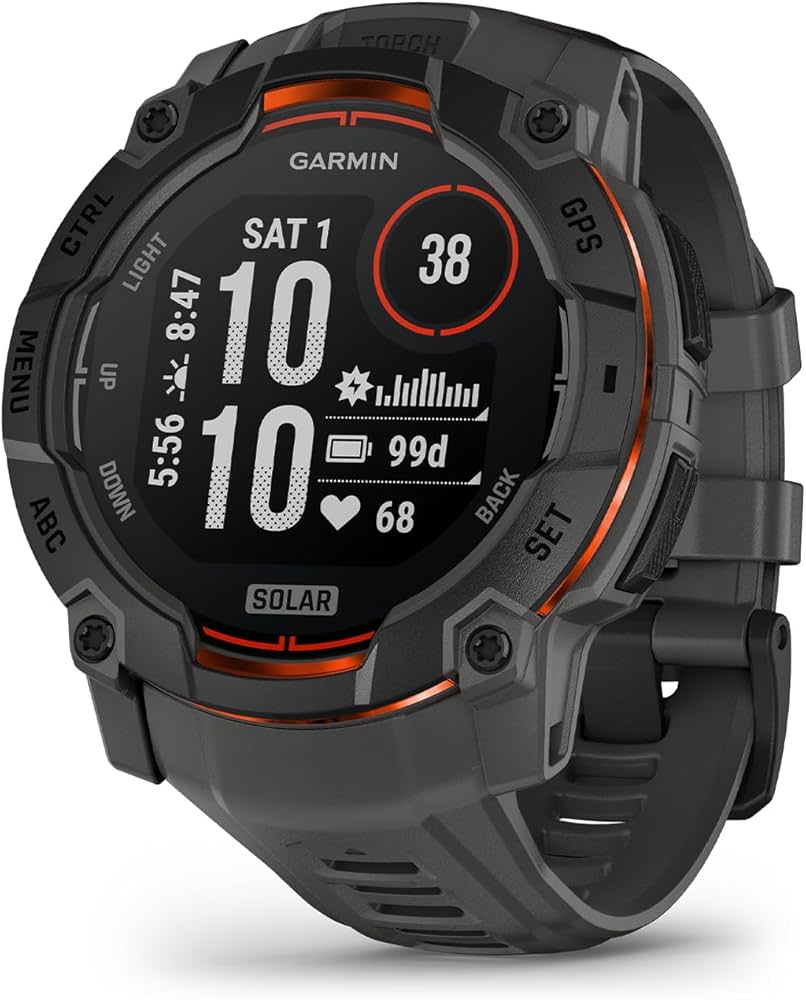
Parents wanting swim-safe tracker with parental controls.
Garmin vívofit jr. 3 Top-tier step/AZM accuracy, chore rewards, 1-year battery—no charging hassles.
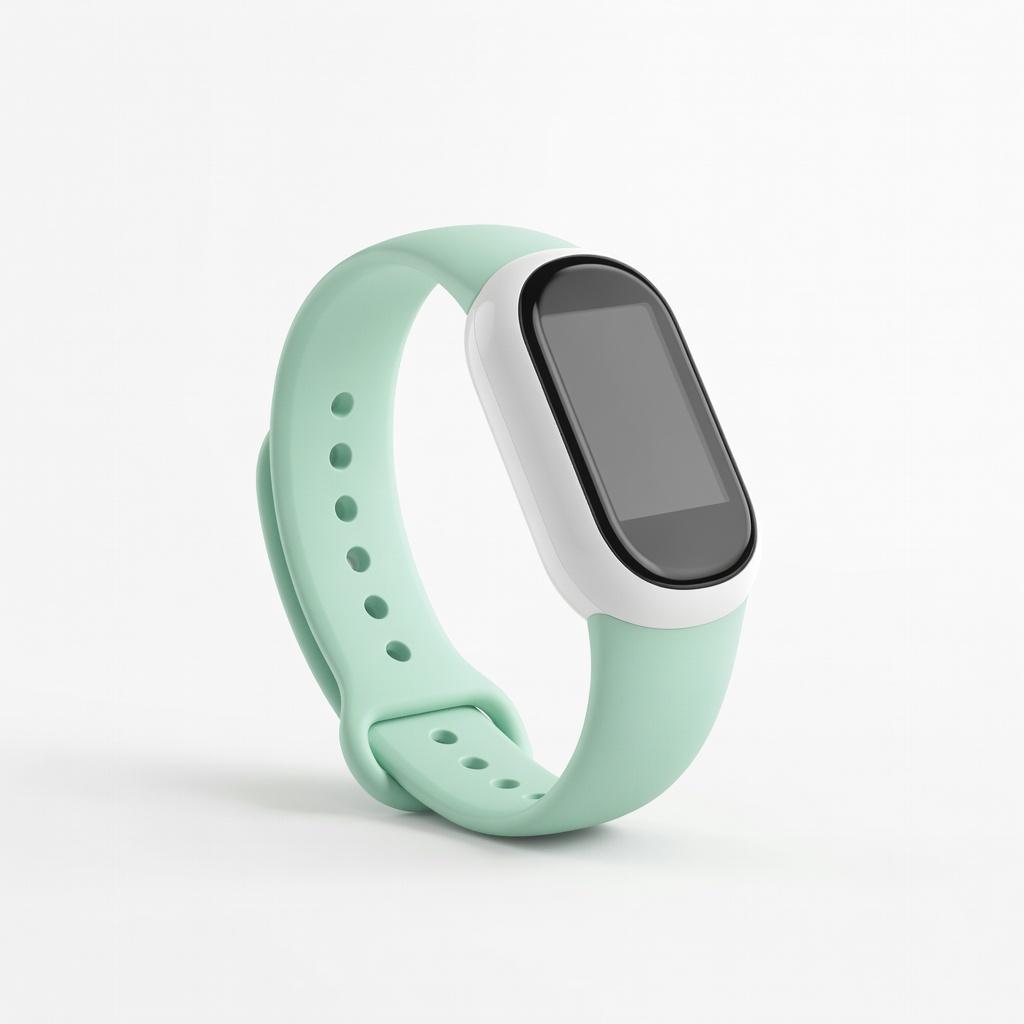
Budget-conscious families with outdoor adventurers.
Wolabi Kids Fitness Tracker Affordable HR + GPS hybrid for precise metrics, phone-free calls add safety.
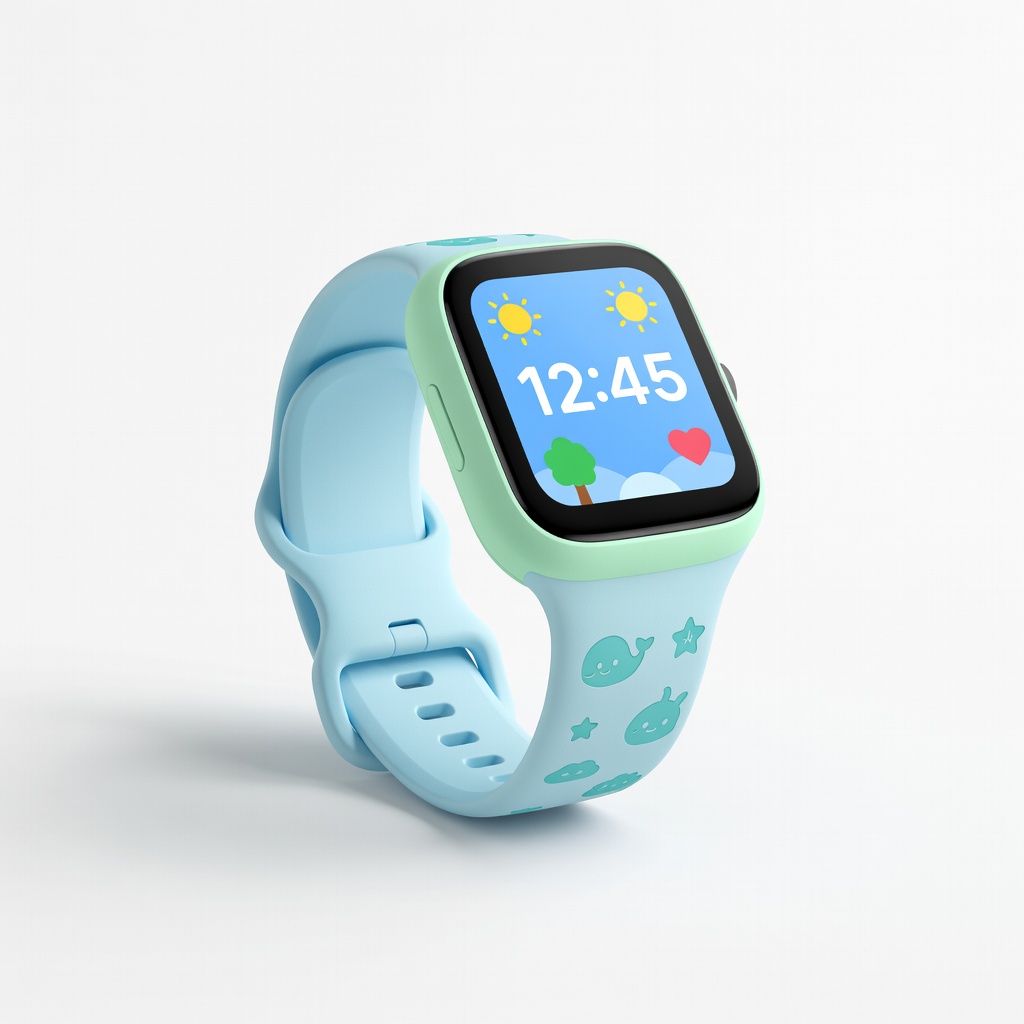
Tweens into sports needing location + health data.
Amazfit Bip 3 Pro (Kid-Friendly) Long battery (14 days), GPS + 60+ sports modes for detailed activity metrics.