
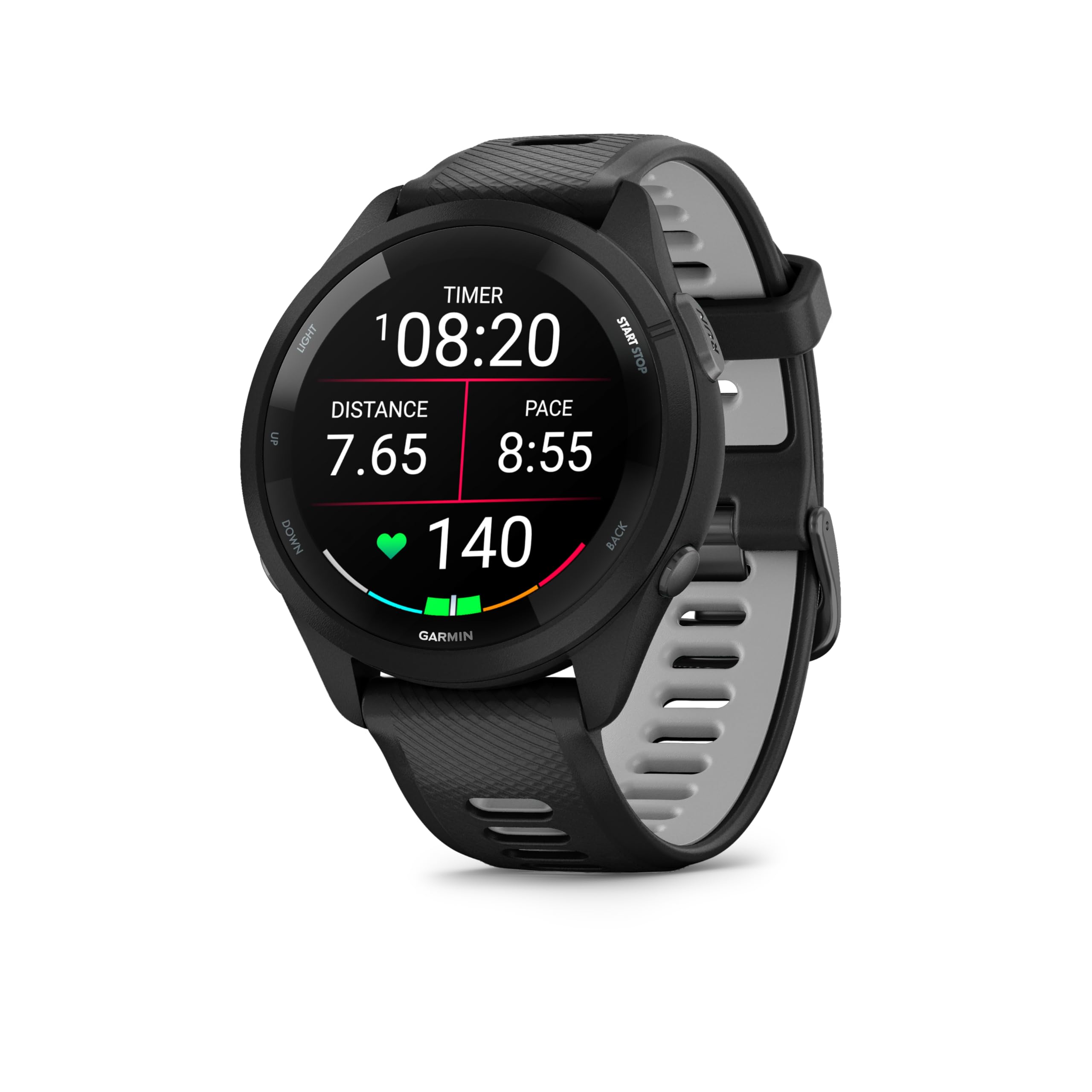
Garmin Forerunner 265
Daily training and marathons—ideal for data nerds.
$450
Garmin Forerunner 265 Superior multi-band GPS, advanced running dynamics, and Firstbeat analytics for precise power/VO2/load metrics.
Get the App
Better experience on mobile
Discover the essential metrics advanced runners need in fitness trackers to optimize training, prevent injury, and track progress accurately.
As an advanced runner, you're not just logging miles—you're fine-tuning pace, monitoring form, and balancing training load to hit peak performance. But with dozens of activity trackers on the market, it's easy to get overwhelmed by flashy features that don't deliver for running. Poor metric accuracy can lead to misguided workouts, overtraining, or even injury.
In this guide, you'll learn the top metrics that truly matter for runners, why they impact your training, and how to evaluate them in trackers. We'll break down each from basics to advanced insights, using real-world examples and benchmarks. Expect to spend 20-30 minutes gaining the knowledge to choose or upgrade your tracker confidently—no fluff, just actionable intel.
By the end, you'll know exactly which specs to prioritize, avoiding common pitfalls like over-relying on basic step counts.
Estimated Time: 20-30 minutes Difficulty: advanced
GPS is the foundation for runners—trackers use multi-band GNSS (GPS, GLONASS, Galileo) for precise distance, pace, and route mapping. For advanced runners, single-band GPS falters in urban canyons or forests (errors up to 5-10%), while dual-band cuts it to <1%. Look for 'All-Systems-On' and map overlays in apps.
Why it matters: Inaccurate distance skews pace (e.g., 5K feels like 4.8K), messing training zones. Expect real-time pace smoothing to avoid wild swings.
Benchmarks: Garmin/Coros excel here; test with a calibrated course.
💡 Tips:
⚠️ Warnings:
Advanced optical HR (e.g., multi-LED, Elevate v4+) tracks zones 1-5 accurately during tempo runs, unlike basic green-light sensors that lag in intervals (10-15 bpm errors). Pairing with a chest strap via ANT+/Bluetooth boosts reliability to 99%.
Critical for runners: HR guides intensity—zone 2 builds aerobic base, zone 5 risks burnout. Metrics like HRV (heart rate variability) predict recovery.
Expect: 24/7 tracking with sleep HR for overtraining flags.
💡 Tips:
Cadence (steps/min, ideal 170-180) and stride length optimize efficiency—trackers with accelerometers/gyros provide these, plus vertical oscillation (ratio <10%) and ground contact time (GCT, <250ms).
Why for advanced: High oscillation wastes energy; short GCT indicates power. Requires compatible accessories like HRM-Run strap.
Data shows: Elite runners hit 180 cadence; use for form drills.
💡 Tips:
⚠️ Warnings:
Power (watts/kg) quantifies effort like cycling—wrist-based (Garmin) or foot-based (Stryd) metrics normalize for terrain/altitude. VO2 max (ml/kg/min) estimates fitness (elite: 70+).
Essential: Power prevents pace deception on hills; VO2 trends race predictors.
Accuracy improves with algorithms like Firstbeat; expect 5% error margin.
💡 Tips:
Metrics like Training Status, Load Focus (anaerobic/aerobic), and Recovery Time (hours) prevent overtraining. Battery: 10+ days GPS-off, 20+ hours GPS-on for ultras.
For runners: Balances volume/intensity; e.g., 80/20 rule. Durability (MIL-STD, 10ATM) handles sweat/mud.
Prioritize ecosystem integration (Strava, TrainingPeaks).
💡 Tips:
⚠️ Warnings:
Cross-reference reviews (DC Rainmaker tests) for real-run validations. Prioritize: GPS (1-2% error), HR (5bpm), Dynamics (pod-required).
Build scorecard: Weight GPS 30%, HR 25%, Dynamics 20%, etc.
Final check: App usability for deep analytics.
💡 Tips:
Problem: GPS drift on first mile
Solution: Warm up satellites 30s pre-start; enable multi-band.
Problem: HR spikes during arms-up strides
Solution: Tighten band 1 finger-width; use strap for runs.
Problem: Short battery on GPS mode
Solution: Disable always-on display; use power-saving modes.
Problem: Inaccurate VO2 max
Solution: Log 3+ outdoor runs >10K; recalibrates automatically.
Superior multi-band GPS, advanced running dynamics, and Firstbeat analytics for precise power/VO2/load metrics.
Best for: Daily training and marathons—ideal for data nerds.
Price Range: $450
Exceptional 38-hour GPS battery, accurate wrist HR/power, and EvoLab recovery metrics at budget price.
Best for: Ultramarathons and value seekers.
Price Range: $229
FuelWise carb tracking, elite HRV/recovery, and robust running power for advanced fueling optimization.
Best for: Ironman triathletes or high-volume runners.
Price Range: $600
Dual-frequency GPS and precise HR for runners in Apple ecosystem, with strong pace/VO2 estimates.
Best for: Casual-advanced runners wanting notifications.
Price Range: $799
Daily training and marathons—ideal for data nerds.
Garmin Forerunner 265 Superior multi-band GPS, advanced running dynamics, and Firstbeat analytics for precise power/VO2/load metrics.
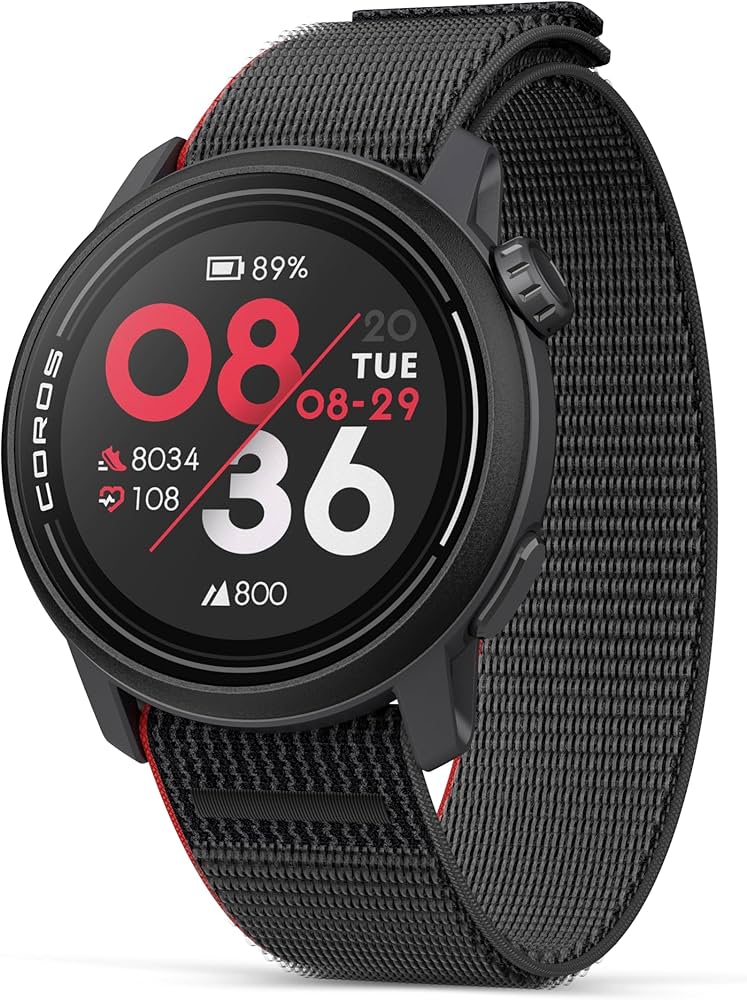
Ultramarathons and value seekers.
Coros Pace 3 Exceptional 38-hour GPS battery, accurate wrist HR/power, and EvoLab recovery metrics at budget price.

Ironman triathletes or high-volume runners.
Polar Vantage V3 FuelWise carb tracking, elite HRV/recovery, and robust running power for advanced fueling optimization.
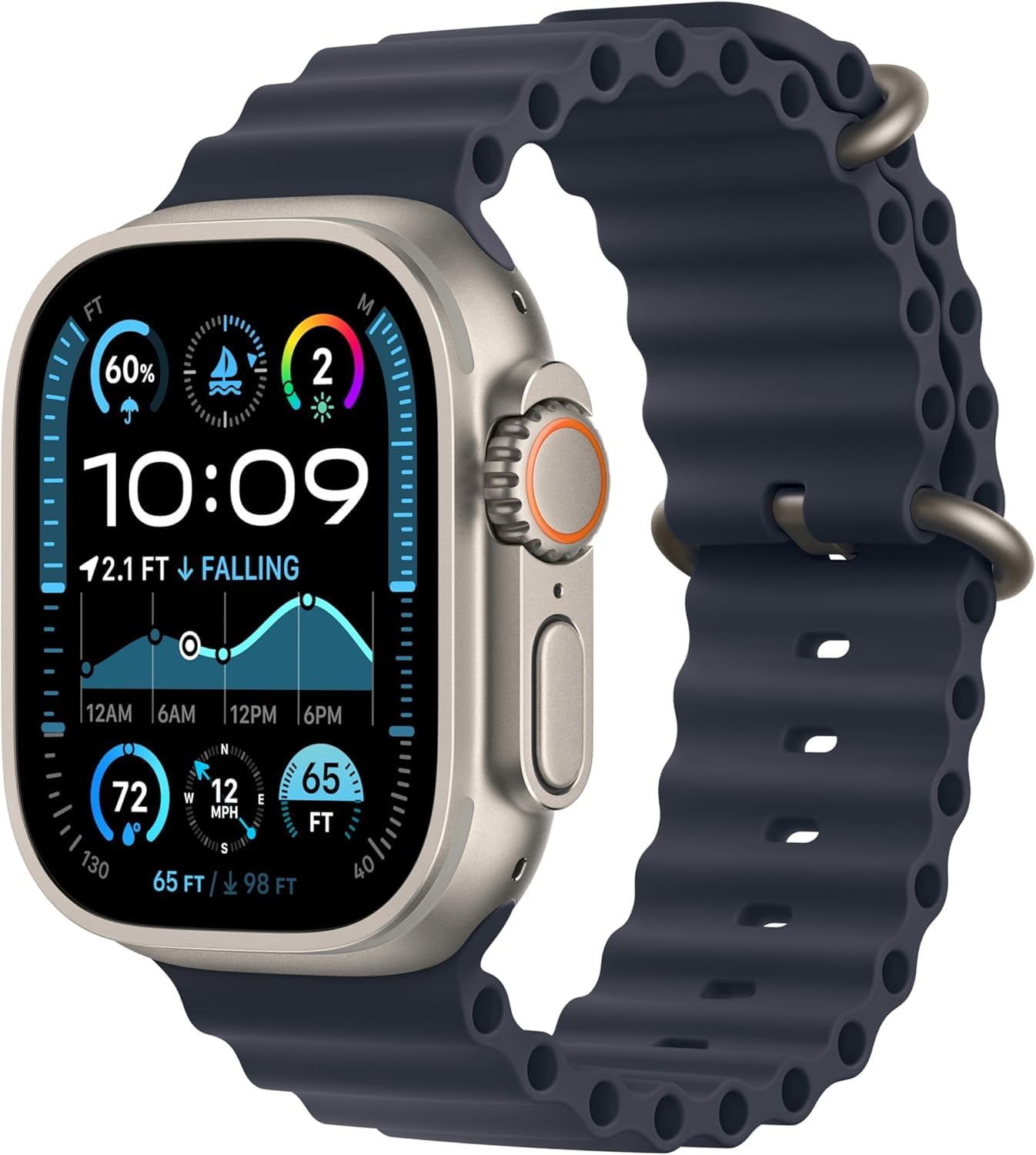
Casual-advanced runners wanting notifications.
Apple Watch Ultra 2 Dual-frequency GPS and precise HR for runners in Apple ecosystem, with strong pace/VO2 estimates.