In an era dominated by minimalist and industrial design, the organic curves and intricate details of Art Nouveau antiques stand out as a refreshing counterpoint. Originating in the late 19th and early 20th centuries, this style has experienced a remarkable revival, with collectors and interior designers alike seeking pieces that blend historical elegance with modern appeal. But what exactly drives this desirability? Whether you're an advanced collector eyeing your next acquisition or simply fascinated by decorative arts, understanding these elements can elevate your appreciation and investment savvy.
This guide breaks down the key reasons behind the enduring allure of Art Nouveau antiques, from their innovative aesthetics to current market dynamics. You'll learn how historical context, craftsmanship, and cultural relevance contribute to their value, empowering you to spot desirable pieces confidently. Expect a deep dive into complex concepts, but we'll keep explanations clear with examples and analogies—no prior expertise beyond basic art history is assumed, though an advanced mindset will help grasp nuances. Reading and reflecting on this should take about 15-20 minutes, leaving you with actionable insights for your collecting journey.
By the end, you'll see why Art Nouveau isn't just a relic of the past but a timeless investment that enhances both personal spaces and portfolios.
▸What You'll Need
- •Prerequisite knowledge: Basic understanding of 19th-20th century European art history (e.g., familiarity with movements like Impressionism or Victorian design)
- •Reference materials: Access to books or online databases on Art Nouveau (optional but recommended for deeper verification)
- •Tools for collectors: A jeweler's loupe or magnifying glass for examining details (required for hands-on evaluation)
- •Online resources: Auction sites like Sotheby's or Christie's for market research (free access)
Estimated Time: 15-20 minutes
Difficulty: advanced
▸Step-by-Step Instructions
Step 1: Grasp the Historical Context
Art Nouveau emerged around 1890 in Europe as a reaction against the rigid, historicist styles of the Victorian era, inspired by natural forms like flowers, vines, and insects. Named after the French phrase for 'new art,' it symbolized modernity and the Industrial Revolution's optimism, with key figures like Alphonse Mucha and Hector Guimard leading the charge. This period's emphasis on beauty in everyday objects—furniture, jewelry, glassware—makes these antiques more than decor; they're cultural artifacts.
Today, their desirability stems from this rebellious origin story. In a world craving authenticity amid mass production, Art Nouveau's handcrafted ethos resonates, evoking an era of artistic innovation. Collectors value pieces from hubs like Paris, Brussels, or Glasgow, where the style flourished briefly (1890-1910) before World War I shifted tastes to modernism.
Expect to appreciate how this short-lived movement's scarcity enhances value—fewer surviving pieces mean higher demand. For advanced learners, consider how it bridged Art Deco, influencing 20th-century design.
💡 Tips:
- •Cross-reference with timelines of related movements like Symbolism for broader context.
⚠️ Warnings:
- •Avoid oversimplifying it as 'flowery decor'—it's a profound artistic philosophy.
Step 2: Examine Iconic Design Elements
At its core, Art Nouveau is defined by sinuous lines, asymmetry, and motifs drawn from nature—think whiplash curves mimicking stems or tendrils. Unlike the straight-edged Gothic Revival, it prioritizes fluidity, as seen in Émile Gallé's glass vases with etched floral patterns or Louis Comfort Tiffany's iridescent lampshades.
These elements make antiques desirable for their visual poetry; they add organic warmth to sterile modern interiors. Analogous to a living sculpture, a piece like a Mucha poster isn't flat—it's dynamic, pulling the eye like a blooming flower. Advanced collectors prize subtle variations, such as Japanese-inspired asymmetry from the ukiyo-e influence.
What to expect: When evaluating, look for harmony between form and function. This integration ensures pieces aren't just pretty but practical, boosting their appeal in functional spaces like dining rooms.
💡 Tips:
- •Use high-resolution photos to trace line quality—authentic curves feel alive, not mechanical.
Step 3: Appreciate Craftsmanship and Materials
Art Nouveau's desirability is amplified by its use of high-quality, innovative materials like opalescent glass, wrought iron, and exotic woods (e.g., mahogany with inlaid ivory). Artisans employed techniques such as cameo glass cutting or enamel cloisonné, demanding skills that modern replicas struggle to match. This level of workmanship—often signed by makers like Daum or Lalique—confers authenticity and longevity.
In today's market, these factors drive value because they represent sustainable luxury; pieces endure without environmental harm, unlike fast fashion. For the advanced eye, imperfections like subtle tool marks signal handcrafting, adding character. Compare it to a Stradivarius violin: the material synergy creates unmatched resonance.
Expect emotional and financial rewards—well-preserved items appreciate 5-10% annually, per recent auction data.
⚠️ Warnings:
- •Beware reproductions using cheap alloys; test with a magnet for iron authenticity.
Step 4: Understand Influence on Modern Design
Art Nouveau's legacy permeates contemporary aesthetics, from Apple's curved iPhone edges to fashion by designers like Alexander McQueen. Its emphasis on nature-inspired forms aligns with eco-conscious trends, making antiques bridges to sustainability. Interior stylists pair them with mid-century modern for eclectic appeal.
Desirability surges because they offer timeless versatility— a Gallé table lamp fits bohemian lofts or minimalist galleries. Advanced collectors note how it prefigured organic modernism, like in Frank Lloyd Wright's works, adding intellectual depth to ownership.
What to expect: Integration into daily life enhances desirability; these aren't museum pieces but lived-in art.
💡 Tips:
- •Study modern reinterpretations, like H&M collaborations, to see enduring motifs.
Step 5: Evaluate Rarity and Provenance
With production limited to 20 years and many pieces lost to time, rarity is a prime driver. Provenance—documented ownership history, like from a notable estate—can double value, as with items from the Bing collection. Auctions show premiums for signed, original works.
For advanced audiences, metrics like condition (e.g., no chips on glass) and origin (French vs. Austrian variants) matter. It's like wine vintages: a 1900 Paris Exposition piece commands more than a later copy.
Expect market volatility, but strong provenance mitigates risks, ensuring desirability in resale.
⚠️ Warnings:
- •Skip unverified eBay deals; always demand certificates.
Step 6: Analyze Current Market Trends
Post-pandemic, Art Nouveau sales rose 20% (per Sotheby's 2023 reports), driven by hybrid work-from-home aesthetics seeking joy. Investment funds now include them for diversification, with entry-level pieces under $1,000 and high-end at $100,000+.
Desirability ties to cultural nostalgia—social media amplifies visibility via #ArtNouveau hashtags. Advanced tip: Track indices like the Mei Moses Art Index for ROI.
What to expect: Growing accessibility through online platforms, but savvy buying preserves value.
💡 Tips:
- •Monitor apps like Artsy for real-time pricing trends.
Step 7: Recognize Cultural and Emotional Significance
Beyond economics, Art Nouveau embodies escapism and femininity, challenging industrialization's grit with beauty. It empowers women collectors, as motifs often celebrate the 'new woman' archetype.
Today, it fosters emotional connections—owning a piece feels like curating history. For advanced enthusiasts, it's a philosophical statement on harmony with nature amid climate concerns.
Expect personal fulfillment: These antiques enrich lives, making desirability holistic.
▸Pro Tips
- •Join collector forums like the Art Nouveau Society for insider provenance tips.
- •Photograph pieces under natural light to assess color vibrancy before purchase.
- •Pair antiques with neutral modern decor to highlight curves without overwhelming.
- •Attend virtual auctions to learn bidding without commitment.
- •Maintain humidity at 40-50% to prevent wood cracking in storage.
- •Use UV-protective cases for glass items to avoid fading.
- •Cross-verify maker marks with specialized apps like those from the Corning Museum.
- •Start with smaller items like jewelry for entry into the market.
▸Common Mistakes to Avoid
- •Ignoring condition reports: Surface scratches can halve value; always inspect in person or via detailed photos.
- •Overvaluing reproductions: Post-1920s copies flood markets; learn signatures to avoid fakes costing thousands.
- •Neglecting maintenance: Dust accumulation dulls finishes; regular gentle cleaning preserves desirability.
- •Chasing trends blindly: Buy for personal taste, not hype, to ensure long-term satisfaction.
- •Forgetting insurance: Unprotected pieces risk total loss; appraise annually.
▸Troubleshooting
Problem: Suspected fake or reproduction
Solution: Consult an expert appraiser or use magnification to check for inconsistent lines; reference books like 'Art Nouveau' by Stephan Tschudi-Madsen for authentication guides. Seek professional certification if value exceeds $500.
Problem: Damage from improper display (e.g., fading colors)
Solution: Relocate to low-light areas and use archival storage; for repairs, hire specialists via the American Institute for Conservation—DIY can worsen issues.
Problem: Difficulty assessing market value
Solution: Use free tools like the WorthPoint database or recent auction comparables; if unsure, hire a certified appraiser for pieces over $1,000.
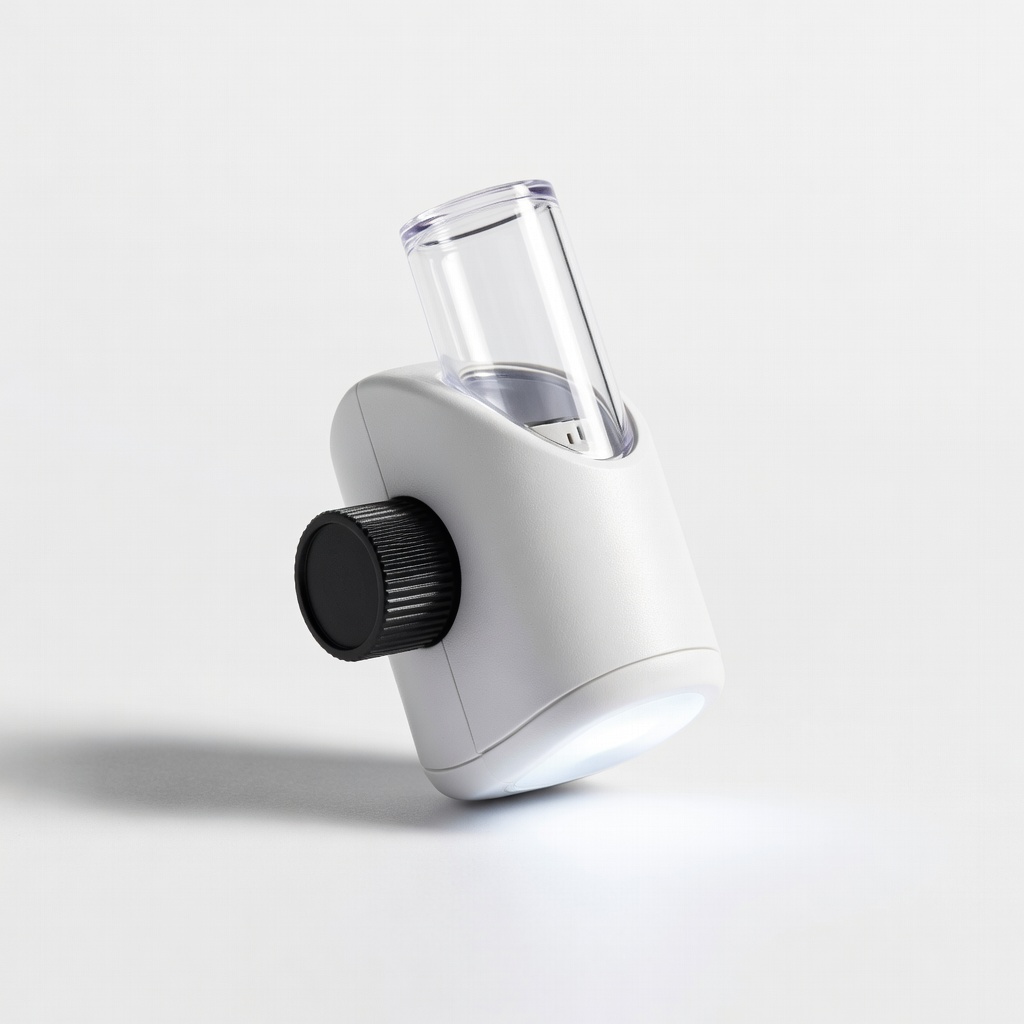
Carson MicroBrite Plus 120x LED Pocket Microscope
Essential for advanced collectors to closely examine intricate details like enamel work or signatures without damaging pieces.
Best for: Use when inspecting potential purchases at markets or auctions to verify authenticity on-site.
Price Range: $9.99
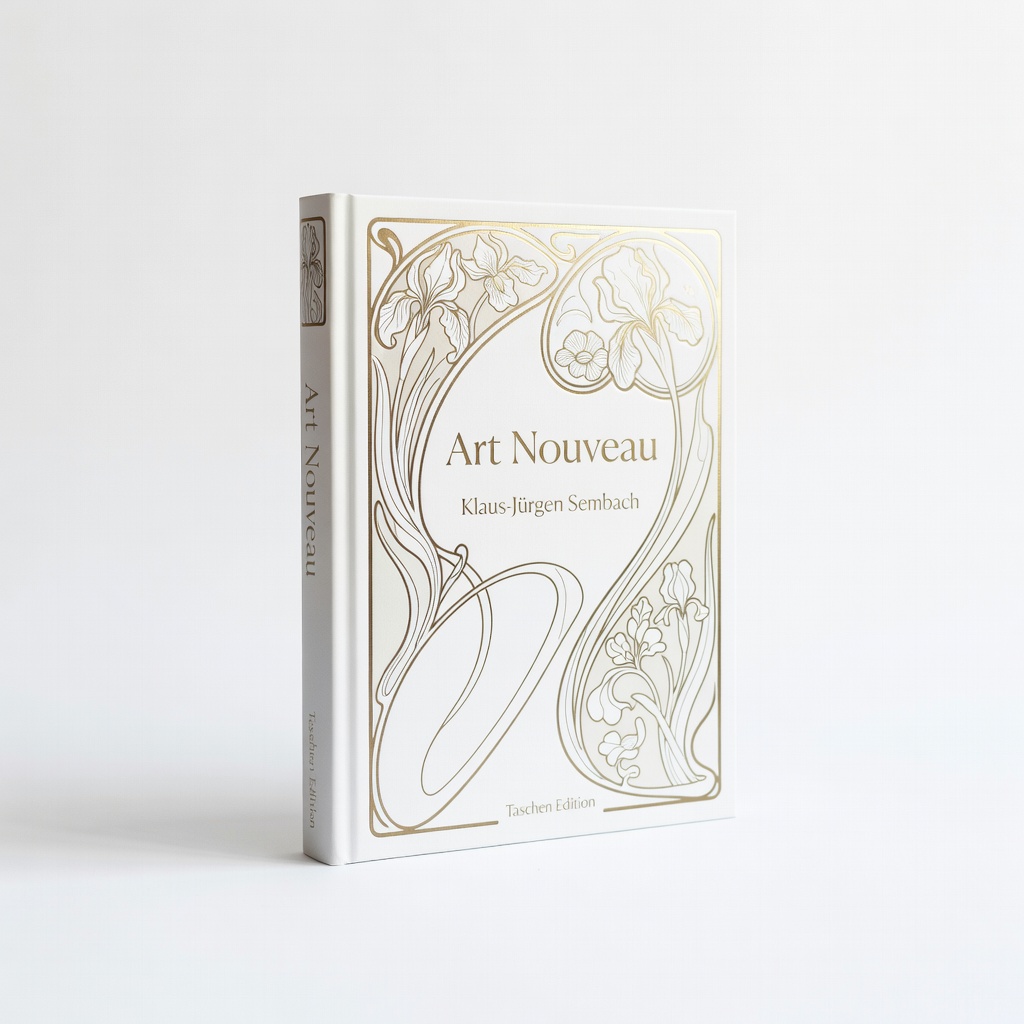
Art Nouveau by Klaus-Jürgen Sembach (Taschen Edition)
Comprehensive reference with high-quality images and historical analysis, ideal for deepening understanding of design elements and makers.
Best for: Reference during research or display to contextualize your collection and spot desirable traits.
Price Range: $19.99
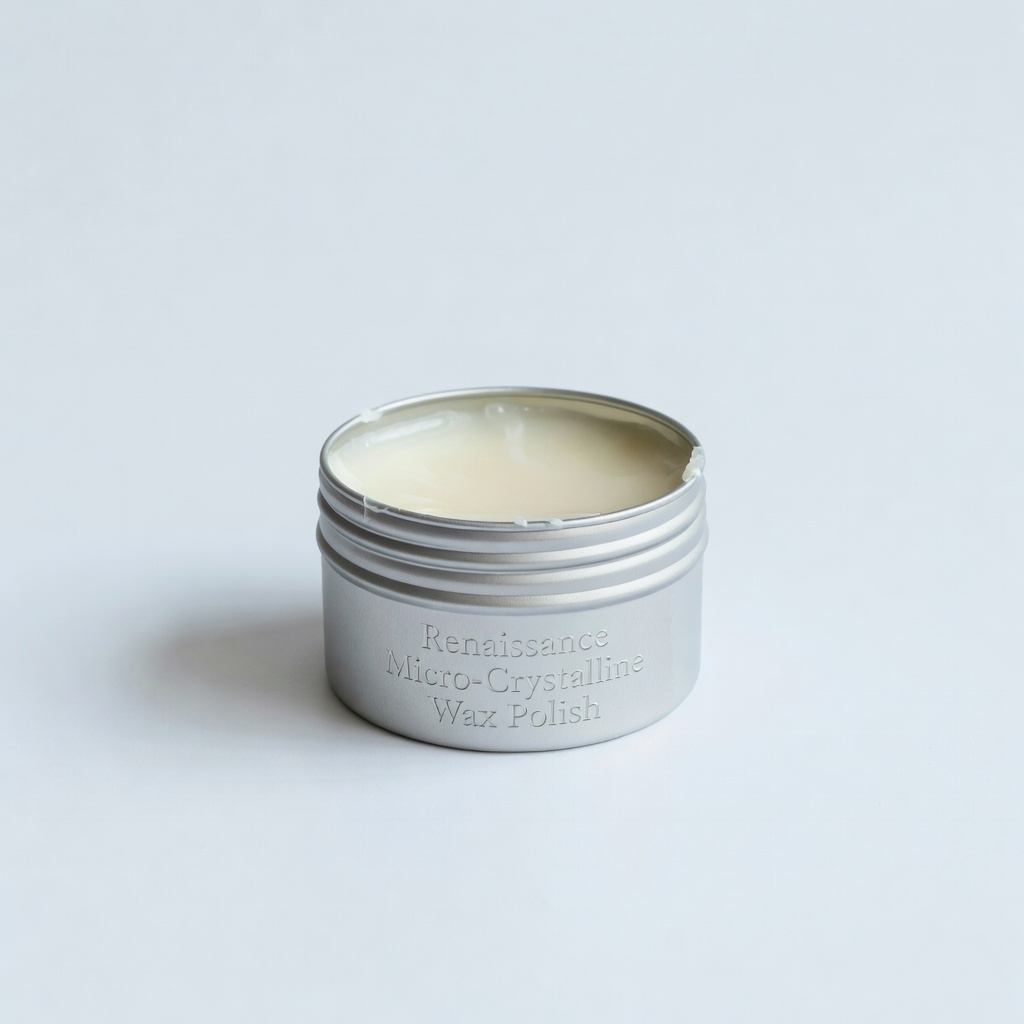
Renaissance Micro-Crystalline Wax Polish
Gentle, archival-safe cleaner for wood and metal antiques, preserving original finishes without harsh chemicals.
Best for: Apply sparingly after acquisitions to maintain luster, especially for furniture or frames.
Price Range: $14.99
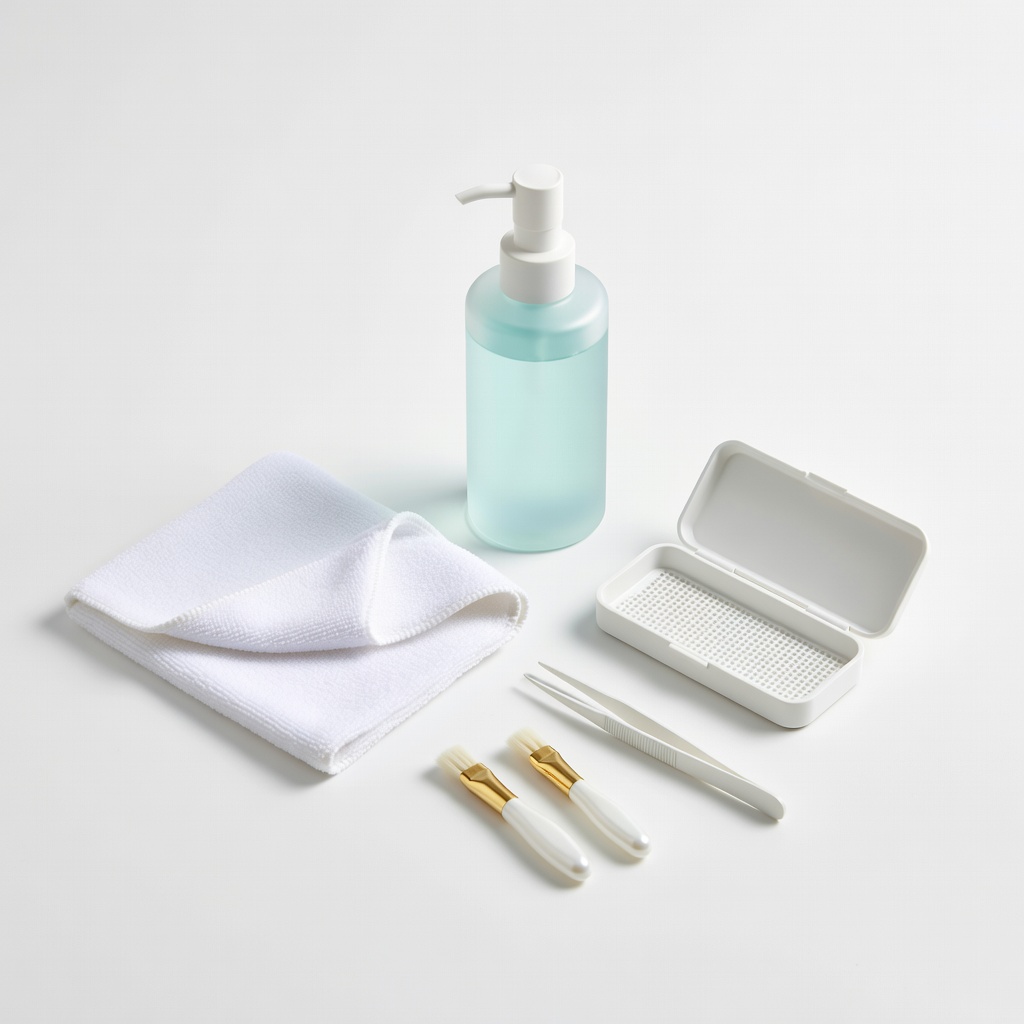
Jewelry Care Cleaning Kit by Connoisseurs
Includes soft cloths and solutions tailored for delicate Art Nouveau jewelry, preventing scratches on gold or enamel.
Best for: Routine maintenance for brooches or pendants to keep them desirable for display or resale.
Price Range: $24.99
UV Protective Acrylic Display Case (12x12 inches)
Shields glass and paper items from light damage while showcasing curves, extending piece longevity.
Best for: Ideal for home display of vases or posters to protect while enjoying aesthetic appeal.
Price Range: $29.99