Art Deco jewelry captivates collectors with its bold geometry and luxurious flair, evoking the glamour of the 1920s and 1930s. But in a market flooded with reproductions, understanding what truly drives its value can mean the difference between a smart investment and a costly mistake. Whether you're eyeing a vintage brooch at an auction or inheriting a family heirloom, knowing the key factors helps you spot gems worth thousands—or avoid fakes.
In this guide, you'll learn the essential elements that determine Art Deco jewelry's value, broken down into clear concepts from history to market trends. We'll explore design, materials, makers, and more, with real-world examples to make it accessible. Expect to gain the knowledge to evaluate pieces like a pro—no prior expertise required beyond basic interest in antiques.
This explainer is designed for intermediate collectors, taking about 15-20 minutes to read. By the end, you'll have a framework to assess value and avoid pitfalls, empowering your next antique hunt.
▸What You'll Need
- •Basic knowledge of 20th-century history (e.g., Roaring Twenties era)
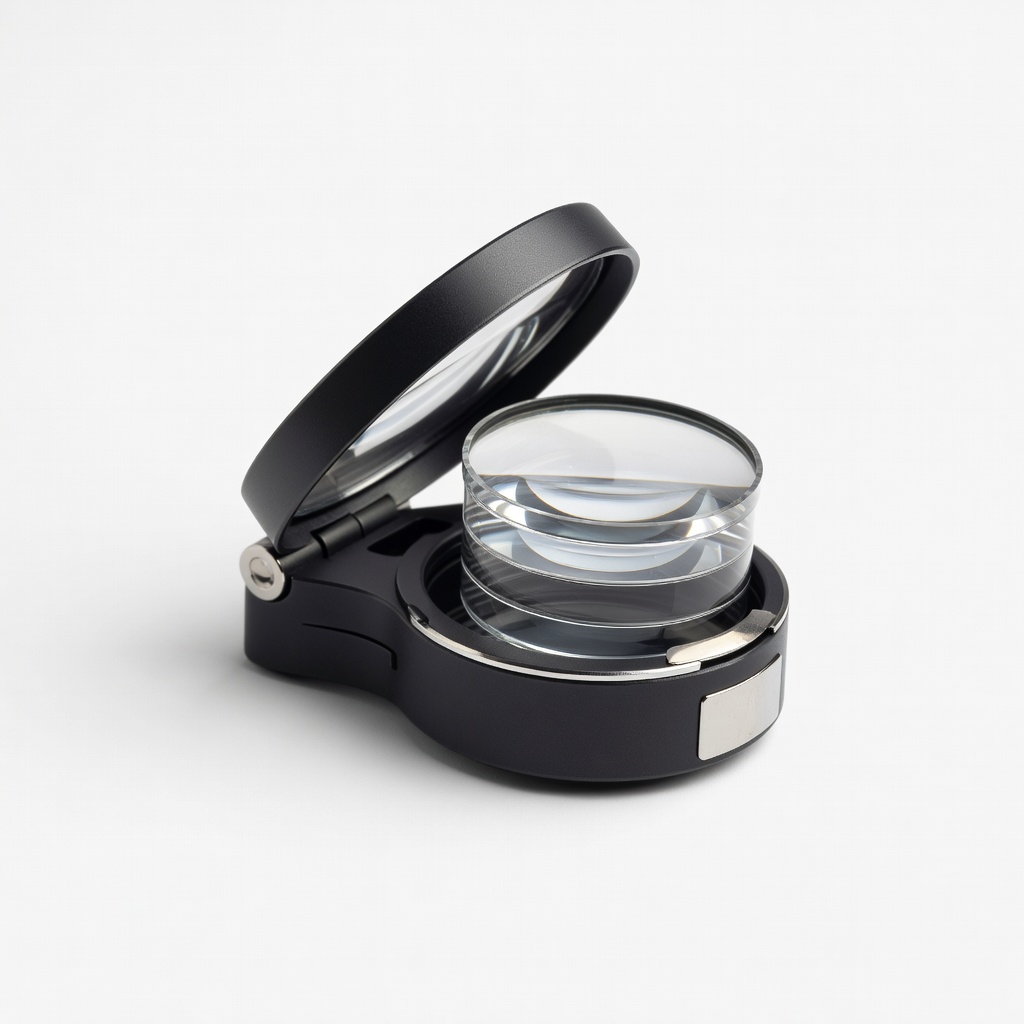
- •Access to a magnifying loupe or smartphone macro lens for close inspection (optional but recommended)
- •Internet access for researching makers and auction records
- •A notebook for jotting down observations on pieces
Estimated Time: 15-20 minutes
Difficulty: intermediate
▸Step-by-Step Instructions
Step 1: Grasp the Historical Context
Art Deco jewelry emerged between the World Wars (roughly 1920-1940), inspired by the exuberance of the Jazz Age and global influences like ancient Egyptian motifs from Tutankhamun's tomb discovery in 1922. This era's value stems from its cultural snapshot: a rebellion against Edwardian frills, embracing modernity, speed, and luxury amid economic boom and bust.
Why it matters: Pieces tied to this pivotal time carry historical premium. For example, a 1925 necklace reflecting Egyptian revival might fetch more than a generic geometric one due to its timely relevance. Expect to see value influenced by provenance—items from the 1925 Paris Exposition are prized.
To evaluate, research the piece's era via hallmarks or style cues. This foundation sets the stage for deeper analysis.
💡 Tips:
- •Cross-reference with timelines of events like the 1929 crash to contextualize economic influences on production.
⚠️ Warnings:
- •Don't assume all geometric jewelry is Art Deco; Victorian pieces can mimic styles—check dates.
Step 2: Identify Iconic Design Elements
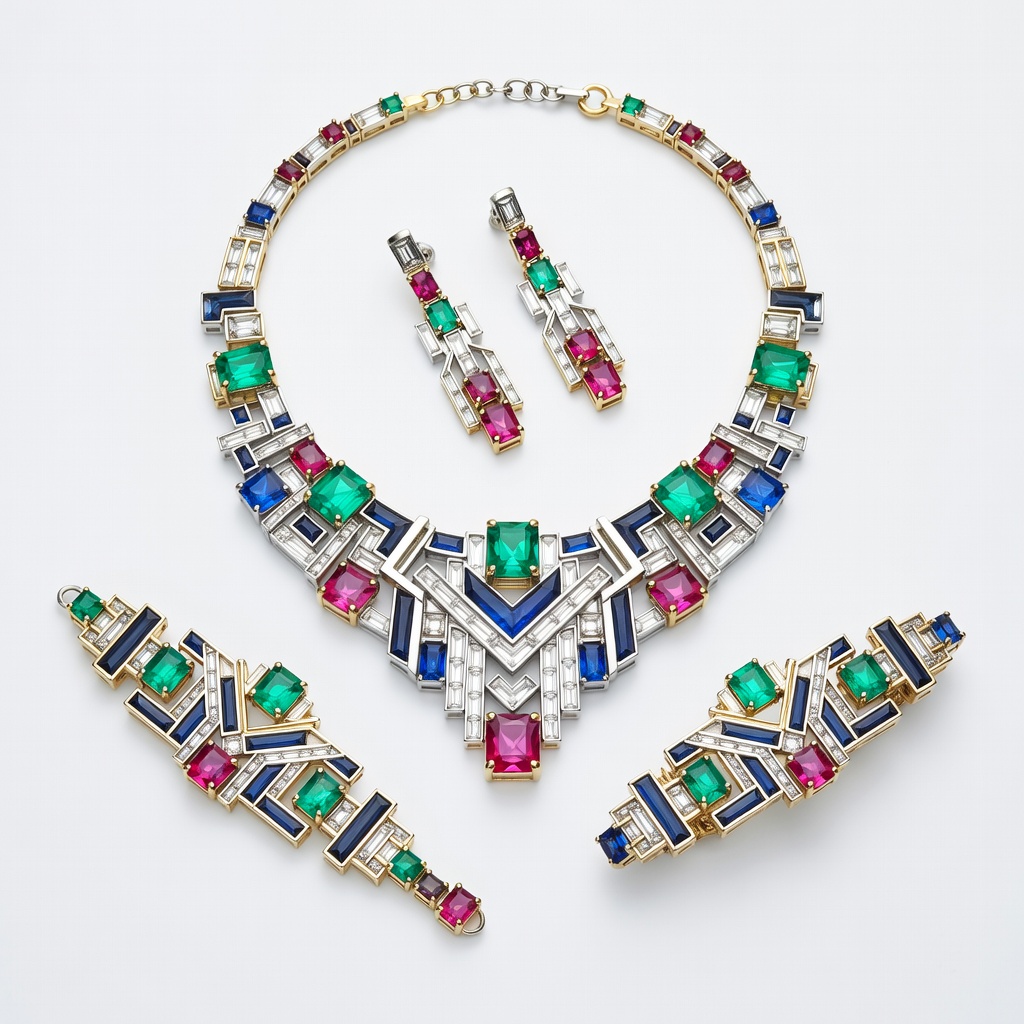
Art Deco's hallmark is bold, symmetrical geometry—think zigzags, chevrons, and stepped motifs—often combined with stylized flora or fauna. Unlike flowing Art Nouveau, it's angular and machine-age inspired, symbolizing progress.
These designs drive value because they define authenticity; a well-executed platinum bracelet with onyx inlays from the 1930s can command $5,000+ at auction due to its purity. Expect variations: early pieces (1920s) are more exuberant, while 1930s lean Hollywood glamour with larger scales.
Examine for symmetry and innovation; poor proportions signal reproductions. This step reveals if the piece embodies the style's essence.
💡 Tips:
- •Use analogies like comparing designs to skyscrapers (e.g., Chrysler Building curves) for easier visualization.
⚠️ Warnings:
- •Avoid mistaking costume jewelry's Bakelite for true Deco—feel for weight and heft.
Step 3: Evaluate Materials and Craftsmanship
High-value Art Deco uses platinum, white gold, diamonds (often baguettes or calibré-cut), and colored gems like sapphires or emeralds. Enameling and rock crystal add opulence, showcasing jewelers' technical prowess.
Craftsmanship matters: Hand-set stones versus machine-made indicate quality. A Cartier piece with flawless pavé diamonds might value at $10,000+, while flawed settings drop it to hundreds. Expect patina on metals—aged but not damaged boosts appeal.
Inspect under magnification for claw settings and polish; superior work endures, preserving value over decades.
💡 Tips:
- •Test gold hallmarks (e.g., 18k) with a loupe; platinum often unmarked but denser than gold.
⚠️ Warnings:
- •Beware of filled gold or synthetic stones—use UV light to check diamond fluorescence.
Step 4: Recognize Signature Makers and Brands
Elite houses like Cartier, Van Cleef & Arpels, and Boucheron elevate value through prestige. Their Mystery Set technique (invisible gem settings) or Tutti Frutti motifs are signatures of innovation.
A signed piece from these makers can multiply value 5-10x; e.g., a Van Cleef bracelet might sell for $50,000 versus $5,000 unsigned. Lesser-known but quality makers like Black Starr & Frost add value too.
Look for engravings or stamps; authentication via brand archives confirms origin, crucial for insurance and resale.
💡 Tips:
- •Consult brand-specific books or sites like 1stdibs for signature examples.
⚠️ Warnings:
- •Fakes often forge signatures—verify with experts if unsigned but styled correctly.
Step 5: Assess Condition and Provenance
Impeccable condition—minimal scratches, intact stones—preserves value; restored pieces lose 20-50%. Provenance, like exhibition history or celebrity ownership, adds intangible worth.
A necklace with original box and photos might premium 30% more. Expect wear from era use, but chips devalue.
Document chain of ownership; this builds trust in sales, turning a $2,000 piece into $3,500 with papers.
💡 Tips:
- •Photograph details before cleaning to track changes.
⚠️ Warnings:
- •Over-cleaning erodes patina—seek professional restoration.
Step 6: Factor in Rarity and Market Demand
Unique or limited-production items, like one-off designs, command premiums; common styles in good supply are less valuable. Current trends, like renewed 1920s interest via media, boost demand.
Auction data (e.g., Christie's sales) shows rare pieces hitting $100,000+. Expect fluctuations—post-2020, Deco surged 15% in value.
Research comps on sites like Heritage Auctions to gauge market; this final lens ties all factors together.
💡 Tips:
- •Track sales on eBay or Sotheby's for real-time pricing.
⚠️ Warnings:
- •Don't chase hype—focus on intrinsic quality over trends.
▸Pro Tips
- •Start evaluations with photos under natural light to spot inconsistencies early.
- •Join collector forums like Ruby Lane for peer insights on undervalued makers.
- •Use apps like WorthPoint for quick historical pricing lookups.
- •Attend virtual auctions to learn bidding dynamics without risk.
- •Preserve pieces in acid-free boxes to maintain condition over time.
- •Compare similar items across eras to hone your style recognition.
- •Consult free online resources from the Gemological Institute of America (GIA) for gem ID tips.
▸Common Mistakes to Avoid
- •Overvaluing based on size alone: Large pieces aren't always rarer—focus on design quality.
- •Ignoring reproductions: Post-1940s copies flood markets; always check for era-specific hallmarks.
- •Neglecting condition details: Minor chips can halve value—inspect thoroughly.
- •Forgetting market context: Trends shift; a hot piece today might cool tomorrow without strong fundamentals.
- •Skipping authentication: Unsigned doesn't mean fake, but pros confirm true worth.
▸Troubleshooting
Problem: Suspect a piece is a fake or reproduction
Solution: Compare hallmarks and weight to authentic examples; consult a certified appraiser from the American Society of Appraisers. If needed, send for X-ray fluorescence testing at a gem lab.
Problem: Unclear on gem authenticity (e.g., real diamonds vs. pastes)
Solution: Use a diamond tester tool or loupe for inclusions; professional grading from GIA provides certification. Avoid DIY tests like scratching glass, as they damage pieces.
Problem: Value seems inconsistent across sources
Solution: Cross-check multiple auction houses and adjust for condition/location. For discrepancies over 20%, seek a second appraisal from an independent expert.
BelOMO 10x Triplet Loupe Magnifier
Essential for inspecting hallmarks, settings, and gem quality up close, helping spot authentic Art Deco details without damaging pieces.
Best for: Use during initial evaluations or at flea markets to verify craftsmanship on the spot.
Price Range: $15-$20
Art Deco Jewelry: Modernist Diamonds and Colored Gems by Michael K. McLeod
This comprehensive book provides in-depth photos and valuation guides for makers and styles, building your expertise beyond basics.
Best for: Reference for home study or comparing your collection to authenticated examples.
Price Range: $40-$50
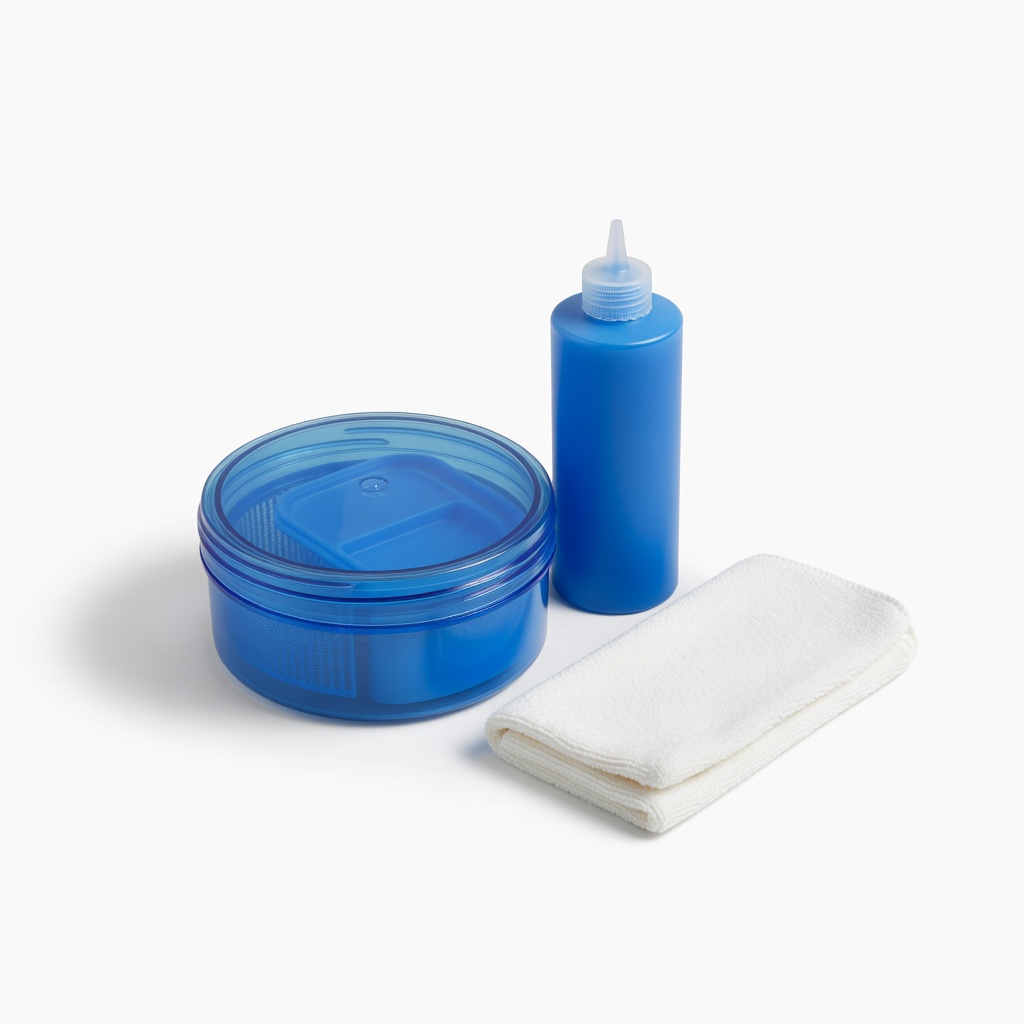
Connoisseurs Jewelry Cleaner Kit
Safe for delicate Art Deco metals and gems, it helps maintain condition without harsh chemicals that could devalue pieces.
Best for: Gentle cleaning before appraisal to reveal true shine, but test on small areas first.
Price Range: $10-$15
WorthPoint Membership (Digital Access)
Unlimited access to 400+ million antiques prices, ideal for researching Art Deco comps and avoiding overpayment.
Best for: Quick searches during buying decisions or inventory assessments.
Price Range: $20/month
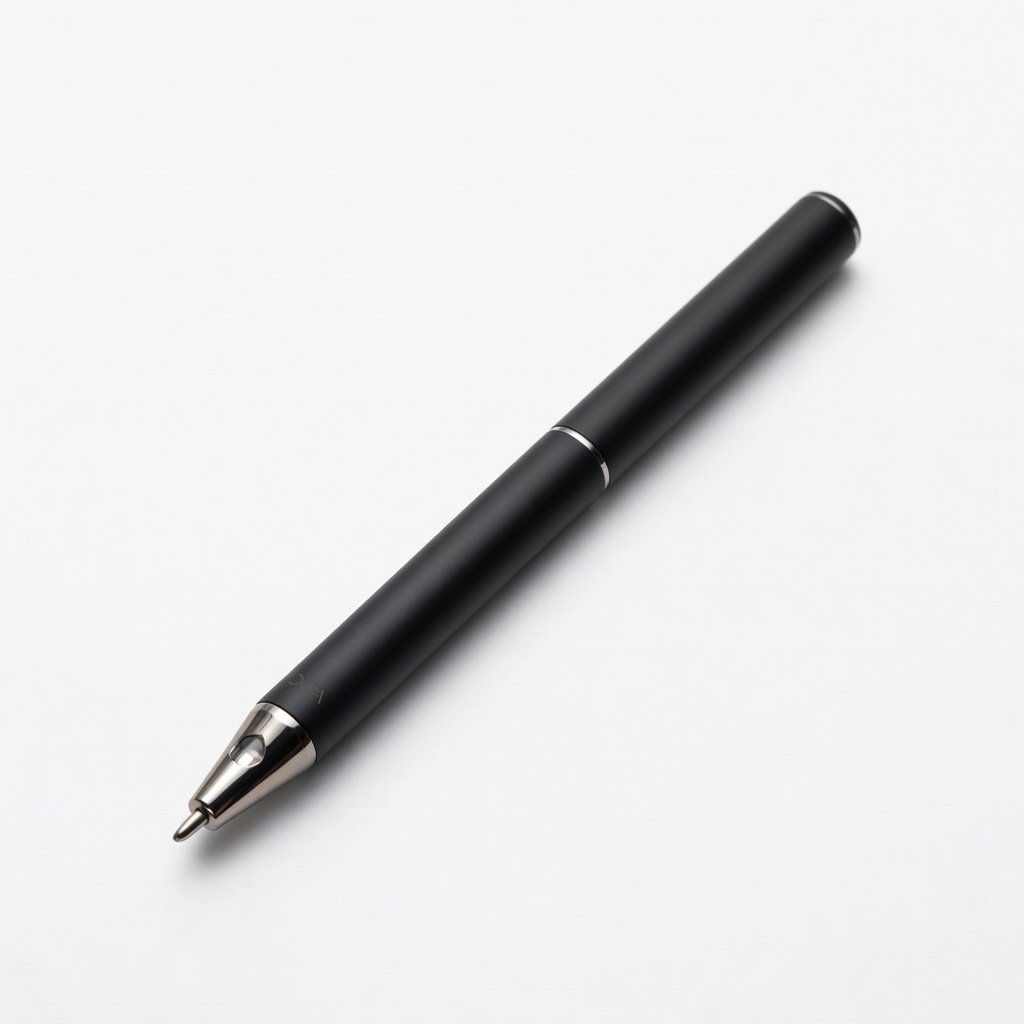
DCA Diamond Tester Pen
Portable tool to distinguish real diamonds from simulants in Art Deco settings, ensuring accurate material valuation.
Best for: Field testing at auctions or estate sales for immediate confidence.
Price Range: $25-$30