Have you ever stepped out of the shower to find your bandage soaked and peeling off? It's frustrating, especially when you're trying to keep a cut clean and protected. Traditional bandages fail in water because they aren't designed for it, but waterproof adhesive bandages change the game by staying secure during swimming, showering, or handwashing.
In this guide, you'll learn the key materials and technologies that make bandages waterproof, from adhesives to absorbent cores. We'll break it down simply with analogies and examples, so even beginners can grasp it. No prior knowledge needed – just 10 minutes to read and understand.
By the end, you'll know how to spot truly waterproof bandages and why some 'water-resistant' claims fall short.
▸What You'll Need
- •No tools or materials required
- •Optional: A waterproof bandage (like Band-Aid Hydro Seal) to examine up close
- •Basic curiosity about everyday science
Estimated Time: 10-15 minutes
Difficulty: beginner
▸Step-by-Step Instructions
Step 1: Understand Basic vs. Waterproof Bandages
Start with the basics: Regular adhesive bandages have a cotton or gauze pad, fabric or plastic backing, and simple glue. They absorb water like a sponge, causing the adhesive to weaken and the bandage to fall off.
Waterproof bandages use specialized materials to block water entirely. Think of it like a raincoat – the outer layer repels water, while the inside stays dry. This matters because it keeps wounds sterile and promotes faster healing without daily changes.
Expect to see claims like '100% waterproof' on packaging, but we'll reveal what that really means.
💡 Tips:
- •Compare labels side-by-side at the store for quick learning.
Step 2: Examine the Waterproof Backing Material
The backing is the bandage's shield. In waterproof versions, it's made from thin polyethylene or polyurethane films – flexible plastics that don't let water pass through, unlike porous fabric.
Analogy: Imagine plastic wrap on food versus paper towel. The film creates a vapor-permeable barrier: water stays out, but moisture from the wound can escape to prevent maceration (skin softening from trapped wetness).
This layer is clear or opaque and stretches without tearing.
⚠️ Warnings:
- •Avoid confusing 'water-resistant' fabric bandages, which only handle splashes.
Step 3: Discover the Water-Resistant Adhesive
Adhesives in waterproof bandages use synthetic acrylic copolymers or silicone gels instead of natural rubber glues. These bond strongly to skin even when wet, like how waterproof glue holds tiles in showers.
Why it matters: Water dilutes regular adhesives, but these maintain stickiness via chemical bonds that repel water molecules. They're also hypoallergenic for sensitive skin.
Expect gentle removal without pulling hairs.
💡 Tips:
- •Test adhesion by pressing on dry skin first.
Step 4: Explore the Absorbent Pad Technology
The pad isn't plain cotton; waterproof bandages use hydrocolloid gels or polymer foams. These absorb wound fluid (exudate) up to 10x their weight without dissolving in water.
Example: Band-Aid Hydro Seal uses a gel that turns exudate into a protective gel, sealing the wound like a second skin. It cushions and reduces pain while staying dry outside.
This prevents bacterial entry from shower water.
Step 5: Learn About Edge Sealing and Conformability
Waterproofing fails if edges lift, so bandages have a continuous seal where adhesive meets backing. Some add a thin gel border for extra grip.
They're highly conformable, molding to joints like knuckles without gaps – think flexible phone screen protectors.
Result: No water seepage even during movement.
💡 Tips:
- •Apply to clean, dry skin for best seal.
⚠️ Warnings:
- •Don't stretch too much during application or edges may gap.
Step 6: See How Manufacturing Ensures Waterproofing
Bandages undergo water submersion tests (e.g., ASTM standards) for 24+ hours. Layers are laminated under heat/pressure for airtight bonds.
Some use nanotechnology coatings for super-repellency, beading water like lotus leaves.
This quality control guarantees claims.
Step 7: Test Waterproof Claims Yourself
Drop a bandage in water for 5 minutes: Waterproof ones float intact; others sink and delaminate.
Why test? Packaging varies – 'showerproof' might mean 10 minutes max. True waterproof lasts hours.
Pro move: Wear during a shower to verify.
💡 Tips:
- •Document with photos for kids' science projects.
▸Pro Tips
- •Pat skin dry before applying for 2x better adhesion.
- •Choose sizes matching wound to avoid overhang failure.
- •For active use, opt for hydrocolloid over film-only.
- •Store in cool, dry place to preserve adhesive.
- •Replace after 24-48 hours or if edges lift.
- •Use on minor cuts only; deep wounds need medical tape.
- •Pair with antibiotic ointment inside for extra protection.
▸Common Mistakes to Avoid
- •Assuming all 'flexible' bandages are waterproof – check for film backing.
- •Applying to wet skin, causing instant peel-off.
- •Overstretching during application, creating water entry gaps.
- •Ignoring expiration dates, weakening adhesives.
- •Using on hairy areas without trimming, reducing seal.
▸Troubleshooting
Problem: Bandage peels in shower after 5 minutes
Solution: Skin wasn't dry; reapply after thorough drying. Switch to hydrocolloid type.
Problem: Irritation or itching under bandage
Solution: Adhesive allergy – try silicone-based. Remove and air out wound.
Problem: Water seeps under edges during swimming
Solution: Use larger size or medical tape overlay. Avoid for full immersion >1 hour.
Problem: Pad feels soggy outside
Solution: Not truly waterproof – return and buy tested brands like Nexcare.
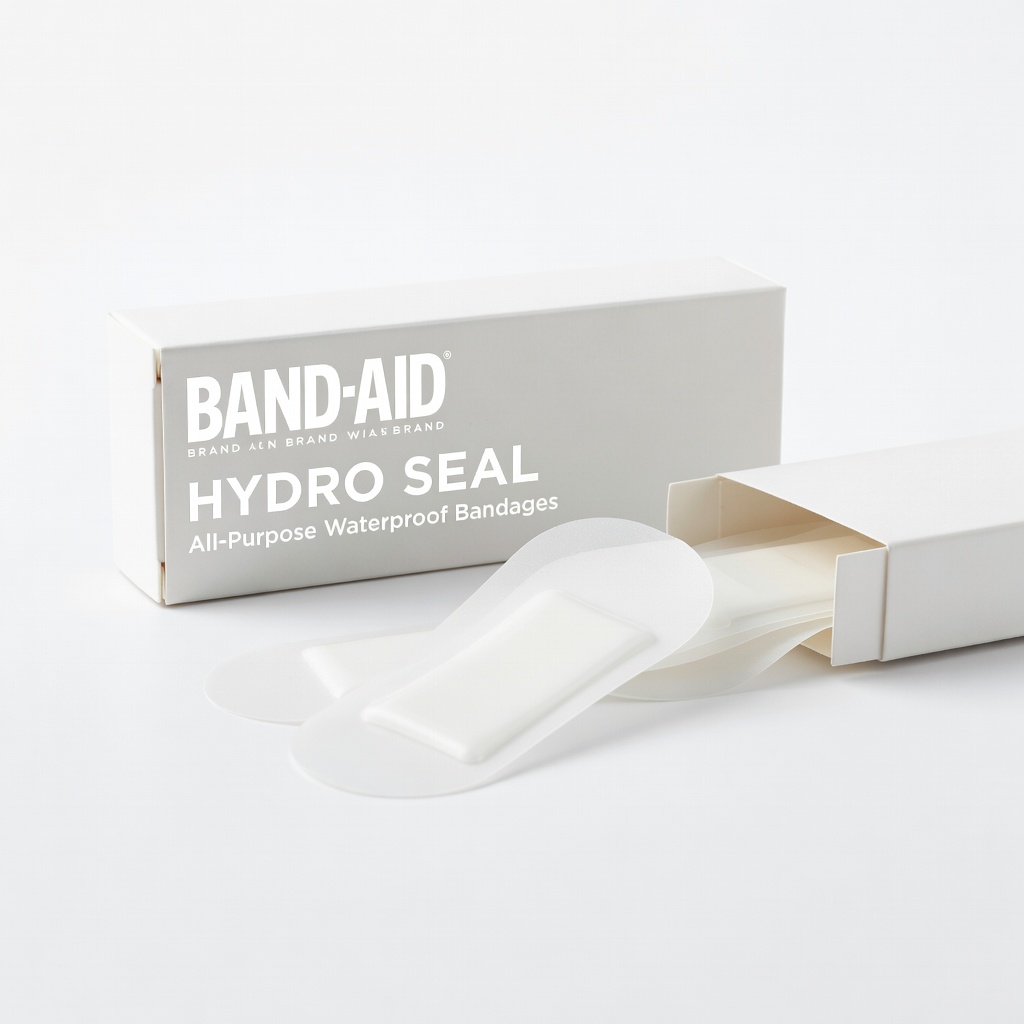
BAND-AID Brand HYDRO SEAL All-Purpose Waterproof Bandages
Uses advanced hydrocolloid gel that seals wounds and repels water completely, lab-tested for 6+ hours submersion.
Best for: Ideal for everyday cuts needing shower/swim protection.
Price Range: $6.99-$8.99
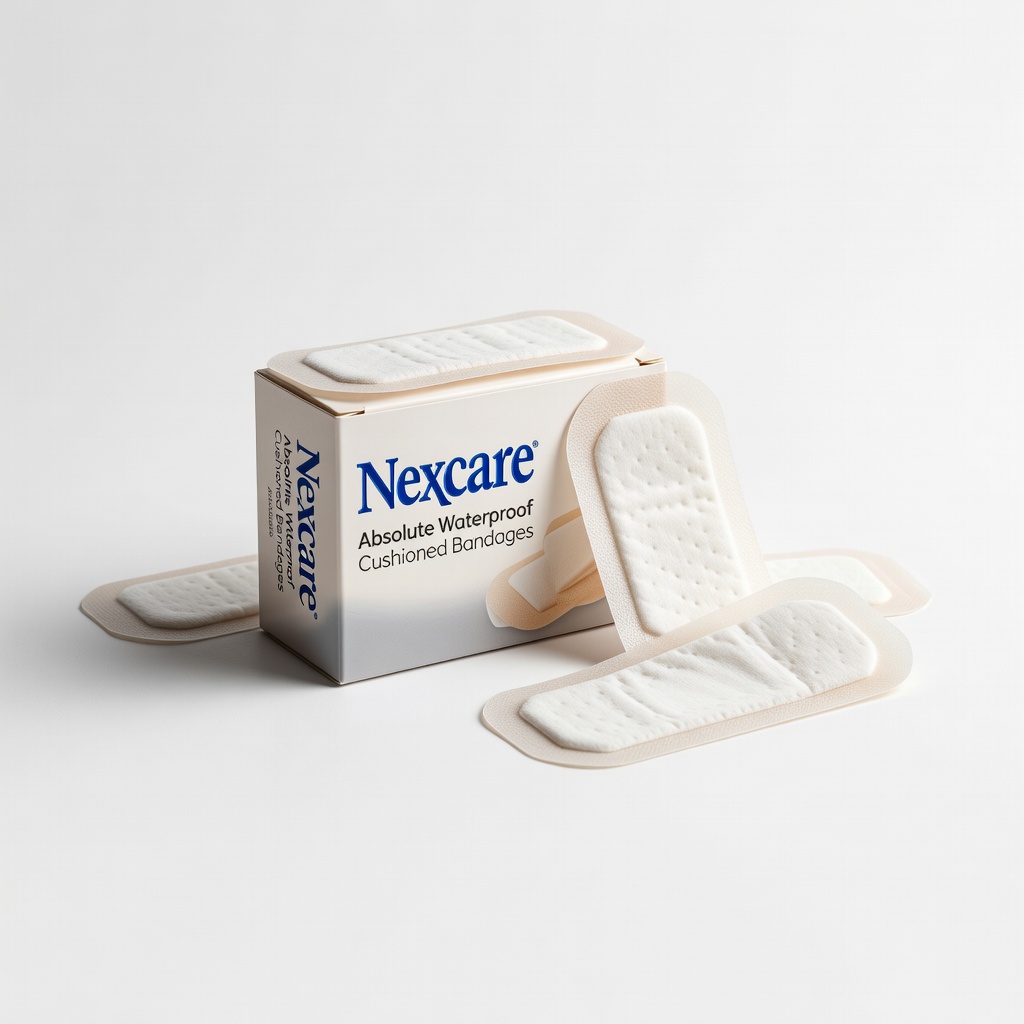
Nexcare Absolute Waterproof Cushioned Bandages
Clear film backing with strong acrylic adhesive; clinically proven to stay on in water without edge lift.
Best for: Great for fingers/knuckles during handwashing or light water exposure.
Price Range: $4.49-$5.99
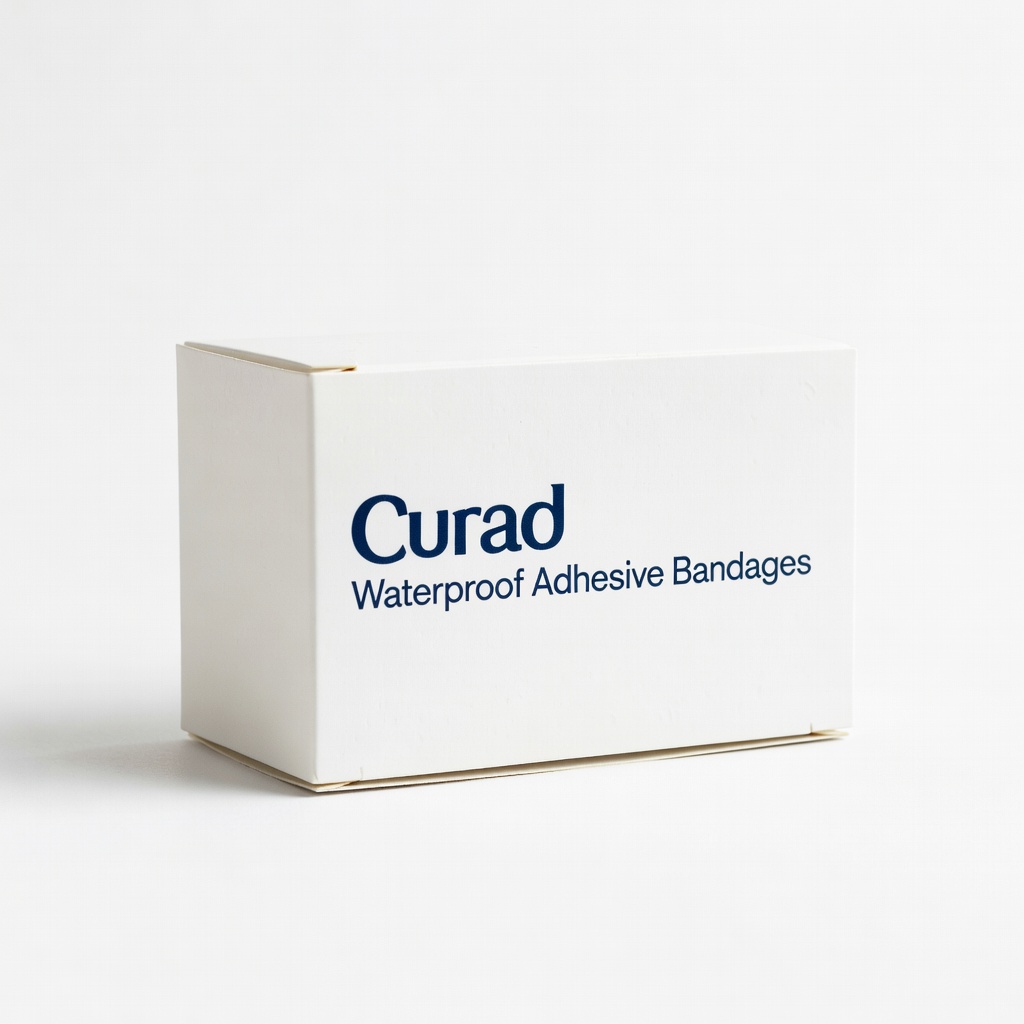
Curad Waterproof Adhesive Bandages
Affordable polyethylene film with polymer pad; resists water for up to 72 hours on minor wounds.
Best for: Budget option for family first aid kits.
Price Range: $3.99-$5.49
3M Tegaderm Transparent Film Dressing
Medical-grade polyurethane film; 100% waterproof, breathable, and sterile for sensitive skin.
Best for: Professional-level for post-surgery or larger areas.
Price Range: $10-$15