
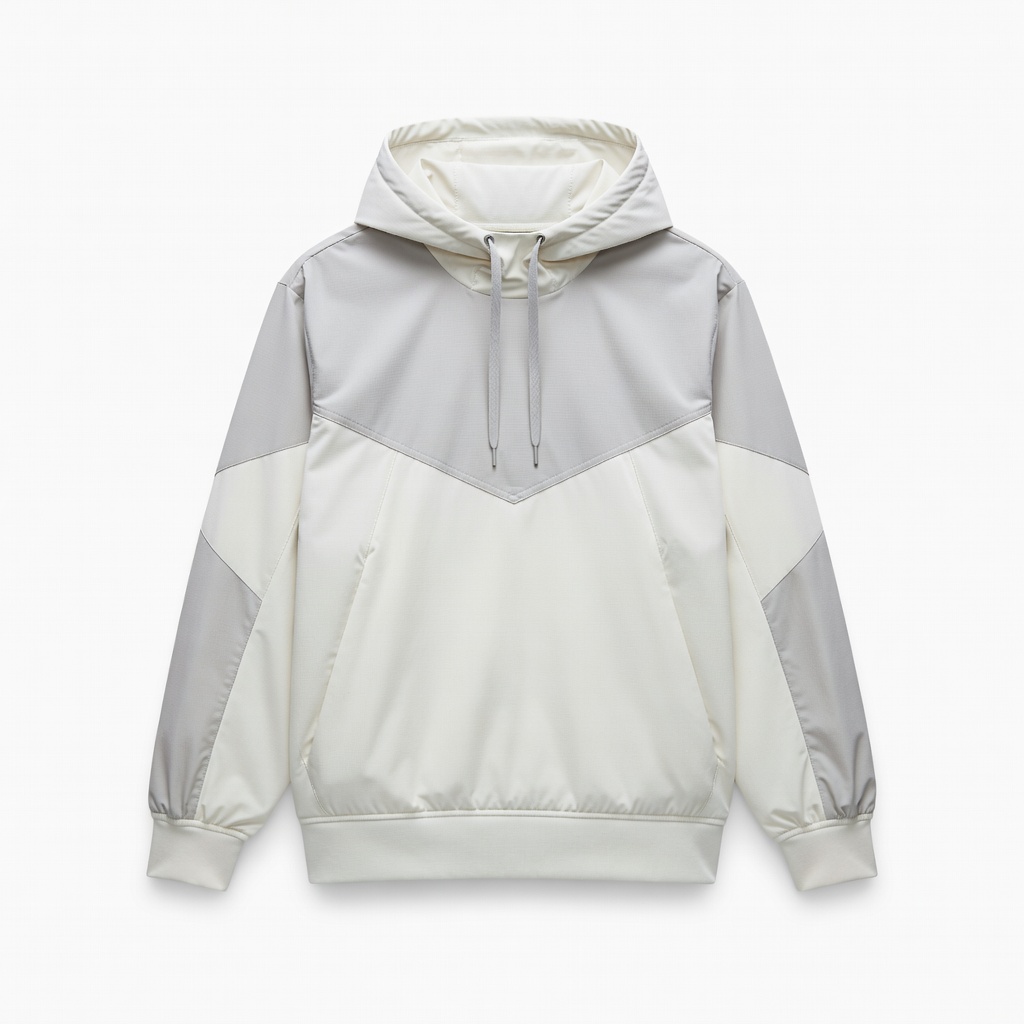
Nike Sportswear Windrunner Hoodie
Perfect for running or cycling in moderate winds up to 25 mph.
$55-$65
Nike Sportswear Windrunner Hoodie Iconic WindRunner fabric blocks wind with nylon shell and breathable mesh lining, proven over decades.
Get the App
Better experience on mobile
Unlock the fabrics, tech, and designs that block wind chills so you stay warm and focused during runs, hikes, or workouts.
Imagine heading out for a brisk run or hike, only to have gusty winds slice through your hoodie like a knife, turning a comfortable layer into a liability. Windproof active hoodies solve this by using specialized materials and construction to resist airflow, keeping your core temperature stable without sacrificing mobility or breathability. This is crucial for intermediate athletes who train outdoors year-round.
In this guide, you'll learn the science behind windproofing—from fabrics and weaves to advanced coatings and testing standards. By the end, you'll confidently spot true windproof features on labels and product specs. No hands-on tools needed; it's all about understanding concepts in 10-15 minutes.
We'll break it down step-by-step, from basics to real-world application, so you can evaluate hoodies like a pro.
Estimated Time: 10-15 minutes Difficulty: intermediate
Windproofing starts with blocking air permeability—the rate at which wind passes through fabric. Measured in CFM (cubic feet per minute), lower CFM means better wind resistance (under 10 CFM is excellent for active hoodies). Unlike waterproofing, which seals water, windproofing focuses on stopping convective cooling from airflow.
Think of it like a sieve: loose weaves let wind whistle through (high CFM, feels chilly), while dense ones trap air for insulation. This matters because wind can make temps feel 20-30°F colder via wind chill.
Expect to see claims like 'windproof' or 'wind-resistant'—true windproof blocks 95%+ of wind.
💡 Tips:
Active hoodies rely on synthetics like nylon, polyester, or tightly knit fleece. Nylon (often ripstop) is smooth and dense, resisting wind better than cotton, which absorbs and lets wind penetrate. Polyester fleeces with 'Windwall' or similar tech (e.g., The North Face) use micro-fleece for a barrier layer.
Analogy: Fabric is like a wall—cotton is porous brick, synthetics are smooth concrete. These materials are lightweight for mobility, weighing 8-12 oz typically.
Why it matters: Fabrics provide the base; without density, no amount of tech helps.
⚠️ Warnings:
Tight weaves or knits create physical barriers. Examples: 40D nylon with 200+ threads per inch or double-knit fleece. This traps a micro-layer of still air next to your body, acting as natural insulation (like down feathers).
In active hoodies, look for 'brushed interior' for softness without gaps. Construction seals edges—elastic cuffs, hem drawcords prevent wind sneaking in.
Expect durability: Good weaves withstand 50+ washes without loosening.
💡 Tips:
Polyurethane (PU) coatings or laminates add a wind barrier without bulk. DWR (durable water repellent) finishes repel light rain too. Unlike full Gore-Tex membranes (heavy for hoodies), these are breathable films blocking wind >95%.
Analogy: Like lamination on a map—seals pores. Applied via hot-pressing for seamlessness.
This elevates basic fabrics to 'windproof' status, balancing with vents for sweat escape.
Hoodies shine with full-length zippers, adjustable hoods, and overlapping plackets. Storm flaps cover zips; thumb loops seal sleeves. Kangaroo pockets add front armor.
Why crucial: Even great fabric fails if wind enters gaps. Athletic cuts minimize flapping.
Pro designs integrate vents (pits/back) for breathability without compromising windproofing.
💡 Tips:
⚠️ Warnings:
Reputable brands test via ASTM F1868 (air permeability). Look for 'windproof certified' or CLO ratings (insulation value). Real-world: Holds up to 20-30 mph gusts.
Compare: Budget hoodies ~20 CFM; premium <5 CFM.
This ensures claims aren't hype—check third-party reviews for wind tunnel tests.
True windproof hoodies vent moisture (MVTR >10,000g/m²). Layer as base (moisture-wicking tee) + mid (hoodie) + shell (harsh wind).
Balance prevents 'microclimate' sweat. Test: Wear on windy jog—stay dry inside.
Ultimate goal: Protection without overheating for sustained activity.
💡 Tips:
Problem: Hoodie feels drafty at zippers or hood
Solution: Ensure storm flap overlaps fully; adjust drawcords tight. If persistent, fabric weave may be too open—return it.
Problem: Overheats during high effort
Solution: Unzip chest vents or pit zips. Choose higher MVTR models next time.
Problem: Coating peels after washes
Solution: Use DWR spray re-treatment (e.g., Nikwax). Air dry only.
Problem: Wind sneaks at cuffs/hem
Solution: Tuck into pants; check for elastic integrity. Replace if stretched.
Iconic WindRunner fabric blocks wind with nylon shell and breathable mesh lining, proven over decades.
Best for: Perfect for running or cycling in moderate winds up to 25 mph.
Price Range: $55-$65
Windwall technology delivers <5 CFM resistance in a soft fleece form, balancing warmth and mobility.
Best for: Trail hiking or cool-weather workouts where insulation is needed.
Price Range: $80-$100
Lightweight PU-coated nylon with sealed seams for superior wind block at budget price.
Best for: Everyday active use like walking or gym-to-street transitions.
Price Range: $35-$50
Storm tech repels wind/rain with 4-way stretch for unrestricted movement.
Best for: Intense training sessions in variable windy conditions.
Price Range: $45-$60
Recycled nylon with minimal PU laminate—ultralight yet 100% windproof.
Best for: Ultrarunning or fast-hiking in exposed areas.
Price Range: $90-$110
Perfect for running or cycling in moderate winds up to 25 mph.
Nike Sportswear Windrunner Hoodie Iconic WindRunner fabric blocks wind with nylon shell and breathable mesh lining, proven over decades.
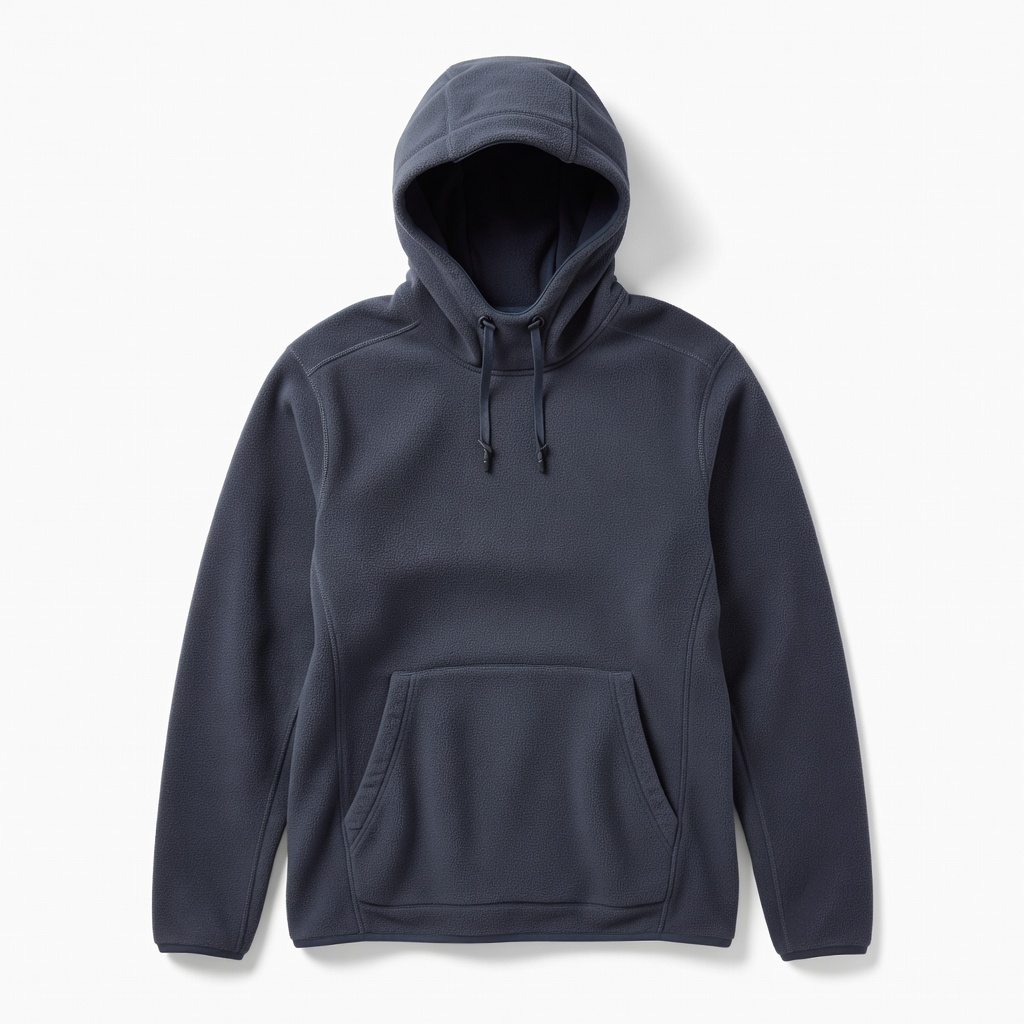
Trail hiking or cool-weather workouts where insulation is needed.
The North Face Men's Windwall Fleece Hoodie Windwall technology delivers <5 CFM resistance in a soft fleece form, balancing warmth and mobility.
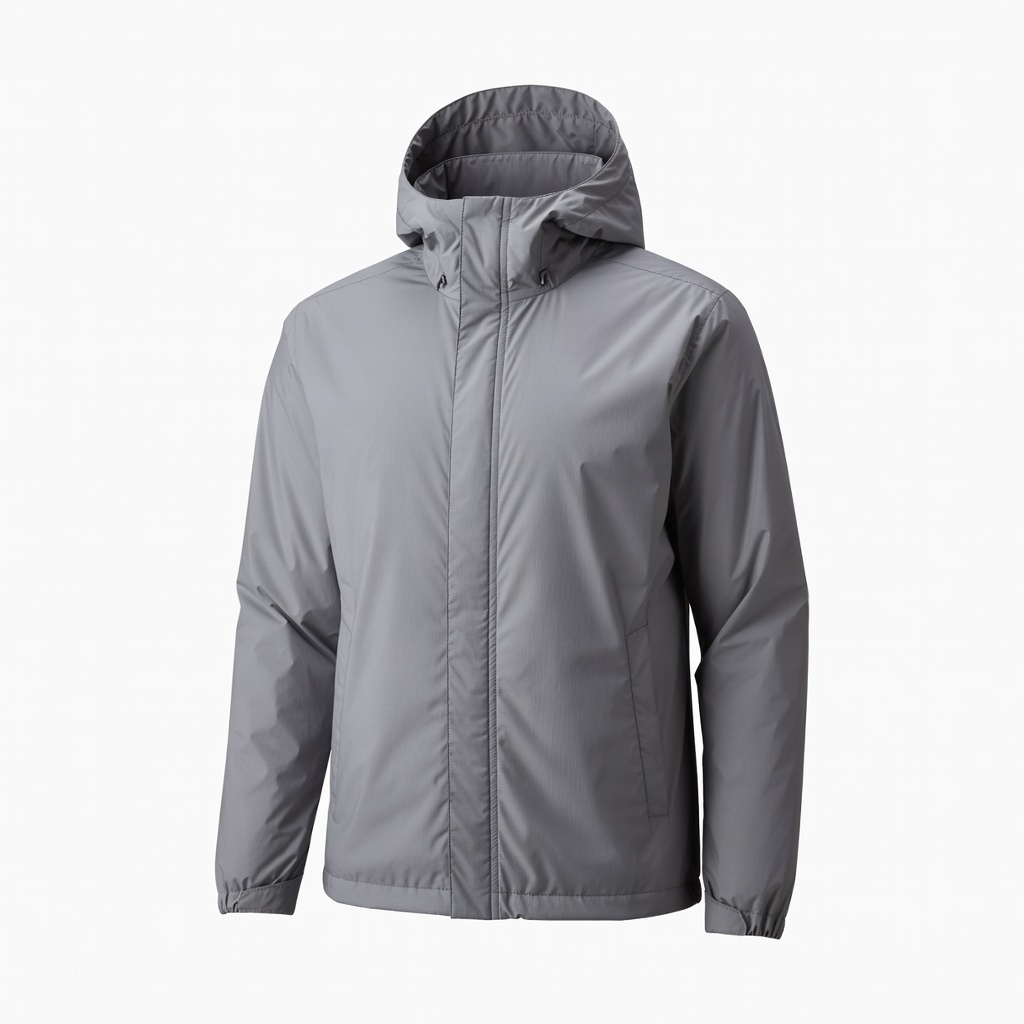
Everyday active use like walking or gym-to-street transitions.
Columbia Men's Glennaker Lake 2.0 Wind Jacket Hoodie Lightweight PU-coated nylon with sealed seams for superior wind block at budget price.
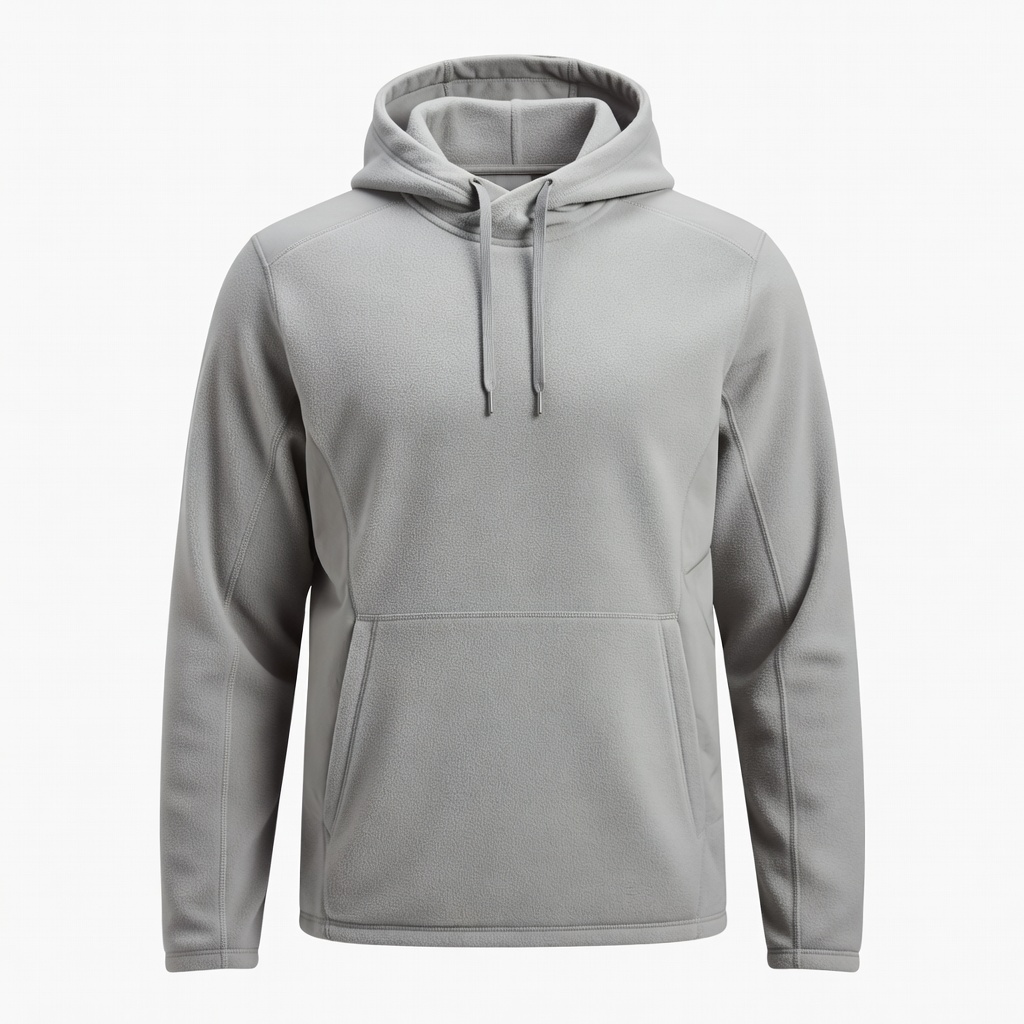
Intense training sessions in variable windy conditions.
Under Armour Men's Rival Fleece Windbreaker Hoodie Storm tech repels wind/rain with 4-way stretch for unrestricted movement.
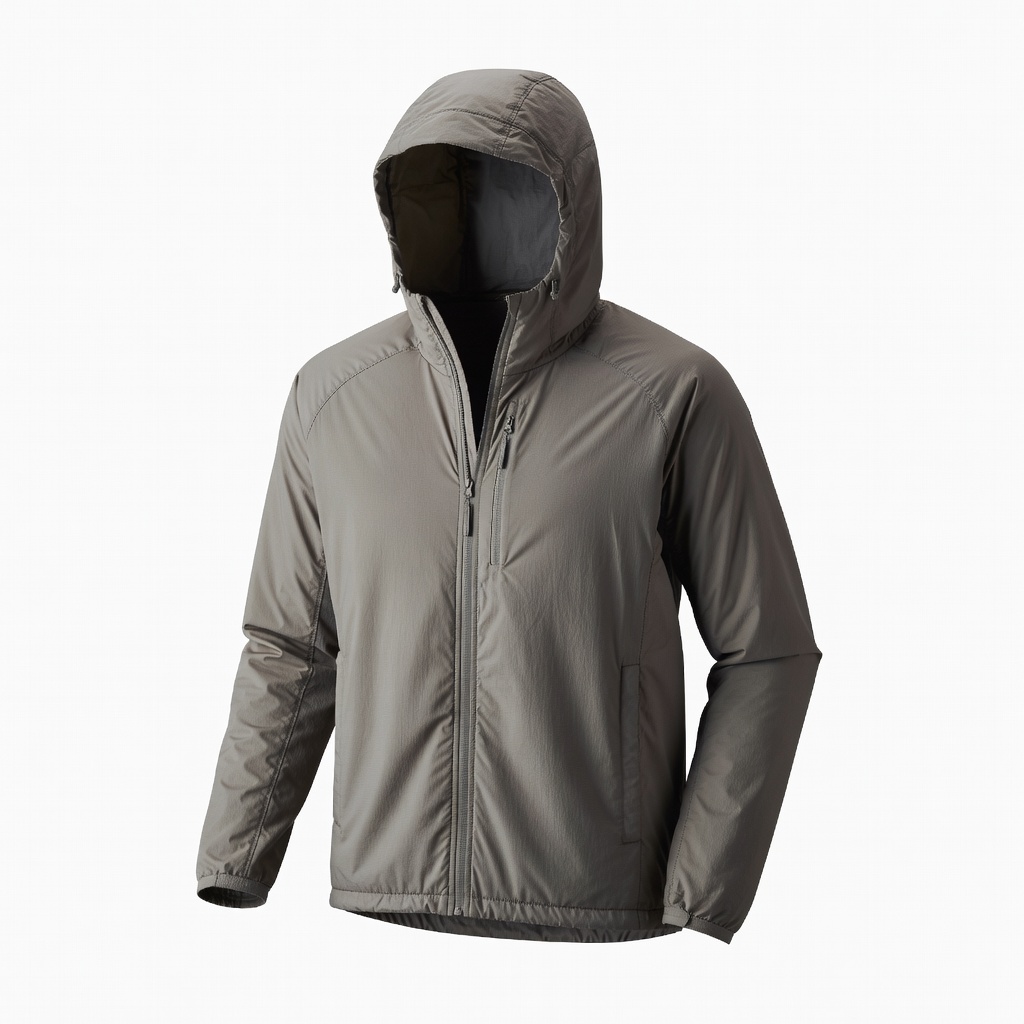
Ultrarunning or fast-hiking in exposed areas.
Patagonia Men's Houdini Full-Zip Hoodie Recycled nylon with minimal PU laminate—ultralight yet 100% windproof.