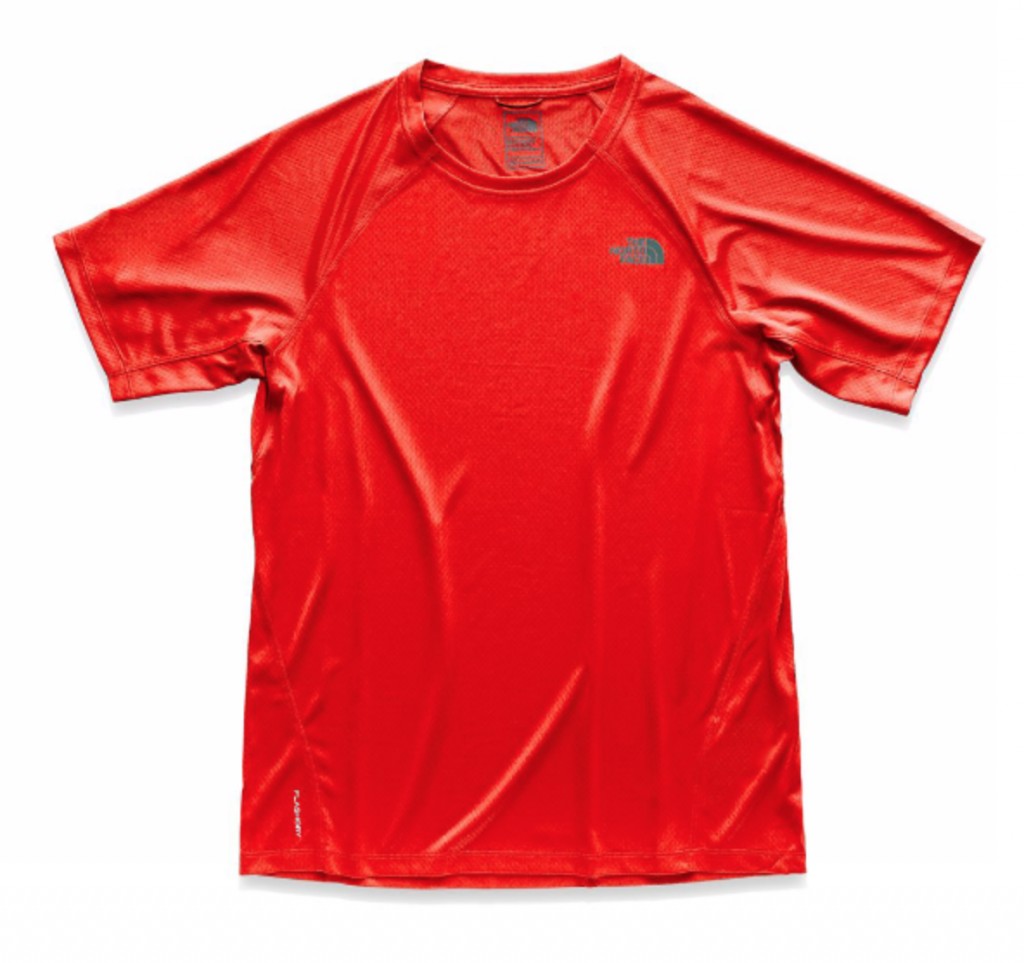
Sweating through your shirt on a steep hike? That's the frustration of non-breathable base layers trapping moisture, leading to chills, chafing, and misery. Breathability is the hero feature that wicks sweat away, keeping you dry and temperature-regulated during intense hikes.
In this guide, you'll learn the key factors—materials, construction, design, and more—that make active base layers truly breathable. We'll break it down step-by-step from basics to advanced concepts, so you can confidently choose gear for your next adventure. No jargon overload; just clear explanations with real-world examples.
Expect to spend 15 minutes reading and gain intermediate-level insights to upgrade your hiking kit.
▸What You'll Need
- •Basic knowledge of hiking apparel layers
- •Access to base layer product specs or labels (online or in-store)
- •Optional: A magnifying glass to inspect fabric weave
Estimated Time: 15 minutes
Difficulty: intermediate
▸Step-by-Step Instructions
Step 1: Understand What Breathability Really Means
Breathability in base layers refers to a fabric's ability to allow moisture vapor (sweat) to escape while blocking liquid water. Think of it like a one-way valve: sweat evaporates outward, but rain stays out.
For hiking, this prevents the 'clammy' feeling. Measured in MVTR (Moisture Vapor Transmission Rate), higher numbers (e.g., 10,000g/m²/24hrs) mean better breathability. Analogy: Like your skin breathing through pores.
Why it matters: On a 5-mile uphill, poor breathability turns your layer into a swamp.
💡 Tips:
- •Check product specs for MVTR ratings before buying.
Step 2: Master Moisture-Wicking Fabrics
Breathability starts with hydrophilic (water-attracting) materials that pull sweat from your skin to the fabric's surface for quick evaporation. Synthetics like polyester (e.g., nylon blends) dominate because they're lightweight and dry fast.
Merino wool is a natural champ—its crimped fibers create air channels for airflow. Unlike cotton, which absorbs 27x its weight in water and clings, wicking fabrics spread moisture thin for evaporation.
Example: A polyester base layer dries in 30 minutes post-hike; cotton takes hours.
💡 Tips:
- •Look for 'quick-dry' or 'moisture-wicking' labels with percentages (e.g., 80% polyester).
⚠️ Warnings:
- •Avoid cotton blends over 10%—they kill breathability.
Step 3: Dive into Fabric Construction
Knit fabrics with open weaves or meshes breathe better than tight weaves. Mesh panels under arms and along the spine boost airflow by 30-50%.
Yarn type matters: Hollow-core or microfiber yarns trap less water. Denier (yarn thickness) under 100D is ideal for breathability.
Real-world: Hold fabric to light—if you see clear gaps, it's breathable.
💡 Tips:
- •Inspect seams; flatlock stitching reduces bulk for better air circulation.
Step 4: Explore Material Choices: Synthetic vs. Natural
| Material | Pros | Cons |
|---|
| Polyester/Nylon | Fast-drying, cheap, durable | Can smell if not treated |
| Merino Wool | Temp-regulating, odor-resistant | Pricier, needs care |
| Tencel/Lyocell | Silky soft, eco-friendly | Less durable |
Synthetics excel in hot hikes; merino for variable weather. Blends (e.g., 65% poly/25% merino) combine best traits.
💡 Tips:
- •Choose merino for multi-day trips to fight stink.
Step 5: Factor in Design and Ventilation Features
Strategic vents (zippers at chest/hem) and raglan sleeves enhance airflow. Gusseted crotches in bottoms prevent binding.
Flat seams and minimalism reduce sweat traps. UPF 50+ coatings don't block breathability if nanopore tech is used.
Why key: Design amplifies material performance by 20-30%.
Step 6: Prioritize Fit for Optimal Airflow
Snug but not compressive fit allows air circulation without billowing. Too loose traps heat; too tight restricts movement and vessels, slowing sweat evap.
Intermediate tip: Size for base layer only—no extra layers underneath initially.
Test: Layer on, do jumping jacks—if no chafing and quick dry, it's good.
⚠️ Warnings:
- •Oversized layers create dead air zones.
Step 7: Test and Maintain Breathability
Field test: Wear on a sweaty hike, check dry time. Lab tests like ASTM E96 simulate it.
Wash right: Cold water, no fabric softener (clogs pores), air dry. After 50 washes, breathability drops 10-20%.
Pro longevity: Refresh with vinegar soaks.
💡 Tips:
- •Buy with return policy for real-hike trials.
▸Pro Tips
- •Layer with midweight over breathable base for variable temps.
- •Opt for seamless or low-seam designs to maximize airflow.
- •Test breathability at home: Wet skin, fan on—dries fast?
- •Choose lighter colors; they reflect heat, aiding evaporation.
- •Blend fabrics for versatility (synthetic top, merino bottom).
- •Store dry in breathable bags to preserve fibers.
- •Upgrade annually; fabrics degrade from UV/sweat.
▸Common Mistakes to Avoid
- •Buying cotton or cotton-blends—absorbs moisture instead of wicking.
- •Ignoring fit—baggy layers trap sweat like a greenhouse.
- •Overlooking mesh zones—uniform fabric lacks targeted ventilation.
- •Using dryer sheets—coats fibers, slashing MVTR by 40%.
- •Choosing heavy denier fabrics—thicker = less breathable.
▸Troubleshooting
Problem: Base layer feels clammy mid-hike
Solution: Check fit and material; switch to higher MVTR synthetic. Ensure no softener residue.
Problem: Odor buildup despite breathability
Solution: Merino resists better; wash with wool cycle or silver-treated synthetics.
Problem: Pilling or reduced wicking after washes
Solution: Air dry only; use mesh bag. Replace after 100 uses.
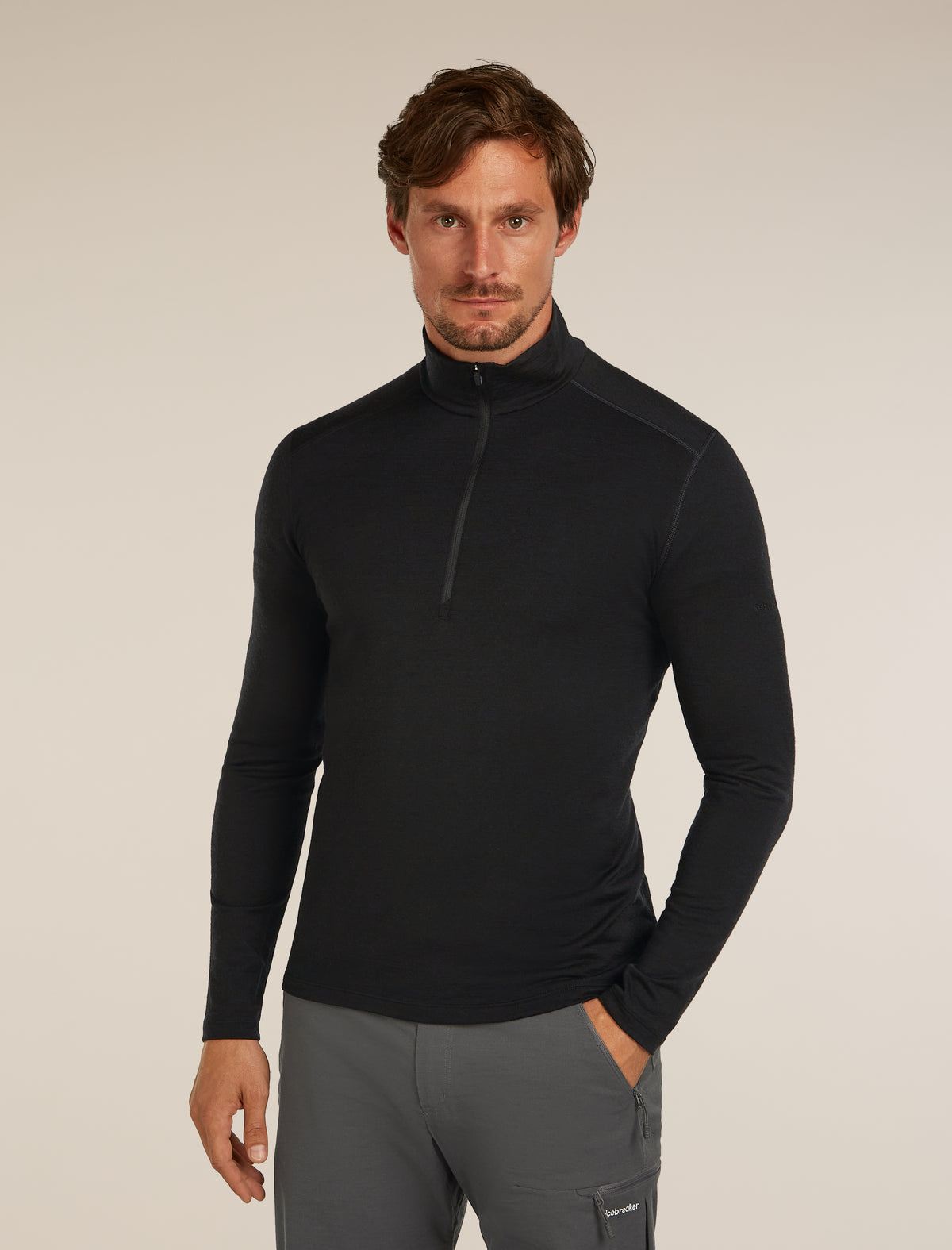
Icebreaker Men's 200 Oasis Long Sleeve Base Layer
Merino wool blend with strategic mesh for superior wicking and temp regulation.
Best for: Multi-day hikes in variable weather; odor-resistant for no laundry.
Price Range: $85-$95
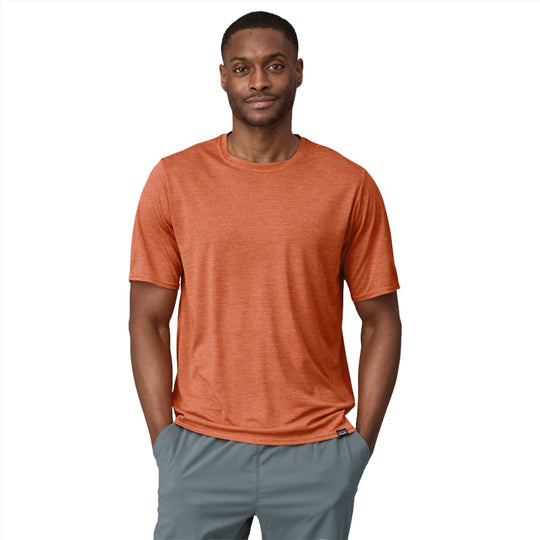
Patagonia Men's Capilene Cool Daily Shirt
MiDori bio-polyester wicks 4x faster than standard, with HeiQ odor control.
Best for: Hot, sweaty summer trails; quick-dry for all-day comfort.
Price Range: $35-$45
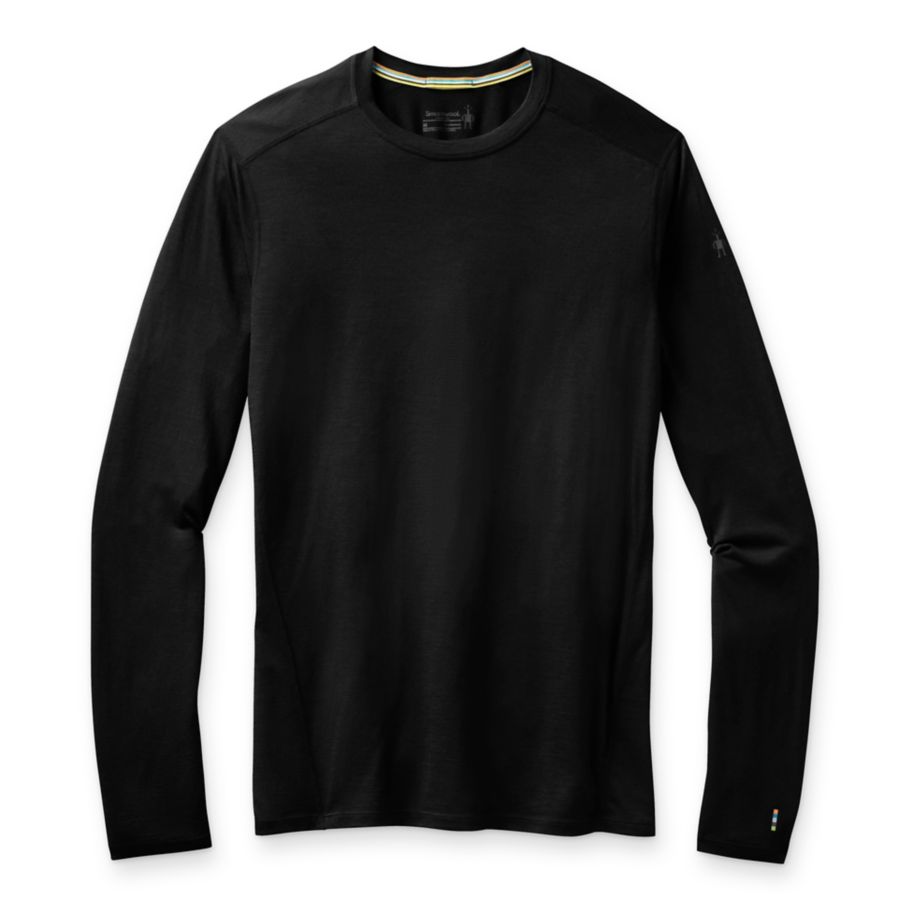
Smartwool Men's Merino 150 Baselayer Top
Lightweight merino sport knit with open structure for max MVTR.
Best for: Cool-to-moderate hikes; natural breathability without synthetics.
Price Range: $65-$80
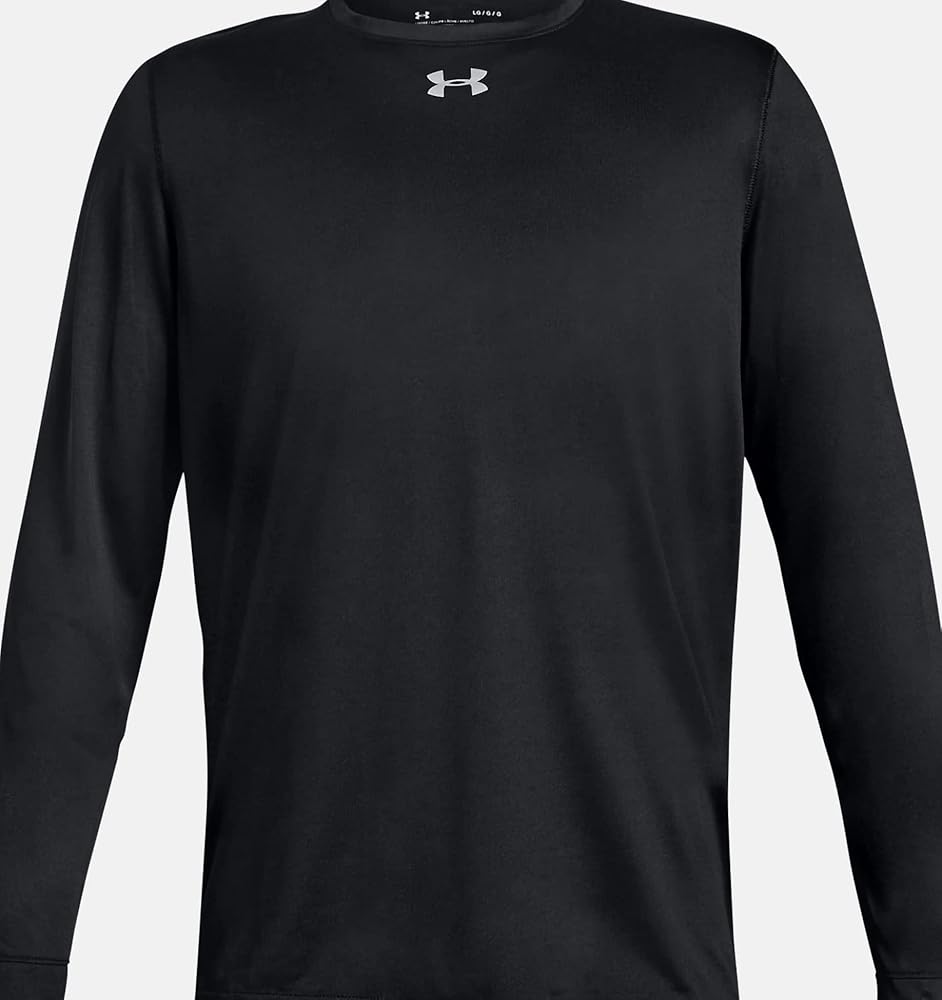
Under Armour Men's Tech 2.0 Long-Sleeve T-Shirt
Anti-odor tech and loose fit with mesh panels for budget breathability.
Best for: Entry-level hot weather training hikes; machine-wash durable.
Price Range: $25-$35
The North Face Men's Better Than Naked 2.0 Shirt
FlashDry tech evaporates sweat rapidly; seamless for irritation-free breathability.
Best for: Technical trails needing mobility and quick dry.
Price Range: $55-$70