Lithium 12V batteries promise superior performance over traditional lead-acid options, but many users are surprised when they don't last as long as advertised. Unexpected failures can leave you stranded on a camping trip or disrupt your solar power system, leading to costly replacements. This guide breaks down the true lifespan you can expect and reveals the hidden factors that make or break battery longevity.
You'll learn the difference between cycle life and calendar life, key influences like temperature and discharge depth, and actionable strategies to maximize performance. By the end, you'll know how to select, use, and maintain lithium 12V batteries for optimal results—no more guesswork.
This explainer is straightforward for intermediate users familiar with basic battery concepts, taking just 15 minutes to read and apply.
▸What You'll Need
- •Basic knowledge of battery terms (voltage, amp-hours, DOD)
- •Access to battery specs or datasheet (usually from manufacturer website)
- •Optional: Multimeter for capacity testing
- •Optional: Battery management system (BMS) monitor app if your battery has Bluetooth
Estimated Time: 15 minutes
Difficulty: intermediate
▸Step-by-Step Instructions
Step 1: Understand Cycle Life vs. Calendar Life
Lithium 12V batteries, typically LiFePO4 chemistry, have two lifespan measures: cycle life (number of charge-discharge cycles) and calendar life (years of aging even if unused). Cycle life is 2,000-5,000 cycles at 80% depth of discharge (DOD), translating to 5-15 years of daily use. Calendar life is 10-15 years due to gradual chemical degradation.
Why it matters: Manufacturers quote cycle life, but real-world use combines both. For example, a 3,000-cycle battery used once daily lasts ~8 years, but heat accelerates calendar aging.
Expect high-quality batteries like LiFePO4 to outlast lead-acid 5x in cycles.
💡 Tips:
- •Check manufacturer datasheets for exact cycle ratings at different DOD levels.
Step 2: Factor in Depth of Discharge (DOD)
DOD is how much capacity you use per cycle (e.g., 50% DOD means discharging to half). Shallow discharges (20-50% DOD) can double lifespan to 6,000+ cycles, while 100% DOD halves it to ~1,500 cycles.
Analogy: Like not fully emptying a water tank to prevent sediment buildup. Aim for 80% DOD max for balance.
What to expect: Track via BMS; most lithium batteries safely handle 100% DOD unlike lead-acid.
⚠️ Warnings:
- •Avoid 100% DOD daily—it stresses cells unevenly.
Step 3: Account for Temperature Impact
Ideal temp is 20-25°C (68-77°F). Above 40°C (104°F), lifespan drops 50% per 10°C rise due to faster chemical reactions. Below 0°C, charging risks damage.
Real-world example: RV in Arizona summer—expect 20-30% shorter life without cooling.
Most batteries have thermal protections, but monitor ambient conditions.
💡 Tips:
- •Store/use in shaded, ventilated areas; use insulation for cold climates.
Step 4: Evaluate Charging Habits
Charge at 0.2-0.5C rate (e.g., 20-50A for 100Ah battery) with LiFePO4-compatible chargers. Overcharging or fast charging (>1C) reduces cycles by 20-40%.
Why it matters: Poor chargers cause voltage spikes; built-in BMS protects but can't reverse damage.
Expect 3,000+ cycles with proper CC/CV charging.
⚠️ Warnings:
- •Never use lead-acid chargers—they overvolt lithium cells.
Step 5: Consider Charge/Discharge Rates
High C-rates (e.g., 1C discharge) generate heat, cutting lifespan 10-20%. Match loads to battery rating (e.g., 100A continuous for 100Ah).
Analogy: Sprinting vs. jogging—sustained high draws wear cells faster.
Quality BMS limits rates automatically.
💡 Tips:
- •Size batteries 2-3x your max load for longevity.
Step 6: Review Battery Quality and BMS
Grade A cells + robust BMS yield 4,000-5,000 cycles. Cheap batteries use scrap cells, lasting <1,000 cycles.
What to expect: Reputable brands guarantee 10-year life; test initial capacity.
⚠️ Warnings:
- •Skip no-name brands—void warranties and safety risks.
Step 7: Expect Typical Real-World Lifespan
Summary: 3,000-5,000 cycles or 10-15 years. Daily RV use: 8-12 years. Solar backup: 12-15 years at 50% DOD.
Factors compound: Optimal conditions = max life; abuse halves it.
Track via apps for precise prediction.
💡 Tips:
- •Use capacity calculators online for your setup.
Step 8: Signs Your Battery is Nearing End-of-Life
Capacity <80%, swelling, or BMS shutdowns signal replacement. Voltage sag under load is early warning.
Pro tip: Annual full capacity test.
Most retain 80% after 5 years.
▸Pro Tips
- •Keep DOD under 80% and SOC between 20-90% for 50% longer life.
- •Use temperature-compensated chargers for variable climates.
- •Balance cells monthly with a balancer tool.
- •Monitor via Bluetooth BMS apps like those from Victron or JBD.
- •Store at 50% charge in cool, dry place for long-term.
- •Pair with MPPT solar controllers for efficient charging.
- •Log usage data to predict replacement needs.
- •Upgrade to LFP with active BMS for marine/off-grid extremes.
▸Common Mistakes to Avoid
- •Over-discharging to 0% daily—halves cycle life; use low-voltage cutoff.
- •Charging in extreme heat (>35°C)—accelerates degradation; wait or cool first.
- •Using mismatched chargers—damages cells; always verify LiFePO4 profile.
- •Ignoring BMS alarms—leads to fires or total failure; investigate immediately.
- •Buying cheapest option—poor cells fail early; invest in certified Grade A.
▸Troubleshooting
Problem: Battery won't hold charge (capacity drop >20%)
Solution: Perform full charge/discharge cycle test with multimeter; recalibrate BMS. If persistent, cells degraded—replace.
Problem: BMS trips frequently
Solution: Check wiring, loads, and temps. Reduce peak current or add parallel batteries. Reset via app if available.
Problem: Swelling or heat during charge
Solution: Stop use immediately—safety hazard. Inspect for overcharge; contact manufacturer for warranty.
Problem: Voltage imbalance between cells
Solution: Use active balancer; top-balance manually. Seek pro if >0.1V difference.
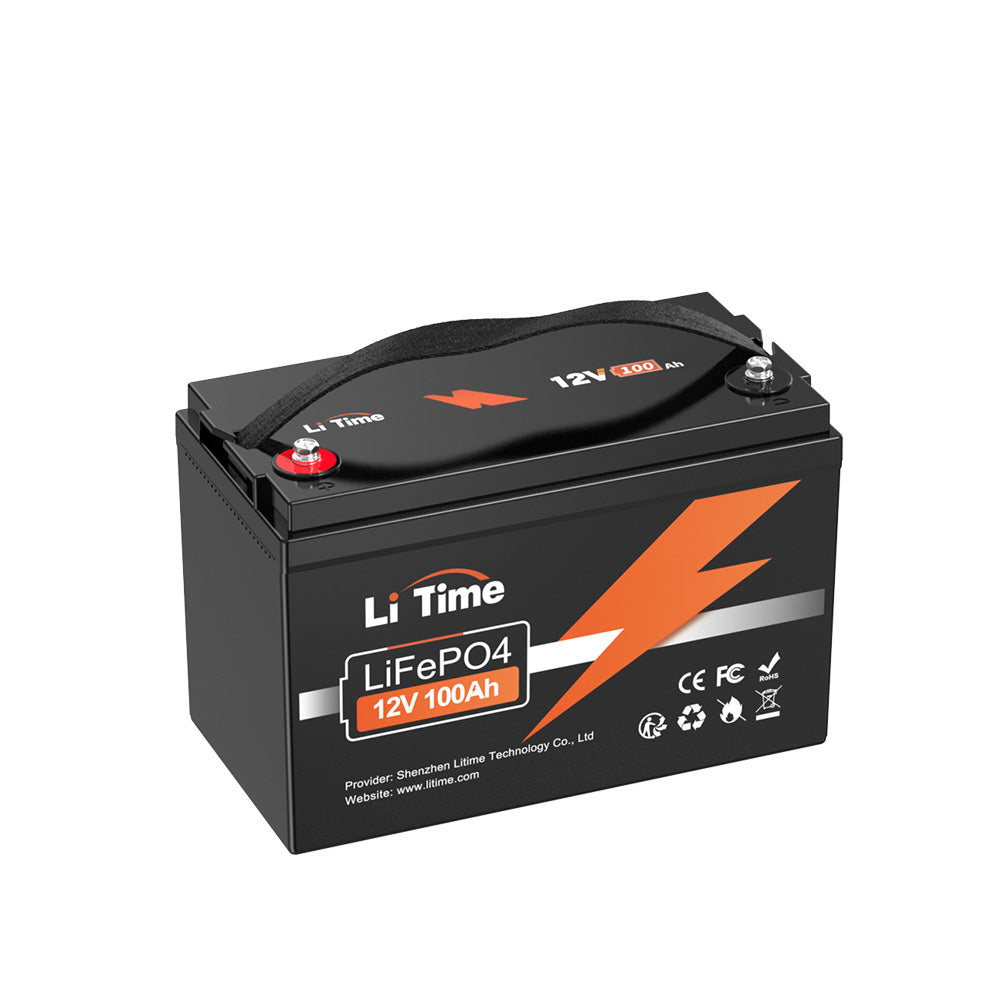
LiTime 12V 100Ah LiFePO4 Battery
Offers 4000+ cycles at 100% DOD with built-in 100A BMS, Bluetooth monitoring, and low-temp protection for max lifespan.
Best for: RV/solar off-grid where monitoring extends life; ideal for intermediate users.
Price Range: $219.99
Renogy 12V 100Ah Smart Lithium Battery
4000 cycles, app-based self-heating, and RS485 monitoring ensure optimal charging and temp management for longer life.
Best for: Marine or cold-climate setups needing temp resilience.
Price Range: $599.99
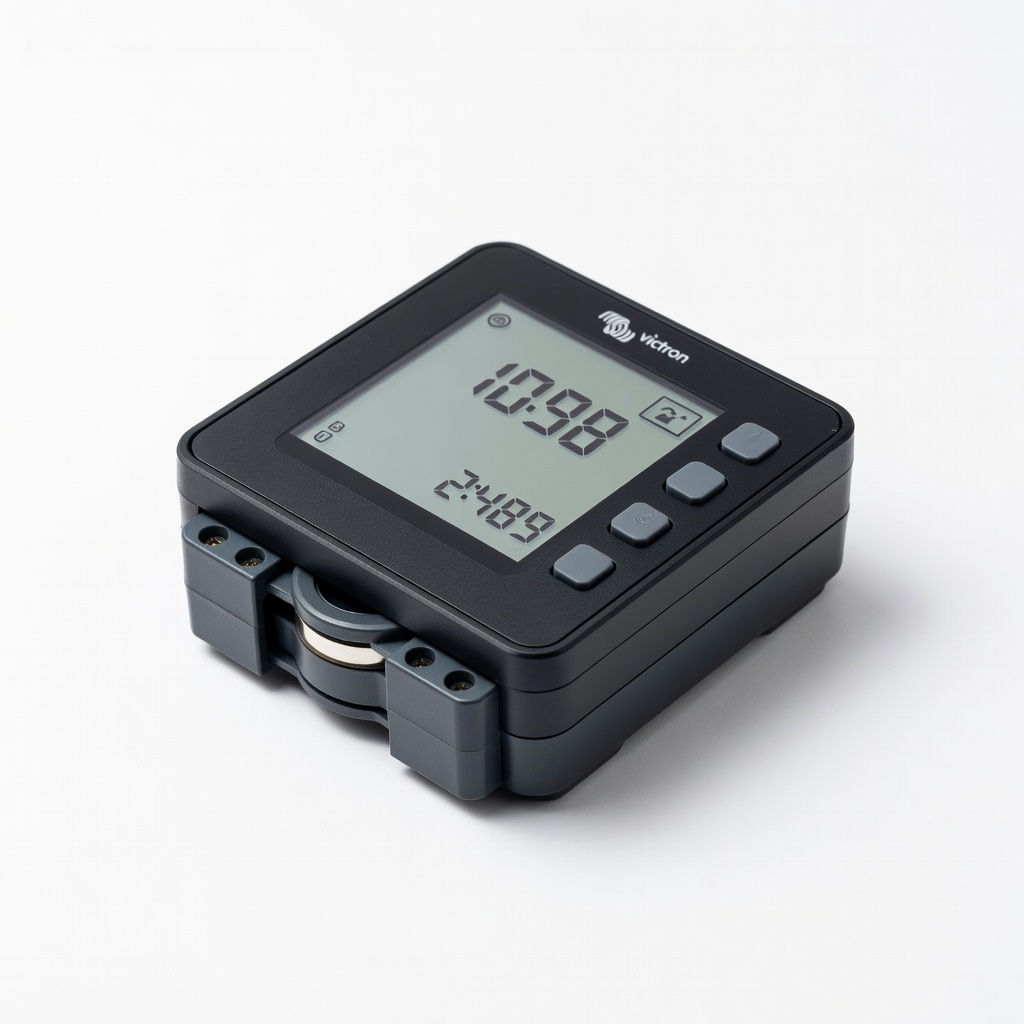
Victron BMV-712 Smart Battery Monitor
Tracks DOD, cycles, and SOC accurately to prevent deep discharges and predict lifespan.
Best for: Any setup for data-driven maintenance.
Price Range: $152.30
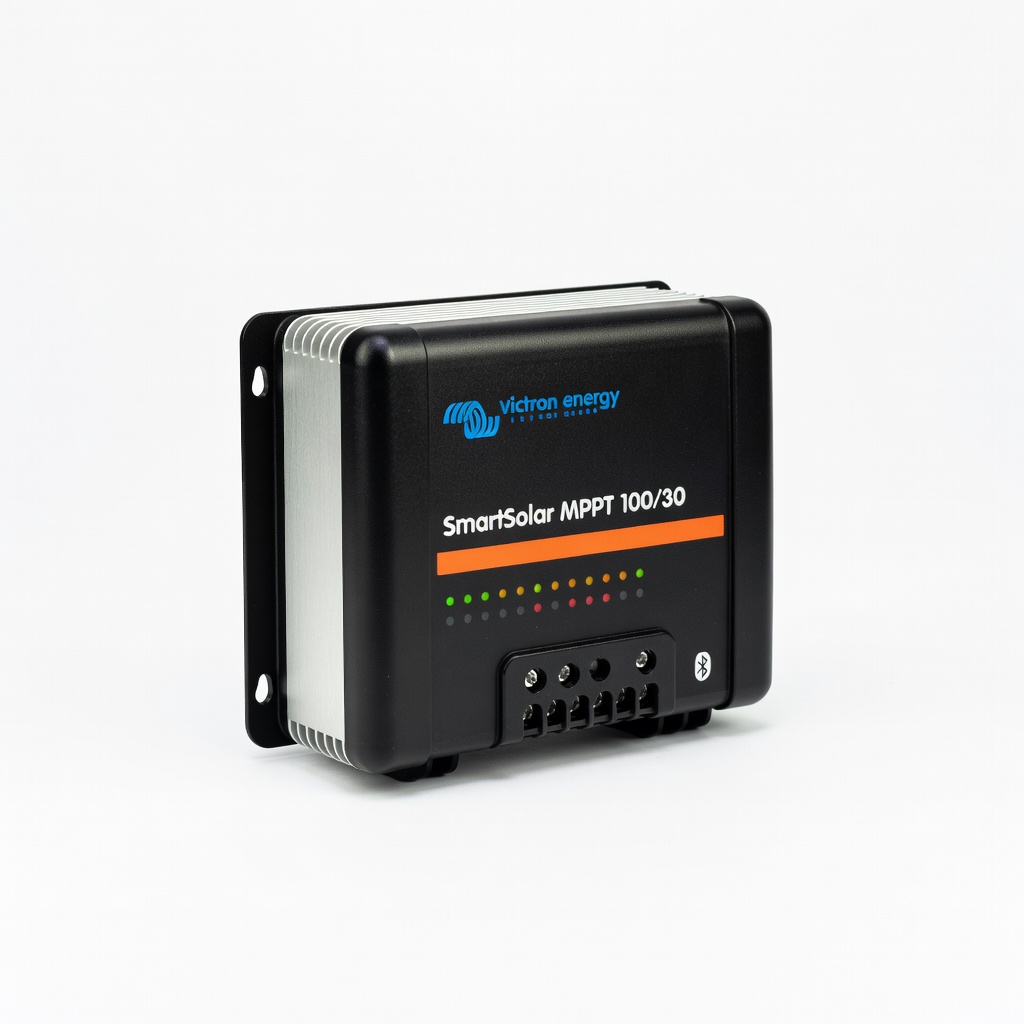
Victron SmartSolar MPPT 100/30 Charge Controller
Precise LiFePO4 charging profiles prevent overcharge and heat buildup, boosting cycles by 20-30%.
Best for: Solar systems for efficient, lifespan-extending power.
Price Range: $180-$220
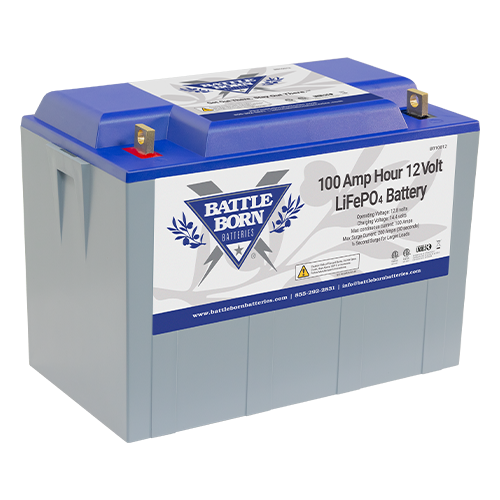
Battle Born BB10012 100Ah 12V LiFePO4 Battery
Proven 3,500-5,000 cycles, military-grade BMS, and 10-year warranty for ultimate reliability.
Best for: High-demand RV/marine with premium longevity needs.
Price Range: $899