Vintage watch collecting captivates enthusiasts with its blend of horological history, craftsmanship, and potential investment value. In a world where modern smartwatches dominate, these timepieces from the mid-20th century or earlier offer a tangible connection to the past—think Rolex Submariners from the 1950s or Omega Speedmasters that once orbited the moon. However, the thrill can turn sour if you unknowingly acquire fakes, leading to financial loss and heartbreak. This guide demystifies the process for intermediate collectors.
You'll gain a clear understanding of what defines vintage watches, how to start and grow a collection, and essential authentication techniques. We'll break down complex concepts like serial numbers and hallmarks into digestible steps, using real-world examples and analogies. No prior expertise is assumed beyond basic watch familiarity, and this explainer is designed for a focused read—expect to absorb key insights in under an hour, empowering you to shop confidently.
By the end, you'll know how to spot gems, avoid scams, and care for your pieces, turning collecting from a hobby into a rewarding pursuit.
▸What You'll Need
- •Basic knowledge of major watch brands (e.g., Rolex, Omega, Patek Philippe)
- •Access to online resources like watch forums (e.g., Watchuseek) or databases (e.g., serial number lookups)
- •Optional: A jeweler's loupe for close inspection
- •Reference books on vintage watches
- •Budget for potential purchases (starting at $500+ per piece)
Estimated Time: 20-30 minutes to read and understand
Difficulty: intermediate
▸Step-by-Step Instructions
Step 1: Define What Makes a Watch 'Vintage'
Vintage watches are typically those produced before 1980, often from the 1920s to 1970s, valued for their historical significance and mechanical ingenuity. Unlike modern quartz watches, these are handcrafted mechanical or automatic pieces that embody eras like post-WWII innovation or the Space Age. For example, a 1960s Rolex Datejust isn't just a watch—it's a snapshot of mid-century luxury, with features like acrylic crystals and radium lume (glowing paint) that tell stories of evolving technology.
Understanding this classification matters because it sets boundaries for your collection. Not every old watch qualifies; condition, originality, and provenance (ownership history) elevate value. Expect variations—some collectors include up to the 1990s for 'neo-vintage'—but sticking to pre-1980 avoids confusion.
Analogy: Think of vintage watches as classic cars; a 1957 Chevy isn't vintage just because it's old—it's the design, rarity, and maintenance that count.
💡 Tips:
- •Start with iconic brands to build foundational knowledge before diversifying.
⚠️ Warnings:
- •Avoid labeling post-2000 watches as vintage to prevent overpaying for 'new old stock'.
Step 2: Explore the Appeal and History of Vintage Collecting
Vintage watch collecting appeals due to its mix of passion and practicality: these pieces appreciate in value (e.g., a 1970s Audemars Piguet Royal Oak can double in price over a decade) while offering wearable art. Historically, the hobby surged post-WWII with brands like Omega supplying military divers' watches, evolving into luxury icons during the 1960s space race.
Why it matters: Collecting fosters community—joining forums or auctions connects you with experts. Expect emotional highs from discoveries, but patience is key as markets fluctuate with trends like 'vintage fever' in 2020s auctions.
Break it down: Pre-1940s watches emphasize Art Deco aesthetics; 1950s-60s focus on robustness for professionals; 1970s introduce bold designs amid the quartz crisis.
💡 Tips:
- •Read auction reports from Sotheby's or Christie's to track value trends.
Step 3: Build Your Collection Strategically
Start small: Focus on one brand or style, like dive watches, to learn nuances without overwhelm. Key considerations include condition (graded 1-10, where 9+ is mint), completeness (original box/papers add 20-50% value), and rarity (limited editions command premiums).
Why it matters: A thoughtful collection tells a story, increasing enjoyment and resale potential. Budget $1,000-$5,000 initially; source from reputable dealers over eBay to minimize risks.
Example: Begin with an accessible Omega Seamaster from the 1960s, then expand to complications like chronographs.
💡 Tips:
- •Set a theme, e.g., 'military-issued' watches, for cohesion.
⚠️ Warnings:
- •Don't chase trends; buy what you love to avoid regret during market dips.
Step 4: Source Vintage Watches Safely
Reliable sources include authorized dealers, auctions (e.g., Phillips), and shows like the Wind-Up Watch Fair. Online, use Chrono24 or Watchfinder with buyer protections. Always request provenance and service history.
This step is crucial to avoid fakes flooding secondary markets—up to 20% of listings may be suspect. Expect negotiations; vintage prices vary by condition, with entry-level pieces under $2,000.
Analogy: Sourcing is like dating—vet partners through references to ensure authenticity.
💡 Tips:
- •Visit local watch shops for hands-on experience before online buys.
Step 5: Master Basic Authentication Techniques
Authentication verifies genuineness via serial numbers (engraved on lugs or caseback, unique to each watch), hallmarks (stamps indicating metal purity), and movement inspection (open the case to check signed rotors).
Why it matters: Fakes can mimic exteriors but fail internally—e.g., incorrect font on dials or wrong lume color under UV. For intermediates, learn to spot red flags like overly shiny rehaut engravings on Rolexes.
Process overview: Cross-reference serials with brand databases; use a loupe for hallmarks. If unsure, consult experts—costs $100-300 but saves thousands.
💡 Tips:
- •Practice on known genuine watches to train your eye.
⚠️ Warnings:
- •Never buy without seeing the movement; photos can deceive.
Step 6: Advanced Authentication Tools and Methods
Beyond basics, use X-rays for hidden forgeries, UV lights to check lume (original radium glows green, fakes don't), and expert appraisals from bodies like the Horological Society.
This builds confidence for higher-value pieces. Expect tools to cost $50-200; software apps like WatchCheck aid serial validation.
Example: A fake 1950s Submariner might have modern ceramic bezel inserts—spot via material feel and weight.
💡 Tips:
- •Join authentication workshops at watch events for hands-on practice.
Step 7: Maintain and Preserve Your Collection
Store in humidity-controlled cases (40-50% RH) to prevent corrosion; service every 5-7 years by certified watchmakers. Avoid polishing, which removes patina—a natural aging that adds character.
Preservation ensures longevity and value retention. Expect annual costs of $200-500 for upkeep.
Analogy: Like wine, vintage watches improve with age if stored properly.
💡 Tips:
- •Use silica gel packets in storage to absorb moisture.
⚠️ Warnings:
- •Skip DIY repairs; improper handling can devalue pieces irreversibly.
▸Pro Tips
- •Document each purchase with photos and receipts for insurance and resale.
- •Network on Reddit's r/Watches for free advice from seasoned collectors.
- •Wear your watches occasionally to keep movements lubricated—stagnation leads to issues.
- •Track market values using tools like LiveAuctioneers to time buys.
- •Focus on 'beater' watches first: Affordable pieces to learn without high stakes.
- •Use natural light for inspections; it reveals dial imperfections better than artificial.
- •Diversify across eras to appreciate evolution in watchmaking.
▸Common Mistakes to Avoid
- •Overlooking service history: Unserviced watches fail prematurely; always check for recent overhauls.
- •Ignoring weight and feel: Fakes often use lighter alloys; handle in person to assess.
- •Buying based on looks alone: Attractive dials can hide frankenwatches (mismatched parts); verify consistency.
- •Skipping provenance: Without papers, value drops 30%; demand documentation.
- •Polishing everything: Removes historical patina, reducing appeal to purists.
▸Troubleshooting
Problem: Suspect fake serial number or mismatched hallmarks
Solution: Cross-check with official brand databases or apps like Rolex Forums; consult a certified appraiser for confirmation.
Problem: Watch not running smoothly after purchase
Solution: Take to a specialist for cleaning—vintage oils dry out; avoid forcing the crown.
Problem: Lume doesn't glow or fades oddly under UV
Solution: This indicates replacement or fake; seek professional lume reluming if authentic but degraded.
Problem: Unsure about overall condition grade
Solution: Use online guides or hire an independent grader; when in doubt, walk away from the deal.
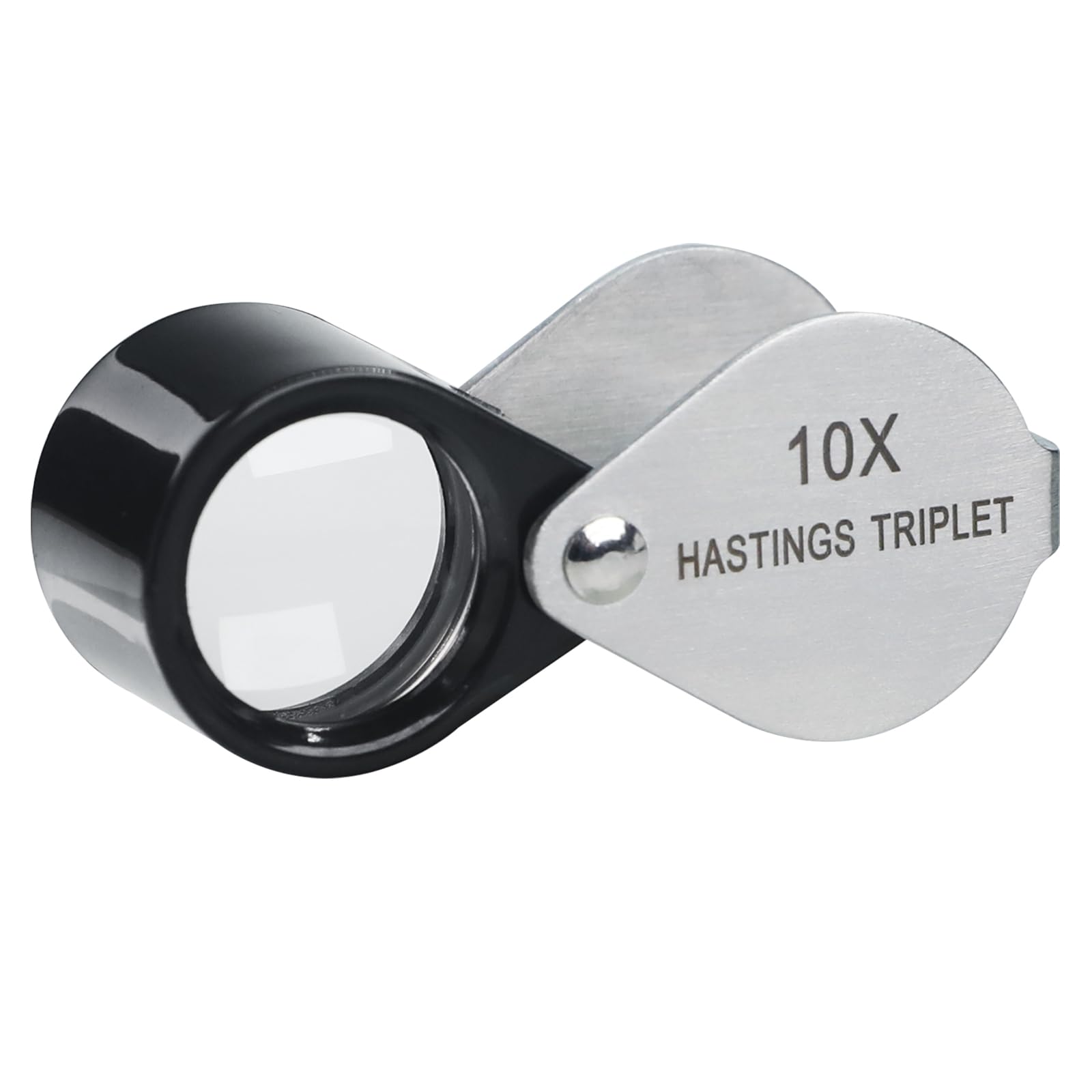
Bausch & Lomb Hastings Triplet 10x Loupe
Essential for detailed inspection of engravings, hallmarks, and movements to spot fakes.
Best for: Use during in-person viewings or home verifications of potential purchases.
Price Range: $15-$20
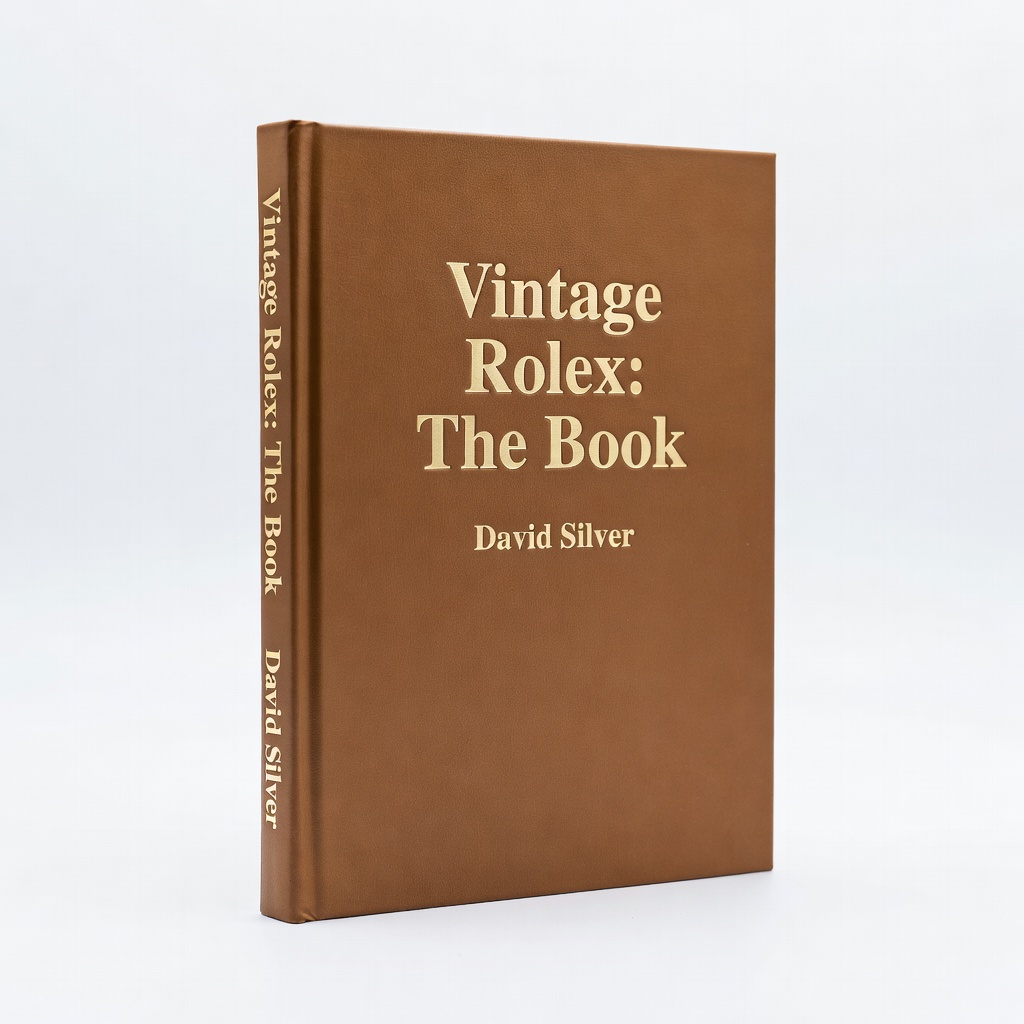
Vintage Rolex: The Book by David Silver
Comprehensive reference for Rolex authentication, with serial charts and photo examples—ideal for intermediate collectors.
Best for: Consult for verifying specific models before buying or during authentication.
Price Range: $25-$35
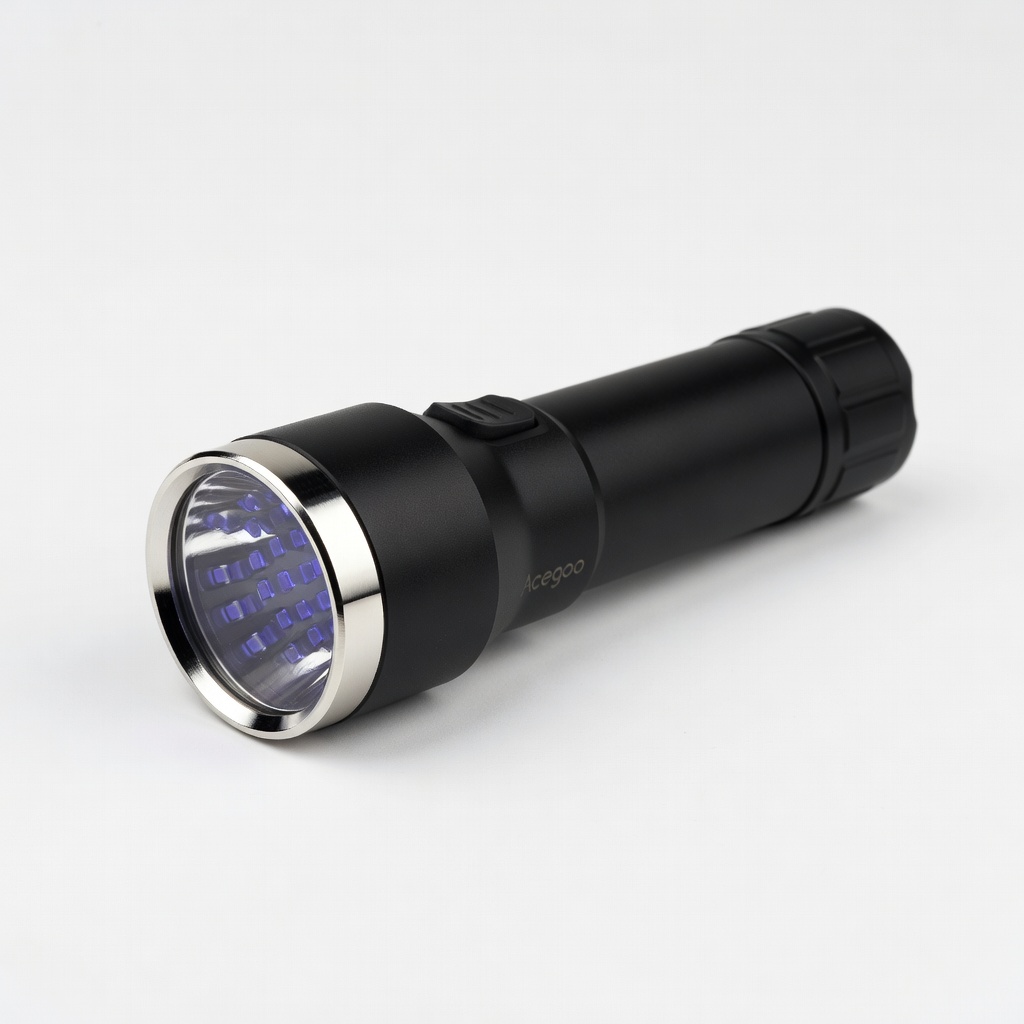
Acegoo UV Black Light Flashlight
Helps detect original lume patina and forgeries by revealing glow inconsistencies.
Best for: Quick home test on dials and hands under blacklight for authentication.
Price Range: $10-$15
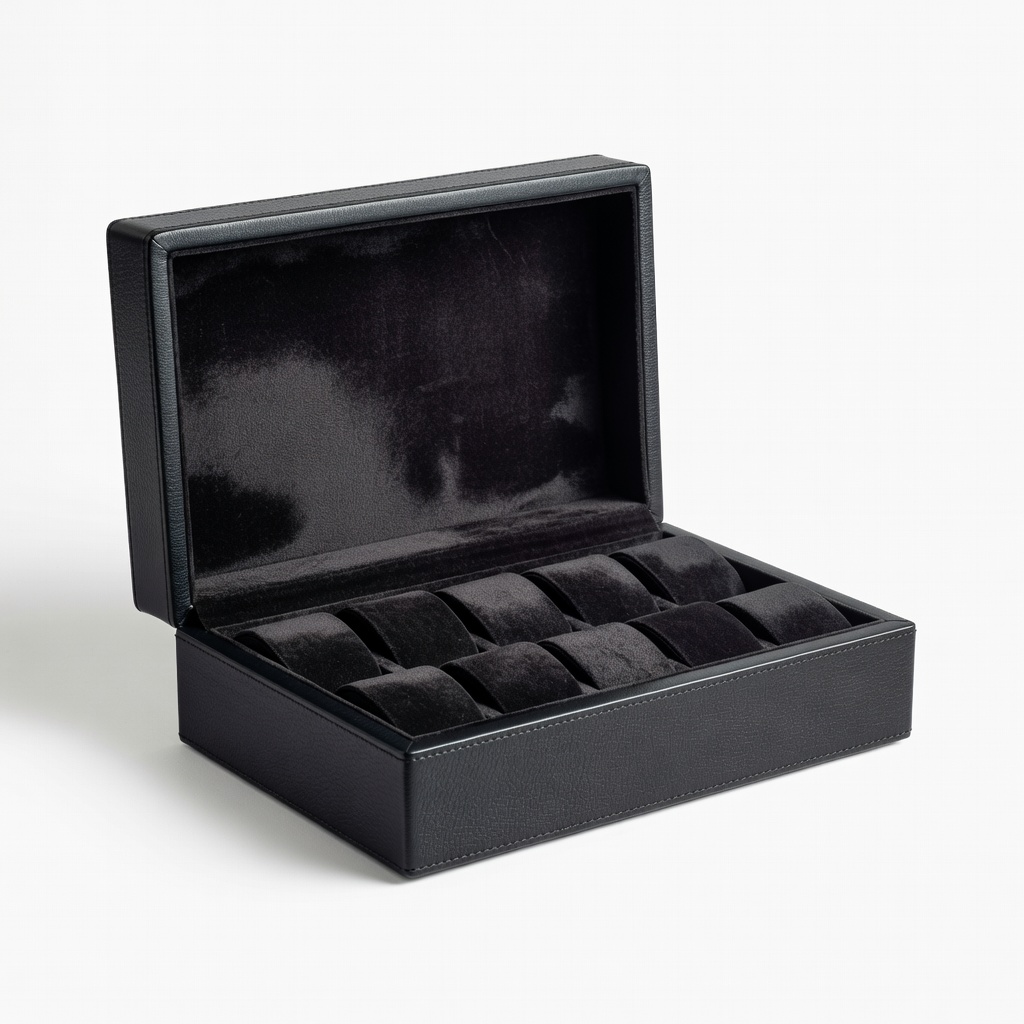
Wolf Heritage Watch Box for 12 Watches
Provides humidity-controlled storage to preserve collection value and prevent damage.
Best for: Daily storage for your growing vintage collection to maintain condition.
Price Range: $100-$150
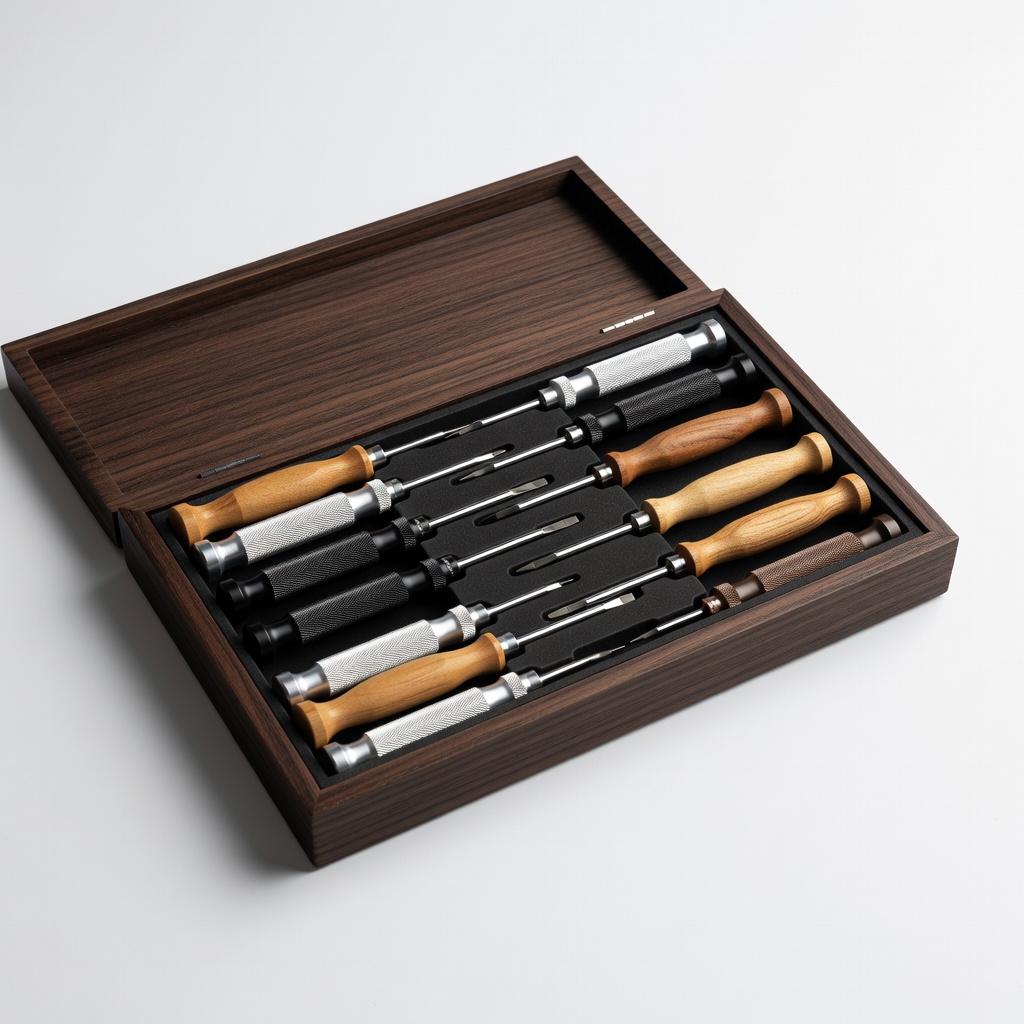
Bergeon Watchmaker's Screwdriver Set
Precision tools for safe case opening during basic inspections (use cautiously).
Best for: Advanced users opening cases to check movements, but pair with professional service.
Price Range: $50-$80