In today's urban environments, where space is at a premium, many homeowners and apartment dwellers dream of having a garden but face the challenge of cramped balconies, tiny patios, or indoor nooks. Vertical gardening offers a smart solution, allowing you to grow plants upward rather than outward, maximizing every square inch. This approach not only saves space but also adds beauty, improves air quality, and can even provide fresh produce year-round.
In this guide, you'll explore the fundamentals of vertical gardening and space-saving systems, from basic concepts to advanced setups. We'll break down what it entails, why it's effective, and how to get started, using simple explanations and real-world examples. Whether you're an intermediate gardener looking to optimize your setup or just curious about sustainable living, this explainer will equip you with the knowledge to create your own vertical paradise. Expect to spend about 10-15 minutes reading through, with concepts building from simple to more layered ideas—no prior expertise beyond basic plant care is needed.
▸What You'll Need
- •Basic knowledge of plant care (e.g., watering, sunlight needs)
- •Access to a wall, fence, or indoor structure for mounting
- •Optional: Measuring tape for planning space
- •Plants suited for vertical growth (e.g., herbs, succulents, vines)
- •Soil or growing medium (potting mix for containers)
Estimated Time: 10-15 minutes to read and understand
Difficulty: intermediate
▸Step-by-Step Instructions
Step 1: Understand the Core Concept of Vertical Gardening
Vertical gardening is essentially growing plants on vertical surfaces like walls, trellises, or stacked containers, rather than in traditional horizontal beds. Imagine turning a blank wall into a living tapestry of greenery, much like how ivy climbs a building naturally. This method uses gravity and support structures to direct plant growth upward, freeing up floor space for other uses.
Why it matters: In space-constrained areas, such as apartments or small yards, horizontal gardening can quickly overwhelm available area. Vertical systems distribute weight and light more efficiently, allowing for denser planting. Expect to see benefits like better airflow around plants, reducing disease risk, and easier harvesting at eye level.
For example, a simple wall-mounted planter can hold herbs like basil or mint, providing fresh ingredients without sacrificing room for furniture.
💡 Tips:
- •Start with low-maintenance plants to build confidence.
Step 2: Explore Types of Vertical Gardening Systems
Vertical gardens come in various forms, tailored to different spaces and needs. Pocket planters, for instance, are fabric or felt pockets hung on walls, ideal for small herbs or succulents—like a modular backpack for plants. Trellises and arbors support climbing vines such as tomatoes or cucumbers, mimicking natural growth patterns.
More advanced systems include hydroponic walls, where plants grow in nutrient-rich water without soil, or living walls with integrated irrigation. These are like high-tech aquariums turned sideways, perfect for indoor setups. The key is matching the system to your environment: outdoor for sun-loving plants, indoor for shade-tolerant ones.
Understanding these types helps you visualize scalability—from a single hanging planter to a full facade garden.
💡 Tips:
- •Assess your light exposure first: south-facing walls get more sun.
⚠️ Warnings:
- •Avoid heavy systems on weak walls to prevent structural damage.
Step 3: Learn About Space-Saving Mechanisms
Space-saving systems in vertical gardening focus on efficiency, such as modular stacking units that expand as needed or foldable panels for storage. Think of it as Lego blocks for plants: interchangeable and adaptable. These systems often incorporate drip irrigation to minimize water waste, ensuring roots get just what they need without runoff.
Why this matters: They address common pain points like limited square footage by utilizing vertical planes, which can multiply growing area by 2-3 times. For instance, a 4x8 foot wall could support 50+ plants that would otherwise require a 100 sq ft ground plot.
Expect challenges like weight distribution, but solutions like lightweight materials (e.g., recycled plastic) make it manageable for intermediate users.
Step 4: Consider Plant Selection and Soil Needs
Not all plants thrive vertically; choose lightweight, shallow-rooted varieties like lettuce, strawberries, or ferns. Analogy: It's like selecting passengers for a crowded elevator—pick those that fit without overloading. Soil should be well-draining to prevent root rot, often a soilless mix for hydroponics.
This step is crucial because mismatched plants lead to failure. Vertical setups dry out faster due to exposure, so moisture-retentive media helps. You'll learn to layer plants: taller in back, trailing in front, for a balanced, aesthetic display.
💡 Tips:
- •Group plants by water needs to simplify care.
⚠️ Warnings:
- •Don't overcrowd; allow 6-12 inches per plant for air circulation.
Step 5: Evaluate Benefits and Environmental Impact
Beyond space savings, vertical gardening boosts biodiversity, insulates buildings (reducing energy costs by up to 20%), and purifies air by filtering pollutants. It's a sustainable practice, especially with recycled materials, akin to urban farming in a high-rise.
For intermediate gardeners, this means integrating edibles for self-sufficiency or ornamentals for wellness. Expect long-term rewards like seasonal harvests and lower grocery bills, but initial setup costs time in planning.
Real-world example: Cities like Singapore use massive vertical farms to combat food scarcity, proving scalability.
Step 6: Plan Your Vertical Garden Layout
To implement, sketch your space: measure height and width, note sun patterns. Vertical systems shine in layouts that follow the 'layer cake' model—bottom for heavy plants, top for light ones. This prevents tipping and optimizes light.
Why it matters: Poor planning leads to uneven growth. Use apps or graph paper for visualization, ensuring access for maintenance. For space-saving, prioritize multi-use designs like edible walls that double as privacy screens.
💡 Tips:
- •Incorporate mirrors to reflect light in shady spots.
▸Pro Tips
- •Rotate plants seasonally to maximize sunlight exposure.
- •Use reflective surfaces like white paint on walls to boost light for indoor setups.
- •Incorporate automatic timers for irrigation to save time on watering.
- •Start small with 2-3 tiers to test your space before expanding.
- •Mix edibles and flowers for pollination and visual appeal.
- •Choose UV-resistant materials for outdoor systems to prevent fading.
- •Monitor humidity levels, especially indoors, with a simple hygrometer.
▸Common Mistakes to Avoid
- •Overwatering: Vertical setups drain quickly, but excess leads to root issues—water only when topsoil is dry.
- •Ignoring weight limits: Heavy soil or too many plants can cause collapses—use lightweight media and secure mounts.
- •Poor plant choices: Selecting deep-rooted veggies for shallow pockets fails—opt for compatible species.
- •Neglecting maintenance: Dust buildup blocks light—clean leaves monthly.
- •Skipping sunlight assessment: Shady spots kill sun-lovers—map your light first.
▸Troubleshooting
Problem: Plants wilting or yellowing
Solution: Check for over/under-watering or insufficient light; adjust irrigation and relocate if needed. Test soil pH (aim for 6.0-7.0).
Problem: Pests like aphids invading
Solution: Introduce ladybugs or use neem oil spray; improve airflow by pruning dense areas. Isolate affected plants.
Problem: Structure sagging under weight
Solution: Reinforce with brackets or switch to lighter pots. Distribute weight evenly across multiple anchors.
Problem: Uneven growth across levels
Solution: Ensure uniform watering with drip lines; fertilize consistently every 4-6 weeks.
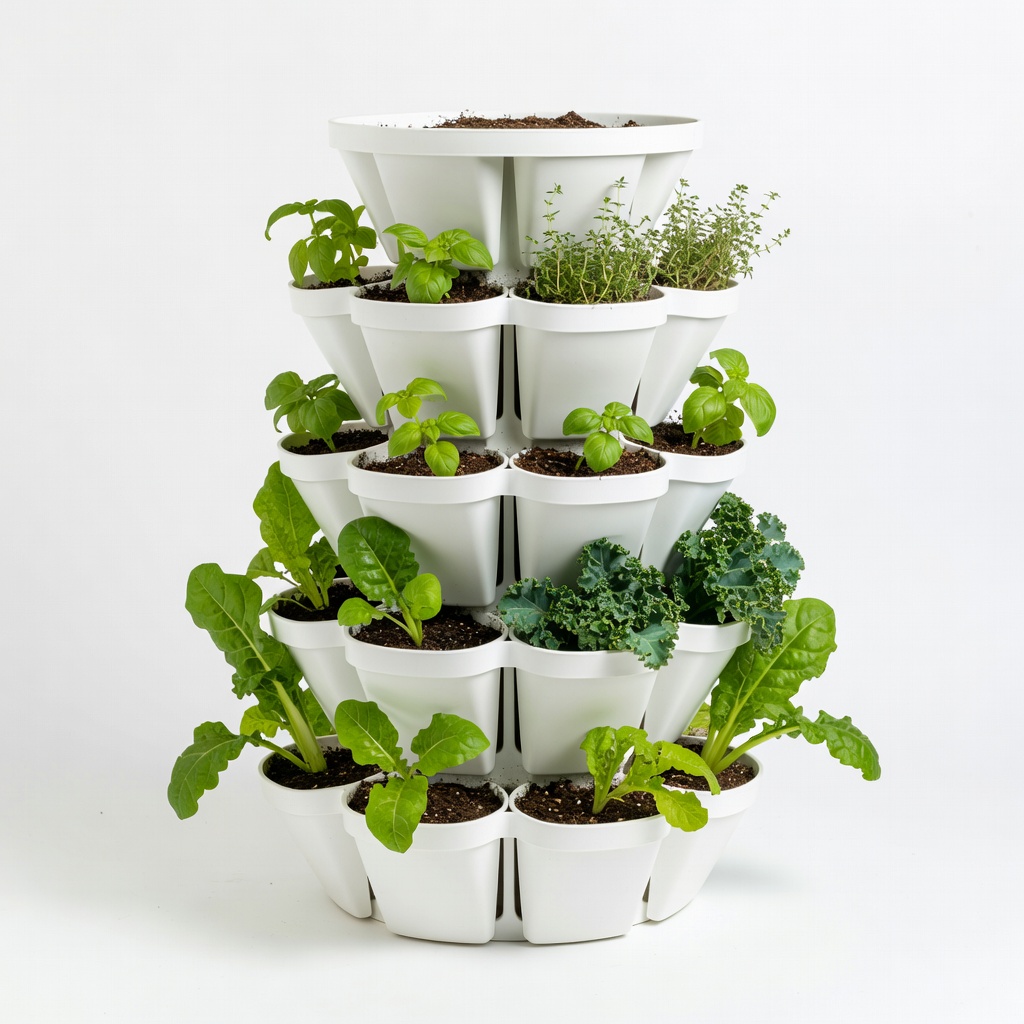
Mr. Stacky 5-Tier Vertical Garden Planter
This stackable system is durable, easy to assemble, and perfect for beginners scaling up space-saving gardens with its modular design.
Best for: Ideal for patios or balconies growing herbs and veggies; holds up to 20 plants.
Price Range: $39.99
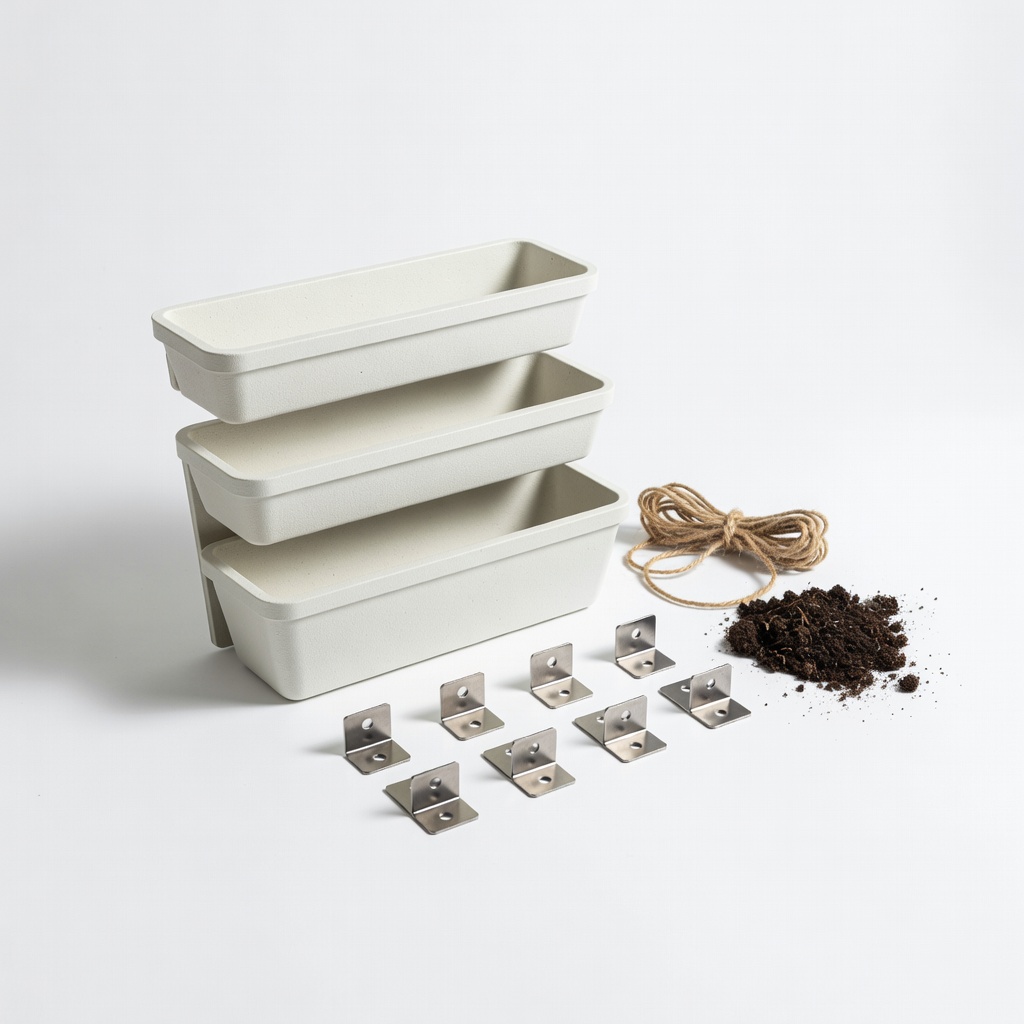
WallyGro Eco Vertical Garden Kit
Made from recycled materials with built-in irrigation, it promotes sustainable vertical farming while saving water.
Best for: Great for indoor walls or small apartments; suits succulents and trailing plants.
Price Range: $24.99-$49.99
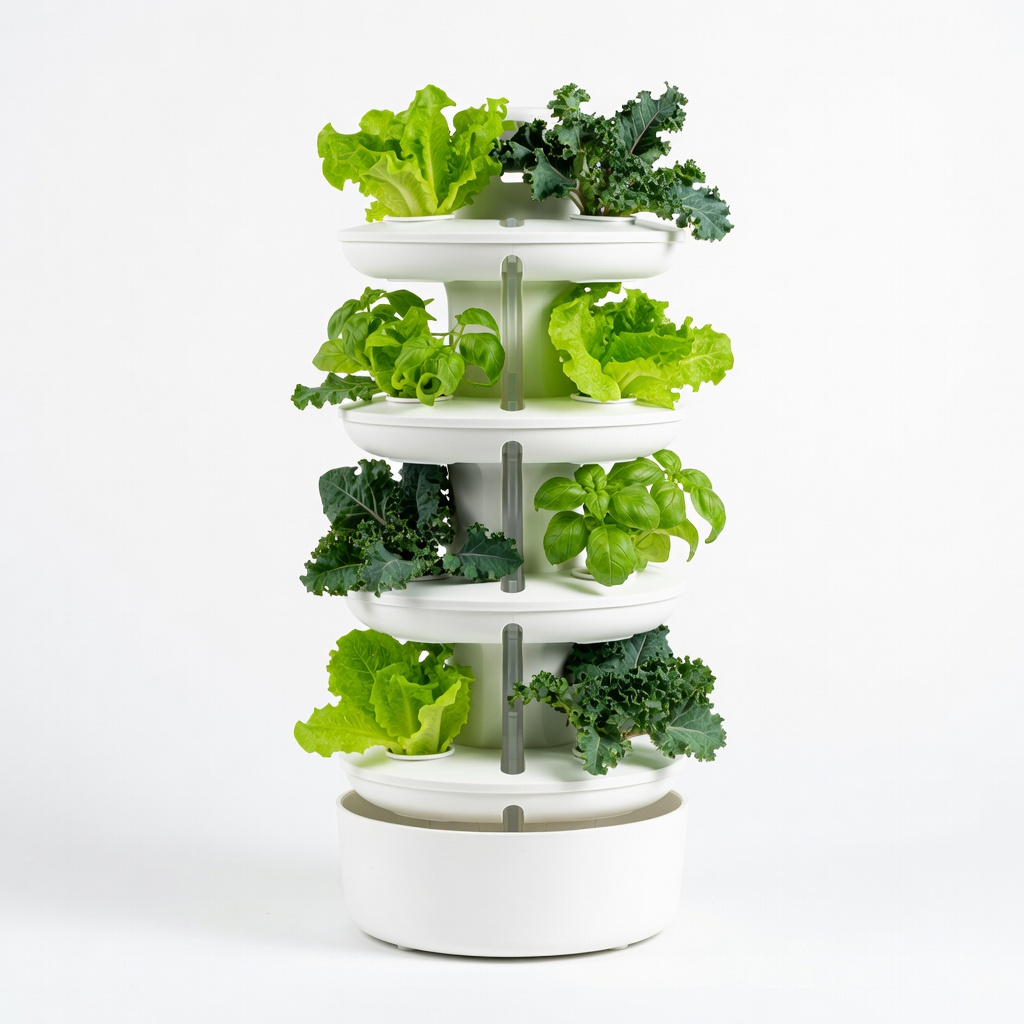
VIVOSUN 4-Tier Vertical Hydroponic Garden Tower
Soilless system with LED lights for year-round growth, ideal for tech-savvy intermediate users wanting hydroponics.
Best for: Indoor use for leafy greens; automates nutrient delivery.
Price Range: $89.99
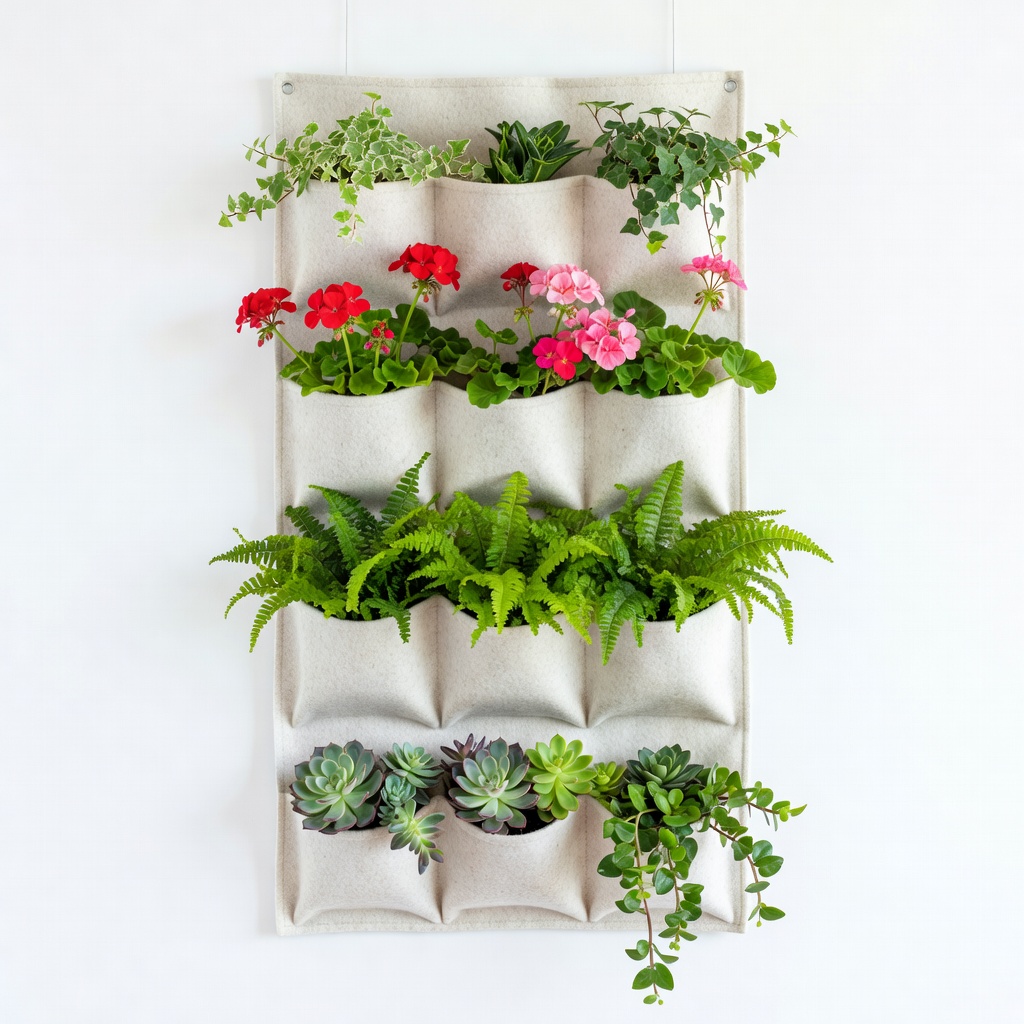
Gardening Grace Felt Pocket Vertical Planter
Affordable, lightweight pockets that hang easily, providing flexible space-saving options without tools.
Best for: Wall-mounted for herbs in kitchens; expandable from 3 to 10 pockets.
Price Range: $15.99
Lechuza Pon Self-Watering Vertical Planter
Self-watering feature reduces maintenance, ensuring consistent moisture for vertical setups.
Best for: For busy gardeners with outdoor fences; works well for flowers and edibles.
Price Range: $50-$70