In a world where vintage decor is booming, mid-century modern (MCM) furniture stands out as timeless pieces that blend functionality with artistic flair. Whether you're a collector eyeing an Eames chair or a homeowner wondering if that retro sideboard is a gem, understanding its value can turn curiosity into profit or smart investment. But with reproductions flooding the market and prices fluctuating, it's easy to overpay or undervalue treasures.
This guide breaks down the essence of MCM furniture value for intermediate enthusiasts. You'll learn its historical context, key value drivers, and practical appraisal steps. By the end, you'll confidently assess pieces in your space or at auctions. Expect a straightforward read—no deep expertise needed, just an interest in design history. It'll take about 15-20 minutes to absorb, empowering you to spot winners in the wild.
▸What You'll Need
- •Basic knowledge of 20th-century design history (prerequisite for context)
- •Access to online resources like auction sites (e.g., 1stDibs or Christie's)
- •A magnifying glass or loupe for examining maker's marks (optional but recommended)
- •Reference books on MCM designers (optional for deeper dives)
Estimated Time: 15-20 minutes
Difficulty: intermediate
▸Step-by-Step Instructions
Step 1: Understand the Origins of Mid-Century Modern
Mid-century modern furniture emerged post-World War II, roughly from the 1940s to 1960s, in the United States and Europe. It was a response to wartime austerity, emphasizing clean lines, organic forms, and affordable innovation. Designers like Charles and Ray Eames, Eero Saarinen, and George Nelson pioneered this style, drawing from Bauhaus influences while incorporating new materials like molded plywood and fiberglass.
Why does this matter for value? Pieces from this era capture a cultural shift toward modernism, making authentic ones highly sought after. Expect to recognize icons like the Eames Lounge Chair or Noguchi table—these aren't just furniture; they're design history. Start by familiarizing yourself with the timeline to contextualize any piece's authenticity.
As an analogy, think of MCM as the 'iPhone' of furniture: revolutionary at the time, now a collector's staple due to its impact.
💡 Tips:
- •Browse free online timelines from MoMA's website for quick visual aids.
⚠️ Warnings:
- •Don't confuse MCM with Art Deco; the former is post-1940s and more minimalist.
Step 2: Identify Key Characteristics of MCM Pieces
MCM furniture is defined by simplicity: tapered legs, geometric shapes, and integration of form and function. Materials include teak, walnut, chrome, and plastics, often with visible joinery to showcase craftsmanship. Look for asymmetry, like in wormwood sideboards, or biomorphic curves inspired by nature.
These traits signal value because they reflect the era's optimism and industrial progress. A true MCM piece feels light yet sturdy, avoiding ornate details. Expect variations—Scandinavian MCM (e.g., Hans Wegner chairs) leans warmer with wood, while American styles are bolder with upholstery.
To spot one, examine proportions: furniture should scale humanely, not dominate a room. This step builds your eye for authenticity, crucial before pricing.
💡 Tips:
- •Use apps like Google Lens to match photos of suspected pieces to known MCM designs.
⚠️ Warnings:
- •Beware of 'mid-century inspired' labels; they often mean modern knockoffs without historical value.
Step 3: Assess the Designer's Influence on Value
Value skyrockets with renowned creators. Eames pieces can fetch $5,000-$50,000 at auction due to their innovation and scarcity. Lesser-known but authentic makers like Knoll or Herman Miller add premium—expect 20-50% uplift for branded items.
Why the designer matters: They embody the style's legacy. Saarinen's Tulip Chair, for instance, solves the 'slat chair' problem elegantly, making it iconic. Research via books or sites to match signatures or labels.
Anticipate variability; prototypes or limited editions command top dollar, while mass-produced items hold steady value if well-preserved.
💡 Tips:
- •Cross-reference with databases like the Eames Office archive for verified designs.
⚠️ Warnings:
- •Fakes often mimic signatures poorly—always verify provenance.
Step 4: Evaluate Condition and Originality
A piece's state is paramount: pristine originals with matching hardware can double value over restored ones. Check for patina—light wear adds charm, but cracks or missing parts deduct significantly. Upholstery should match era fabrics; replacements lower authenticity.
This matters because MCM was built to last, so wear signals use, not defect. Expect professional restoration to boost value if done subtly, but over-restoring (e.g., sanding original finishes) erases history.
Inspect under light for repairs; originality preserves the 'story' collectors crave, akin to a vintage car's unmolested engine.
💡 Tips:
- •Document condition with photos from multiple angles for appraisals.
⚠️ Warnings:
- •Avoid DIY fixes; they can devalue more than help.
Step 5: Factor in Rarity, Provenance, and Market Trends
Rarity drives premiums: limited production runs or celebrity-owned items (provenance via receipts or photos) can multiply value 5-10x. Current trends favor sustainable woods and versatile pieces, with MCM appreciating 10-15% annually per recent auction data.
Why track this? The market is hot—post-pandemic, demand surged for comforting, nostalgic designs. Check sites like LiveAuctioneers for comps; a Wegner chair might go for $10,000 today vs. $2,000 a decade ago.
Expect fluctuations: economic shifts affect luxury buys, but MCM's enduring appeal buffers dips.
💡 Tips:
- •Subscribe to newsletters from Sotheby's for real-time trend alerts.
⚠️ Warnings:
- •Ignore hype; base value on verified sales, not social media claims.
Step 6: Learn to Appraise and Sell Your Pieces
Start with free online tools like WorthPoint for estimates, then consult appraisers for $100-$300 fees. For selling, platforms like Chairish or eBay suit casuals, while auctions maximize pros.
This step ties it together: combine prior knowledge for a ballpark ($500-$5,000 for entry-level, $20,000+ for icons). Expect negotiation—buyers haggle 10-20%.
Provenance papers boost credibility, turning a $1,000 piece into $3,000. It's like valuing art: informed eyes spot the gold.
💡 Tips:
- •Get multiple appraisals for high-value items to average estimates.
⚠️ Warnings:
- •Undervaluing due to lack of research can mean leaving money on the table.
▸Pro Tips
- •Build a reference library of MCM photos to train your eye quickly.
- •Attend virtual auctions to observe bidding patterns and learn market vibes.
- •Network in online forums like Reddit's r/Mid_Century for insider tips on undervalued pieces.
- •Focus on multifunctional items like ottomans—they hold value better in modern homes.
- •Use UV light to detect invisible repairs on wood finishes.
- •Track seasonal sales; spring often sees higher demand for outdoor MCM.
- •Pair pieces with documentation for 30% value uplift at resale.
▸Common Mistakes to Avoid
- •Overlooking minor condition issues, like loose joints, which can halve value—inspect thoroughly every time.
- •Assuming all 'vintage' is MCM; many 70s pieces mimic but lack era authenticity—verify dates.
- •Ignoring market comps and pricing emotionally—always research recent sales to stay objective.
- •Buying reproductions as investments; they depreciate while originals appreciate—check labels.
- •Skipping provenance checks, leading to fakes; demand history from sellers upfront.
▸Troubleshooting
Problem: Suspect a fake or reproduction
Solution: Compare maker's marks and construction to authentic examples using books or apps; consult an expert if marks seem off.
Problem: Value seems lower than expected
Solution: Reassess condition and rarity; get a second appraisal or check broader markets like international auctions.
Problem: Difficulty identifying the designer
Solution: Use photo-matching tools or join collector groups; for complex cases, hire a specialist via the Appraisers Association.
Problem: Market prices fluctuating wildly
Solution: Monitor trends quarterly; diversify collection to hedge against dips in specific sub-styles.
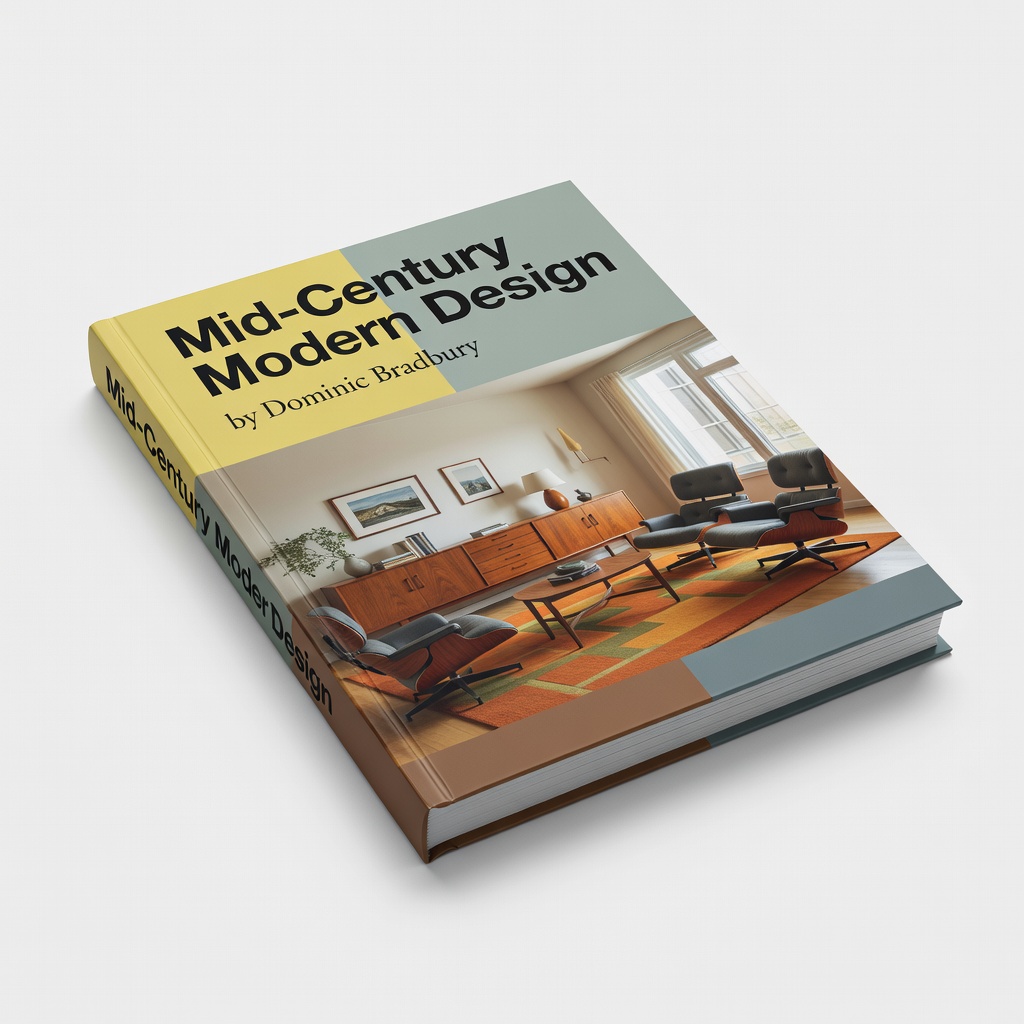
Mid-Century Modern Design by Dominic Bradbury
This comprehensive book provides detailed histories, photos, and value insights for key MCM pieces, helping you identify and appraise accurately.
Best for: Use as a reference when examining potential buys or your collection to contextualize designers and rarity.
Price Range: $25-$35
Carson MicroBrite Plus LED Pocket Microscope
A compact 120x magnifier ideal for inspecting fine details like maker's marks or wood grains without damaging pieces.
Best for: Essential for close-up checks during appraisals to spot authenticity cues invisible to the naked eye.
Price Range: $10-$15
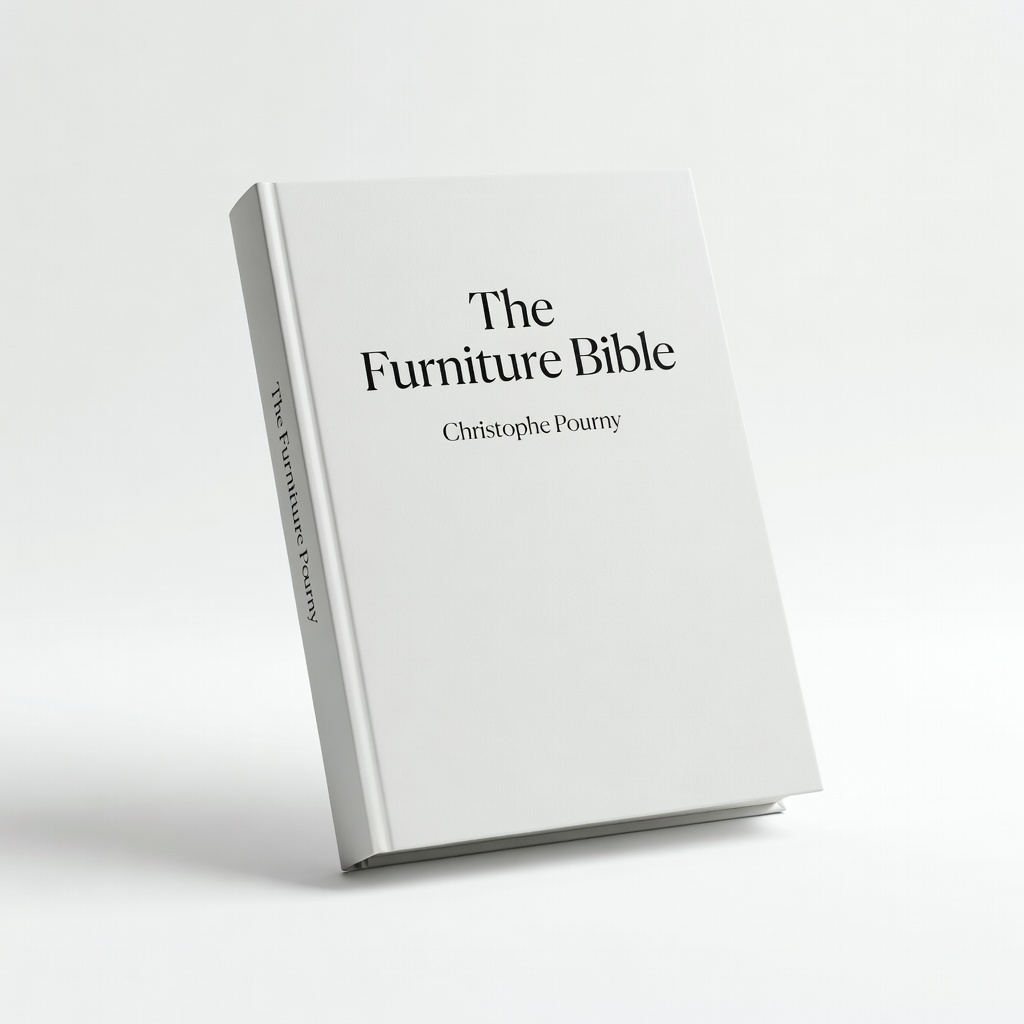
The Furniture Bible by Christophe Pourny
Offers restoration and valuation tips specific to vintage woods and finishes common in MCM, preventing costly mistakes.
Best for: Refer to it when evaluating condition or deciding on professional cleaning for optimal value retention.
Price Range: $20-$30
WorthPoint Online Subscription (1 Year)
Access to millions of auction records and price guides tailored to antiques, giving real-time comps for MCM items.
Best for: Subscribe for in-depth research before buying or selling to ensure fair pricing based on historical data.
Price Range: $100-$150
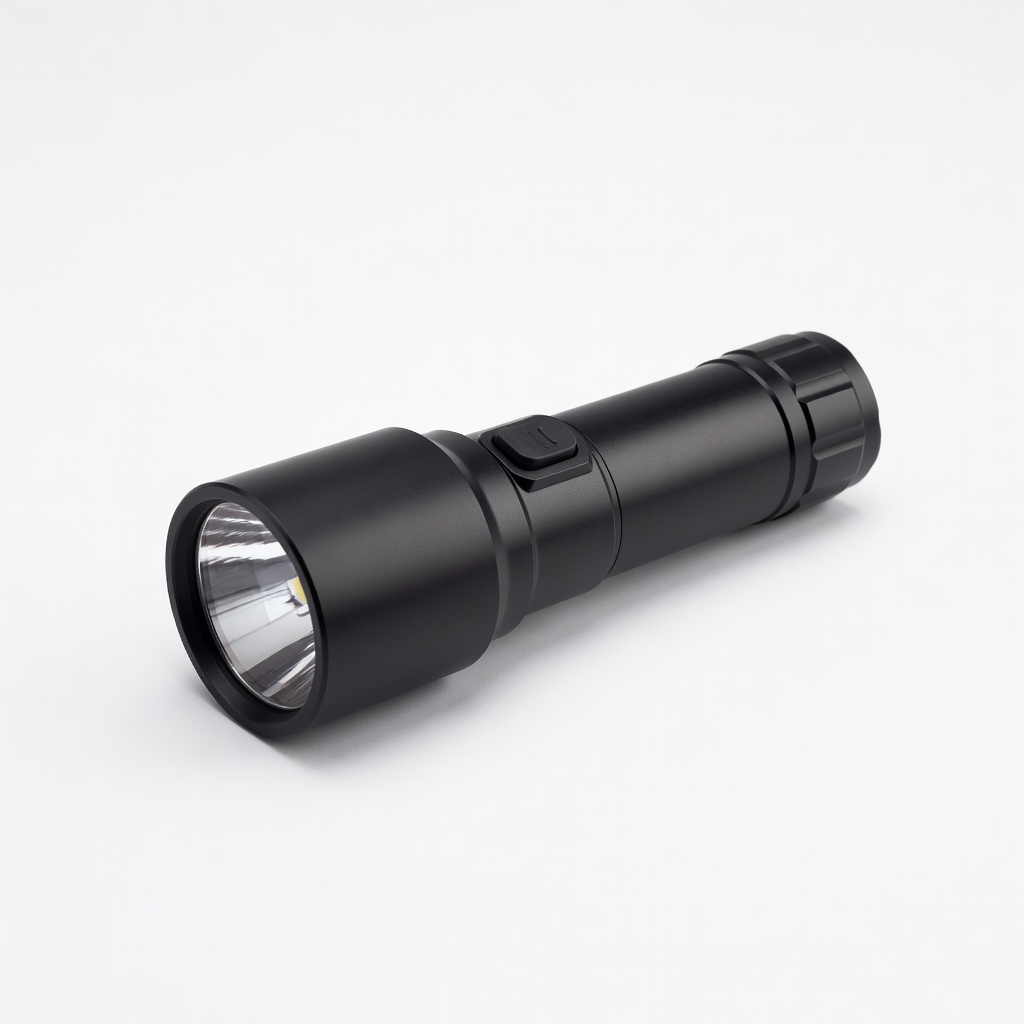
UV Blacklight Flashlight for Inspection
Reveals hidden repairs or alterations in wood and fabrics, a pro tool for verifying originality in MCM furniture.
Best for: Scan pieces in low light to detect fluorescence from modern glues or paints that indicate fakes.
Price Range: $15-$25