Imagine setting up your dream aquarium, only to watch your fish gasp for air or die suddenly. This heartbreaking scenario often stems from a misunderstood process: the nitrogen cycle. Without it, toxic waste from fish and uneaten food builds up, turning your tank into a hazardous environment. As a beginner aquarist, grasping this cycle is your first line of defense for a thriving underwater world.
In this guide, you'll learn what the nitrogen cycle is, how it works in simple terms with everyday analogies, and practical steps to get it started in your aquarium. We'll break down the science into bite-sized pieces, using examples like a natural filtration system in your backyard compost. No prior biology knowledge is needed—just curiosity and a bit of patience. Expect to spend about 10-15 minutes reading, with concepts that are easy to apply right away.
By the end, you'll know how to monitor and maintain this invisible cycle, ensuring your fish live long, healthy lives. This foundational knowledge sets you up for success in all aquarium hobbies.
▸What You'll Need
- •Basic understanding of aquarium setup (e.g., tank, filter, and substrate—if you have one)
- •Access to an aquarium test kit (optional but recommended for hands-on learning)
- •Notebook or digital notes for jotting down key terms and observations
- •Online resources or a beginner aquarium book for visual diagrams (free via YouTube or library)
Estimated Time: 10-15 minutes to read and understand
Difficulty: beginner
▸Step-by-Step Instructions
Step 1: Understand Nitrogen's Role in Aquariums
Nitrogen is everywhere—it's in the air we breathe and the food we eat—but in aquariums, it comes from waste. Fish produce ammonia (NH3) through gills and as a byproduct of decaying food or plants. Think of ammonia as the 'raw sewage' in your tank; it's highly toxic to fish even in small amounts, causing burns, stress, and death.
Why does this matter? Without a way to process ammonia, your aquarium water turns poisonous quickly. The nitrogen cycle is nature's cleanup crew: beneficial bacteria convert this waste into safer forms. For beginners, picture it like a compost bin where kitchen scraps (ammonia) break down into nutrient-rich soil (safer nitrates) over time.
Expect to see why cycling your tank before adding fish is crucial—it's like seasoning a new pan before cooking to avoid ruining your meal.
💡 Tips:
- •Start with a small tank (10-20 gallons) to observe the cycle more easily.
⚠️ Warnings:
- •Never skip this step; adding fish too soon leads to 'new tank syndrome'.
Step 2: Learn About the Ammonia Phase
The cycle begins with ammonia accumulation. Every time your fish eats, poops, or uneaten food rots, ammonia levels rise. In a new tank, this can hit dangerous levels (above 0.25 ppm) within days.
Beneficial bacteria called Nitrosomonas step in here. They 'eat' the ammonia and excrete nitrite (NO2) as a byproduct. It's like the first stage of recycling: turning hazardous waste into something less immediately dangerous but still harmful. This phase typically takes 1-2 weeks to establish in a cycling tank.
What to expect: During setup, you'll add an ammonia source (like fish food) to kickstart bacterial growth. Monitor with a test kit to see levels peak and then drop—that's your cue the bacteria are working.
💡 Tips:
- •Use pure ammonia (unscented household type) if cycling without fish for a controlled start.
⚠️ Warnings:
- •High ammonia stresses fish; symptoms include lethargy or red gills—act fast by water changes.
Step 3: Explore the Nitrite Conversion Stage
Once ammonia drops, nitrite levels spike. Nitrite is toxic too—it binds to fish blood, preventing oxygen transport, like carbon monoxide poisoning in humans. Levels above 0.5 ppm are risky.
Enter Nitrobacter bacteria: they transform nitrite into nitrate (NO3), which is much safer. This second wave of bacteria colonizes your filter and substrate, usually taking another 1-2 weeks. Analogy: If ammonia is raw trash, nitrite is sorted recyclables—still messy, but closer to usable.
In practice, test your water weekly during cycling. When both ammonia and nitrite hit zero, you're in the home stretch. This stage is why patience is key; rushing it invites problems.
💡 Tips:
- •Boost oxygen with an air stone to help bacteria thrive—they need it to multiply.
⚠️ Warnings:
- •Avoid over-cleaning filters during this phase; it kills off the good bacteria.
Step 4: Grasp the Nitrate Endpoint and Maintenance
Nitrate is the final, least toxic form—plants love it as fertilizer, but high levels (above 40 ppm) can still harm sensitive fish over time. In a balanced aquarium, nitrates stay low through regular water changes (25-50% weekly).
The full cycle is now self-sustaining, like a well-oiled machine. Algae and live plants help absorb nitrates naturally. For beginners, this means your tank is 'cycled' and ready for fish once ammonia and nitrite are undetectable.
Expect ongoing vigilance: Overfeeding or dead fish can restart mini-cycles. Regular testing keeps everything in check, ensuring a stable ecosystem.
💡 Tips:
- •Add live plants early to naturally reduce nitrates and support the cycle.
⚠️ Warnings:
- •Don't let nitrates climb too high; it promotes algae blooms that cloud your tank.
Step 5: Set Up and Monitor Your Tank's Cycle
To establish the cycle, start with a cycled filter from a friend or use bottled bacteria. Add an ammonia source and let it run for 4-6 weeks without fish. Test water parameters twice a week.
Why it matters: This 'fishless cycling' method is safer for beginners, building bacteria colonies gradually. Track progress in a log: Day 1 ammonia spike, Week 2 nitrite rise, Week 4 all clear.
What to expect: The process smells fishy at times (normal bacterial work), and patience pays off with a healthy tank.
💡 Tips:
- •Use a heater to keep water at 75-80°F; warmer temps speed up bacterial growth.
⚠️ Warnings:
- •Test kits expire—replace yearly for accurate readings.
Step 6: Introduce Fish Safely After Cycling
Once tests show zero ammonia/nitrite and nitrates under 20 ppm, add fish gradually—start with hardy species like guppies. Quarantine new fish to avoid introducing diseases that disrupt the cycle.
This step solidifies the cycle under real load. Monitor closely for the first month; small water changes prevent shocks.
Analogy: It's like testing a new car on short drives before a road trip—ensures everything runs smoothly.
💡 Tips:
- •Add 1-2 fish per 10 gallons to avoid overwhelming the system.
⚠️ Warnings:
- •Sudden fish additions can crash the cycle; always acclimate slowly.
▸Pro Tips
- •Perform 20-30% water changes weekly to keep nitrates low without disturbing bacteria.
- •Use a sponge filter for beginners—it's gentle and promotes bacterial growth.
- •Feed sparingly: Only what fish eat in 2 minutes to minimize waste.
- •Incorporate live plants like Java fern to absorb nitrates naturally.
- •Track parameters in an app like Aquarium Note for easy reminders.
- •Boost cycling with fishless methods using pure ammonia for faster results.
- •Maintain pH between 6.5-7.5; extreme swings slow bacterial activity.
▸Common Mistakes to Avoid
- •Adding fish before the cycle completes, leading to ammonia poisoning—avoid by testing first.
- •Overfeeding, which spikes ammonia—feed small amounts daily instead.
- •Skipping regular water changes, causing nitrate buildup and algae—schedule them weekly.
- •Cleaning the entire filter at once, killing beneficial bacteria—clean only 1/3 at a time.
- •Ignoring test kit maintenance, getting false readings—calibrate or replace as needed.
▸Troubleshooting
Problem: Sudden ammonia spike after cycling
Solution: Do a 50% water change immediately, reduce feeding, and add beneficial bacteria product. Retest in 24 hours; if persistent, check for dead plants or overstocking.
Problem: Nitrite levels won't drop
Solution: Increase aeration with an air pump and ensure water temp is 75°F+. Add a nitrite-eating bacteria booster. If no improvement in a week, partial water change and retest.
Problem: Cycle takes longer than 6 weeks
Solution: Verify ammonia source strength and add more if needed. Seek advice from aquarium forums if bacteria aren't colonizing—may need seeded media from an established tank.
Problem: Fish showing stress despite cycled tank
Solution: Test all parameters; nitrates might be high—change water. Acclimate new fish properly. If symptoms persist (e.g., gasping), consult a vet or local fish store for disease check.
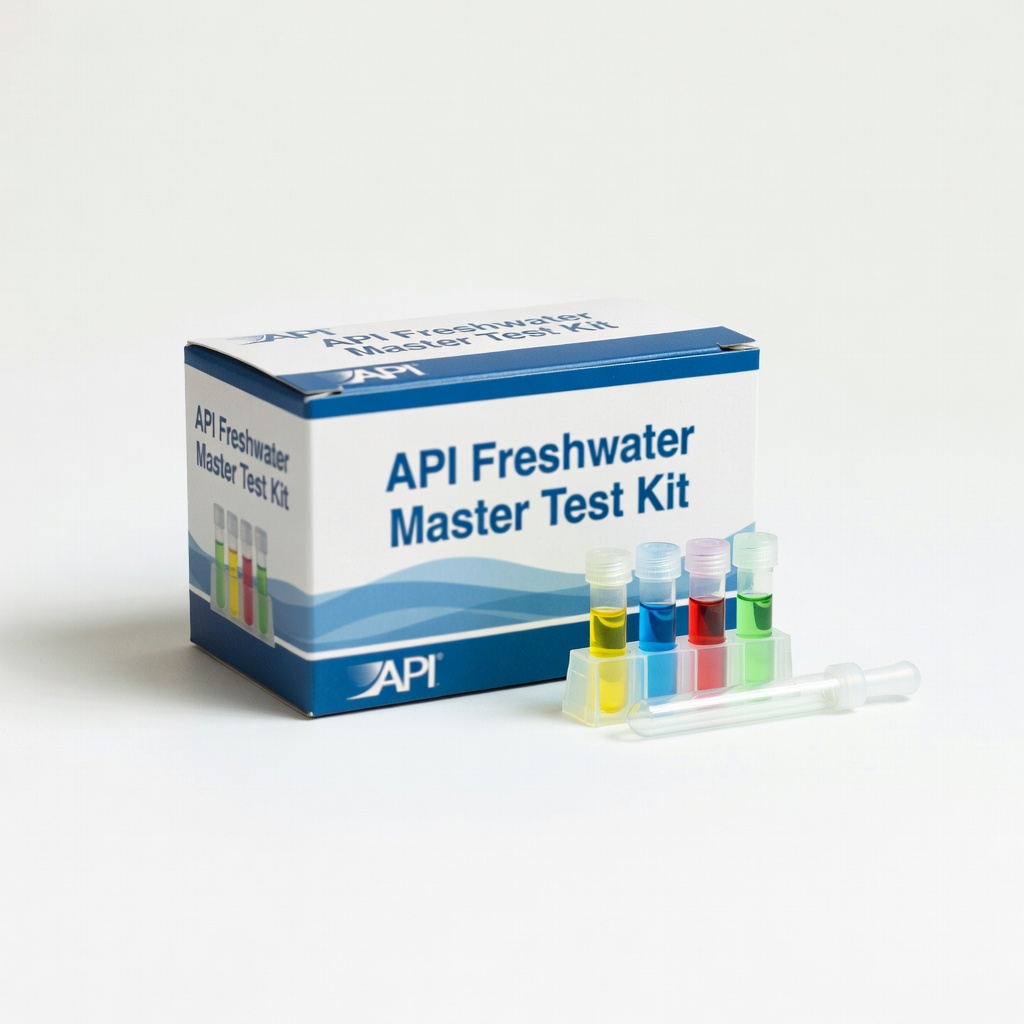
API Freshwater Master Test Kit
Essential for monitoring ammonia, nitrite, and nitrate levels accurately during and after cycling.
Best for: Use weekly to track cycle progress or troubleshoot issues in any freshwater aquarium.
Price Range: $20-30 (affordable for starters)
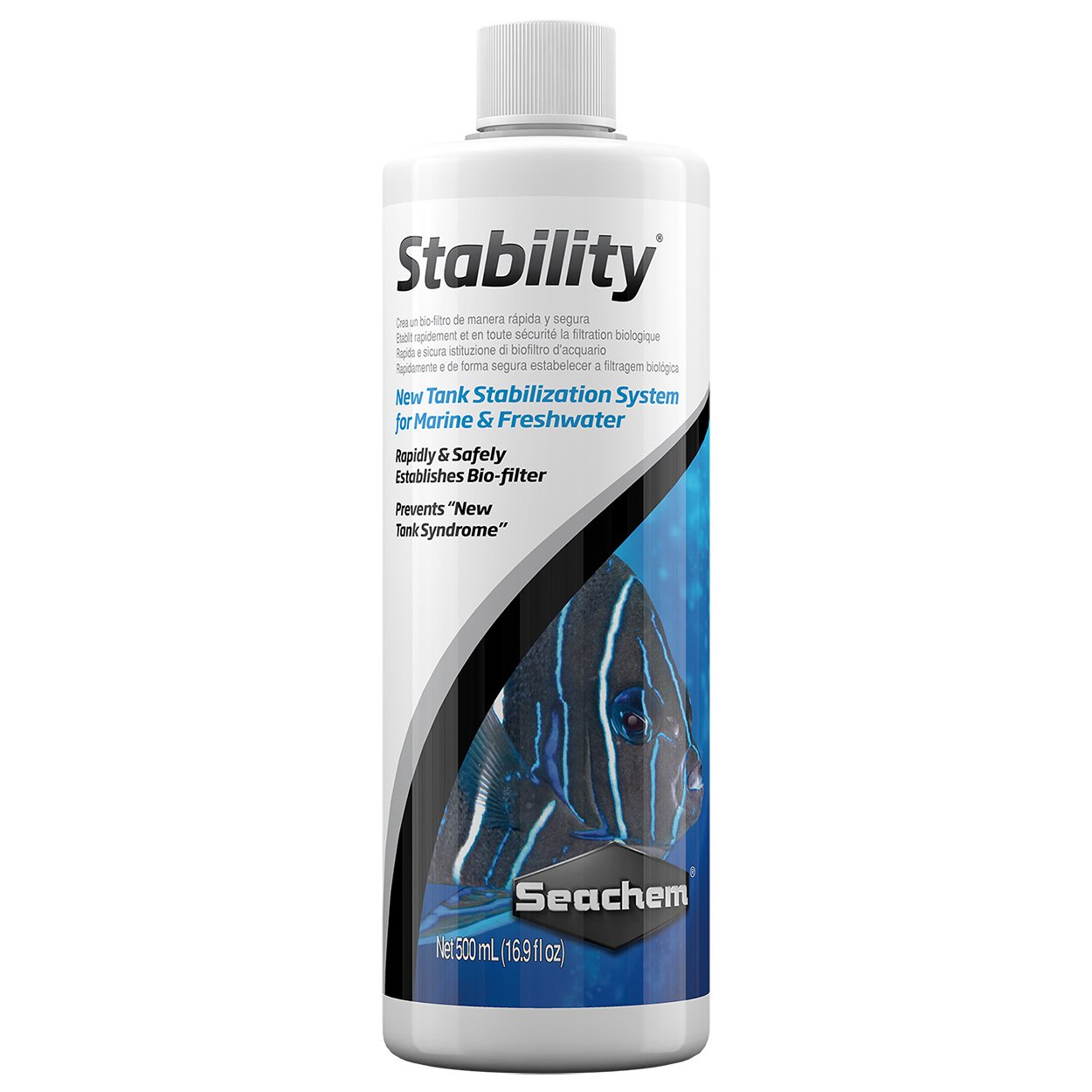
Seachem Stability
Contains beneficial bacteria to jumpstart or stabilize the nitrogen cycle, reducing setup time.
Best for: Add during fishless cycling or after water changes to prevent mini-crashes.
Price Range: $10-15 (budget-friendly bottle lasts months)
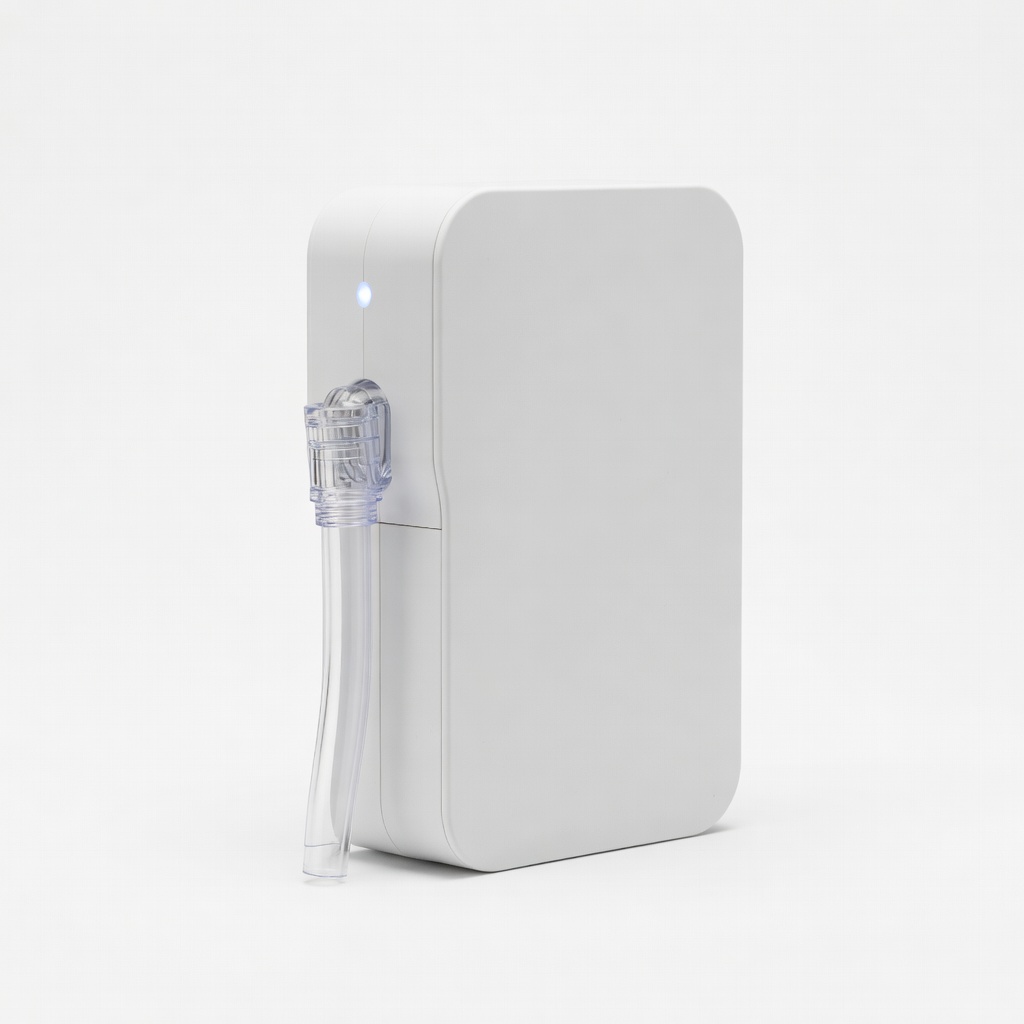
Aqueon QuietFlow LED Aquarium Power Filter
Provides mechanical and biological filtration to house nitrogen-converting bacteria effectively.
Best for: Ideal for 10-30 gallon tanks; replace cartridges monthly without disrupting the cycle.
Price Range: $25-40 (mid-range, reliable for new setups)
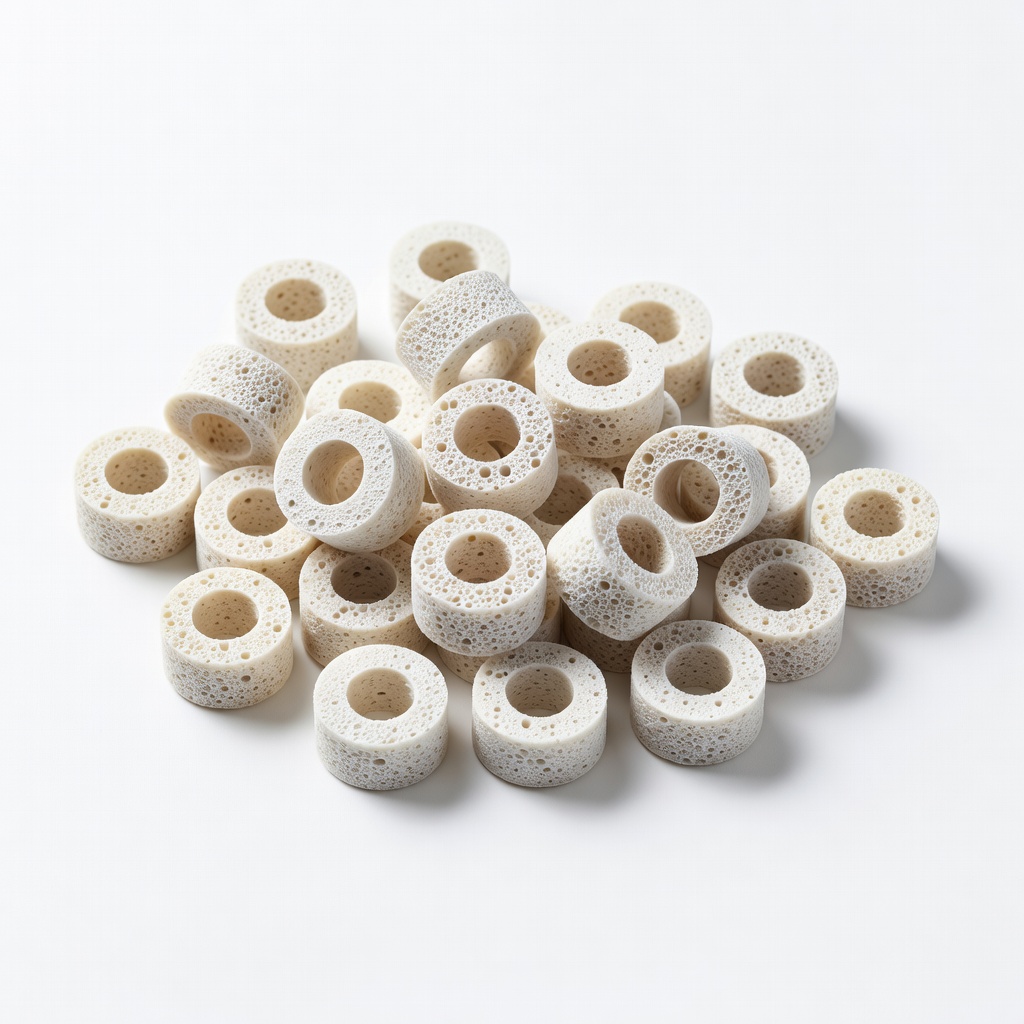
Fluval BioMax Bio Rings
Media that maximizes surface area for bacterial growth, enhancing the cycle's efficiency.
Best for: Place in filter for long-term biological filtration; rinse gently in tank water during maintenance.
Price Range: $10-20 (value pack for ongoing use)
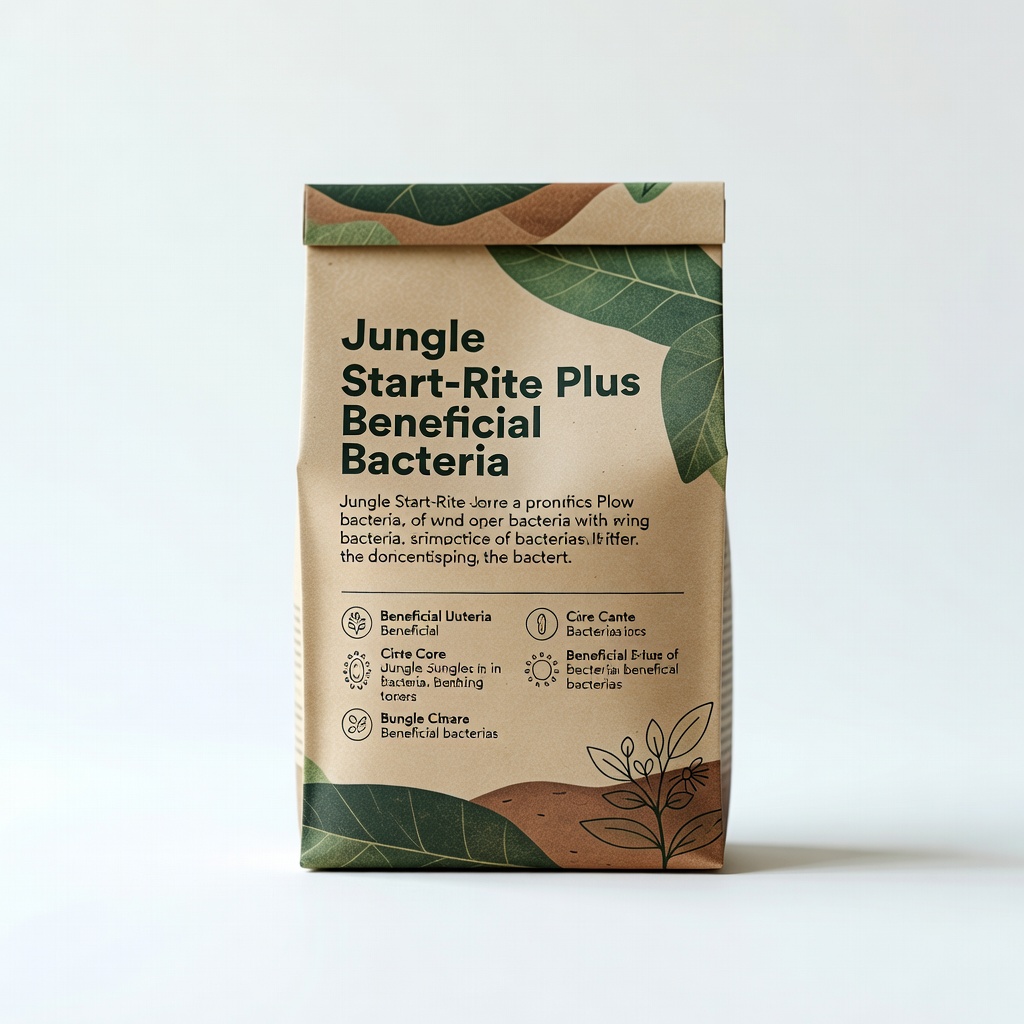
Jungle Start-Rite Plus Beneficial Bacteria
Targets all cycle stages, making it versatile for new or established tanks.
Best for: Dose after adding new fish or during restarts to maintain balance.
Price Range: $8-12 (inexpensive entry-level option)