Nothing's more frustrating than glancing at your watch only to find it's stopped ticking because the battery died unexpectedly. AAAA batteries power many slim quartz watches, but their lifespan varies widely, leaving owners guessing when replacement time arrives.
In this beginner-friendly guide, you'll learn the typical lifespan of AAAA batteries in watches (usually 1-3 years), what influences it, and simple ways to maximize performance. We'll break it down step-by-step with real-world examples and analogies—no technical jargon overload. Expect to finish reading and applying insights in just 10-15 minutes.
▸What You'll Need
- •Your watch (to check model and usage)
- •Watch manual (for battery specs)
- •Optional: Multimeter or battery tester for hands-on checking
Estimated Time: 10-15 minutes
Difficulty: beginner
▸Step-by-Step Instructions
Step 1: Understand What AAAA Batteries Are
AAAA batteries are tiny cylindrical power sources, measuring 8.3mm in diameter and 42.5mm long—like a mini AAA but slimmer. They're rated at 1.5V and used in low-drain devices like some quartz watches, laser pointers, and remotes.
In watches, they fit slim designs where larger AA or AAA won't. Think of them as the 'fuel tanks' for the quartz movement, which uses minimal electricity to keep time accurate. Expect capacities around 500-600 mAh for alkaline types.
This size matters because watches need compact, long-lasting power without bulk.
💡 Tips:
- •Compare sizes: AAAA is half the volume of AAA, ideal for thin watches.
Step 2: Why Watches Use AAAA Batteries
Quartz watches (electric-powered, not mechanical) rely on a battery-driven circuit to vibrate a crystal 32,768 times per second for precise timekeeping. AAAA batteries are chosen for their slim profile in designer or sports watches like certain Casio or Timex models.
Unlike button cells (common in many analogs), AAAA suit digital displays or modules needing steady voltage. Analogy: Button cells are like AA for heavy use; AAAA are efficient for steady, light sipping.
⚠️ Warnings:
- •Not all watches use AAAA—check your manual to avoid mismatches.
Step 3: Know the Average Lifespan
On average, AAAA batteries last 1-3 years in watches. Basic analog quartz: 2-3 years. Digital with backlight/alarm: 6-18 months. High-end low-drain: up to 5 years.
This is based on daily use at room temperature. Real-world example: A Casio F91W digital watch often goes 2 years on one AAAA.
💡 Tips:
- •Track from installation date for planning.
Step 4: Compare Battery Types and Lifespans
Alkaline AAAA (e.g., Energizer A92): 1-2 years, affordable but voltage drops over time.
Lithium AAAA (e.g., Energizer L92): 3-5+ years, stable voltage, better in cold.
Silver oxide (less common for AAAA, more button cells): Superior for watches, flatter discharge curve.
Analogy: Alkaline is like regular gas; lithium is premium for longer hauls.
Step 5: Identify Key Factors Affecting Lifespan
Lifespan shrinks with high features (backlight, alarms), extreme temps (cold <50% life), poor quality, or infrequent use (self-discharge). Humidity or magnetism also drains faster.
Example: Winter sports watch in cold? Expect half life. Low-drain mode extends it.
Why it matters: Understanding lets you predict and prevent dead batteries.
⚠️ Warnings:
- •Avoid extreme heat >100°F—can leak or explode.
Step 6: Spot Signs of Low Battery Life
Watch runs fast/slow, loses time daily, digital display dims/flickers, or stops. Second hand stutters (end-of-life signal in analogs).
Test: Remove and check voltage (should be >1.2V). Expect gradual fade, not sudden death.
💡 Tips:
- •Use app timers to log time accuracy.
Step 7: Learn When and How to Replace
Replace at first sign or every 2 years preventively. Use same type/voltage. Tools: Precision screwdriver. Expect 5-min job.
Pro tip: Buy in bulk for freshness (check date code).
▸Pro Tips
- •Store spare batteries in cool, dry place—extends shelf life 5+ years.
- •Remove battery if watch unused >1 month to prevent drain.
- •Choose lithium for cold climates or long-term reliability.
- •Enable power-saving modes on smart-ish watches.
- •Buy name-brand—cheaps die 20-30% faster.
- •Mark install date with tape for tracking.
- •Test voltage yearly with multimeter for early warning.
▸Common Mistakes to Avoid
- •Using wrong size/type (e.g., AAA)—causes poor fit or damage.
- •Ignoring expiration dates—old batteries leak, corroding contacts.
- •Exposing to heat/humidity—halves life and risks leaks.
- •Not cleaning contacts during replacement—leads to intermittent power.
- •Overlooking watch features—backlights drain 5x faster.
▸Troubleshooting
Problem: Watch stops after new battery
Solution: Check polarity (+/-), clean contacts with alcohol, ensure case sealed. Test battery voltage.
Problem: Battery drains super fast
Solution: Disable unused features, check for water damage, use higher-quality lithium type.
Problem: Display flickers but time ok
Solution: Voltage low—replace soon. Common in alkalines nearing end.
Energizer L92 Ultimate Lithium AAAA Batteries (2-Pack)
Provides 3-5x longer life than alkaline with stable voltage, ideal for watches in varied conditions.
Best for: Daily wear watches, cold weather, or low-drain quartz models.
Price Range: $8-$12
Duracell Coppertop AAAA Batteries (4-Pack)
Reliable alkaline option with good capacity for budget users, lasts 1-2 years in most watches.
Best for: Casual analog quartz watches without heavy features.
Price Range: $6-$9
Energizer A92 Alkaline AAAA Batteries (10-Pack)
Bulk pack for frequent replacements, fresh stock ensures max lifespan.
Best for: Multiple watches or high-drain digital models.
Price Range: $10-$15
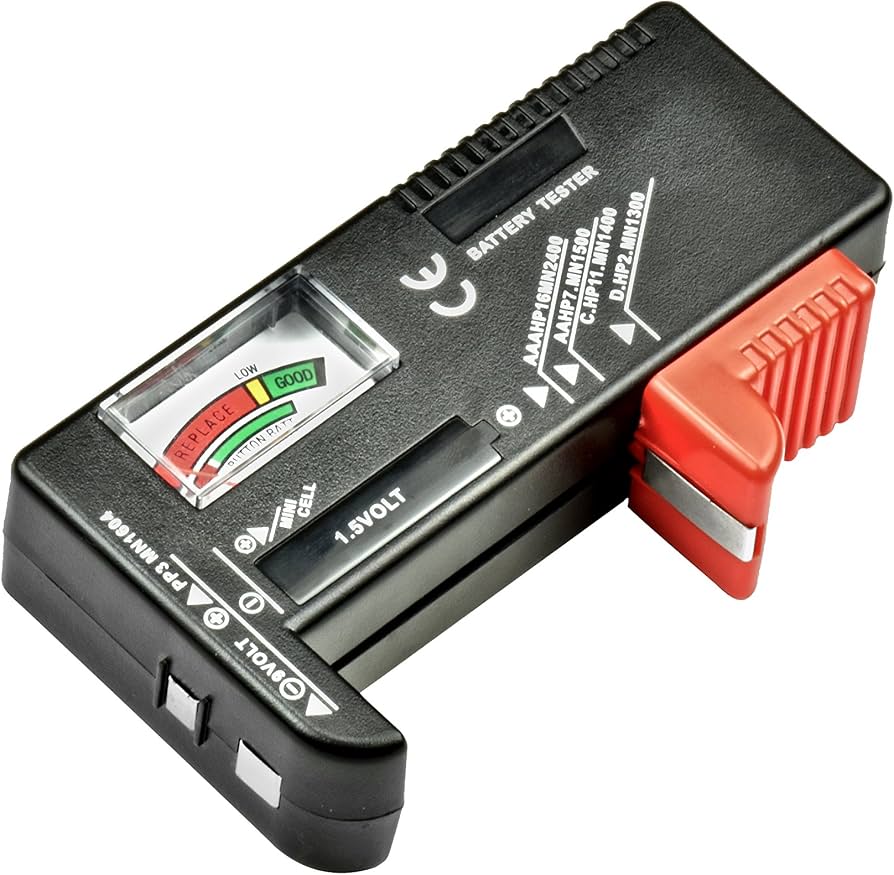
Extech BT20 Battery Tester
Quickly checks AAAA voltage/load to predict remaining life accurately.
Best for: Proactive monitoring before watch fails.
Price Range: $15-$20