Choosing the wrong 12V battery can lead to premature failure, safety issues, or poor performance in critical applications like RVs, marine vessels, boats, solar power systems, or off-grid setups. Many users struggle with the jargon, ending up with a battery that doesn't match their needs or maintenance habits.
In this guide, you'll learn the core differences between flooded (wet cell) and AGM (Absorbed Glass Mat) 12V batteries, including how they're built, how they perform, and when to choose one over the other. We'll break it down step-by-step with analogies, real-world examples, and tips to make it crystal clear.
Expect a straightforward read—no advanced electrical engineering required. You'll walk away confident in picking, using, and maintaining the right battery for your setup.
▸What You'll Need
- •Basic knowledge of voltage (12V) and capacity (Ah ratings)
- •Optional: Digital multimeter for voltage testing
- •Optional: Battery load tester for performance checks
Estimated Time: 10-15 minutes
Difficulty: intermediate
▸Step-by-Step Instructions
Step 1: Understand the Basics of 12V Lead-Acid Batteries
All 12V batteries discussed here are lead-acid types, the most common for automotive, marine, RV, and solar use. They store energy through chemical reactions between lead plates and sulfuric acid electrolyte.
Flooded and AGM are subtypes. Flooded batteries have liquid electrolyte that can slosh around (like water in a glass), while AGM uses a fiberglass mat to 'absorb' the electrolyte (like a sponge). This fundamental difference drives everything else.
Why it matters: Knowing this foundation helps you grasp why one might suit your vibration-heavy boat better than a stationary solar bank.
💡 Tips:
- •Think of lead-acid as the 'granddaddy' of rechargeable batteries—reliable but needs respect.
Step 2: What Are Flooded (Wet Cell) 12V Batteries?
Flooded batteries, also called wet cell or vented lead-acid (VLA), feature free-flowing liquid sulfuric acid electrolyte covering the lead plates. You can see and access the cells via removable caps.
Analogy: Like a classic car radiator—needs periodic checks and topping off with distilled water as it evaporates during use/charging.
Expect lower upfront cost but higher long-term maintenance. They're robust for deep cycling if cared for properly.
⚠️ Warnings:
- •Never tip them more than 45 degrees or they spill acid.
Step 3: What Are AGM 12V Batteries?
AGM stands for Absorbed Glass Mat. The electrolyte is soaked into special glass fiber mats pressed against the plates—no free liquid.
Analogy: A super-absorbent towel wringing out just enough moisture—no spills even if turned upside down.
They're sealed (valve-regulated), maintenance-free, and excel in shock/vibration environments. Slightly higher cost but longer life in demanding apps.
💡 Tips:
- •AGM = 'Always Good Maintenance-free' for busy users.
Step 4: Compare Construction and Design
| Feature | Flooded | AGM |
|---|
| Electrolyte | Liquid, fillable | Absorbed in mat |
| Seals | Vented caps | Sealed valves |
| Orientation | Upright only | Any angle |
| Spill Risk | High | None |
Flooded use cheaper materials but require venting for gases. AGM's mat increases internal resistance slightly but boosts durability.
Why it matters: Construction dictates safety and installation flexibility—e.g., AGM for tight boat compartments.
Step 5: Performance and Capacity Breakdown
Both deliver similar voltage (12V) and capacity (e.g., 100Ah), but AGM handles deeper discharges (50-80% vs 50% for flooded), recovers faster from deep cycles, and has 2x cranking amps.
Real-world: AGM shines in high-drain solar (faster recharge), flooded suffices for occasional RV use.
Lifespan: Flooded 300-700 cycles, AGM 500-1300 with proper care.
💡 Tips:
- •Match Ah rating to your load—e.g., 100Ah for 800Wh daily solar use.
Step 6: Maintenance Requirements
Flooded: Check water monthly, top with distilled water, clean terminals, equalize charge quarterly. Neglect = sulfation (crystal buildup kills capacity).
AGM: None—just keep clean and charged. No watering, no venting needed.
Pro tip: Flooded for tinkerers; AGM for set-it-and-forget-it.
⚠️ Warnings:
- •Use only distilled water on flooded—tap water minerals cause failure.
Step 7: Cost and Value Analysis
Flooded: $100-200 for 100Ah (cheaper initial).
AGM: $180-300 for 100Ah (20-50% more, but 1.5-2x lifespan offsets).
Total cost of ownership: AGM wins for frequent/deep use; flooded for budget/light duty.
Step 8: Best Applications and When to Choose Each
Flooded best for: Stationary solar banks, low-vibration RVs, budget starters (with maintenance commitment).
AGM best for: Boats (vibration/shock), off-road vehicles, enclosed spaces (no fumes), high-cycle solar.
Hybrid tip: Pair flooded bank with AGM starter battery.
💡 Tips:
- •Calculate your needs: Daily Ah use x days autonomy / DoD efficiency.
▸Pro Tips
- •Store both types at 50% charge for long-term—prevents sulfation.
- •Use a smart charger with AGM mode to avoid overvoltage.
- •Monitor voltage weekly: 12.6V+ = full, 12.0V = 50%.
- •Mount AGM on side for space-saving in tight battery boxes.
- •For flooded, equalize every 3 months to balance cells.
- •Pair with inverter for AC loads—size battery bank 2-3x inverter rating.
- •Test specific gravity (flooded only) with hydrometer for health check.
▸Common Mistakes to Avoid
- •Using flooded in unvented spaces—hydrogen gas buildup risks explosion.
- •Charging AGM with flooded 'fast charge' settings—overheats and shortens life.
- •Ignoring flooded water levels—plates expose, causing permanent damage.
- •Assuming all 'deep cycle' are equal—check label for AGM vs flooded.
- •Over-discharging either below 50% regularly—halves lifespan.
▸Troubleshooting
Problem: Battery won't hold charge
Solution: Check connections/terminals first. For flooded, test electrolyte levels/specific gravity (1.265 full). For AGM, load test. Replace if <10.5V under load.
Problem: Overcharging—use voltage-regulated charger. Vent flooded immediately.
Solution: undefined
Problem: Sulfation (white crystals on terminals)
Solution: Clean with baking soda/water. Desulfate with pulse charger. Prevent with proper storage.
Problem: Slow cranking
Solution: Cold cranking amps mismatch—upgrade to higher CCA model. Charge fully.
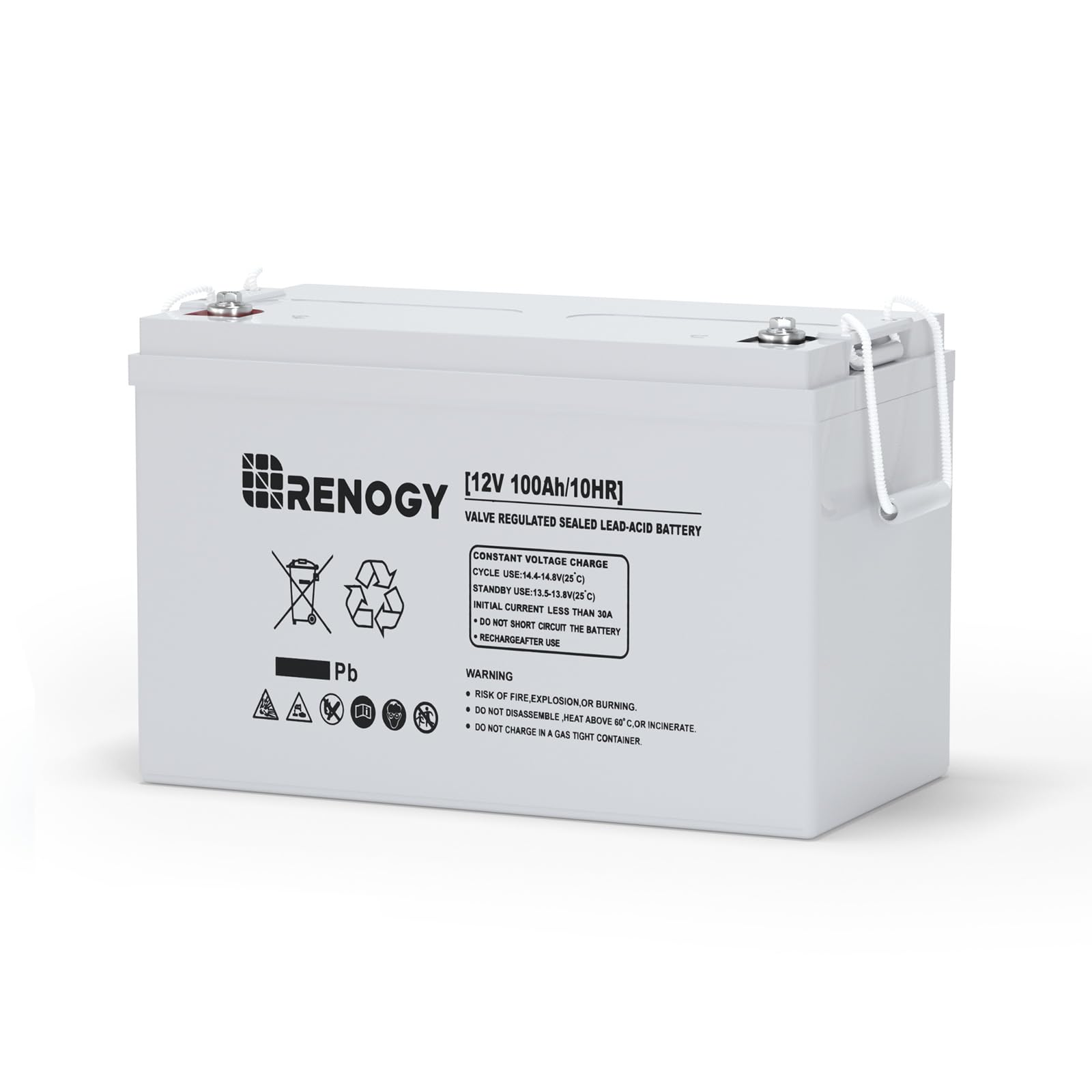
Renogy 12V 100Ah AGM Deep Cycle Battery (ASIN: B07V5R5NDZ)
Top-rated for reliability, maintenance-free design, and deep cycle performance—ideal upgrade from flooded.
Best for: Solar panels, RVs, or marine where vibration is high.
Price Range: $210-$230
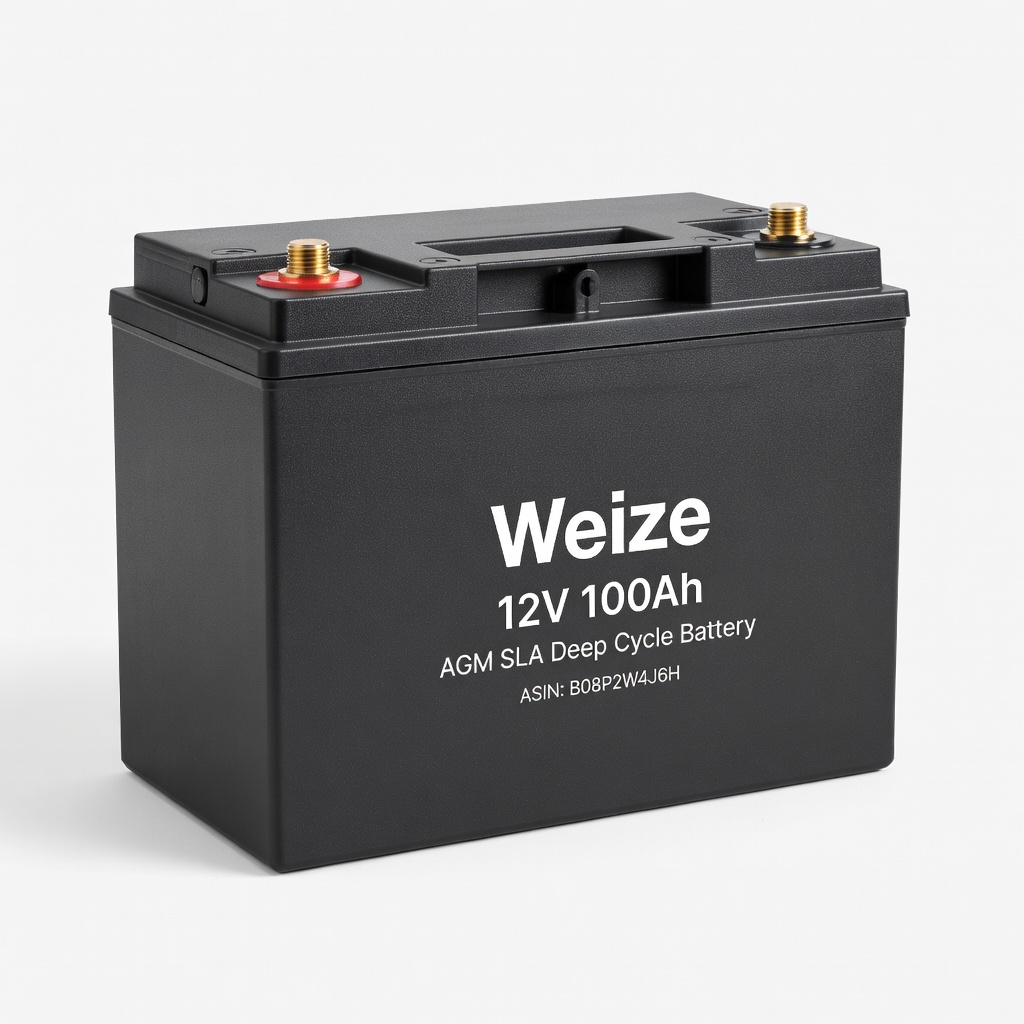
Weize 12V 100Ah AGM SLA Deep Cycle Battery (ASIN: B08P2W4J6H)
Budget-friendly AGM with solid cycle life and spill-proof build—great value for intermediates.
Best for: Backup power or light off-grid use without premium price.
Price Range: $160-$180
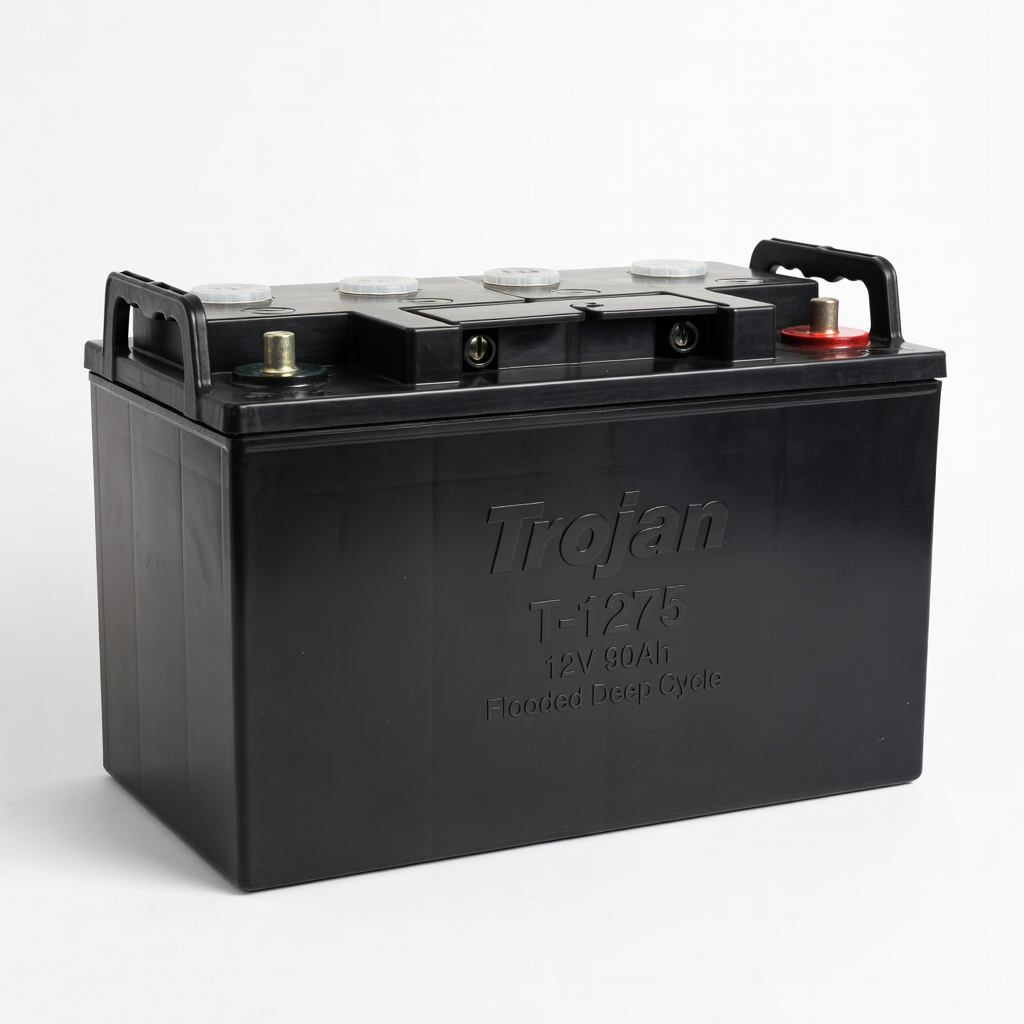
Trojan T-1275 12V 90Ah Flooded Deep Cycle Battery
Industry-standard flooded for proven longevity in stationary apps—handles abuse if maintained.
Best for: Fixed solar banks or RVs with regular watering routine.
Price Range: $250-$300
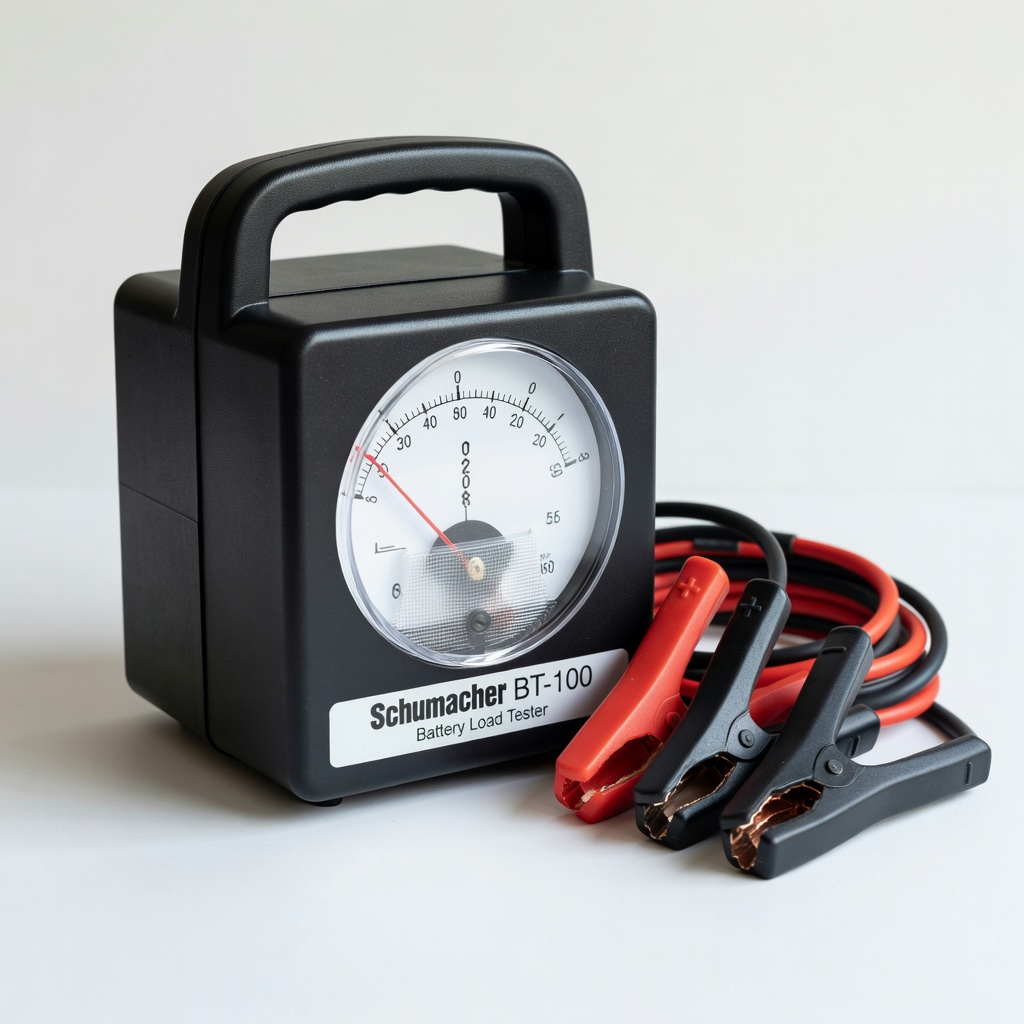
Schumacher BT-100 Battery Load Tester (ASIN: B0002KRI7K)
Quickly diagnoses flooded or AGM health via load test—essential for verification.
Best for: Testing before purchase or during troubleshooting.
Price Range: $20-$30
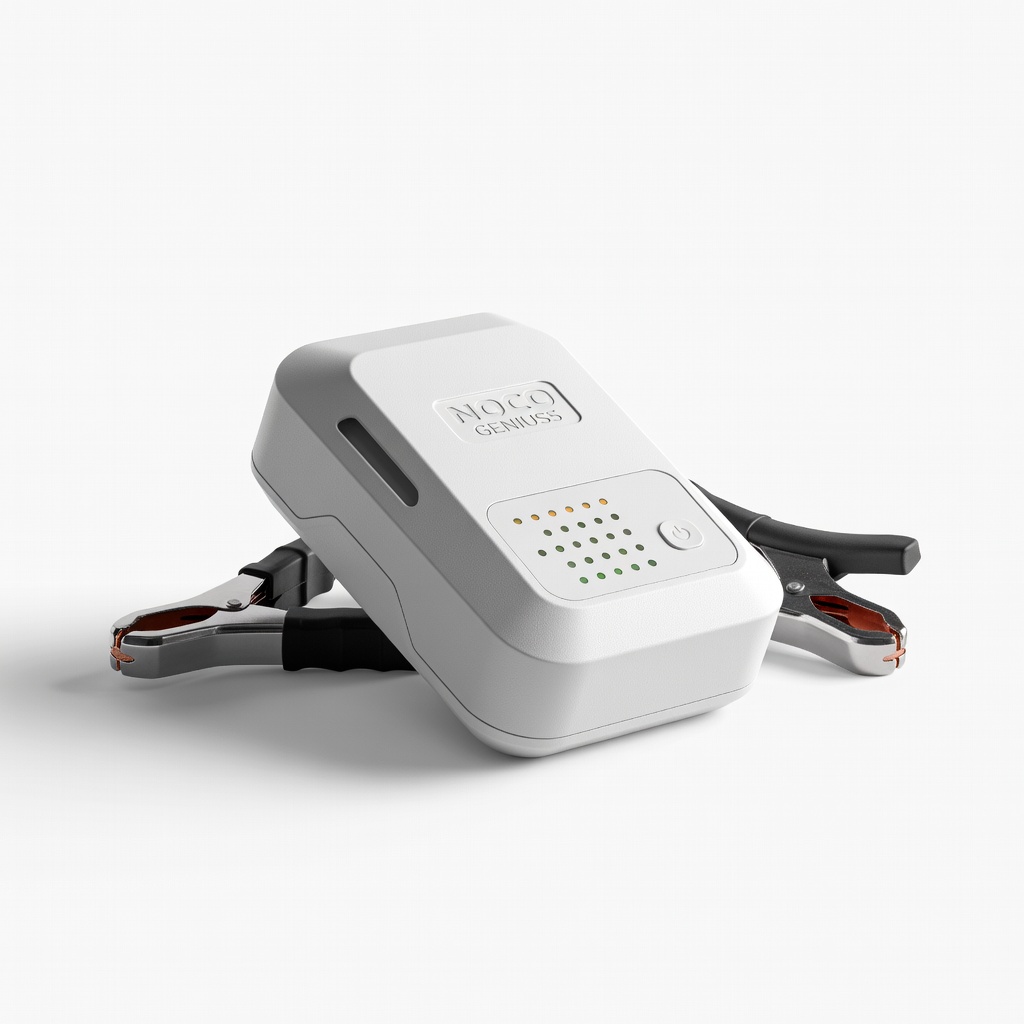
NOCO GENIUS5 12V Smart Battery Charger (ASIN: B08NTL5RCP)
Multi-mode charger safe for both types (AGM setting)—prevents common charging errors.
Best for: Regular maintenance charging for any 12V lead-acid.
Price Range: $60-$70