As a beginner guitarist, one of the first confusing decisions is choosing strings. Acoustic and classical guitars look similar but require completely different string types. Using the wrong ones can damage your guitar or make playing miserable. This guide breaks down the differences in materials, tension, sound, and construction so you can confidently pick the right set. By the end, you'll understand why steel strings belong on acoustic guitars and nylon strings on classical, plus how each affects your playing experience.
▸What You'll Need
- •A guitar (acoustic or classical) to compare if available
- •Basic knowledge of guitar parts (headstock, bridge, saddle)
- •Optional: a set of each string type to feel the difference
Estimated Time: 15 minutes reading and reflection
Difficulty: beginner
▸Step-by-Step Instructions
Step 1: Understand the Two Guitar Families
Acoustic guitars (steel-string) and classical guitars (nylon-string) are built differently to handle specific string tensions. Acoustic guitars have stronger bracing and a heavier top to withstand the higher tension of steel strings. Classical guitars have lighter bracing and a wider neck designed for nylon strings. This structural difference is why you cannot simply swap string types.
Most acoustic guitars use steel strings, while classical guitars always use nylon strings. Some crossover guitars exist but are rare. Always check your guitar's specifications before buying strings.
💡 Tips:
- •Look at the bridge: acoustic guitars have bridge pins, classical guitars have a slotted bridge where strings tie on.
- •Classical guitars have a wider neck (about 2 inches at the nut) compared to acoustic (about 1.75 inches).
⚠️ Warnings:
- •Never put steel strings on a classical guitar – the tension can warp or crack the top.
- •Nylon strings on an acoustic guitar will produce very low volume and may buzz.
Step 2: String Material: Steel vs. Nylon
Acoustic guitar strings are made of steel – typically a steel core wound with bronze, phosphor bronze, or other alloys. This gives them a bright, projecting sound. The core wire is magnetic, which also allows pickups to work with acoustic-electric guitars.
Classical guitar strings use nylon for the treble strings (plain nylon) and nylon wound with fine silver or bronze wire for the bass strings. Nylon produces a warmer, mellower tone. The strings are non-magnetic, so magnetic pickups won't work – classical guitars use microphones or piezo pickups.
💡 Tips:
- •Phosphor bronze strings are warmer than 80/20 bronze, great for a balanced tone.
- •Nylon strings come in different tensions: normal, hard, and extra-hard – start with normal for comfort.
⚠️ Warnings:
- •Avoid using steel strings with classical guitar pickups – they aren't designed for magnetic fields.
Step 3: Tension Differences
Steel strings are under much higher tension than nylon. A typical acoustic guitar set has total tension around 160-200 lbs, while classical sets are around 80-100 lbs. This higher tension gives acoustic strings more volume and punch but also makes them harder to press down, especially for beginners.
Nylon strings at lower tension are gentler on fingertips and easier to bend. However, they may feel floppy or loose to steel-string players. Luthiers design classical guitars to resonate best with nylon tension – adding steel would risk damage.
💡 Tips:
- •If you have small hands or arthritis, start with nylon strings for comfort.
- •Tension varies by brand – some acoustic strings are 'light' gauge to reduce tension slightly.
⚠️ Warnings:
- •High tension on classical strings can cause a 'thuddy' sound and premature fret wear.
Step 4: Sound Characteristics
Steel strings produce a bright, crisp, and articulate tone with strong high-end frequencies. They project well in ensembles and are ideal for strumming and picking in folk, country, rock, and bluegrass. The sound has a metallic edge that cuts through.
Nylon strings produce a warm, round, and softer tone with emphasis on midrange and bass. They sound mellow and are the standard for classical, flamenco, and bossa nova. Nylon strings have less sustain than steel, giving a more intimate, 'plucked' feel.
💡 Tips:
- •For recording, nylon strings can sound richer and more natural for fingerstyle.
- •Try different alloys (phosphor vs 80/20 bronze) on acoustic to adjust brightness.
⚠️ Warnings:
- •Nylon strings may sound dull on a guitar designed for steel due to different bracing.
Step 5: Construction and Installation
Acoustic strings have a ball end – a small metal bead that sits against the bridge pin. To install, you push the string through the bridge hole, insert the pin, and tighten the tuning peg. The ball-end system is quick and secure.
Classical strings use a tie-end method – you knot the string around the bridge. The treble strings have a simple knot, while bass strings have a clear end wrapping. Installation requires learning a special knot, but it's not difficult once practiced. The headstock has slotted pegs where you insert and wind the string differently.
💡 Tips:
- •Watch a video tutorial for tying classical strings – it's easier than written instructions.
- •Clip the excess string ends after installation to avoid scratching the guitar body.
⚠️ Warnings:
- •Don't cut the string ends too short on classical strings – they need extra length for tying.
- •Acoustic ball ends will not fit classical bridges – the ball is too large for the tie hole.
Step 6: Gauge Differences
Gauge refers to string thickness. Acoustic strings range from extra-light (.010-.050) to heavy (.013-.056). Lighter gauges are easier to press but quieter; heavier gauges are louder and fuller but require more finger strength. Beginners often start with light gauge.
Classical strings use a different gauge numbering – often expressed in tension levels (normal, hard, etc.) rather than exact diameters. Typical treble nylon strings are around .028 inches (high E) and increase; bass strings have a core thickness and winding. Tension is more important than gauge for classical – a hard tension set feels like a heavier gauge.
💡 Tips:
- •For acoustic, start with .011 or .012 gauge for a balance of comfort and tone.
- •On classical, 'normal tension' is best for beginners – hard can be too stiff for nimble playing.
⚠️ Warnings:
- •Jumping to heavy gauge acoustic strings without conditioning fingers can cause pain.
- •Gauge conversion charts between acoustic and classical do not exist – buy the type intended for your guitar.
Step 7: Can You Mix or Substitute?
Absolutely not – you should never use acoustic strings on a classical guitar or vice versa. The reasons are structural (tension damage) and functional (sound quality, string fit). If you have a steel-string acoustic, buy only strings labeled 'acoustic' or 'steel-string'. If you have a classical, buy only 'nylon' or 'classical' strings.
Some 'crossover' guitars are designed to handle both string types, but they are rare and specifically built for that. If unsure, ask a guitar shop or check the manufacturer's website.
💡 Tips:
- •Check the guitar's model number online to confirm string type.
- •If your classical guitar has a solid top, steel strings will likely crack it.
⚠️ Warnings:
- •Even one steel string on a classical guitar can cause progressive damage over weeks.
- •Using nylon on an acoustic will result in very low volume and possible buzzing from lack of tension.
▸Pro Tips
- •Store your guitar in a proper case with humidity control to preserve string life and guitar health.
- •Wash your hands before playing to reduce oil and dirt transfer, extending string life.
- •Change strings regularly – acoustic every 1-3 months, classical every 2-4 months depending on play.
- •Use a string winder to speed up string changes on acoustic – classical requires careful hand winding.
- •Try different brands and gauges to find what suits your playing style and ear.
- •Nylon strings take a day or two to stretch and settle; tune frequently for the first week.
- •If switching from acoustic to classical, expect softer fingertips and a different hand position due to wider neck.
▸Common Mistakes to Avoid
- •Putting steel strings on a classical guitar thinking they'll sound better – can damage the guitar.
- •Buying strings based on price alone – cheap sets may have poor intonation and break easily.
- •Not stretching new strings properly – causes tuning instability for days.
- •Using the same gauge for both acoustic and classical – classical doesn't use gauge numbers the same way.
- •Overlooking the bridge style – trying to install ball-end strings on a tie-block bridge.
▸Troubleshooting
Problem: Strings buzz or sound dead.
Solution: Check if you used the correct type (steel vs nylon). Nylon on acoustic may buzz; steel on classical may cause fret buzz due to high tension. Also check for loose bridge pins or poorly tied knots.
Problem: Can't keep strings in tune.
Solution: New strings need stretching. Gently pull each string at the 12th fret, then retune. Repeat until stable. Also ensure proper winding on the tuning pegs.
Problem: Fingers hurt when pressing strings.
Solution: If using steel strings, consider lighter gauge or switch to nylon. For classical, try lower tension. Also, building calluses takes time; practice in short sessions.
Problem: Sound is too bright or too mellow.
Solution: Change string material: phosphor bronze for warmer acoustic tone; 80/20 bronze for brighter. On classical, different windings (silver vs bronze) affect tone.
D'Addario EJ16 Phosphor Bronze Acoustic Guitar Strings
Great all-around acoustic strings for beginners: warm tone, good durability, and affordable price.
Best for: For steel-string acoustic guitars – a balanced set for strumming and fingerpicking.
Price Range: $10-$15
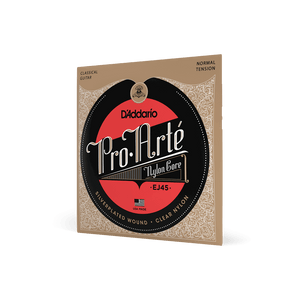
D'Addario Pro-Arte Normal Tension Classical Guitar Strings
Standard classical strings with clear nylon trebles and multisilver wound basses – comfortable tension for beginners.
Best for: For classical or flamenco guitars – normal tension is ideal for learning.
Price Range: $12-$18
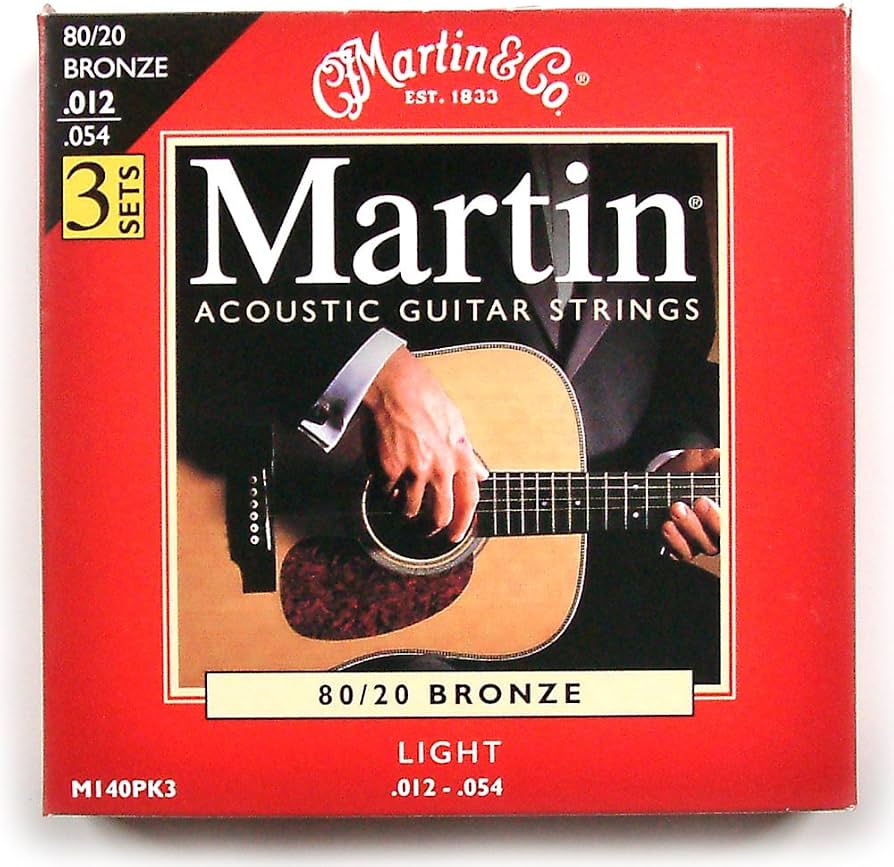
Martin Light Gauge Acoustic Guitar Strings (M140)
Slightly lighter tension than medium sets, easier on fingers, great for beginners on steel-string acoustics.
Best for: If you find regular strings too stiff, these light gauge strings reduce finger fatigue.
Price Range: $10-$15
Ernie Ball Earthwood 80/20 Bronze Medium Acoustic Strings
Bright and crisp tone, long-playing life – good for players who want projection.
Best for: For acoustic guitars, especially if you play with a pick or in a group.
Price Range: $8-$12