You're ready to pick up the guitar, but the moment you step into a music store, you realize there are two types of 'acoustic' guitars that look different, feel different, and sound different. This confusion is perfectly normal. In this guide, we'll walk you through the key differences between classical and acoustic guitars—from the type of strings to the way they're built—and help you choose the one that matches your musical goals and physical comfort. No prior guitar knowledge is needed. By the end, you'll be able to confidently pick the right instrument for you.
▸What You'll Need
- •An open mind to compare both guitar types
- •A few minutes to read and reflect on your musical preferences
- •Access to a music store to test the two guitars (optional, but highly recommended)
- •A device with speakers or headphones to listen to sound samples (and help you decide)
Estimated Time: 10-15 minutes
Difficulty: beginner
▸Step-by-Step Instructions
Step 1: Look at the Strings: Nylon vs Steel
The most obvious difference is the string type. Classical guitars use nylon strings, with the three bass strings having a nylon core wrapped in metal. Steel-string acoustics use metal strings, typically bronze or phosphor bronze.
Nylon strings are gentler on your fingers and produce a warm, round, and focused tone. Steel strings are brighter and louder, but they also apply more tension to the neck and body, which is why acoustic guitars are built more heavily. If you press down on nylon strings, it takes less finger strength, so many beginners start here to avoid sore fingertips.
Run your fingers along the strings: nylon will feel smooth and slightly pliable, while steel will feel firm and metallic. The choice isn't about 'better'—it's about which feel and sound inspires you.
💡 Tips:
- •If possible, try pressing a string at the 3rd fret on both guitar types to feel the extra force steel strings require.
- •Look at the low E string: on a classical, it's thicker and translucent; on an acoustic, it's thinner and metallic.
⚠️ Warnings:
- •Never put steel strings on a classical guitar—the neck and bracing aren't reinforced enough, and it will cause lasting damage.
- •Similarly, nylon strings on a steel-string acoustic will sound weak and can also harm the instrument's design.
Step 2: Compare the Body Shape and Size
Classical guitar bodies are generally smaller, lighter, and have a symmetric figure-eight shape. The body is shallow, which gives it a delicate tone and makes it feel comfortable against your torso. This makes classical guitars a great choice for children, smaller players, or anyone who wants a lightweight instrument.
Acoustic guitars, on the other hand, come in many shapes, but the most recognizable is the dreadnought—a large, square-shouldered, wide-bodied design. This bigger body produces more volume, deeper basses, and a fuller sound. There are also parlor, concert, and orchestra acoustics, which vary in size and tone.
When you try both, sit with each one for a few minutes. Notice how the guitar rests against your body and whether its weight causes any strain. If the guitar feels bulky, you may prefer the smaller classical or a compact acoustic.
💡 Tips:
- •If you have a smaller frame, look for a 3/4-sized acoustic or a classical guitar—they're easier to hold.
- •A cutaway on an acoustic only affects access to the upper frets, not the overall body size.
⚠️ Warnings:
- •Don't ignore the weight of a dreadnought; it can cause shoulder fatigue during longer practice sessions.
- •Avoid choosing a guitar solely because it's big and loud—your comfort matters more for long-term motivation.
Step 3: Listen to the Sound: Warmth vs Projection
The string type and body design work together to create the tone. A classical guitar with nylon strings has a mellow, warm, and intimate sound. It's not exceptionally loud, but it produces rich overtones that make it perfect for solo fingerpicking and Spanish/classical repertoire.
A steel-string acoustic delivers a bright, articulate, and powerful sound that can cut through a band or fill a room. The steel strings and heavier bracing produce clear high-end and long sustain, making it the default for pop, rock, folk, and country.
Listen to the same song played on both. Pay attention to the emotions each tone evokes. If you love the soft warmth of nylon, a classical guitar will pull you into daily practice. If you want a punchy, projecting voice, a steel-string acoustic is likely your best match.
💡 Tips:
- •Watch YouTube comparisons of the same chord progression on both guitars to hear the differences clearly.
- •Play an open chord like G major on both: classical sounds rounder and softer; acoustic sounds brighter and more articulated.
⚠️ Warnings:
- •A classical guitar may get lost when playing with a drummer or in a group; think about the setting where you plan to play.
- •A steel-string acoustic can feel too bright or slightly harsh to some beginners—don't dismiss it until you try it live.
Step 4: Check the Neck and Fretboard Dimensions
The neck is where your hand spends most of its time, so its feel matters a lot. Classical guitars have a wider nut, usually about 1.9 to 2.0 inches, which spaces the strings further apart. This extra room is ideal for mastering complex fingerpicking patterns, but it can feel cramped for those with small hands when jumping between chords.
Acoustic guitars have a narrower nut—around 1.6 to 1.8 inches—and their necks are typically thinner, making it easier to wrap your hand around for barre chords. If you have larger fingers, the tighter spacing might cause accidental string touches, while for average hands it feels comfortable.
Also note that many classical guitars join the body at the 12th fret, while steel-strings often join at the 14th fret. This difference impacts your ability to reach the upper frets on the neck. If you plan to play melodies above the 12th fret, an acoustic (especially with a cutaway) will give you better access.
💡 Tips:
- •Try a barre chord (like F major at the 1st fret) on both guitars—it will quickly reveal which neck shape suits your hand.
- •If you have large hands, a wider classical neck might actually be more comfortable, so don't assume narrower is always easier.
⚠️ Warnings:
- •Don't base your decision solely on neck width; hand anatomy varies, and only hands-on testing really tells you.
- •Listen to the fretboard radius: classical necks are often flatter, while steel-string acoustics have a slight curve, affecting the angle of your wrist.
Step 5: Learn About Construction and Bracing
The internal structure of each guitar is specially designed to handle the tension and vibration of its strings. Classical guitars use a pattern called 'fan bracing'—thin wooden struts that radiate outward from the soundhole. This light bracing lets the top vibrate easily, resulting in a quick response and sweet sustain, especially at lower volumes.
Acoustic guitars use X-bracing, where two braces cross beneath the soundhole. This creates a strong frame to support the high tension of steel strings (which can total 70–100 pounds of pull). The heavier bracing produces a stronger attack and greater volume, but it also makes the guitar more sensitive to temperature and humidity changes.
You can peek inside the soundhole with a flashlight: the X-brace looks like an 'X', while fan bracing resembles a starburst. This structural difference is why you absolutely must use the correct string type—the bracing is not interchangeable.
💡 Tips:
- •Use a flashlight to inspect the bracing pattern if you're buying a used guitar; it can reveal signs of damage or repair.
- •Understand that classical guitars feel more responsive to light finger pressure, while acoustics require a firmer attack.
⚠️ Warnings:
- •Do not attempt to adjust the truss rod on a classical guitar that doesn't have one; many traditional builds omit it.
- •Humidity is the biggest enemy of steel-string acoustics—keep it in a case with a humidifier if you live in a dry climate.
Step 6: Consider Your Playing Style: Fingerstyle vs Strumming
The music you want to play is the strongest guide. Classical guitars are fundamentally fingerstyle instruments. They're designed to be played with your fingertips (and sometimes nails) to produce arpeggios, melodic lines, and intricate patterns. Spanish, flamenco, and classical repertoire are almost exclusively played on classical guitars. Because of its softer voice, a classical guitar is ideal for bedroom practice or a quiet living room.
A steel-string acoustic is far more versatile for strumming and flatpicking. You can use a pick to strum full chords, or fingerpick as well. Its powerful projection makes it the weapon of choice for singer-songwriters, pop/rock bands, and folk players. It can handle everything from simple campfire chords to percussive modern styles.
Think about the first songs you dream of playing. If they involve energetic strumming with a pick (like or), choose an acoustic. If you're drawn to gentle Spanish melodies or classical pieces, get a classical. Adapting is possible either way, but matching the tool to the style accelerates your progress.
💡 Tips:
- •Try a simple G–D–C chord progression on both guitars, with and without a pick, to feel the musical differences.
- •Listen to iconic pieces: 'Stairway to Heaven' uses a steel-string acoustic; 'Romance Anónimo' is fingerpicked on a classical.
⚠️ Warnings:
- •A classical guitar with a pick can sound thin and weak, as the nylon strings are not designed for aggressive strumming.
- •Fingerpicking on steel strings is possible but harder on the fingertips and the tone is much brighter and more metallic.
Step 7: Evaluate the Physical Comfort and Learning Curve
When you're starting out, comfort can make or break your motivation. Nylon strings are under lower tension, so they're significantly easier on tender fingertips. Many beginners report less finger pain and are more likely to keep practicing. This is why classical guitars are often recommended for young children, seniors, or anyone with a low pain tolerance.
However, the wider neck of a classical guitar means your left hand has to open wider, which can make chord transitions harder if you have small hands. A steel-string acoustic's narrower neck might allow you to wrap your hand more easily, but the strings are harder on your fingers during the first weeks. You'll eventually develop calluses, but the initial discomfort can be discouraging.
A quick test: hold a barre chord (index finger across all six strings) at the 3rd fret on each guitar. Notice where you feel the most strain—either in your fingertips or across your palm. There's no 'right' answer, but you can choose the one that your hands tolerate better.
💡 Tips:
- •If you have very small hands, search for a classical guitar with a narrower nut (around 1.8 inches) or a 'slim' neck profile.
- •On a steel-string acoustic, use light-gauge strings (0.10 or 0.11) to reduce finger pressure during the learning phase.
⚠️ Warnings:
- •Don't pick a guitar just because a seller calls it 'easy to play'—always test the actual feel in your hands.
- •Avoid starting on a 12-string or a steel-string acoustic with heavy-gauge strings; they will overwhelm a new player.
Step 8: Choose the Guitar That Matches Your Musical Goals
You now have all the facts to make an informed decision. Classical guitar: nylon strings, smaller body, mellow tone, wider neck, perfect for fingerstyle and Spanish/classical music. Acoustic guitar: steel strings, larger body, bright and powerful tone, narrower neck, perfect for strumming, flatpicking, and contemporary genres.
There is no universally correct choice—only the right guitar for you. If you plan to study classical guitar formally, play flamenco, or compose delicate instrumental pieces, get a classical. If you want to sing and play, jam with friends, or perform in a band, invest in a steel-string acoustic.
Many guitarists eventually own both. You can start with one and later add the other as your skills expand. The most important thing is that the guitar makes you want to pick it up every day. So, if at all possible, visit a store, hold both, play a few chords, and choose the one that speaks to you.
💡 Tips:
- •Set a sensible budget: a decent beginner classical guitar costs around $150–$250, and a good steel-string acoustic around $200–$400.
- •Bring a friend who plays guitar to help you test the action and sound—they can also audition it from a listener's perspective.
⚠️ Warnings:
- •Don't be swayed by vivid colors or shiny finishes; they don't affect playability or tone.
- •If buying online, check the guitar's return policy and warranty; it's wise to have the instrument inspected by a luthier after arrival.
▸Pro Tips
- •Listen with your ears, not your eyes: choose the tone that makes you want to practice every day.
- •On a steel-string acoustic, opt for light-gauge strings (0.10 or 0.11) during your first few months to reduce finger soreness.
- •Check the string height (action) at the 12th fret; if you can slide three quarters of an inch under the string, it's set too high—get a setup.
- •Invest in a clip-on tuner and a quality set of strings; they're inexpensive and dramatically improve your practice experience.
- •If you can't visit a store, watch video reviews that play full songs, not just chord strumming, to hear the guitar's dynamic range.
- •Consider the guitar's weight and durability; for travel, a smaller-bodied acoustic (or a classical) is easier to carry.
- •Learn a few basic chords before you decide—C, A, G, E, and D feel distinctly different on each guitar type.
▸Common Mistakes to Avoid
- •Putting steel strings on a classical guitar—this can warp the neck, crack the top, and permanently ruin the instrument.
- •Judging a guitar only by its price; a cheap, poorly set up guitar is harder to play than a well-adjusted, slightly more expensive model.
- •Assuming both guitar types are interchangeable and buying the first one without considering how you'll use it.
- •Ignoring weight and body size, which can cause discomfort and discourage consistent practice.
- •Not checking the nut width; a classical guitar's wide neck can feel impossible for someone with small hands.
▸Troubleshooting
Problem: After changing strings, my guitar sounds weak or muffled.
Solution: Check that you used the correct string type: nylon for classical, steel for acoustic. Also ensure the strings are properly seated in the nut and bridge, and are in tune.
Problem: The neck is bowed and the strings buzz against the frets.
Solution: For a steel-string acoustic, adjust the truss rod or have a technician do it. For a classical guitar (which may lack a truss rod), take it to a luthier for a neck adjustment and fret leveling.
Problem: My fingertips hurt so much that I don't want to practice.
Solution: Switch to light-gauge strings on an acoustic (or nylon strings by moving to classical). Practice only 10–15 minutes daily to build calluses gradually; the pain will fade within a few weeks.
Problem: I can't reach the high frets (above the 15th) on my classical guitar.
Solution: Classical necks usually join the body at the 12th fret, limiting upper-fret access. If you frequently play high melodies, consider a steel-string acoustic with a cutaway or a rare cutaway classical.
Problem: My strings won't stay in tune.
Solution: Cheap tuning machines or improperly wrapped strings are common culprits. Check the string winding at the tuning pegs. If the problem persists, replace the tuning machines or have them serviced by a guitar technician.
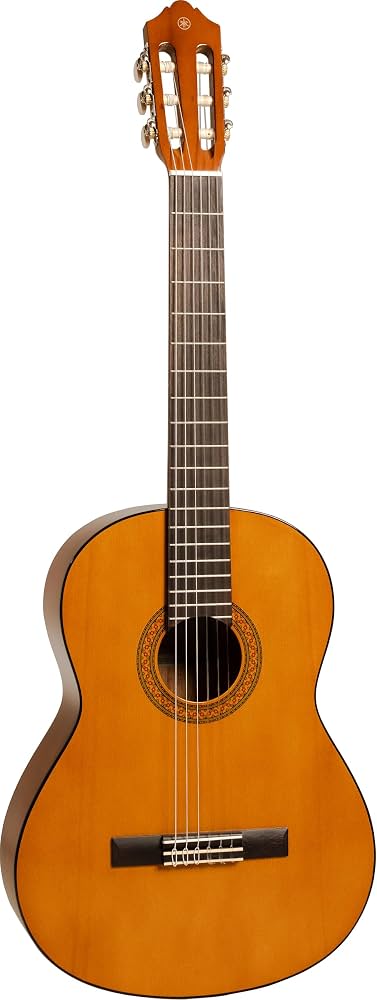
Yamaha C40II Classical Guitar
Yamaha is known for its consistent quality, and the C40II is a top beginner classical guitar. Its nylon strings are gentle on fingers, and the spruce top produces an unexpectedly warm sound for the price.
Best for: Ideal if you're leaning toward classical, Spanish, or fingerstyle music and want a dependable, low-maintenance first guitar.
Price Range: $150-$200
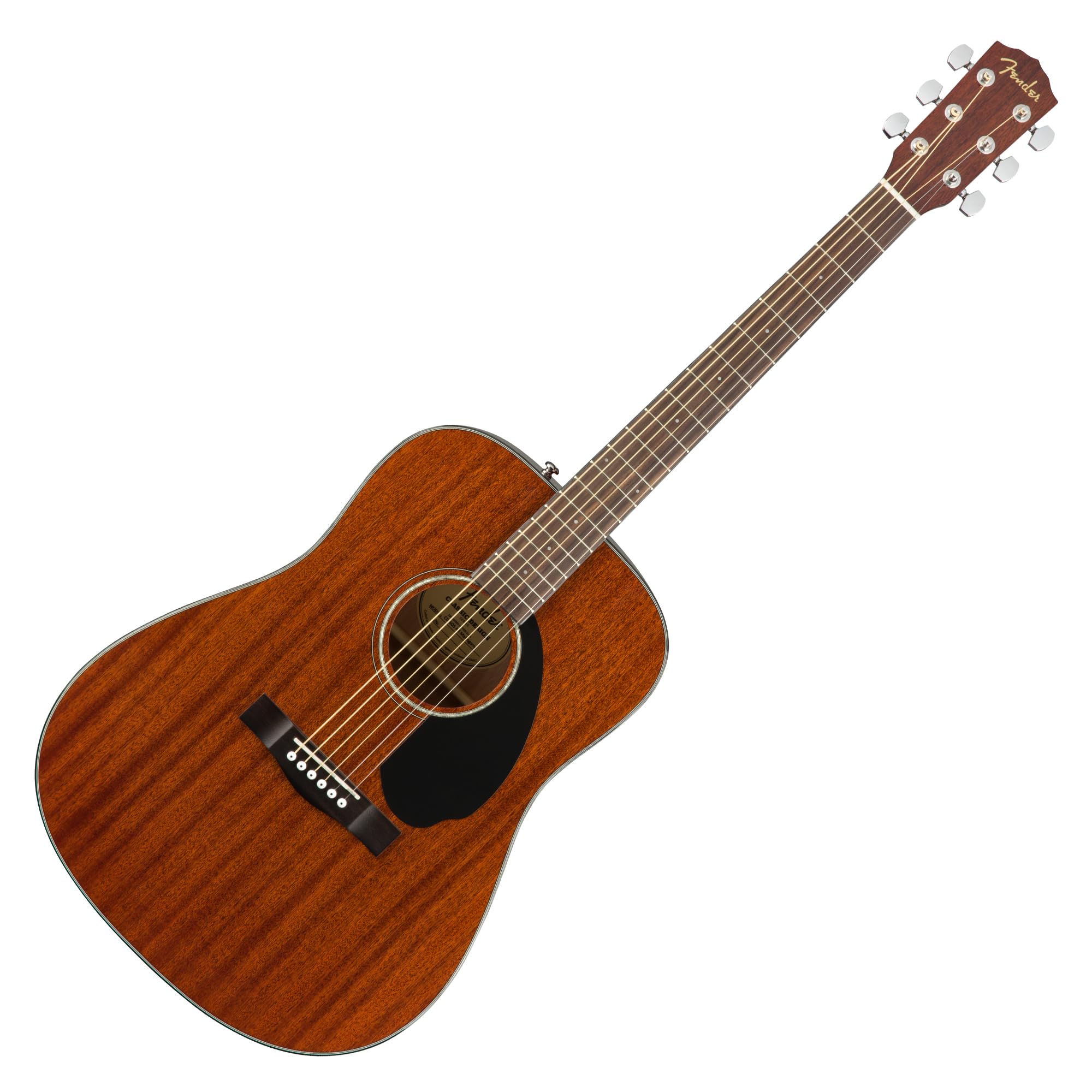
Fender CD-60S Dreadnought Acoustic Guitar
A legendary starter steel-string, the CD-60S features a solid spruce top and mahogany body, delivering a bright, punchy tone. Its comfortable neck makes it a favorite for beginners who plan to strum.
Best for: Perfect for those who want to play pop, rock, folk, or country and use a pick for strumming.
Price Range: $200-$250
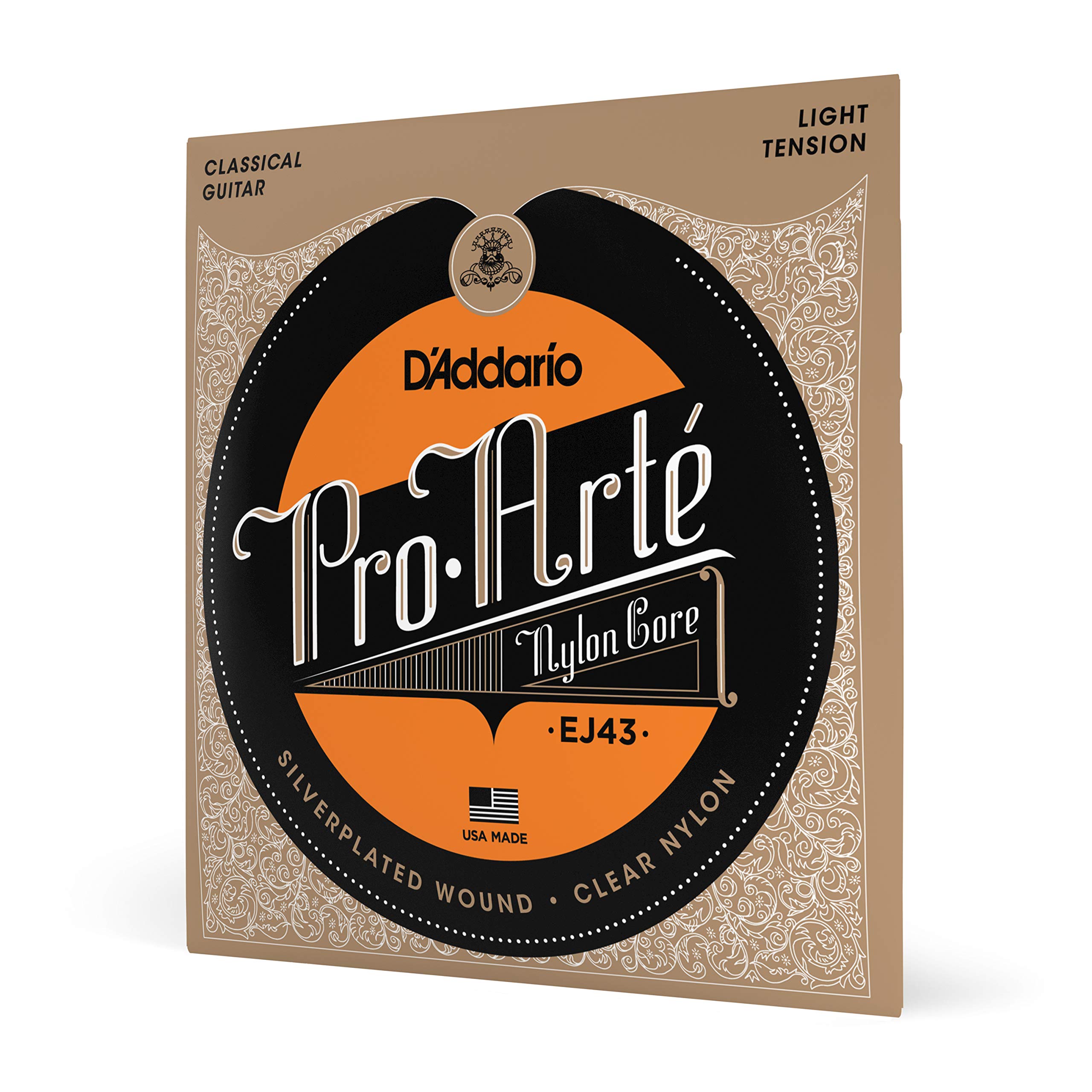
D'Addario Pro-Arte Nylon Classical Guitar Strings
These are the standard replacement strings for classical guitars. They offer clear, even tone and reliable intonation, turning a cheap classical guitar into a much better-sounding instrument.
Best for: Whenever you need to restring a classical guitar; normal tension is ideal for most players.
Price Range: $8-$15
Elixir Phosphor Bronze Acoustic Guitar Strings
Elixir strings are coated, so they last longer and reduce finger squeak. They feel smoother and slightly easier on the fingers than uncoated steel strings, making them superb for new acoustic players.
Best for: Excellent for restringing a steel-string acoustic, especially if you want a longer-lasting, low-noise string.
Price Range: $13-$22
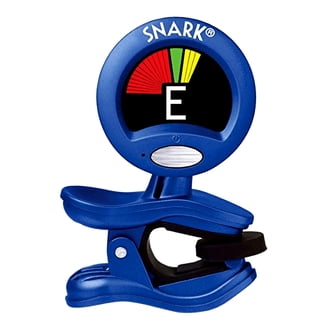
Snark SN-5 Clip-On Tuner
A reliable, clip-on tuner is essential for beginners. It picks up both nylon and steel strings clearly, changes pitch detection quickly, and works on any guitar headstock.
Best for: To tune your guitar accurately every time you practice; a chromatic tuner works for both classical and acoustic guitars.
Price Range: $10-$18